


DESTINATION
Atlixco
A Flower-Growing Town at the Foot of Popocatepetl
Destination Vibes
Why to Visit
In Atlixco, the landscape reflects the region’s agricultural character. Flower nurseries, gardens, and public squares display plants that thrive in the town’s temperate climate, while the silhouette of Popocatepetl rises in the distance above the valley. Colonial streets lead to markets, scenic viewpoints, and plazas where daily life unfolds among plants and trees that grow year-round. Atlixco offers a setting where agriculture, landscape, and community traditions remain closely connected.
HIGHLIGHTS
The Signature Experience
Don't Miss
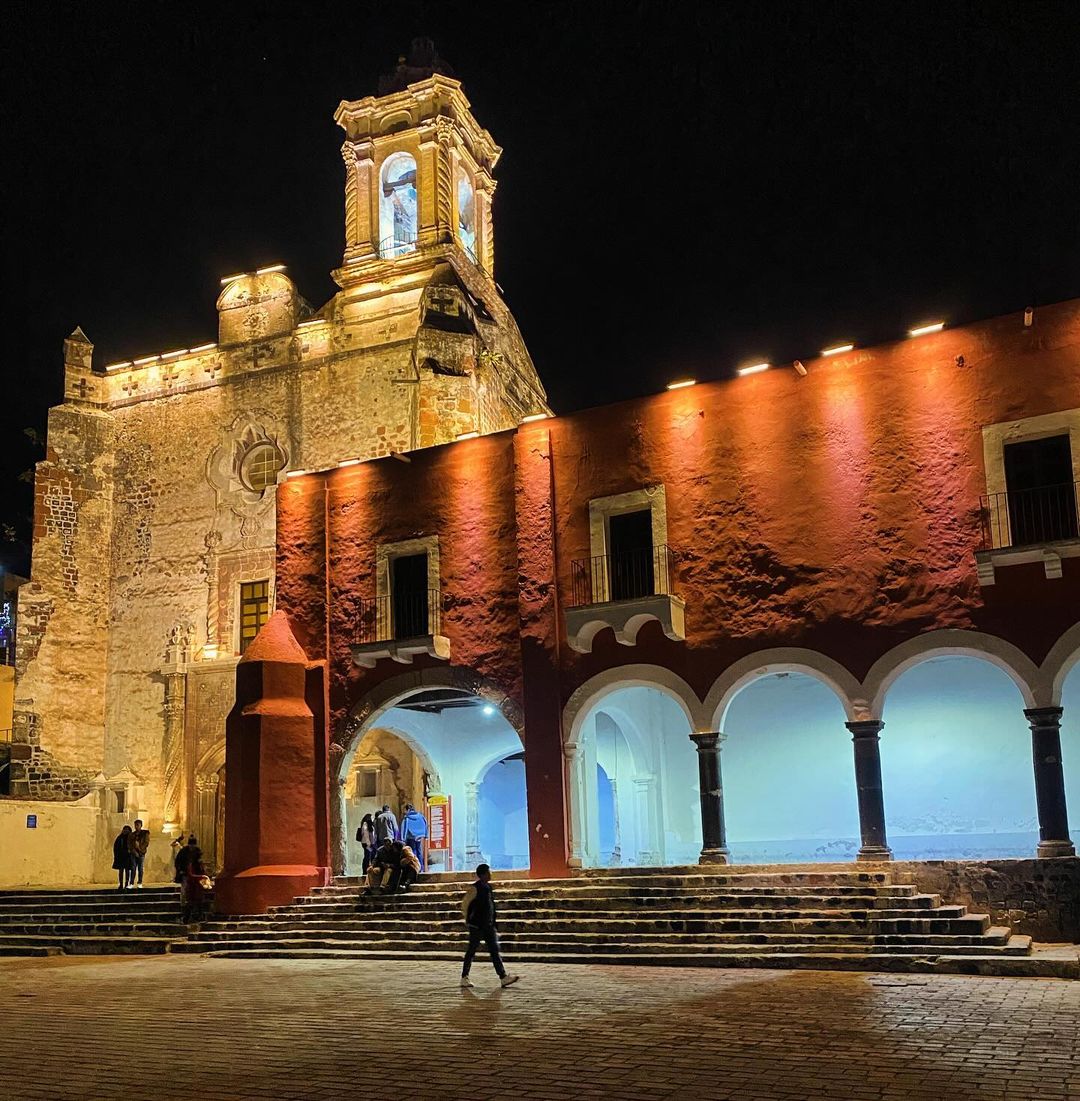
Photo: escapadas.mx
Church of Santa Maria de la Asuncion de Acapetlahuacan
This historic church stands behind the walls of a former Franciscan convent complex that once included a cloister, dormitories, and orchards. The church façade displays a Mudejar-style design with Gothic influence and Franciscan iconography. Its original wooden door and the line of black tezontle crosses crowning the structure remain distinctive architectural features. Inside, the nave includes ribbed vaulting typical of Franciscan convent architecture and a central altarpiece.

Escaleras Anchas
Located between Calle 16 de Septiembre and Avenida Hidalgo, this staircase hosted the first Atlixcayotl Festival in 1965, which later grew into one of the most important cultural celebrations in the state of Puebla. In 2020, local artists created a large mural across the steps depicting traditional Atlixco characters, including the china atlixquena and the charro a pie, both wearing the town’s traditional clothing.
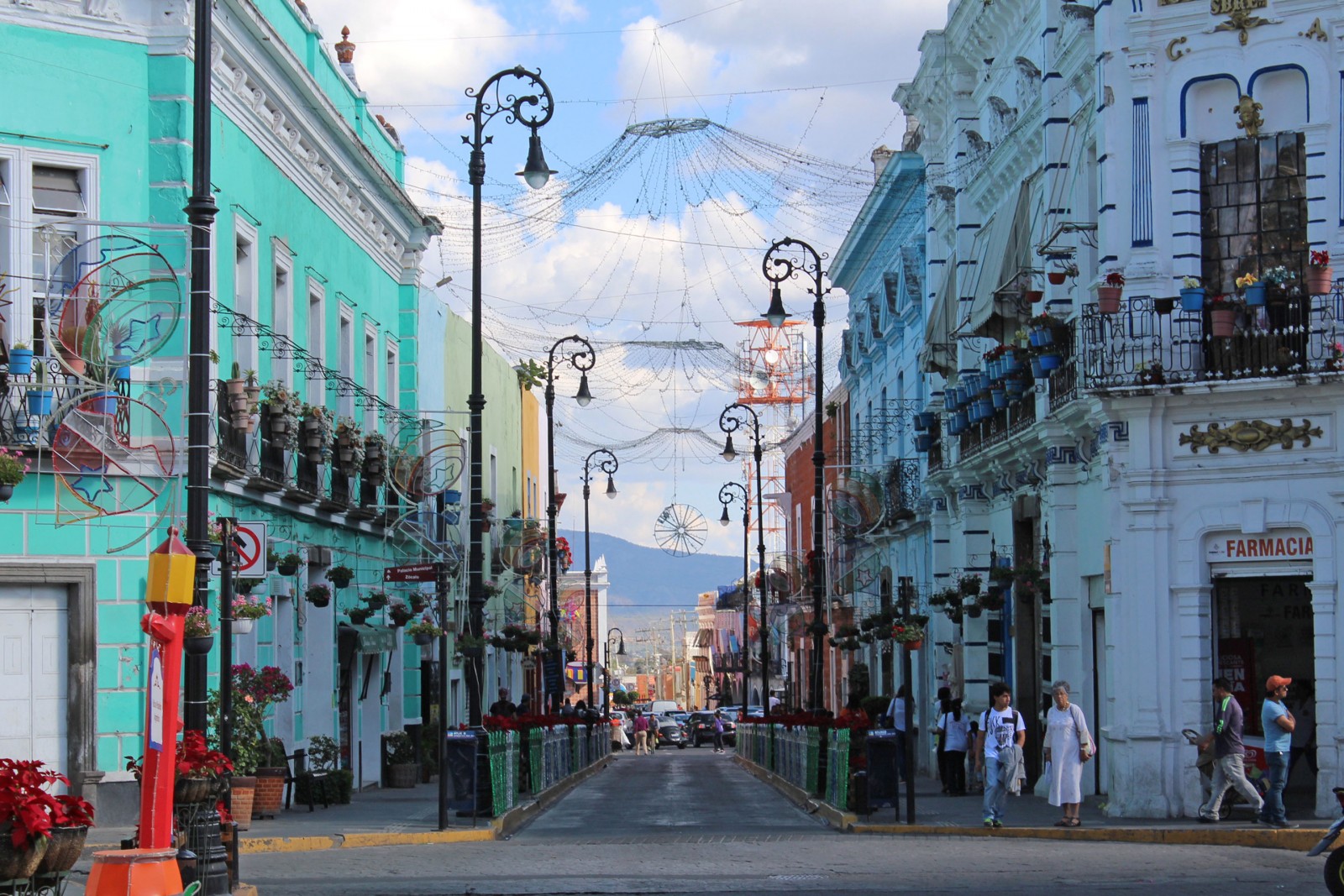
Avenida Hidalgo
Atlixco’s main street is lined with colorful colonial houses whose balconies are often decorated with flowers. Lanterns and large planters accompany the walkway as the street gradually climbs toward the town center. Along the route, visitors can stop at Casa Amantolli, a shop specializing in crafts from Puebla, including miniature mojiganga figures commonly used in local celebrations.
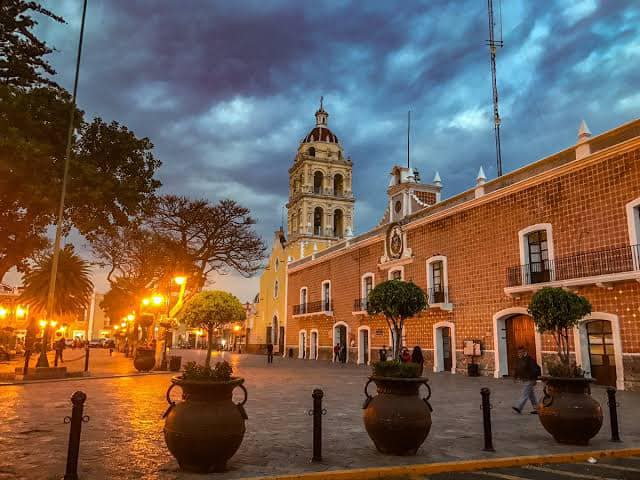
Photo: Tours San Miguel Atlixco
Atlixco Municipal Palace
This historic building houses murals by artist Juan Manuel Martinez Caltenco that depict the history and traditions of the town.