


DESTINATION
Bacalar
The Lagoon Where Blue Reveals Its Many Shades
Destination Vibes
Why to Visit
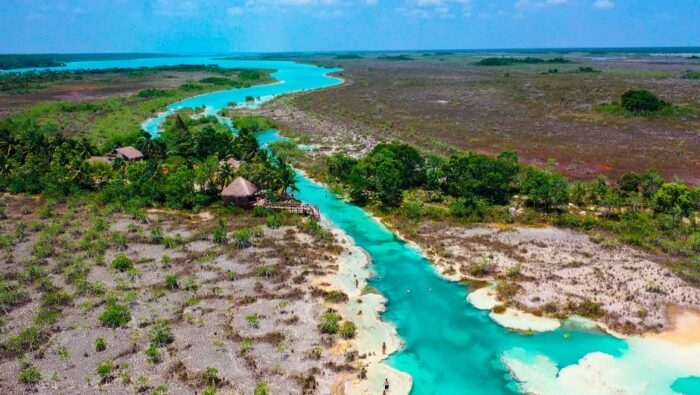
In Bacalar, the color of the water shifts throughout the day, as if responding to light and depth in real time. The lagoon reveals tones that range from pale turquoise to deep blue over a white limestone floor that intensifies its clarity. There is no surf and no urban noise—only a broad, still surface that encourages pause. That combination of scale, quiet, and transparency makes each moment—paddling at sunrise, resting in a hammock, sailing in the afternoon—difficult to replicate elsewhere in the Mexican Caribbean.
Don't Miss
Laguna de los Siete Colores
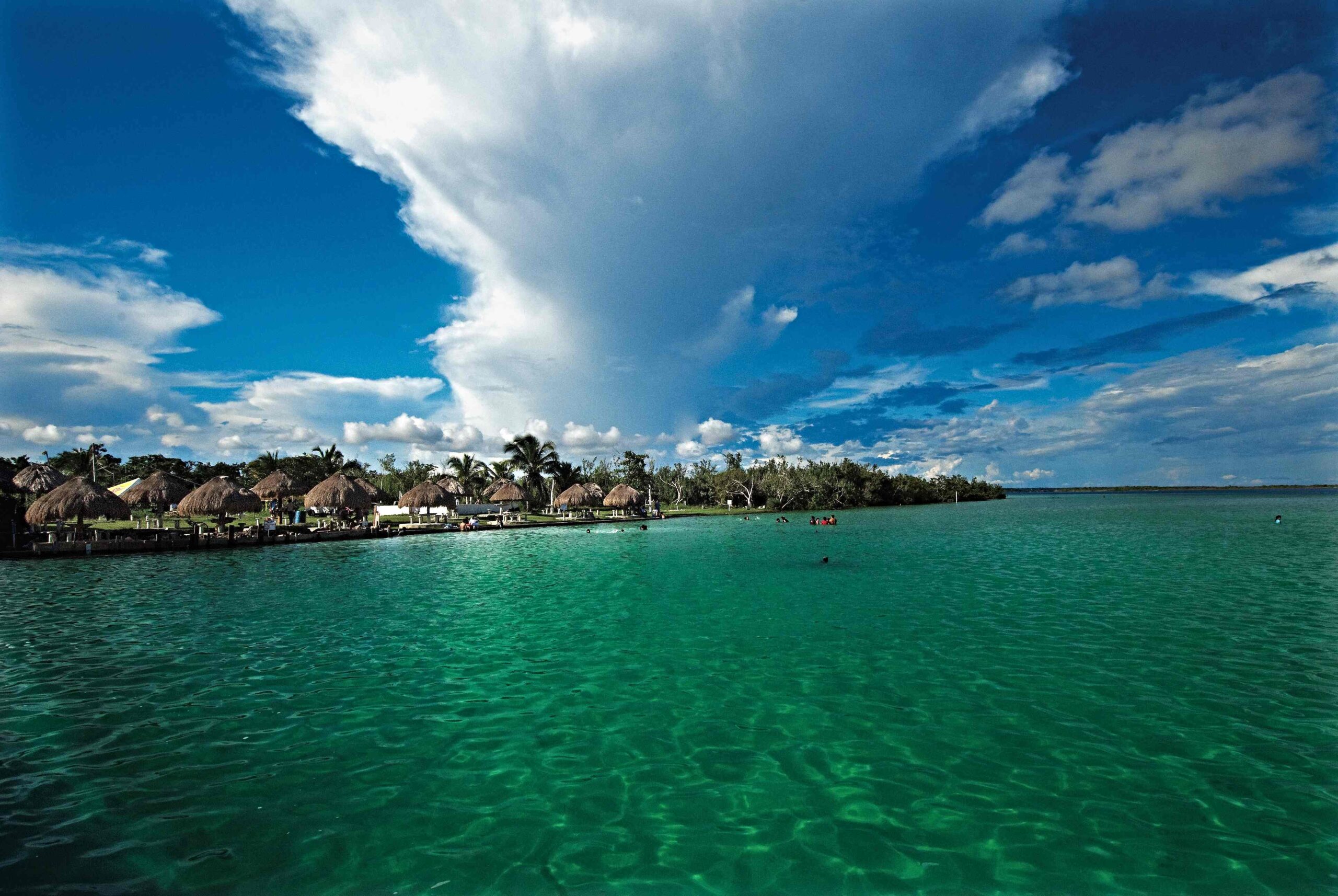
The name of this lagoon was inspired by its water, which ranges from turquoise to deep blue. Named for the colors of its waters that run from turquoise to dark blue, Lagoon of the Seven Colors stretches out over more than 31 miles. Here you can relax, take a ride on a speedboat, kayak, sailboat, or catamaran; swim, observe the parrots and red macaws, camp, or savor regional dishes in its restaurants. All kinds of boats depart from Club de Vela Bacalar–some of them making expeditions to the so-called abandoned ship–and they also rent scuba diving equipment.
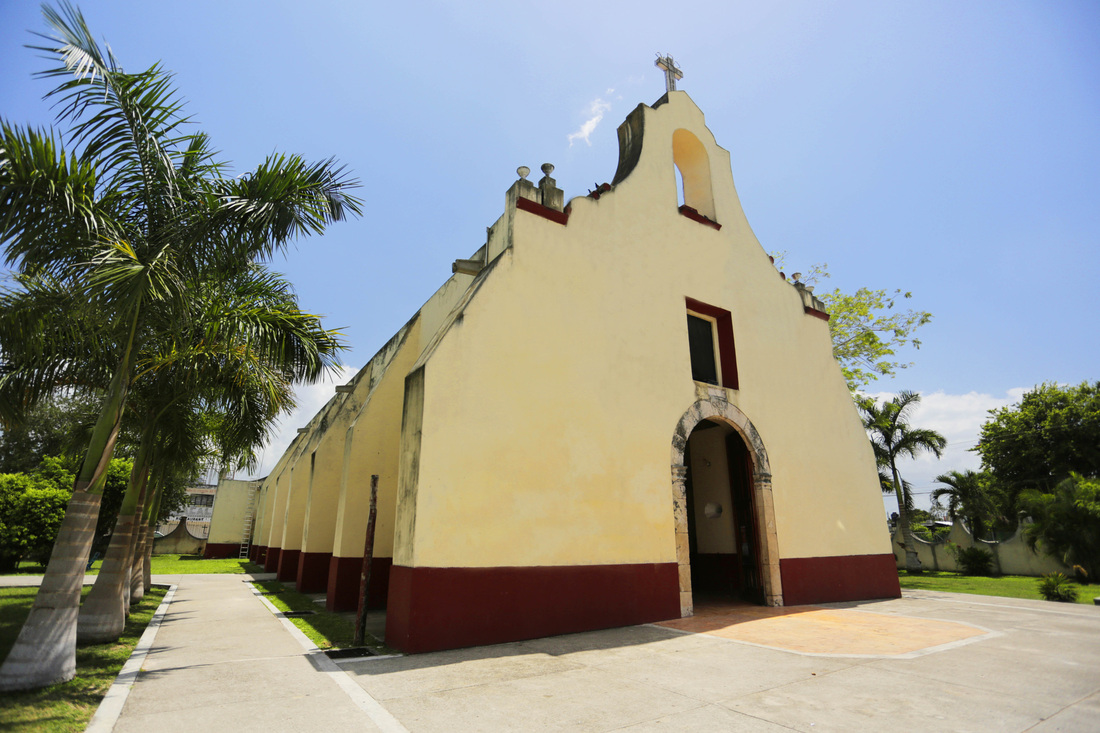
Photo: Mundo Maya
Parroquia de San Joaquín
Just a few steps from the plaza, behind an enormous kapok tree growing in the atrium, is the Parroquia de San Joaquín, a 19th-century church dedicated to Bacalar’s patron saint. His celebration is one of the region’s most well known. The figure of San Joaquín, pre-dating the Caste War of Yucatán, is the highlight of the interior. These days, folk dance, danzón, poetry, and handicraft classes are held here.
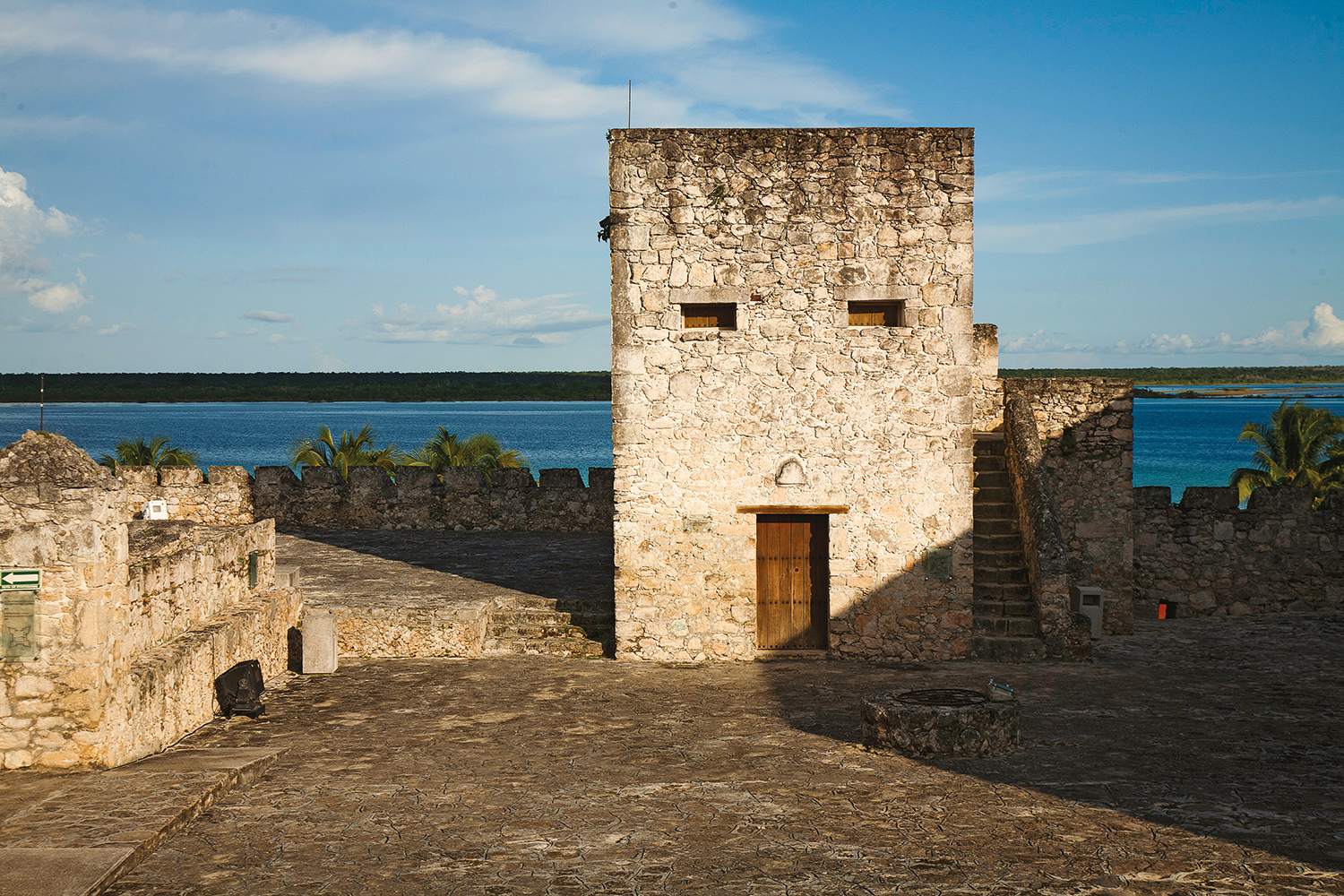
Photo: escapadas.mx
San Felipe Fort
San Felipe Fort boasts the best view of the lagoon, and here you can also find out about its pirate-filled history. These structures hold 261 years of history featuring the Mayas, the Spanish, and pirates from all over the world. It was designed by the Italian Juan Podio and built with volcanic and limestone rock and stones from the sea. While it currently has 11 canons, years ago it had 34, located in sites such as Baluarte de San José and Baluarte de Santa Ana. Its museum exhibits Mayan archeological pieces, weapons, ammunition, everyday tools, blueprints, maps, and informational cards. It also displays a mural by artist Elio Carmichael, depicting the most important historical events of the region.
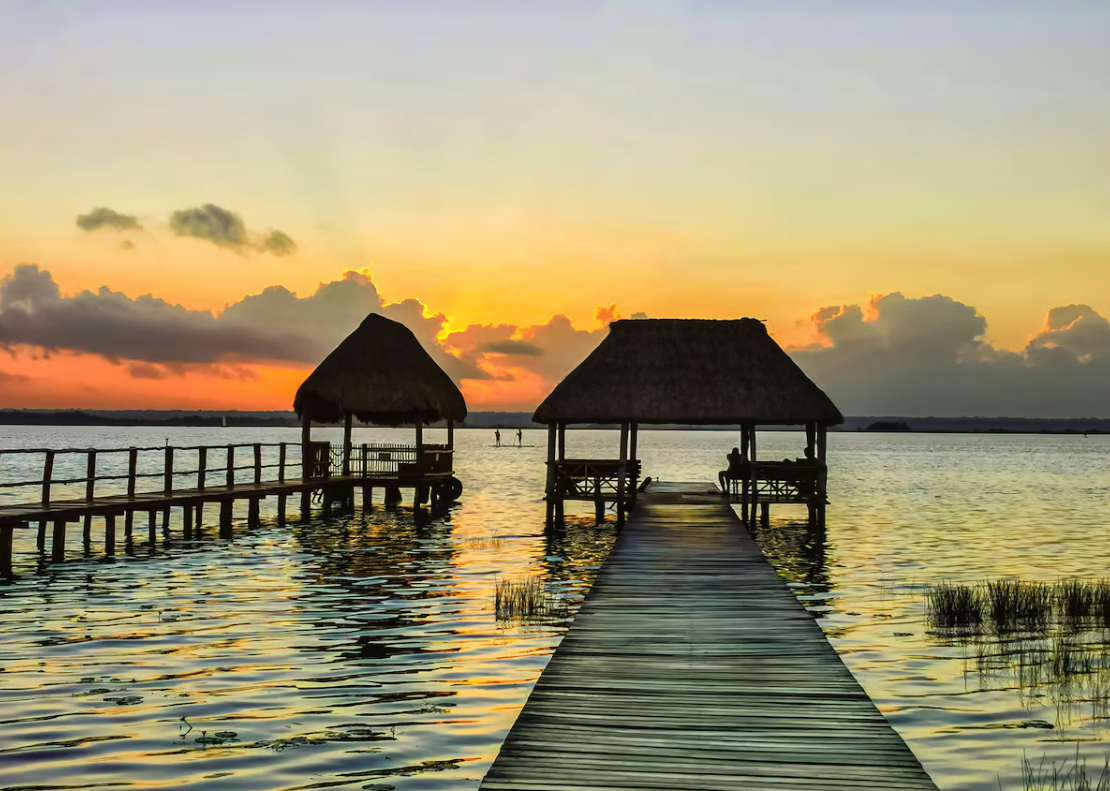
Enjoy an Afternoon in Mahahual
Forty-four miles from Bacalar is the town of Mahahual, with its peaceful, friendly atmosphere. The village boasts an enormous dock sticking out into the ocean that receives more than 150 national and international cruise ships throughout the year. Its laid-back white sand beach invite you to try water sports, eat in picturesque restaurants, and stay in its rustic cottages, boutique hotels, and B&Bs. Check out the service providers to rent a jet ski, take a boat ride, snorkel, ride horses, or fish grouper, barracuda, red snapper, or snapper. This is a good jumping off point for visiting Banco Chinchorro reef, Latin America’s largest atoll. Dozens of ships ran aground here, making it a fantastic spot to scuba dive.
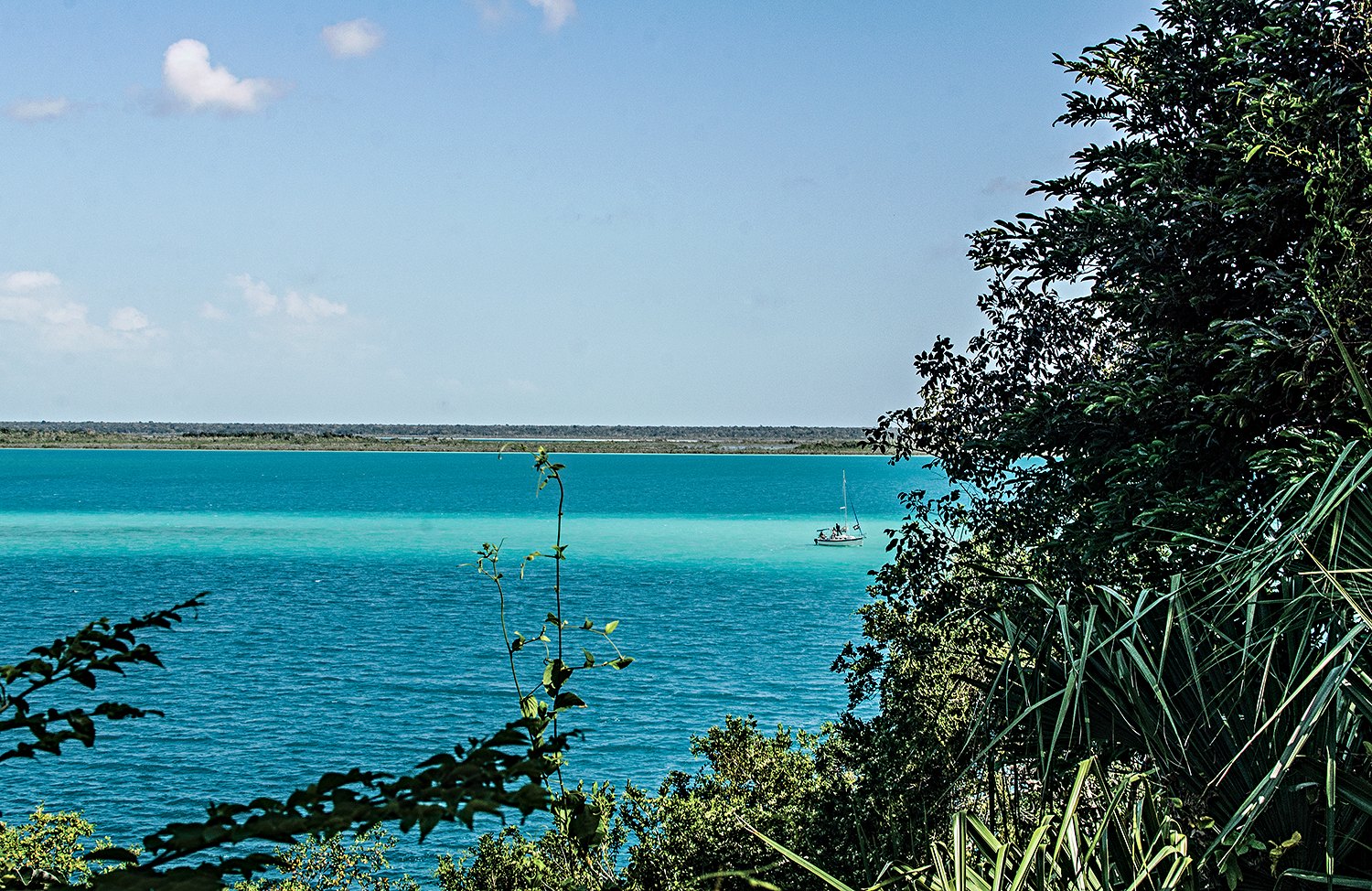
Follow the Pirates
Leaving from Hotel Laguna Bacalar, the Ruta de los Piratas is a good choice to tour the more than 92 miles of the Hondo river. Visit battle scenes and hear stories about the buccaneers who sailed these waters more than 250 years ago. Enter the river’s mouth and navigate its passageways lush with vegetation. If you are lucky, you will spot iguanas in the treetops. There are group and private tours, lasting six hours.
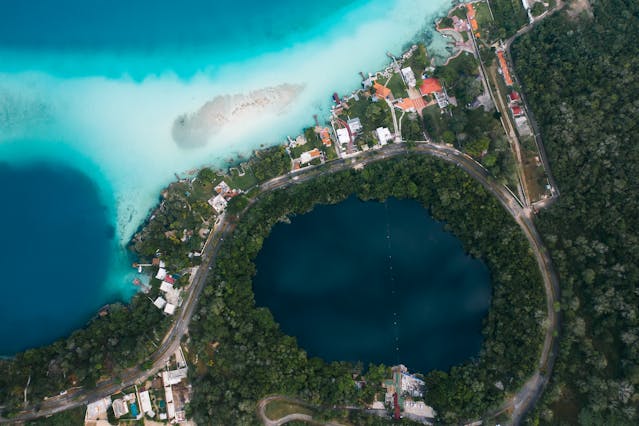
Photo: Mikhail Nilov
Scuba Dive in Underwater Caves
In midst of trees and brightly colored plants lies Cenote Azul, the perfect spot to swim, scuba dive through underwater caves, or snorkel. It is an open, lagoon-shaped cenote pool tucked into exuberant vegetation. Plunge into its mazes of roots, stones, and rock formations. There is a handicraft shop, restaurant, and lookout point at the entrance.
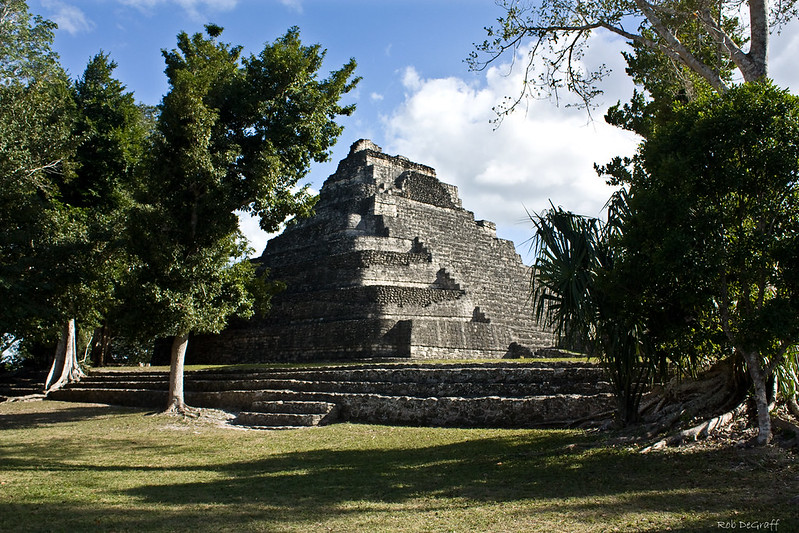
Photo: Rob DeGraff
Wander the Chacchoben Ruins
Chacchoben is located 23 miles away, and it consists of several ruins nestled in the rainforest. It is the region’s most significant settlement and is believed to originate around 200 B.C., although its golden age was centuries later. You can admire various structures, the most famous of which are Gran Basamento, Vías, and Grupo II. In addition to the archeological site, the vegetation is the other star. It includes sapote, white cedar, and mahogany trees.