

DESTINATION
Cholula
An Ancient Ceremonial City Built Around the World’s Largest Pyramid
Destination Vibes
Why to Visit
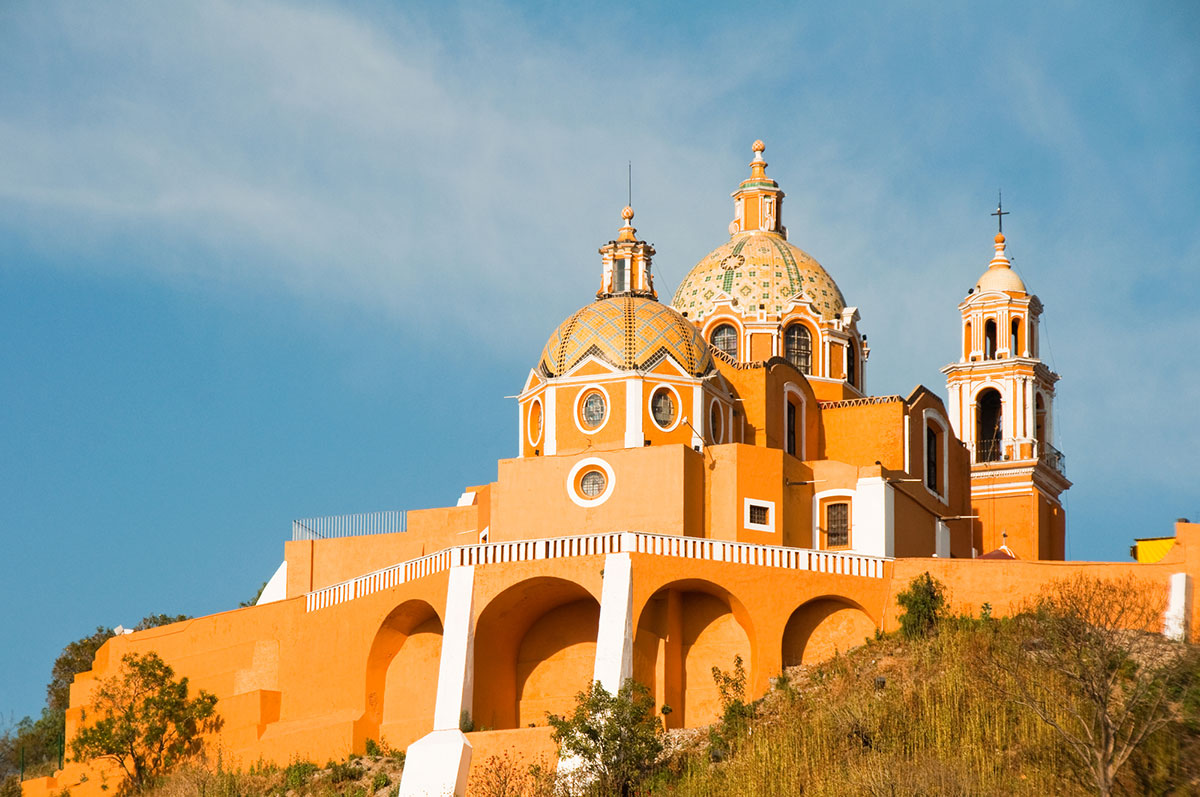
In Cholula, different eras coexist within the same landscape. Beneath a grass-covered hill lies the largest pyramid in the world by volume, while a yellow church stands at its summit facing the distant Popocatepetl volcano. Around it, quiet streets link colonial plazas, traditional markets, and terraces animated by the town’s university life. Walking through Cholula reveals layers of history—ancient temples, colonial bell towers, regional food traditions, and sunsets that illuminate the volcano and the surrounding valley.
HIGHLIGHTS
The Signature Experience
Don't Miss

Photo: Getty Images
Great Pyramid of Cholula
The largest pyramid in the world by volume. Its monumental base and layered construction reveal centuries of pre-Hispanic development.
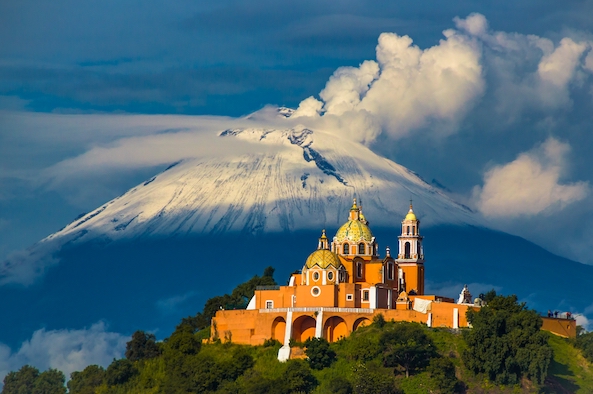
Photo: Sacred Land Film Project
Sanctuary of Our Lady of the Remedies
Es la iglesia más icónica de Cholula, construida sobre la Gran Pirámide, también conocida como Tlachihualtepetl; sus dos cúpulas bellamente decoradas y su construcción patrimonial de piedra la convierten en uno de los lugares de interés turístico más visitados. The most iconic church in Cholula, built atop the Great Pyramid. Its twin domes and historic stone structure make it one of the most visited landmarks in the region. From the exterior terrace, visitors can also observe the smoking silhouette of the Popocatepetl volcano.
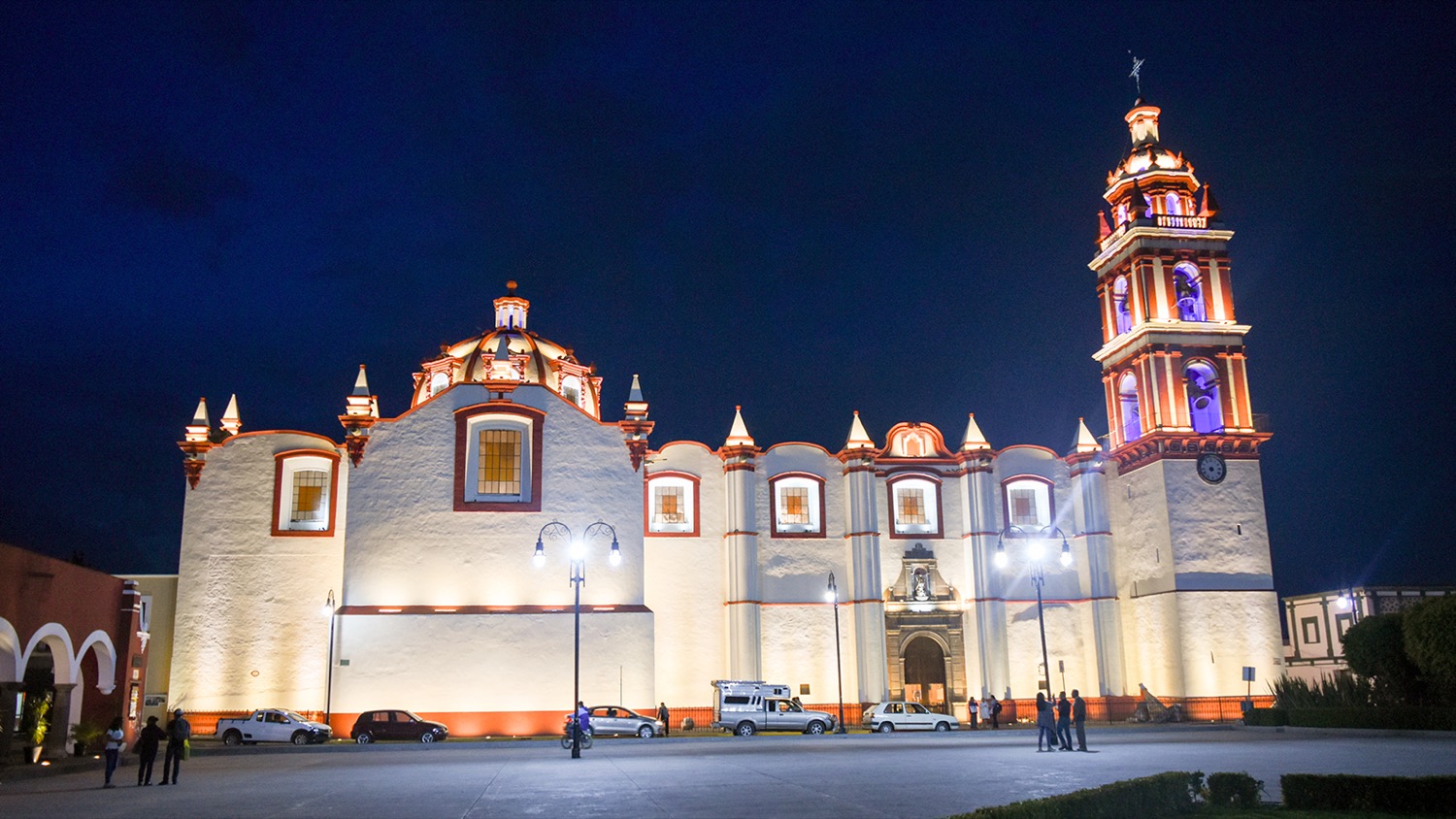
Photo: Arch Daily MX
Parish of San Pedro
The tower of this parish church is the tallest structure in Cholula and dominates the town’s skyline. Built in 1640, the church reflects early colonial architecture. Its dome includes decorative churrigueresque elements added later, and the interior contains paintings including one attributed to the colonial artist Cristobal de Villalpando depicting Saint Michael.
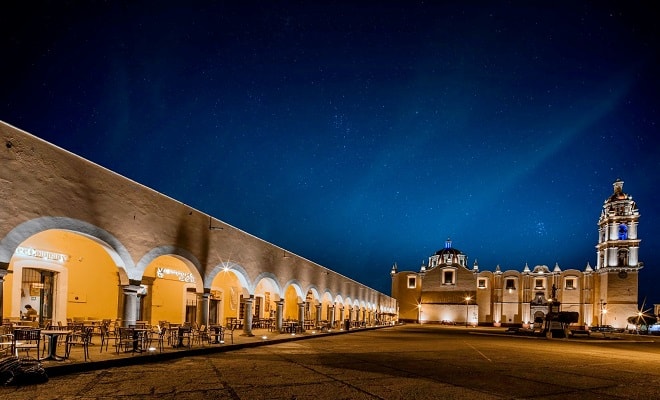
Photo: México Destinos
Portales Guerrero
Constructed by Indigenous builders around 1593, this structure originally served as shelter during local celebrations. It was remodeled in 1646 by the local magistrate Juan de Llano. Today it is considered one of the longest arcades in Hispanic America, with 46 stone arches forming a gallery approximately 170 meters long.
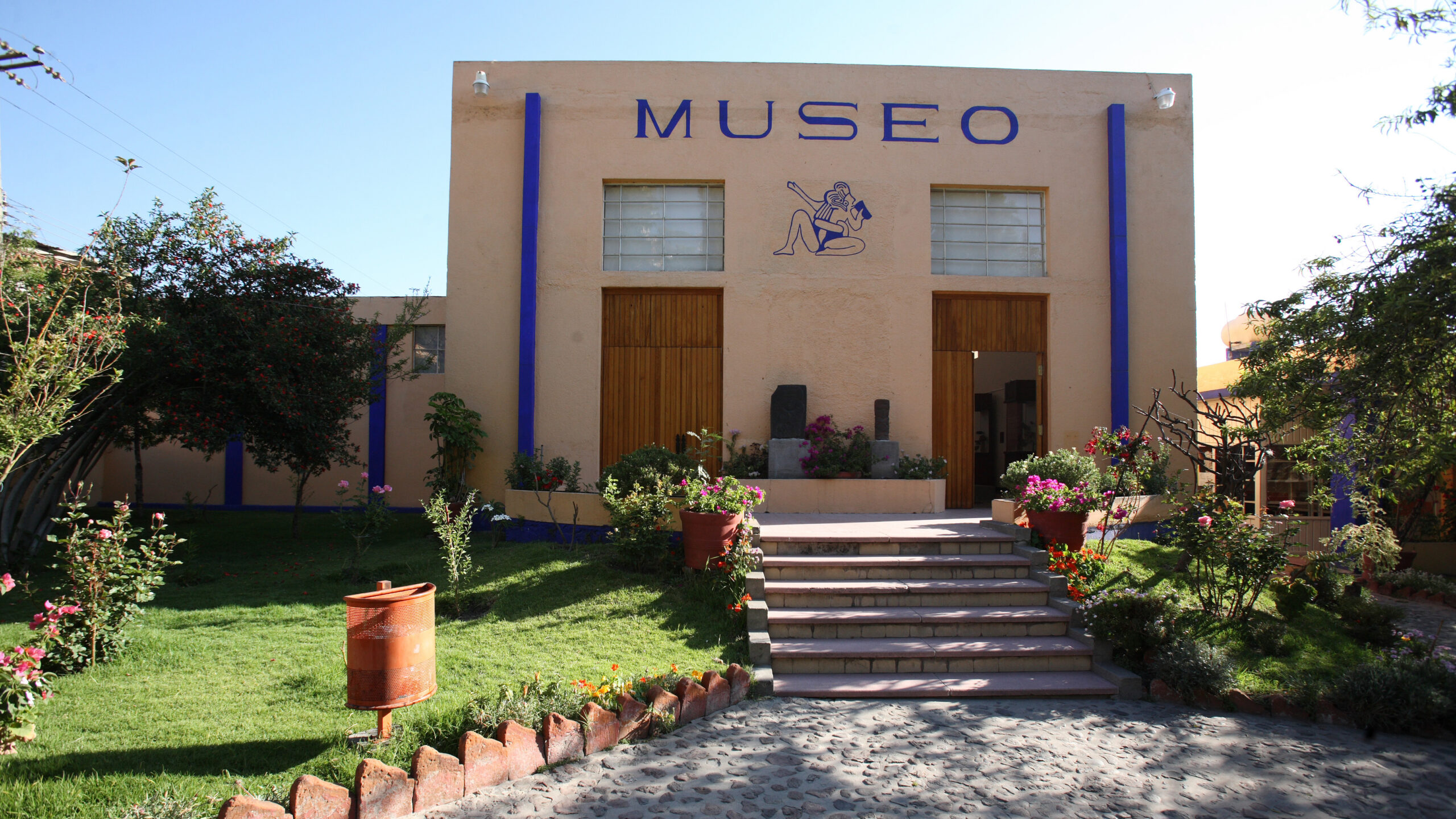
Cholula Site Museum
A museum that explains the history of the ancient ceremonial center and displays archaeological pieces discovered in the area.
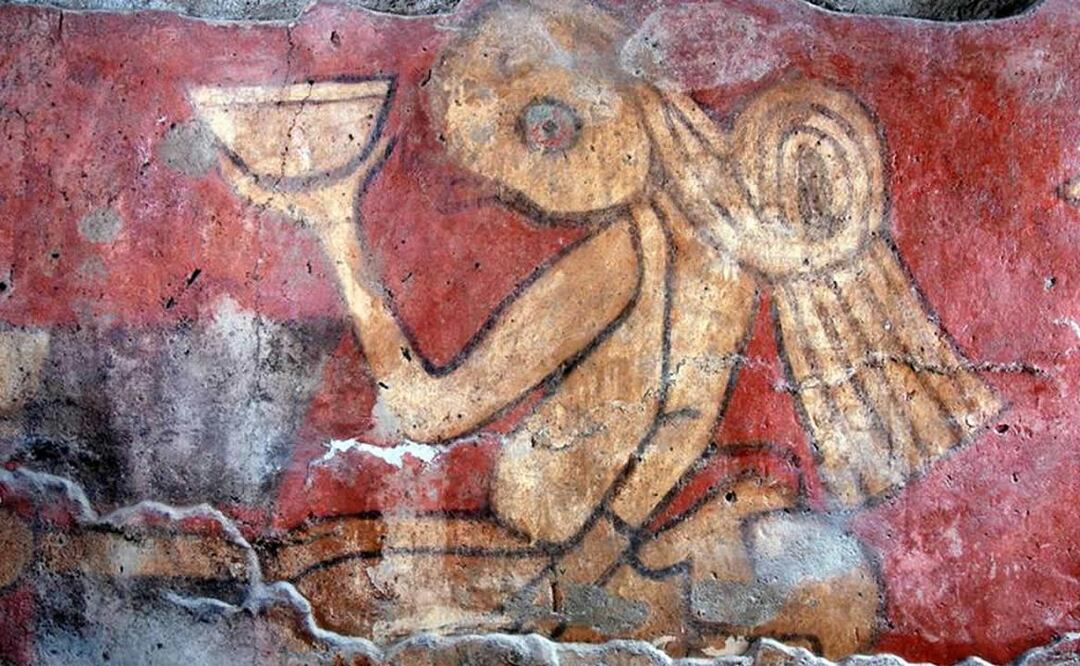
Photo: El Universal Puebla
Pre-Hispanic Murals of the Pyramid
Among the most notable are the mural of Los Bebedores and the mural of Los Chapulines, important examples of Mesoamerican painting.
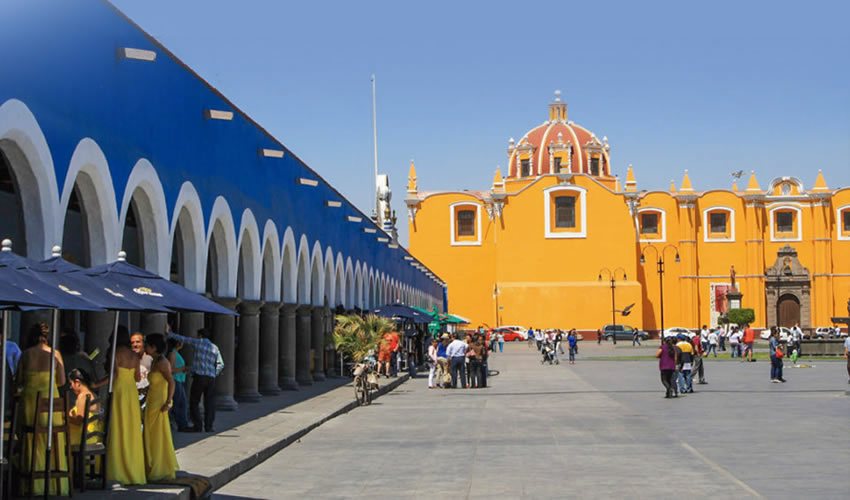
Photo: Visit Puebla City
Plazas of San Pedro and San Andres Cholula
Two historic districts with distinct identities where markets, churches, restaurants, and daily life converge.