

DESTINATION
Comala
A Whitewashed Town Shaped by Literature and Landscape
Destination Vibes
Why to Visit
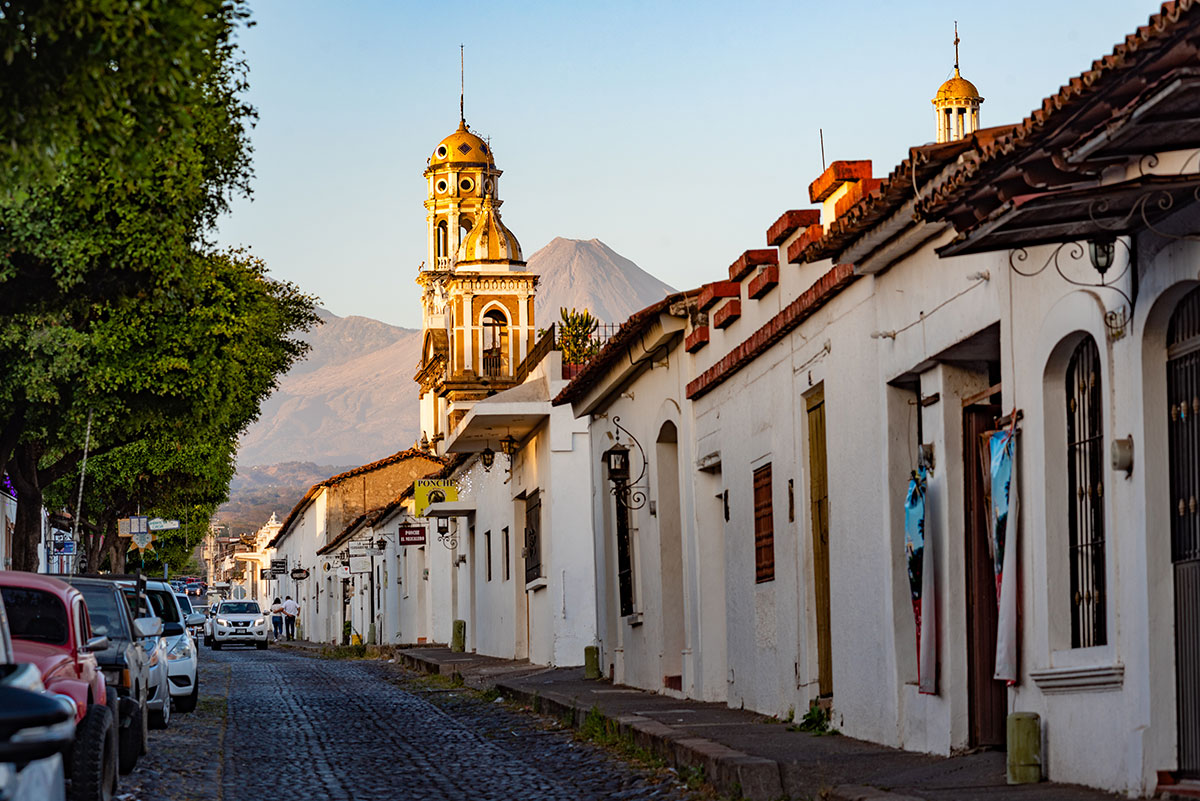
Comala offers a setting where architecture, landscape, and local traditions come together at a human scale. Its whitewashed streets and central plaza create a cohesive visual identity, while nearby coffee farms and volcanic terrain define the surrounding environment. The town’s cultural relevance—linked to literature, gastronomy, and craftsmanship—adds depth to the experience. Visiting Comala allows for a slower exploration of daily life, where food, craft, and place remain closely connected.
HIGHLIGHTS
The Signature Experience
Don't Miss

Explore the Volcan de Fuego
Rising to approximately 3,860 meters above sea level, the Volcan de Fuego is a dominant presence in the region. Its geological history dates back to the late Pleistocene, and it continues to shape both the landscape and local identity.

Main Square and Juan Rulfo Statue
The central plaza is surrounded by white buildings and cobblestone streets. A life-sized statue of Juan Rulfo sits on one of its benches, referencing the literary connection that brought global attention to the town.
Parish of San Miguel Arcangel
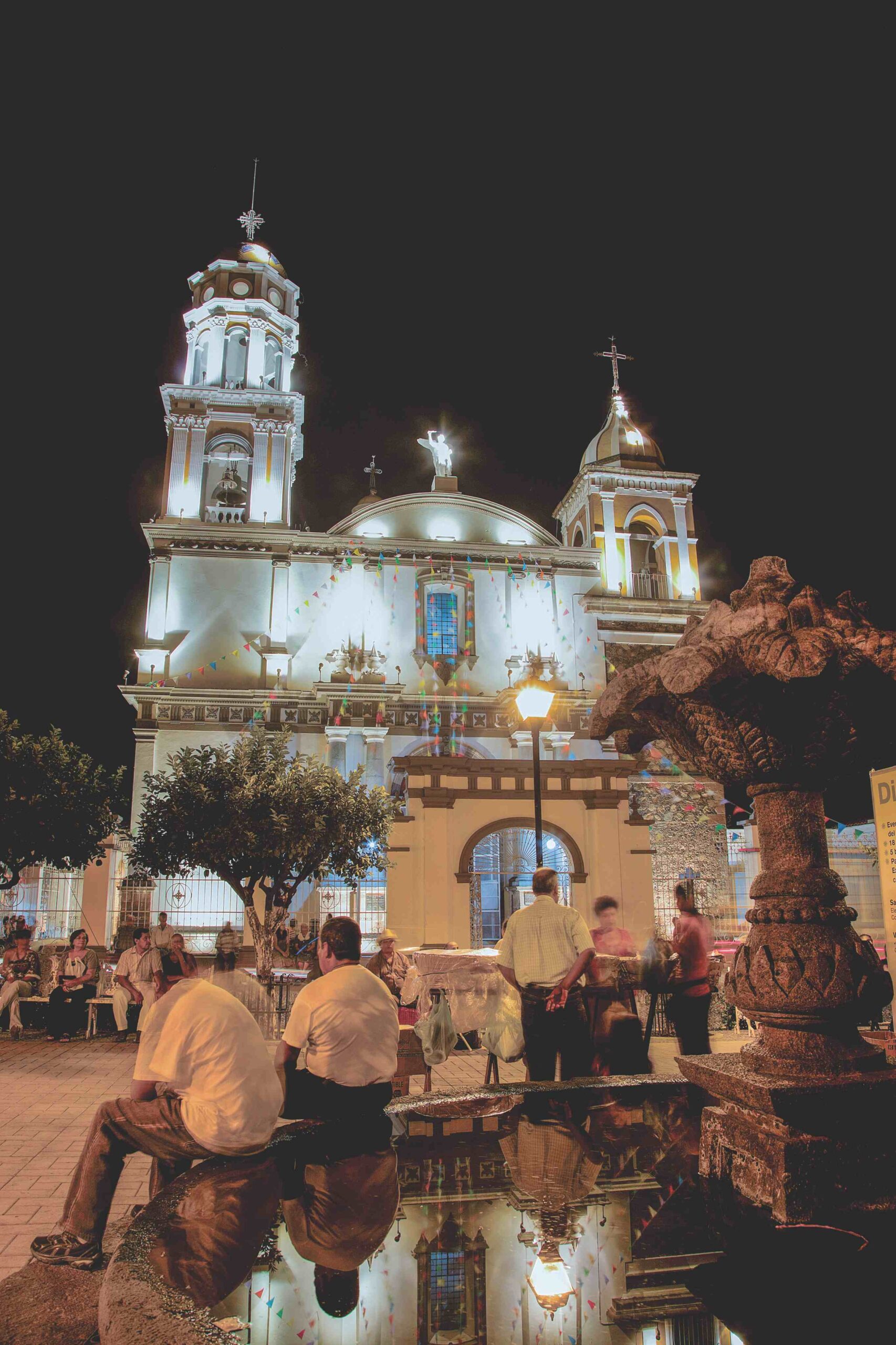
Built in 1884, this church reflects a neoclassical style shaped by later modifications. Architectural details include a carved stone arch and decorative elements on its upper façade.

La Maria and Carrizalillos Lagoons
These natural areas offer options for camping, cabin stays, and boat rentals. Both lagoons provide views toward the Volcan de Fuego and access to a quieter, forested environment.
El Terrero
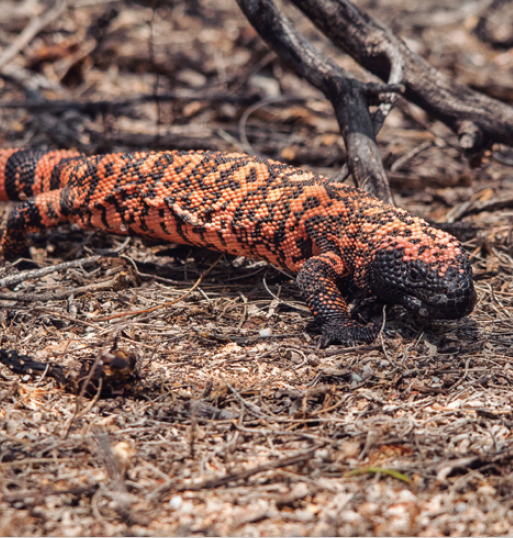
A nearby area known for hiking routes and views over the Minatitlan valley. The terrain includes caves and sinkholes, which can be explored with local guides.
Hacienda de San Antonio
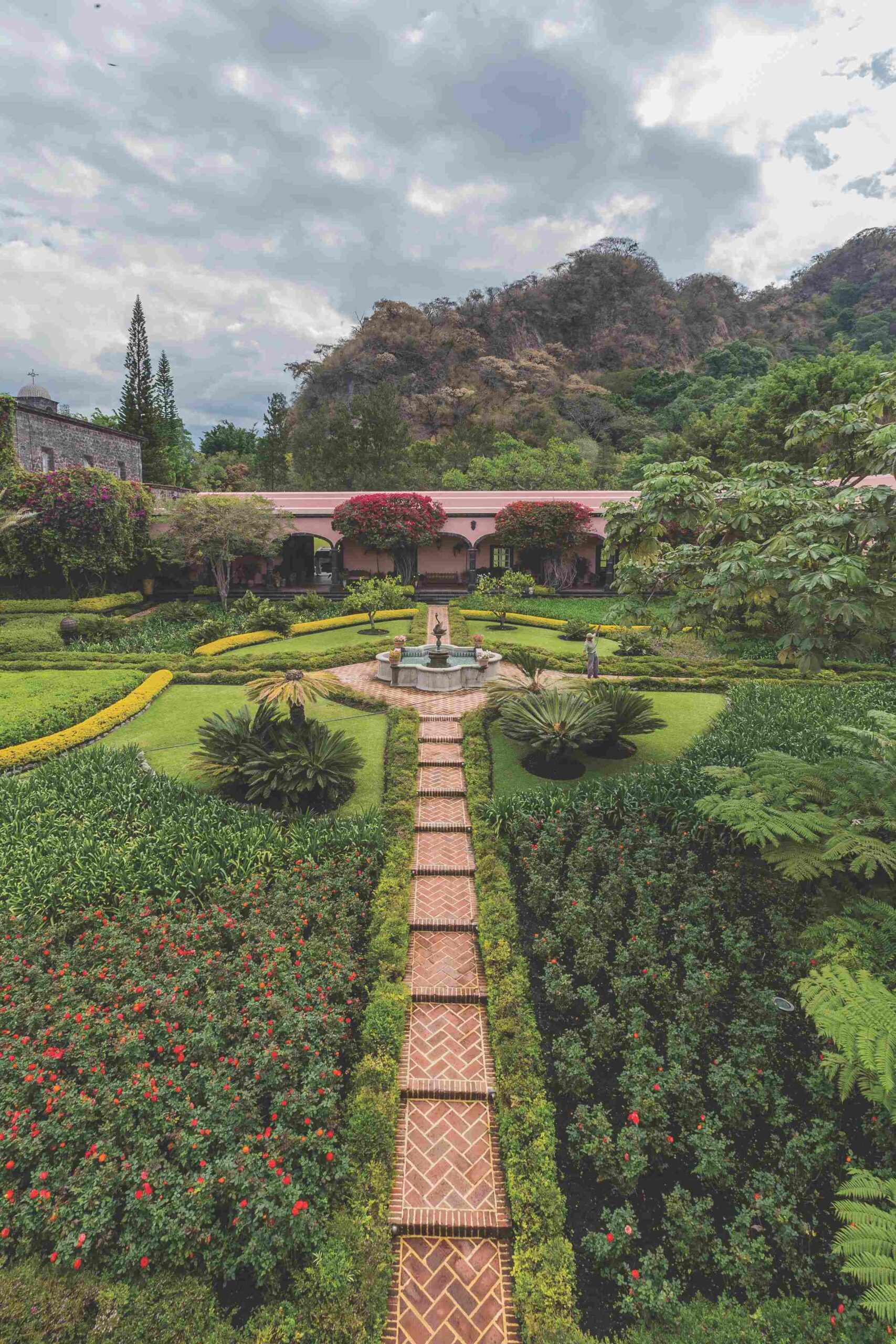
Originally a coffee-producing estate from the late 19th century, it now operates as an accommodation surrounded by extensive grounds. Activities include walking trails, horseback riding, birdwatching, and outdoor dining, all with views of the volcano.