


DESTINATION
Cuatro Cienegas
A Land Full of Blue Pools Where Life Began
Destination Vibes
Why to Visit
In northern Mexico’s desert landscape, Cuatro Cienegas presents an environment that appears unexpectedly rich in water and life. Bright blue natural pools, white gypsum dunes, and wetlands support ecosystems that have existed for millions of years. The valley reveals itself gradually across sandy roads and open desert horizons. Many species found here exist nowhere else on Earth, and the presence of ancient stromatolites—living formations linked to the earliest life on the planet—makes the area one of the most important natural laboratories in Mexico.
HIGHLIGHTS
The Signature Experience
Don't Miss
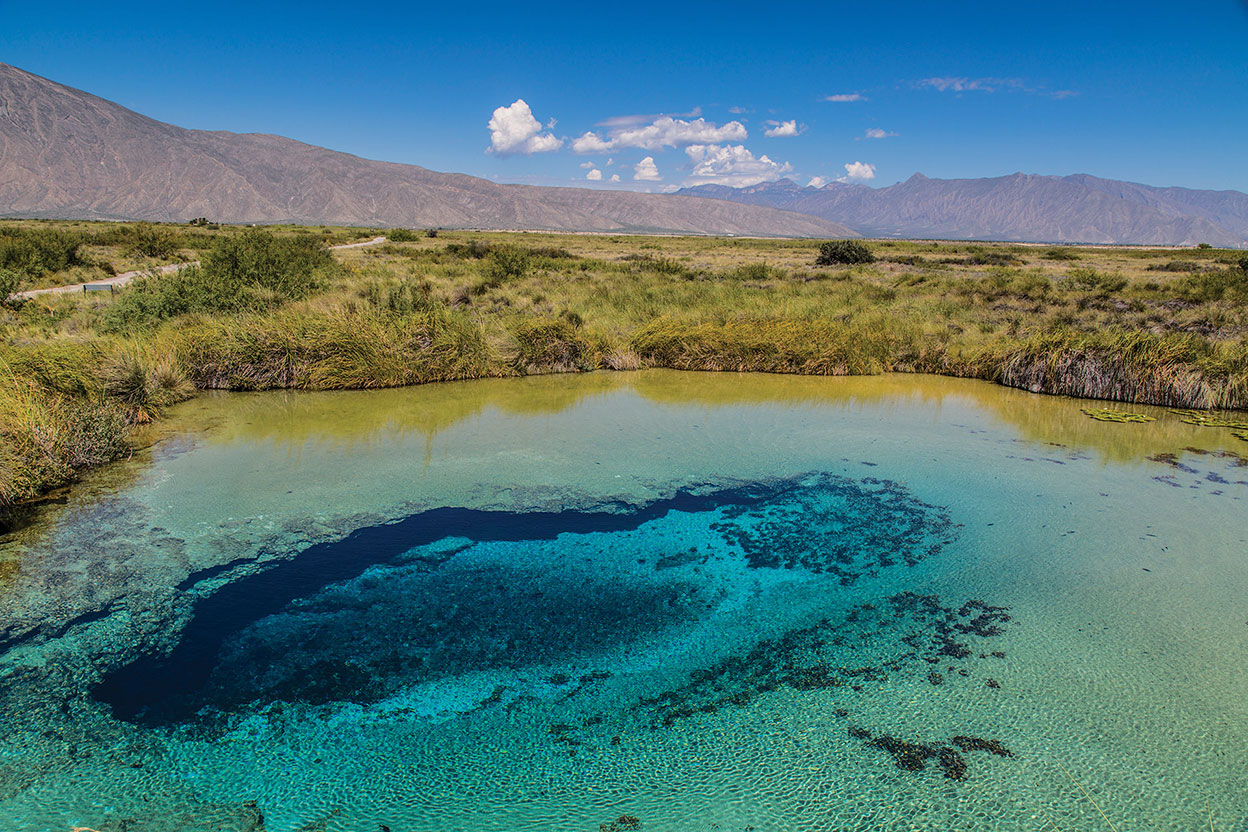
Photo: escapadas.mx
Poza Azul
One of the most well-known pools in the valley, Poza Azul is recognized for its deep turquoise color and exceptional water clarity.
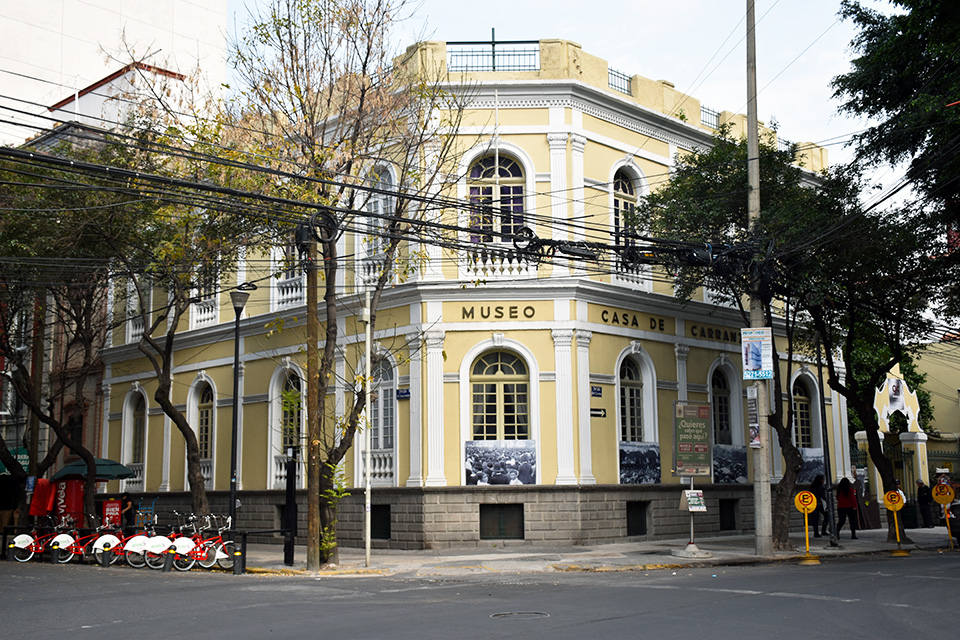
Photo: Museos de México
Venustiano Carranza Museum
Located just north of the municipal building, the Venustiano Carranza Museum occupies the house where the revolutionary leader was born and spent his childhood. The structure, built in 1820, is an example of nineteenth-century architecture typical of northern Mexico. The museum presents the life and political legacy of Carranza through photographs, documents, personal objects, and interactive exhibits. Visitors can also see a reconstruction of a traditional kitchen from the period.
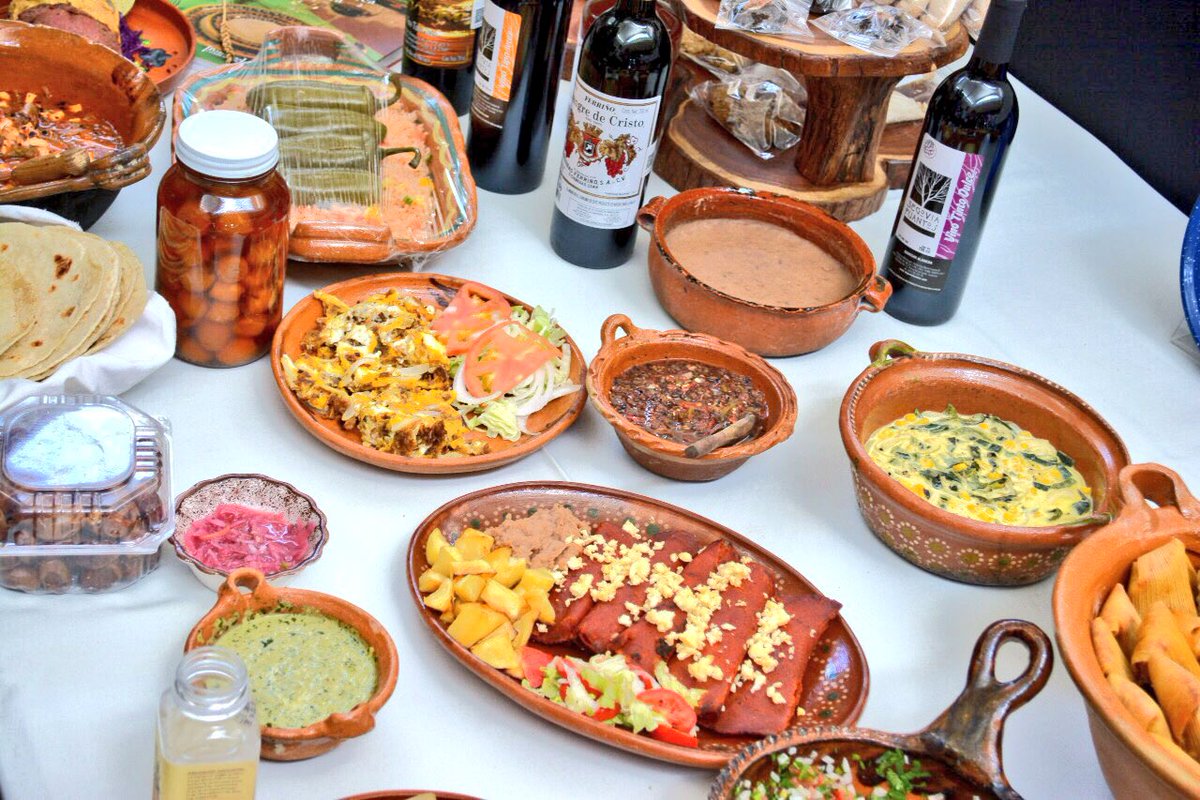
Photo: 4cienegas Mágico
Taste the Local Cuisine of Cuatro Cienegas
Despite the town’s small size, local cuisine reflects the culinary traditions of northern Mexico. Two traditional dishes are cortadillo, a beef stew prepared with chile and tomato sauce, and queso con chile, a simple but well-known combination of cheese and chile peppers. Other regional dishes commonly served in the area include soups such as mole de olla, beef broths, menudo, stuffed chiles, and gorditas. Local specialties also include chorizo, machacado (shredded dried beef often served with eggs), and flour tortilla tacos filled with grilled meat and cheese, sometimes known as tacos piratas. For dessert, visitors often find preserved pumpkin or biznaga cactus sweets, milk-and-walnut candies, and traditional pastries known locally as pan pobre. A meal in Cuatro Cienegas is often accompanied by the region’s fortified wines, continuing a winemaking tradition that has existed here for more than a century.

Swim in the Río Mezquites
Within the valley’s mountains lie underground rivers, springs, and wetlands that sustain the desert oasis. One of the most accessible sites is the Mezquites River, known for its clear blue water. Visitors can swim and snorkel to observe fish and aquatic life, or rent a kayak to explore the river while surrounded by desert landscapes. Camping is also possible in parts of the region, allowing travelers to experience the valley at night when the desert becomes quiet except for the wind.

The Gypsum Dunes
The Gypsum Dunes form one of the most unusual landscapes in northern Mexico. Covering roughly 800 hectares, these white dunes create a striking desert environment shaped by erosion. Similar white gypsum dune systems exist in only a few places around the world, including regions of New Mexico, Texas, and Tunisia. Millions of years ago this region formed part of the ancient Tethys Sea. As the sea gradually disappeared, mineral-rich lagoons remained. Over time the water evaporated, leaving deposits of gypsum that eventually formed the dunes seen today. The dunes consist mainly of calcium sulfate, which gives the sand its bright color and soft texture. Walking through the dunes reveals a landscape of ridges and valleys where small animals such as rabbits and lizards survive in this reflective desert environment.

Explore the Valley by Bicycle
Mountain biking offers one of the most immersive ways to explore Cuatro Cienegas. Trails cross wetlands, hidden pools, and open desert terrain where the horizon stretches uninterrupted. Cycling through these environments reveals the scale of the valley and allows travelers to reach remote locations where water and desert ecosystems exist side by side.
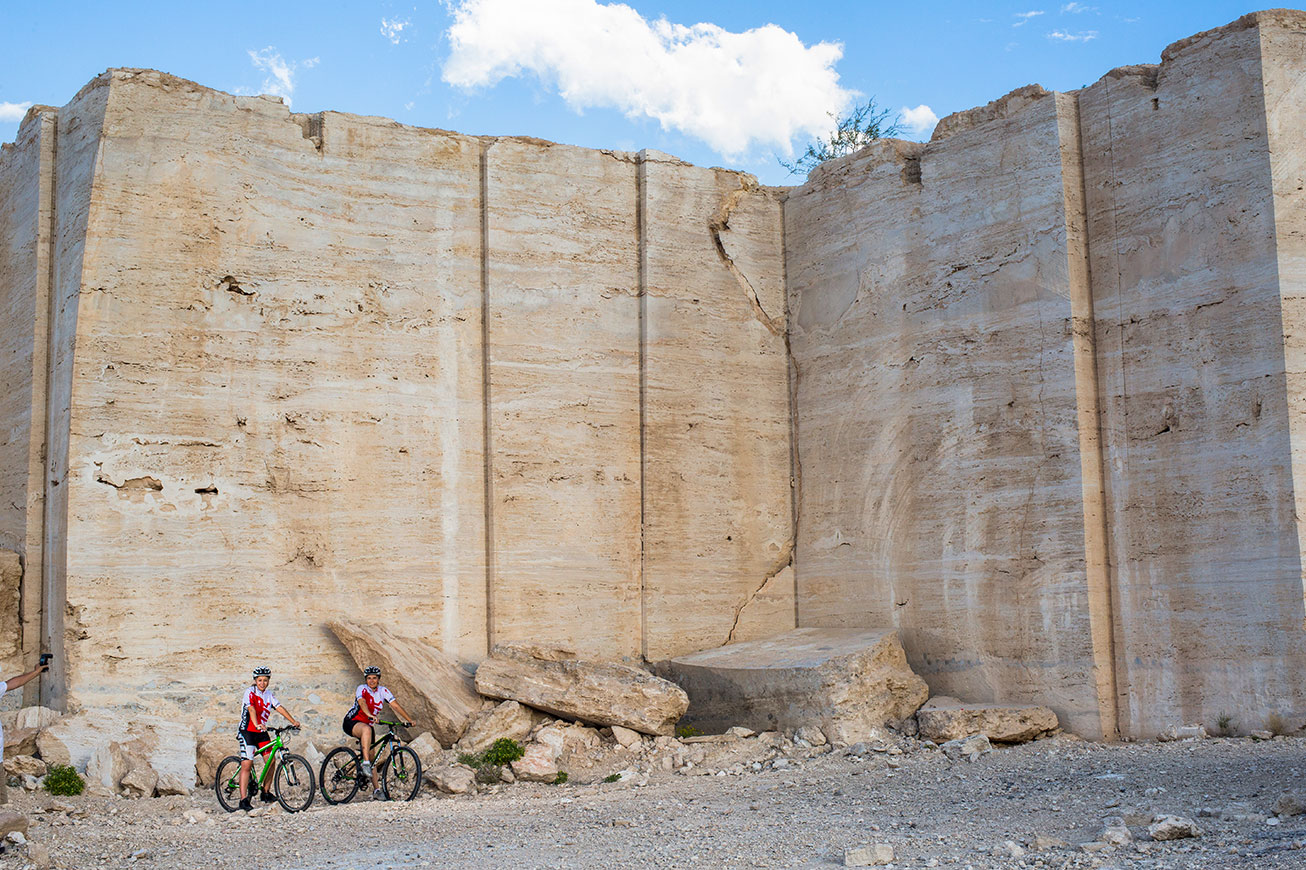
Marble Mines
The Marble Mines are a space reminiscent of the remains of a Greek city. It is an abandoned quarry that is impressive for the straight cuts of its imposing blocks of travertine, a type of rock similar to marble. This material was extracted from this quarry for many years, but since the 90s this activity was stopped to preserve the natural resources of the region. After climbing to its summit, the Mines will offer you spectacular panoramic views of the surrounding mountains.