Durango (City)
DESTINATION

Durango (City)

A Colonial City Where History, Cinema, and the Sierra Meet

Why to Visit?

Durango offers a clear view into the history of northern Mexico. Walking through the city reveals plazas, stone buildings, and museums that reflect its colonial past and its role in national history. At the same time, Durango has developed a contemporary cultural identity expressed through its theaters, festivals, and regional cuisine. Its open landscapes and historic streets have also made it one of Mexico’s most recognizable film locations, giving the city a unique connection to the cinematic traditions of the American West.

In northern Mexico, where desert landscapes meet the mountains of the Sierra Madre Occidental, lies the city of Durango, the capital of the state of the same name. Founded in 1563 by the Basque explorer Francisco de Ibarra, the city developed as an important center along the Camino Real de Tierra Adentro, the colonial trade route that connected northern mining regions with central Mexico.

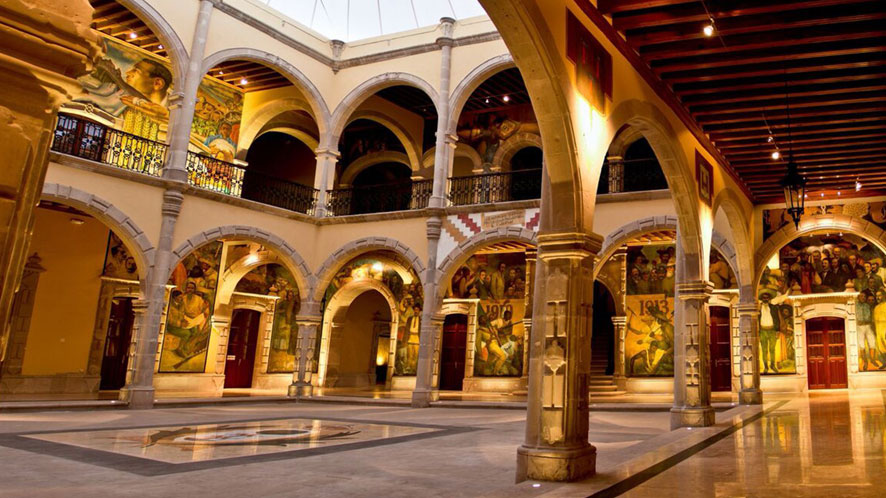
This strategic position helped Durango prosper during the colonial period. That legacy remains visible today in the layout of its historic center and in the architectural harmony of its streets. The city’s center is considered one of the most notable historic districts in northern Mexico, with buildings constructed from pink stone, quiet plazas, and churches that reflect centuries of urban development.

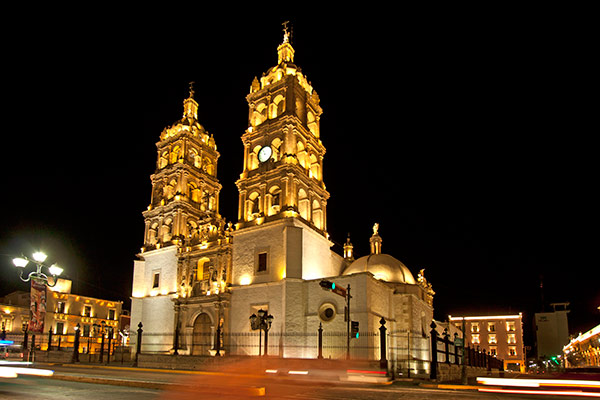
At the heart of the historic center stands the Durango Cathedral Basilica. Its baroque façade dominates the skyline and serves as one of the city’s most recognizable landmarks. The cathedral has witnessed more than four centuries of political, social, and cultural change.

During the twentieth century, Durango also gained international recognition as a film location. Its deserts, open plains, and preserved architecture attracted filmmakers looking to recreate scenes of the American frontier. As a result, the region became known as “the land of cinema,” with numerous western films and television productions shot in its surroundings.

Cultural life remains active throughout the city. Museums, galleries, theaters, and annual festivals support a vibrant artistic scene that continues to shape the identity of the historic center. Local cuisine also reflects the traditions of northern Mexico. One of the most representative dishes is caldillo duranguense, a comforting stew prepared with dried beef and chiles that reflects the region’s climate and culinary heritage.

Just beyond the city, the Sierra Madre Occidental opens a different landscape of forests, viewpoints, and mountain routes. These nearby environments add a natural dimension to the experience of Durango, showing how urban history and surrounding landscapes remain closely connected.

The Signature Experience

Momentours