

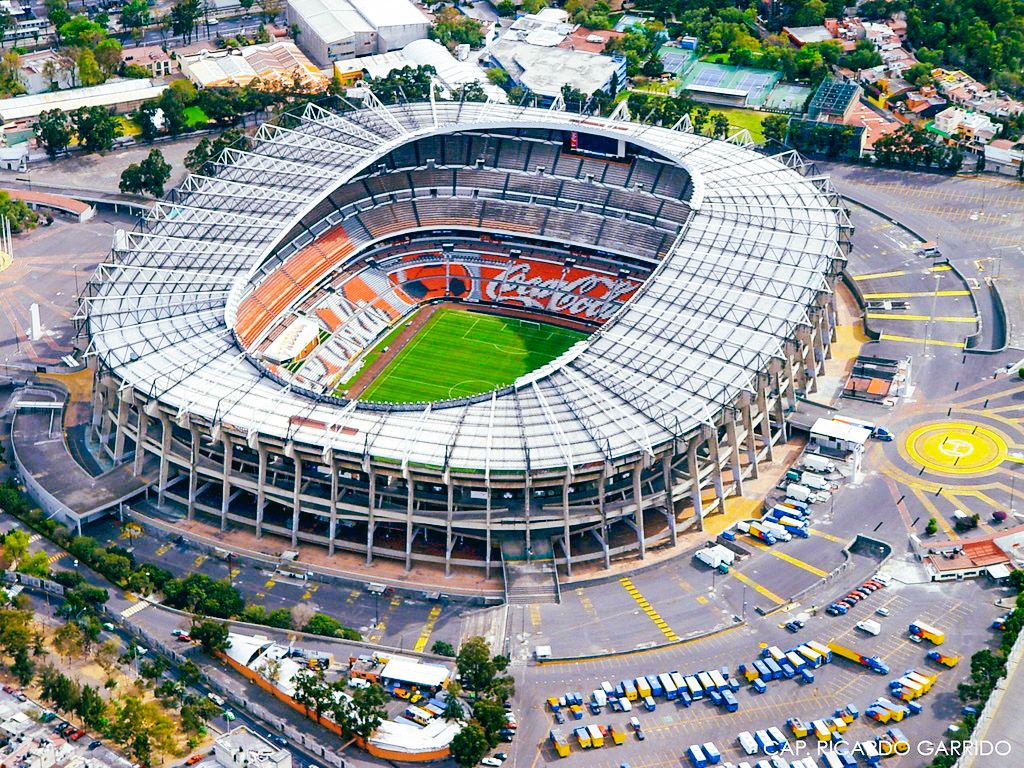
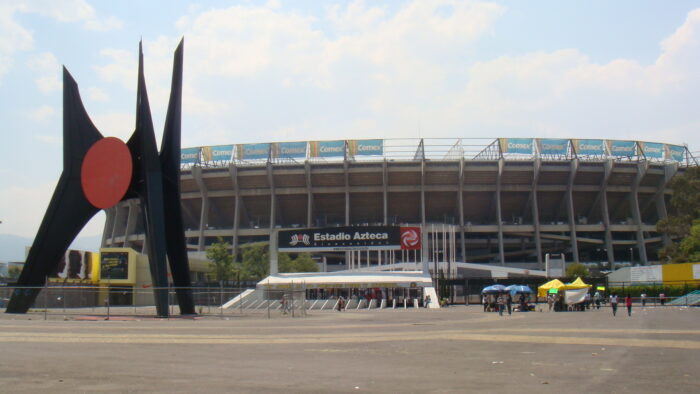
Estadio Azteca: A Historic Landmark of World Football
Experience the legend of the only stadium to host three World Cups and discover the birthplace of football’s greatest moment
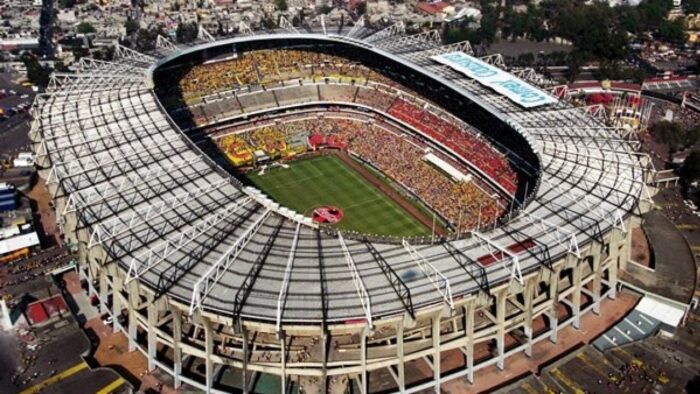
As the home of Mexican football, this stadium has brought together millions of fans over the decades. In 2026, it celebrates its 60th anniversary in style, becoming the first venue ever to host a FIFA World Cup for the third time.
Beyond football, it is a pillar of Latin American culture. It’s the place that popularized “The Wave” (La Ola), sharing it with the world during Mexico ’86. While it is the official home of the Mexican National Team, its legacy extends far beyond the pitch, having hosted legendary performances by icons like Michael Jackson, U2, and Paul McCartney.
The “Colossus of Santa Úrsula” will be the heart of a World Cup that champions inclusivity, standing firm against discrimination, racism, and xenophobia to ensure every fan feels at home.
Did you know?
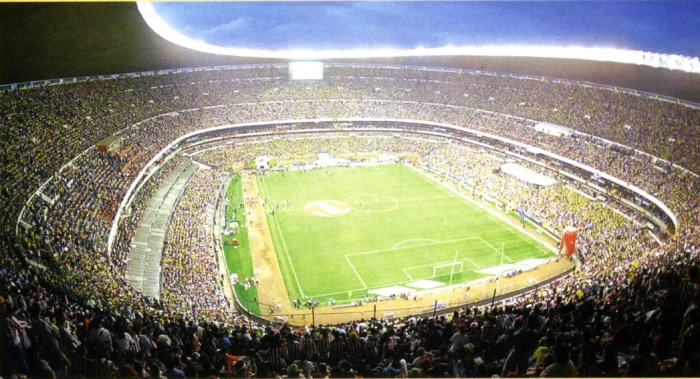
Constructing this giant required 100,000 tons of concrete, 180,000 tons of blasted rock, 8,000 tons of high-resistance steel, and 1,200 tons of structural steel. At its peak (1985–1998), it held up to 114,000 spectators. For the current World Cup, it will welcome 90,000 fans across its stands, luxury boxes, and VIP zones.
Timeline
- 1962 – 1966: Construction phase. Led by Guillermo Cañedo and Emilio Azcárraga Milmo (owner of Club América), the project aimed to turn Mexico into a global football powerhouse.
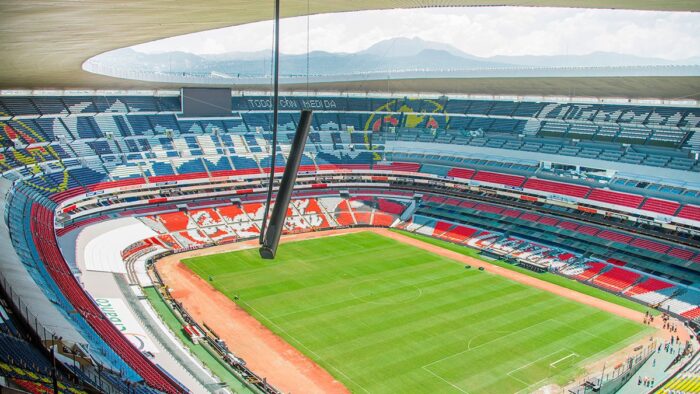
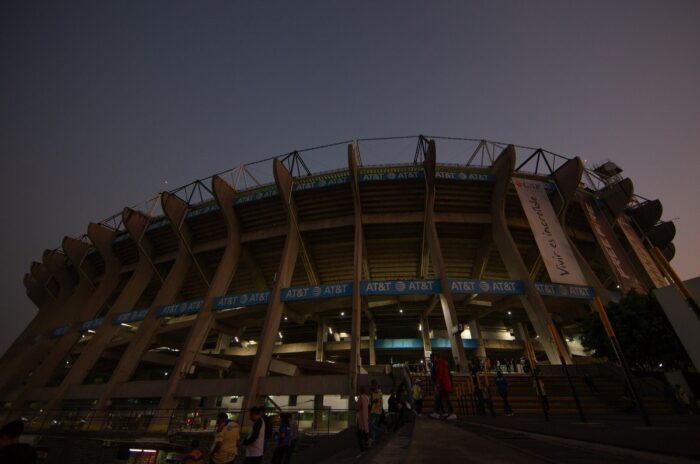
- 1964: FIFA officially names Mexico the 1970 World Cup host. The stadium’s groundbreaking cantilevered roof, designed by Pedro Ramírez Vázquez and Rafael Mijares to protect fans from sun and rain, was a deciding factor.
- 1966: Opening day (May 29). 110,000 fans witness a 2-2 draw between Mexico and Italy.
- 1968: The Olympic Football Tournament. The bronze medal match between Mexico and Japan sets an Olympic record with 105,000 spectators.
- 1970: The World Cup arrives. Pelé bids farewell to the tournament by lifting his third and final trophy.
- 1971: The II Women’s World Cup takes place here; Mexico defeats Argentina 3-1 in the opener.
- 1975: Pan American Games. A bizarre 1-1 final between Mexico and Brazil ends with both teams sharing the gold medal after a stadium power failure prevented extra time.
- 1983: “The Night the Azteca Sang”—the pop group Menudo performs for 105,000 screaming fans.
- 1986: The Year of Maradona. In the quarterfinals against England, he scores two of the most famous goals in history: the “Hand of God” and the “Goal of the Century.” 115,000 people watch him lift the trophy after defeating West Germany.
- 1993: Michael Jackson brings the “Dangerous World Tour” to Mexico, shattering records with over half a million attendees across five shows.
- 2008: FIFA fans vote the Azteca the Most Emblematic Stadium in the World, surpassing Maracanã and Wembley.
- 2011: Mexico wins the U-17 World Cup at home, beating Uruguay 2-0 before nearly 99,000 fans.
Fun Fact: The Azteca is the only venue in the world to have hosted six different official FIFA finals, spanning from the Olympics to the U-17 World Cup.
The Opening Whistle
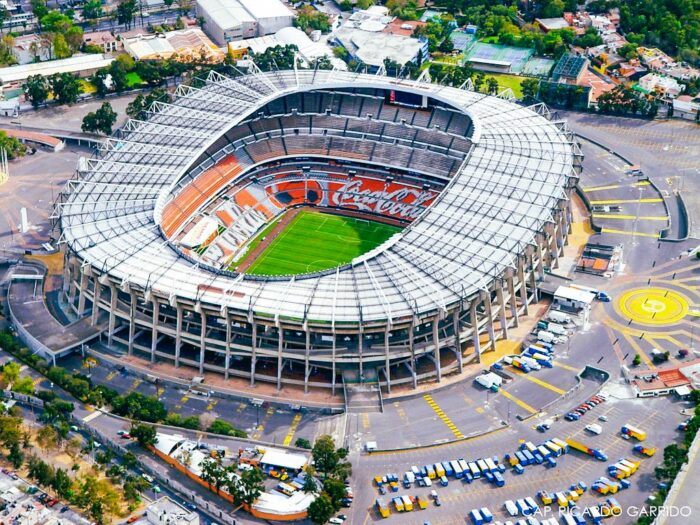
For the 2026 FIFA World Cup, the venue will be officially known as Estadio Ciudad de México (Mexico City Stadium). Following a two-year renovation, the stadium is ready for the future.
What’s new for players and fans?
- FIFA-Grade Pitch: A hybrid grass system blending natural and synthetic fibers.
- Pro Facilities: Dressing rooms and tunnels redesigned to elite FIFA standards.
- Enhanced View: A refreshed iconic roof and 2,200 m² of LED screens inside and out.
- Safety & Tech: 200+ high-tech cameras and 100% digital, cashless payment systems.
Community Integration: A newly built market connecting to the “Ajolote” Light Rail and Huipulco CETRAM, ensuring local vendors remain part of the tournament’s economic heartbea
Match Schedule: The Azteca Five
June 11
Opening Match (Mexico vs. TBD)
June 11, 17, & 24
Group Stage Matches
June 30
Round of 32
July 5
Round of 16
For the Football Fan
Mexico City is going all out with community events. Check out these highlights:
- World Records: On March 1, 2026, the city aims to host the World’s Largest Football Lesson. On May 31, a 16km “Human Wave” will stretch from the Zócalo to the stadium.
- Fan Festivals: Each of the 19 boroughs (alcaldías) will host free screenings and cultural festivals. The motto? “Peace: Our Most Important Match.”
- Trophy Tour: The 18-karat gold original trophy will tour the city from February to June 2026. This may be your last chance to see the current design before FIFA debuts a new version for the tournament’s centenary.
“Chilango” Pro-Tips (Local Secrets)
- Tickets: Only buy through official FIFA channels.
- Payments: It’s a digital-first event, but keep a little cash (pesos) in a secure, hidden pocket.
- ID: Always carry a valid ID or passport.
- Weather: It’s summer in CDMX—it will be hot during the day and will likely rain in the evening. Bring sunblock and a poncho!
- Transit: Avoid driving. Use the new electric buses or the Light Rail.
Beyond the Pitch: Iconic Venues
- Olympic Stadium (UNAM): A 1952 masterpiece featuring a mural by Diego Rivera.
- Francisco Márquez Aquatic Center: Home of the 1968 Olympic swimming events.
- Alfredo Harp Helú Stadium: A modern architectural marvel dedicated to the “King of Sports”—Baseball.
- Palacio de los Deportes: Known for its stunning copper geodesic dome by Félix Candela.
GNP Stadium (formerly Foro Sol): The heart of the F1 Mexican Grand Prix and the city’s premier concert venue.
Transit Info
- Massive Bike Parking: Located at the Huipulco CETRAM, this facility holds 165 bicycles. It connects seamlessly to the new Tenochtitlán Cycleway on Calzada de Tlalpan and the new Trolleybus route heading to the Metro Line 3 Universidad station.
- Huipulco CETRAM: Offers direct connections to electric buses and alternative routes from Mexico City International Airport (AICM) and major bus terminals.
- Public Transit: Multiple routes including the “Ruta Silvestre de los Pedregales” Trolleybus, the Huipulco, Universidad, and Taxqueña hubs, and the “El Ajolote” light rail.
- For Pedestrians: Enhanced connectivity via the Acoxpa pedestrian bridge and upgraded lighting.
- The Surroundings: Green Floating Pedestrian Bridge (Calzada Verde), Tlalpan underpass improvements, and ambient lighting.
- For Cyclists: Dedicated bike paths and secure routes.