

Highlight
Calakmul: The Kingdom of the Mountain and the Jaguar
An Encounter With Mayan Supremacy in the Heart of Mexico’s Largest Tropical Reserve
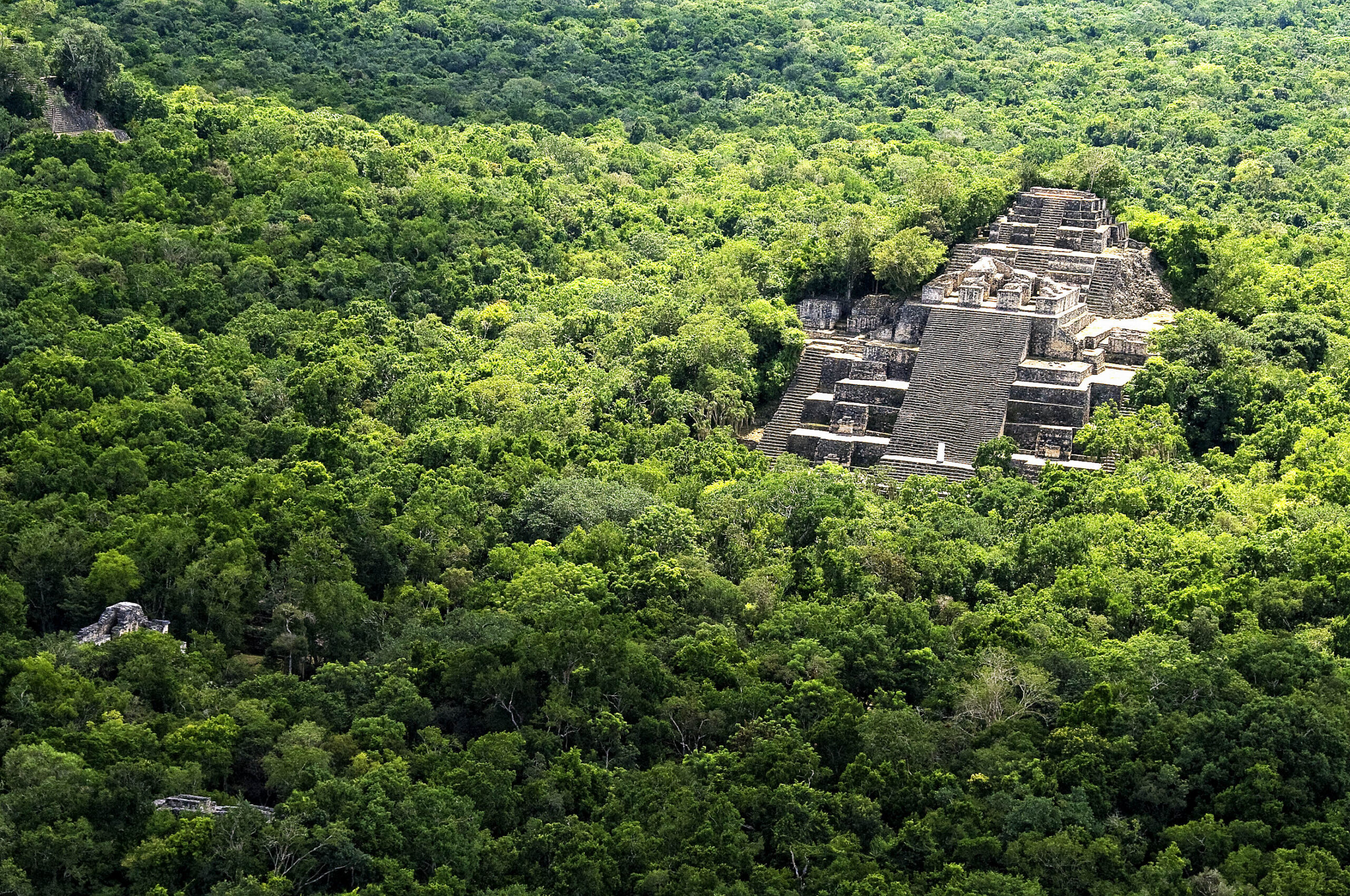
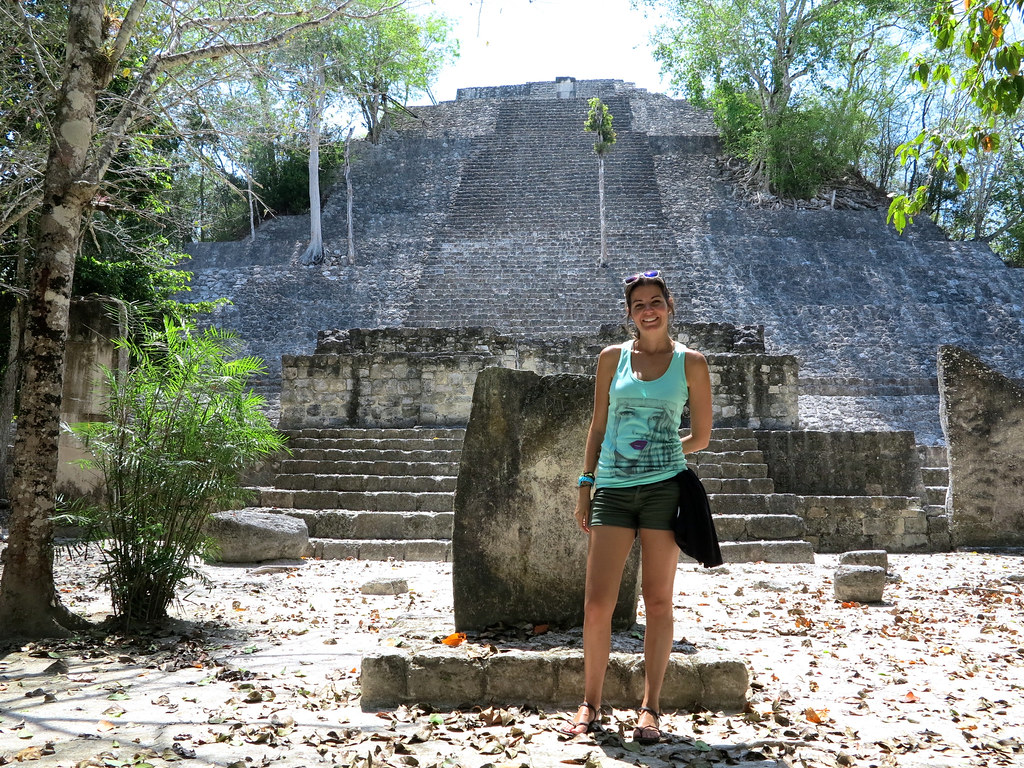
You walk beneath the shadow of millennial Ceiba trees as the sound of dry leaves beneath your feet competes with the distant echo of a jaguar that seems to watch from the thicket. In Calakmul, the sense of isolation is not loneliness; it is a privilege. Standing before Great Structure II, one of the most massive pyramids of the ancient world, you realize you are not visiting a museum, but intruding upon a space where nature and the political power of the Kaan dynasty merged forever. It is a moment of absolute humility before the scale of a civilization that managed to master the jungle without destroying it.
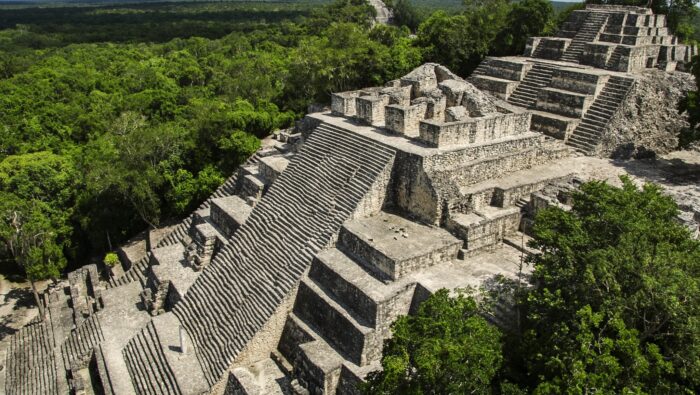
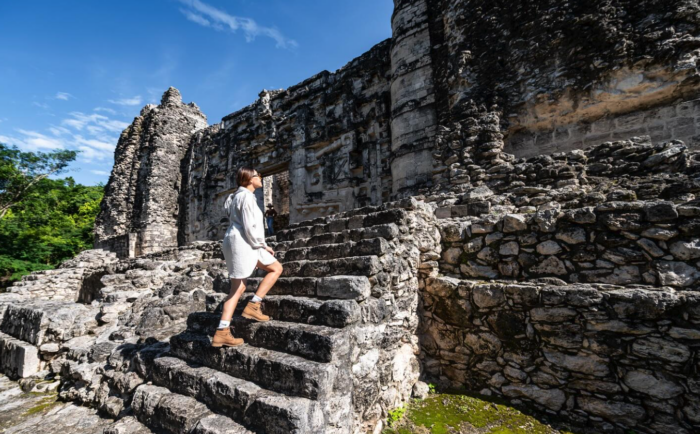
The experience of Calakmul begins with the long drive through the biosphere’s internal road, where digital disconnection serves as the perfect preamble for your ancestral encounter. Upon arrival, you won’t find the crowds of other sites; here, silence is the protagonist. As you climb the steep steps of Structure II, your senses sharpen: the air grows cooler, and the scent of resin and damp earth accompanies you to the top.
Once at the summit, over 150 feet high, the reward is one of the most spectacular views in the Americas: a 360-degree horizon where you see only pristine jungle, interrupted only by the crests of other pyramids emerging like stone islands in a green ocean. It is the perfect place to contemplate immensity and understand Mayan cosmogony, where heaven and earth touch. The true magic happens as you descend and observe the carved stelae narrating wars and lineages; you feel that the Snake Kingdom still breathes among the tree roots and the flight of toucans crossing the sky.
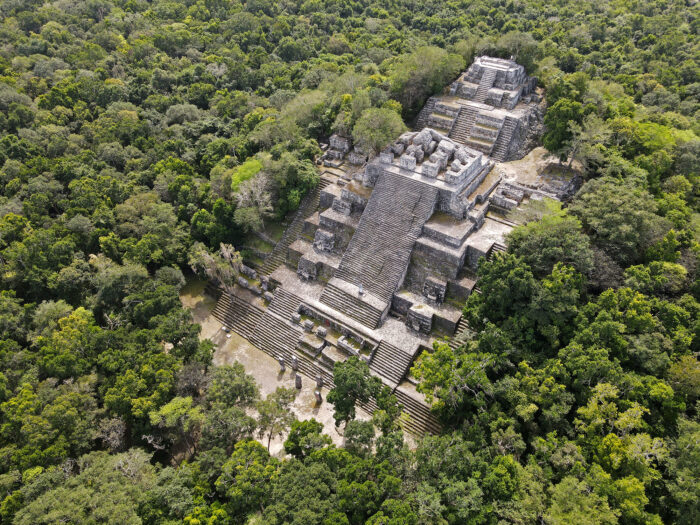
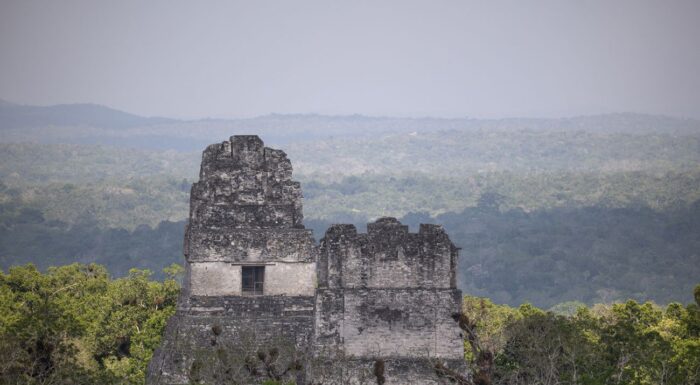
You should know that Calakmul is a dual UNESCO World Heritage site: recognized for both its cultural value and its natural wealth. It was the capital of the largest regional state in the Mayan lowlands, known as the “Kingdom of the Snake Head.” During the Classic period, Calakmul was the arch-rival of Tikal, maintaining a network of alliances that shaped the peninsula’s destiny for centuries. Its more than 6,000 structures and the density of its historical stelae make it the most important stone library of the Mayan civilization.
Its importance also lies in its surroundings. The Calakmul Biosphere Reserve is the second-largest lung of the Americas after the Amazon. As you walk its trails, you traverse a vital biological corridor that shelters Mexico’s five feline species and a biodiversity that has remained unchanged for millennia. This site is not just a collection of ruins; it is a model of how a megacity could thrive in balance with one of the planet’s most demanding ecosystems, leaving you with a lesson in sustainability etched into every relief.
Trip X-Ray
Ideal Duration
Dedicate a full day (at least 6 hours at the site) due to the distance from major cities and the length of the hiking trails.
Traveler Tips
The entrance to the reserve is far from the archaeological site (about 37 miles deep into the jungle); ensure you have enough fuel, water, and snacks, as there are no services within the core zone. Wear long sleeves for insect protection and shoes with good traction.
Special Recommendations
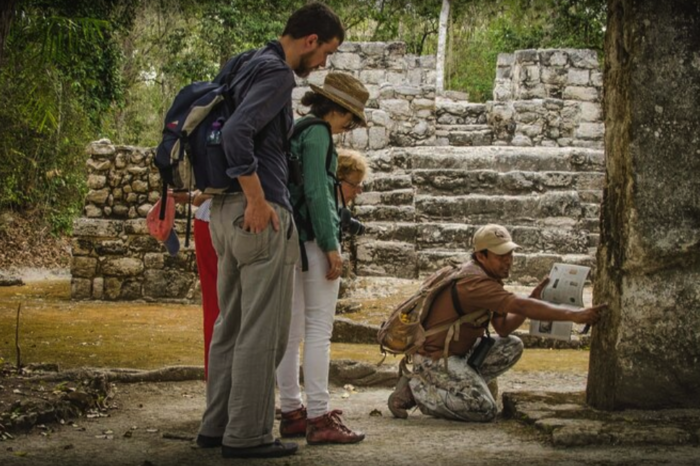
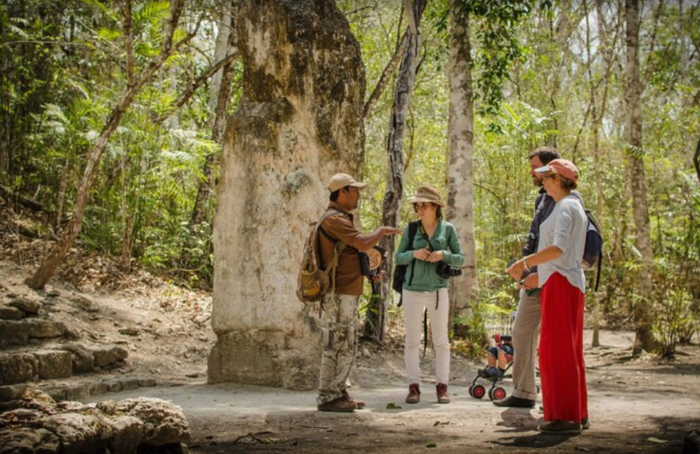
Hire a certified local guide; their knowledge of the flora, fauna, and epigraphy of the stelae will transform your visit into a deep expedition of discovery that you couldn't achieve on your own.
Insider's Perspective
If you are looking for the region’s best-kept secret, plan your return to coincide with sunset at the Bat Volcano (Volcán de los Murciélagos). Near the reserve entrance, there is a cave from which millions of bats emerge in unison to feed, creating a black whirlwind that roars into the sky. It is a natural spectacle that locals know well and will give you the most dramatic and authentic closure to your day in the jungle.
This expedition to the Snake Kingdom is a return to origins, an opportunity to measure your place in the world against the majesty of stone and the vigor of the jungle. We invite you to let yourself be enveloped by the mysticism of this hidden empire and discover that, in Calakmul, history is not read in books—it is felt on the skin under the Campeche sun.