

Highlight
El Tajín: The City of the Thunder God
A Journey Through the Sacred Architecture of Niches and Totonac Mysticism
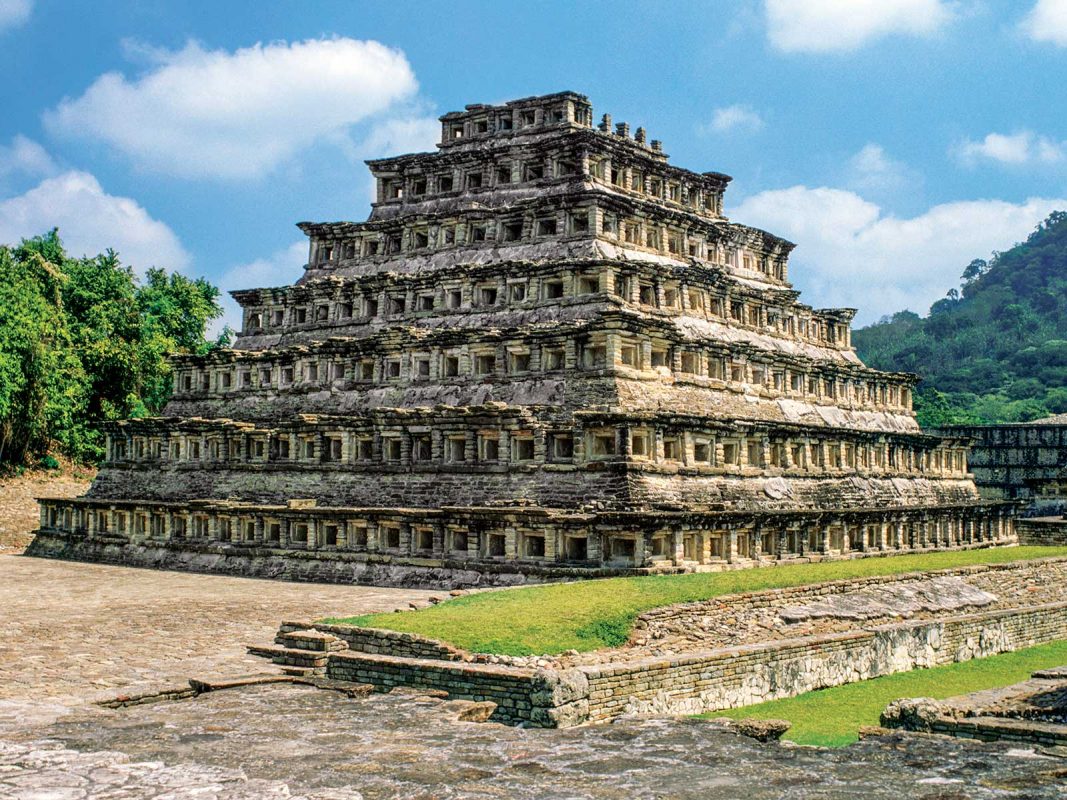
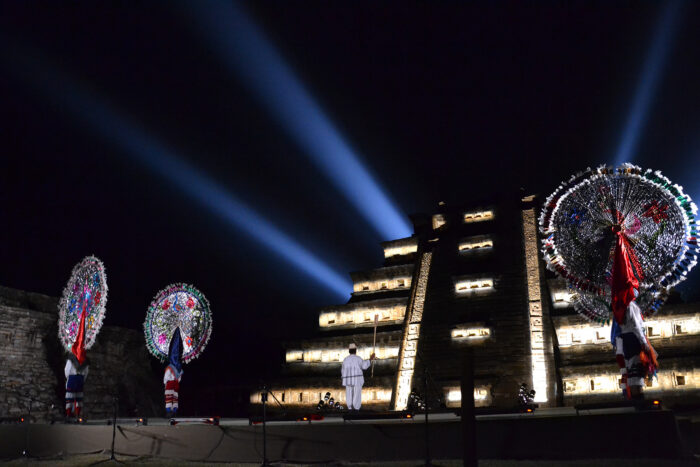
The tropical humidity blends with the hypnotic sound of the flute and drum, announcing that the ritual is about to begin. As you look up toward the Pyramid of the Niches, you feel that each of its openings is an eye watching the passing of centuries. In El Tajín, architecture is not static; it is a stone calendar vibrating with the energy of lightning. Standing in this Veracruz valley, surrounded by structures that look like stone lace, is to understand that the ancient Totonacs did not just build edifices—they trapped the rhythm of the universe in the heart of the jungle.
Experiencing El Tajín means surrendering to a play of light and shadow. Your journey begins by walking through the Plaza del Arroyo, where the scale of the structures surrounds you with serene majesty. Standing before the Pyramid of the Niches, you will notice how its 365 cavities create a unique visual effect with the sun’s movement, reminding you of this culture’s obsession with astronomical precision. You will feel the humidity of the surroundings and the scent of vanilla that often floats in the air, coming from the nearby plantations of Papantla.
The true magic happens when you witness the Ritual Ceremony of the Voladores. Seeing four men launch themselves into the void from a 30-meter pole, tied only by ropes, as they gently spin imitating the descent of birds, is a breath-taking experience. It is not a tourist show; it is a prayer in motion for the earth’s fertility. It is a journey that balances admiration for urban design—with its 17 ball courts—and a spiritual connection with a living tradition that continues to honor the Thunder God.
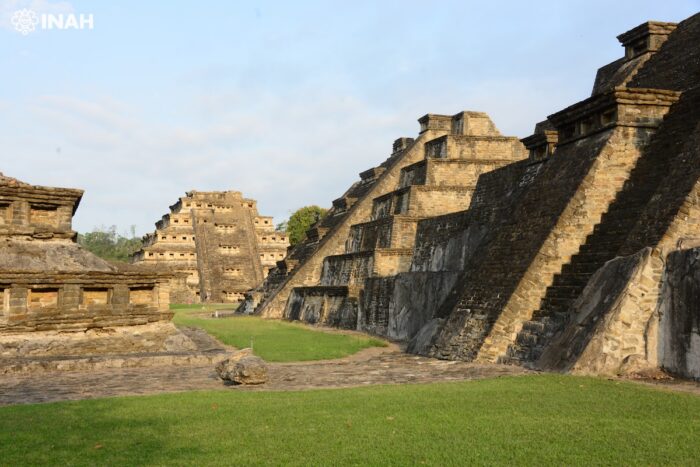
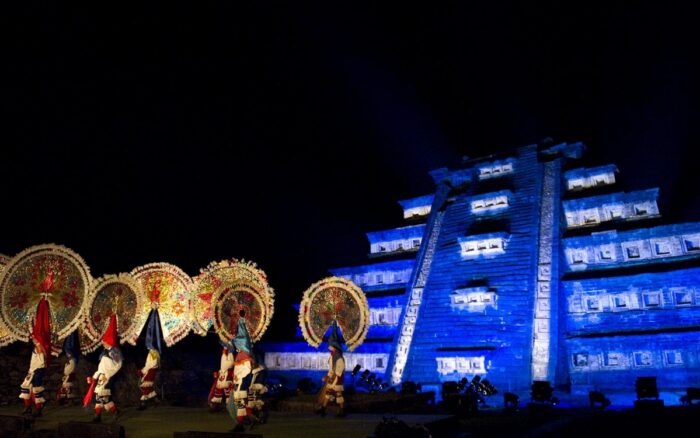
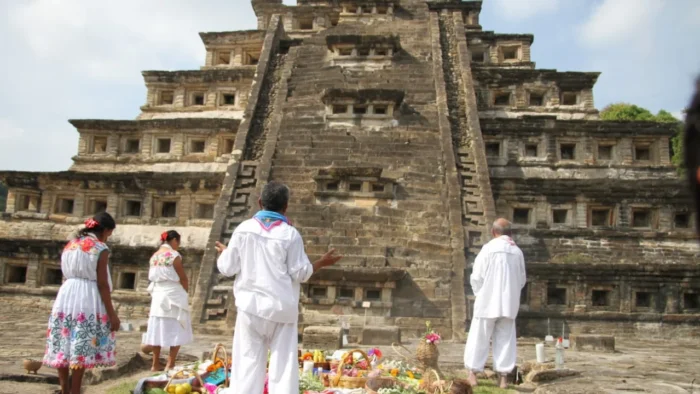

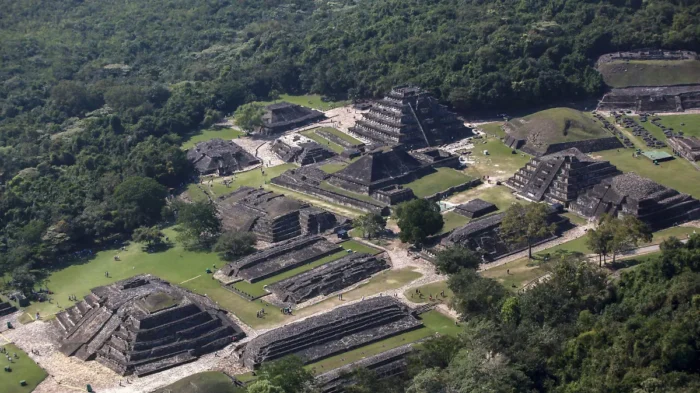
El Tajín is a UNESCO World Heritage site and was the most important city in northeastern Mesoamerica after the fall of Teotihuacán. Its architecture is distinguished by the use of niches, reliefs, and cornices found in no other archaeological region. The site was a cosmopolitan center where trade and religious rituals, particularly the Ball Game, defined daily life. The city reached its splendor between 800 and 1150 AD.
The importance of this heritage lies in its indestructible bond with the current Totonac people. El Tajín is not an abandoned “ruin” but the spiritual center of a culture that maintains its language, its white cotton attire, and its worldview. By visiting the nearby Indigenous Arts Center, you support the preservation of weaving techniques, traditional medicine, and the training of new flyers. It is a legacy of wisdom that invites you to see heritage not as something from the past, but as a deep root that continues to nourish the identity of Veracruz.
Trip X-Ray
Ideal Duration
Dedicate at least 4 hours to explore the archaeological zone and the site museum. If you include the Magic Town of Papantla, plan for a full day.
Traveler Tips
The heat in this area is intense and the humidity high. Wear light-colored cotton clothing, a hat, and plenty of water. Arrive at 9:00 AM to enjoy the site with softer light and fewer crowds.
Special Recommendations
Do not leave without buying natural vanilla in Papantla; it is considered the best in the world, and its aroma will remind you of your trip to El Tajín every time you use it at home.
Insider's Perspective
If you are looking for an authentic corner, visit the area during the spring equinox to witness the Cumbre Tajín festival. Although it is very crowded, it is the moment when the archaeological zone fills with workshops, music, and traditional “limpias” (healings) performed by Totonac elders. Another insider secret is to seek out the small traditional food restaurants on the outskirts of the site to try mojacas or tamales de pedazo; these are homemade flavors that connect you with the local diet of the Totonacapan region.

This expedition to the city of niches is an invitation to decipher the messages that time left engraved in stone. It allows you to discover that thunder is not just a natural phenomenon, but the cry of a history that refuses to be forgotten. We wait for you under the Veracruz sky to prove that, in El Tajín, every step is an encounter with eternity.