

DESTINATION
Magdalena de Kino
History, Faith, and Tradition in the Sonoran Desert
Destination Vibes
Why to Visit
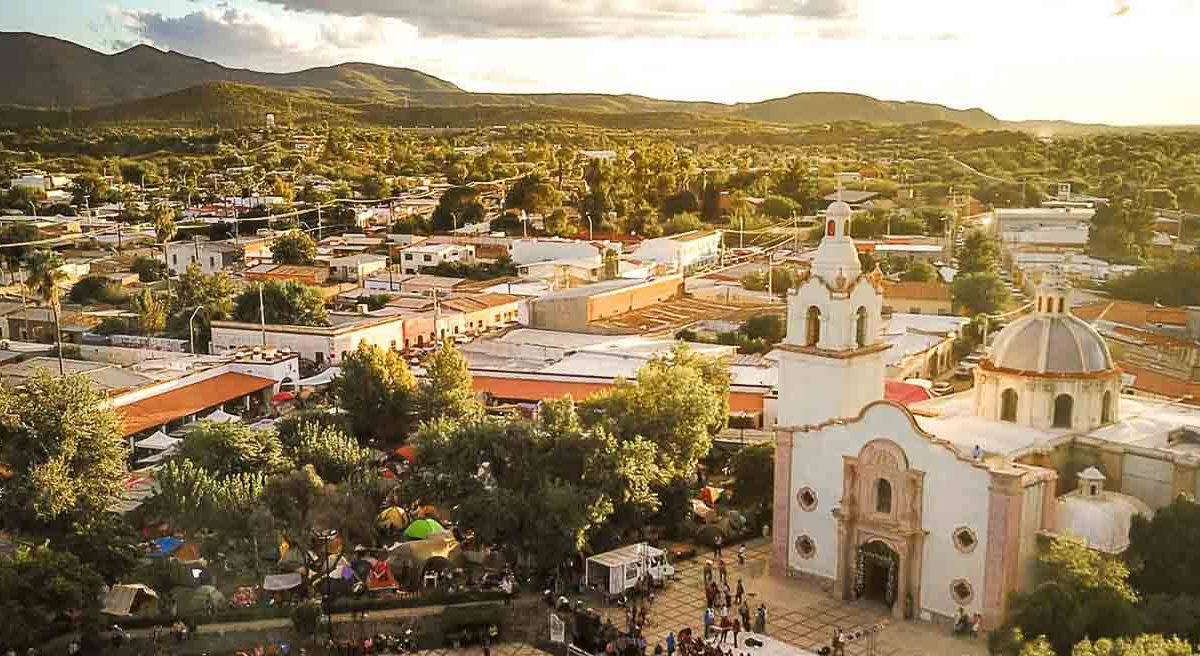
An air of mysticism still surrounds this town that was founded by Father Kino in 1687. Its streets, gardens, and plazas bear witness to its history. It is not just a stopover on the way to the neighboring country, it is one of the most visited sites for the faithful who come from across borders—and it also draws people from the Yaqui, Mayo, and Tohono O’dham indigenous peoples.
HIGHLIGHTS
The Signature Experience
Don't Miss
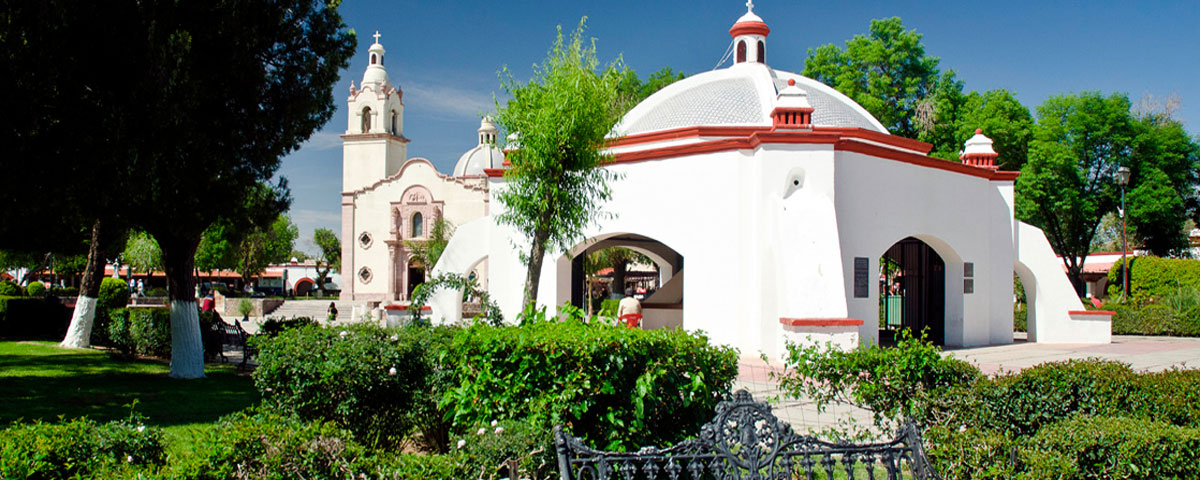
Photo: México Desconocido
Father Kino Mausoleum
In the 1970s, the remains of Jesuit missionary Eusebio Francisco Kino were found close to the town square, so a mausoleum was erected here. It also has a mural depicting his religious work in the state of Sonora.
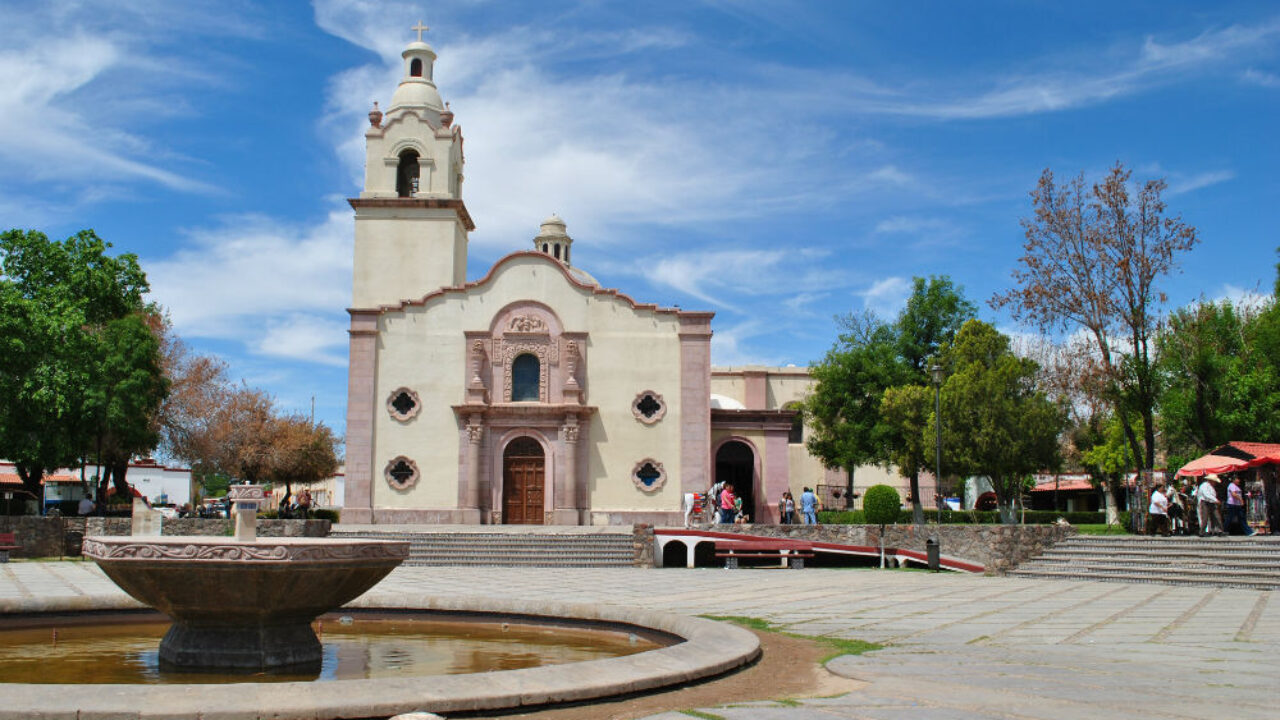
Photo: Sonora Querida
Parroquia de Santa María Magdalena
This church was built on the site where Father Kino established a mission in honor of San Francisco Javier, who has been revered throughout the state ever since. The saint was worshipped in one of the church’s chapels until 2013, when a special chapel was built for him beside the church. In the end of September and the beginning of October, the festival in honor of San Francisco Javier is celebrated around the church.
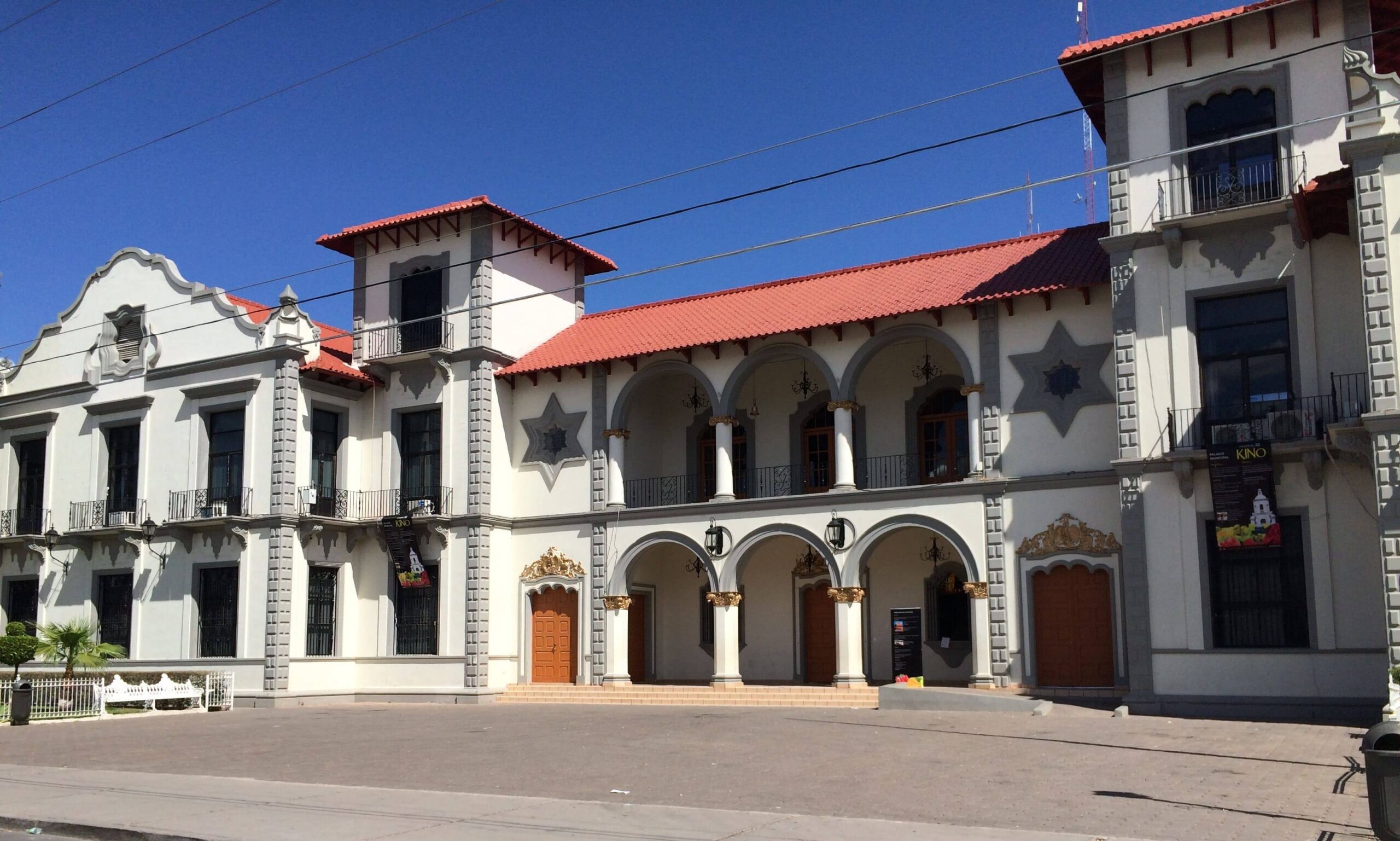
Photo: Cultura Sonora
Municipal Palace Stained Glass and Engravings
Originally a military academy for children, this building’s unique character was shaped by its Sephardic Jewish architects. Its stained-glass windows and intricate engravings tell the story of the municipality and the state, making it a landmark well worth visiting.
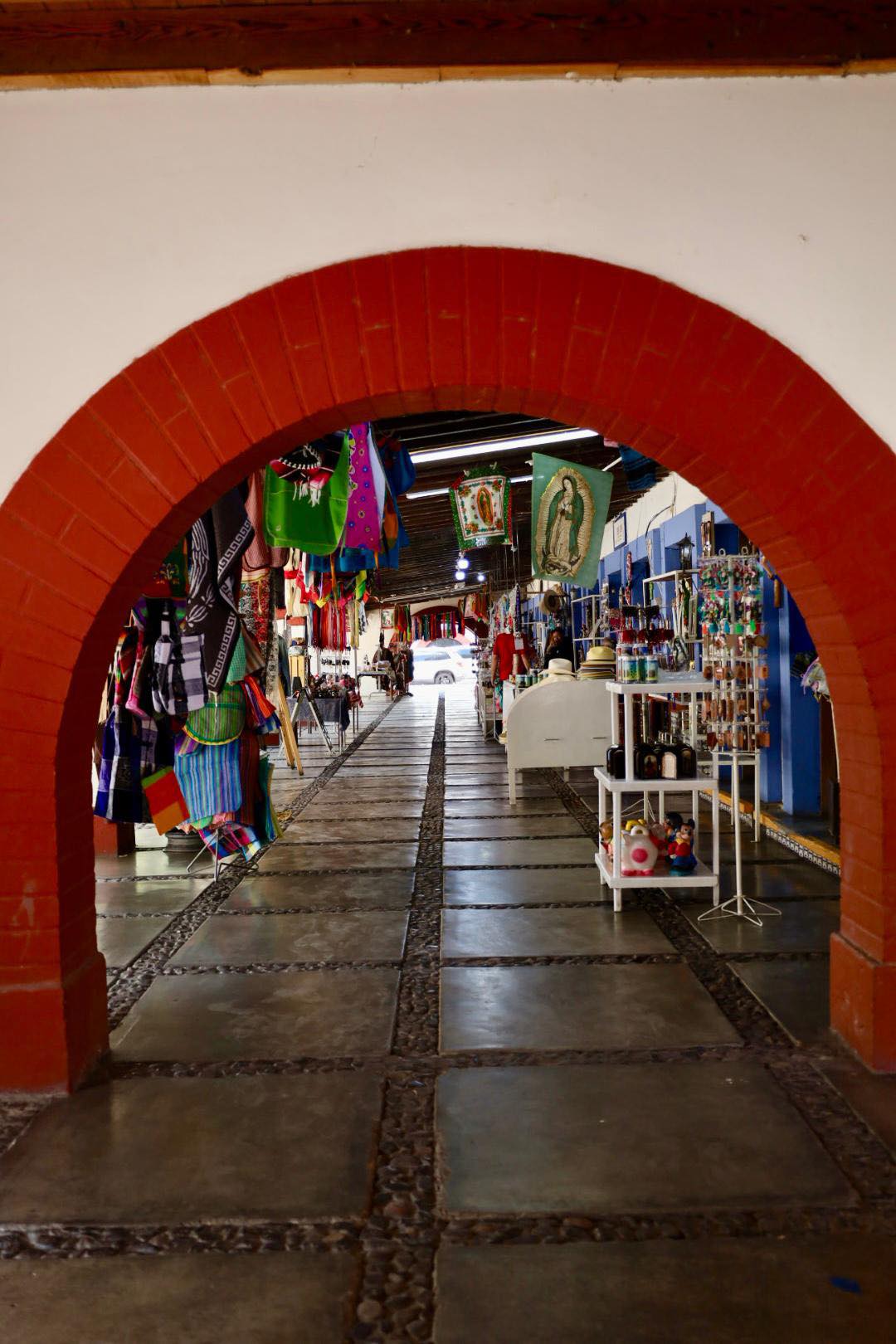
Stroll the Tourist Corridor
The handicrafts created in this Magical Town can all be found along this corridor. Come discover something one of a kind. You can find woven goods, shoes, hats, milk candies, and caramelly cajetas. This Magical Town claims to prepare the most delicious quince cajeta candy in the state—pick some up where handmade items are sold downtown.
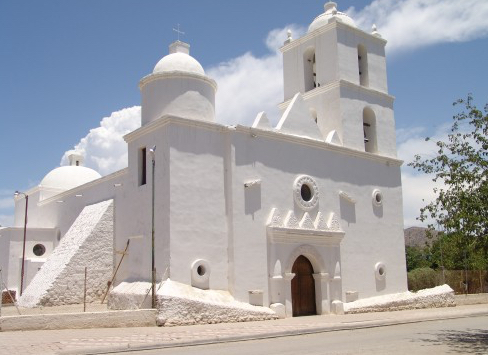
Photo: Pueblos Mágicos
Visit the San Ignacio de Caborica Mission
Dating from 1687, this was one of the missions the Spanish established in the Sonoran desert. Besides its historic value, the mission features a unique spiral staircase, and its facade has distinctive masonry ornamentation. Don’t miss the fine detailing on the wooden door. The current church, which sits next to this building, was finished in 1770.