


DESTINATION
Mapimi
Where the Desert Holds Stories of Silver and Silence
Destination Vibes
Why to Visit
Mapimi stands apart for its history and its remote setting in one of northern Mexico’s most striking desert regions. Historic monuments and rugged landscapes define the town’s surroundings, including the abandoned mining settlement of Ojuela. Here, time seems to move slowly beneath the intense desert sun while structures from another era recall the prosperity and hardships of the mining frontier. The nearby Zone of Silence adds another layer of fascination, while the dramatic Ojuela bridge stretches across a deep canyon. Visiting Mapimi offers a journey into geology, history, and local legends preserved in the desert of Durango.
HIGHLIGHTS
The Signature Experience
Don't Miss
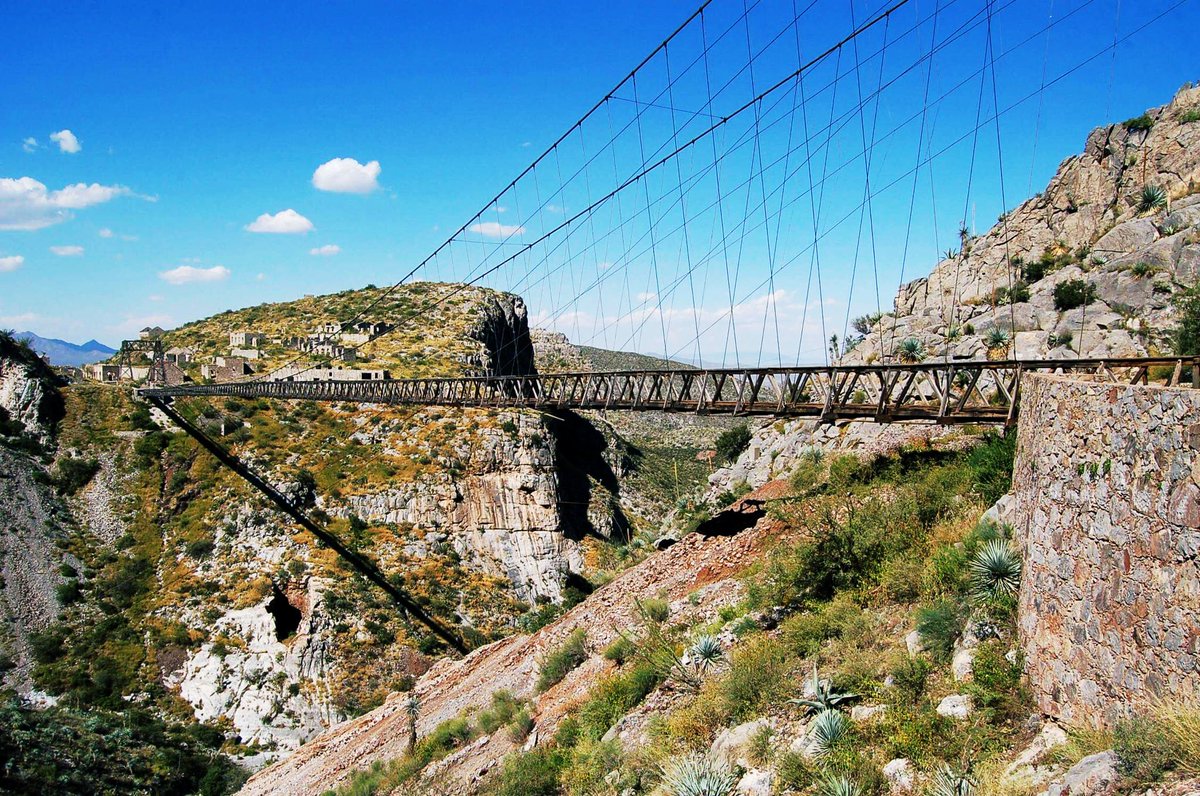
Photo: SECTUR Mx
The Ojuela Mine and Suspension Bridge
Stretching across a deep canyon in the desert landscape, the Ojuela suspension bridge forms one of the most striking scenes in northern Mexico. The metal structure connects the abandoned mining settlement with the remains of the mine that once produced silver, gold, copper, lead, and zinc. Crossing the bridge is an unforgettable experience. Beneath the walkway lies a canyon more than one hundred meters deep, while desert winds move through the steel structure. On the far side, the remains of the mining complex reveal the industrial history that once shaped this remote part of Durango.
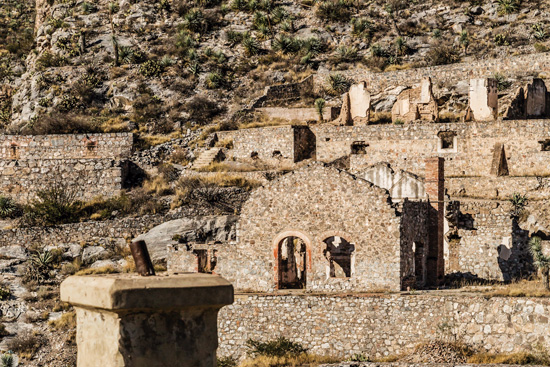
Photo: México Desconocido
Exploring the Ghost Town of Ojuela
Near the old mine stand the remains of the settlement that once housed its workers. Stone houses, industrial ruins, and dusty pathways form a landscape that feels frozen in another era. Walking through the site offers insight into how these mining communities functioned in the desert and how nature has gradually reclaimed the structures left behind.
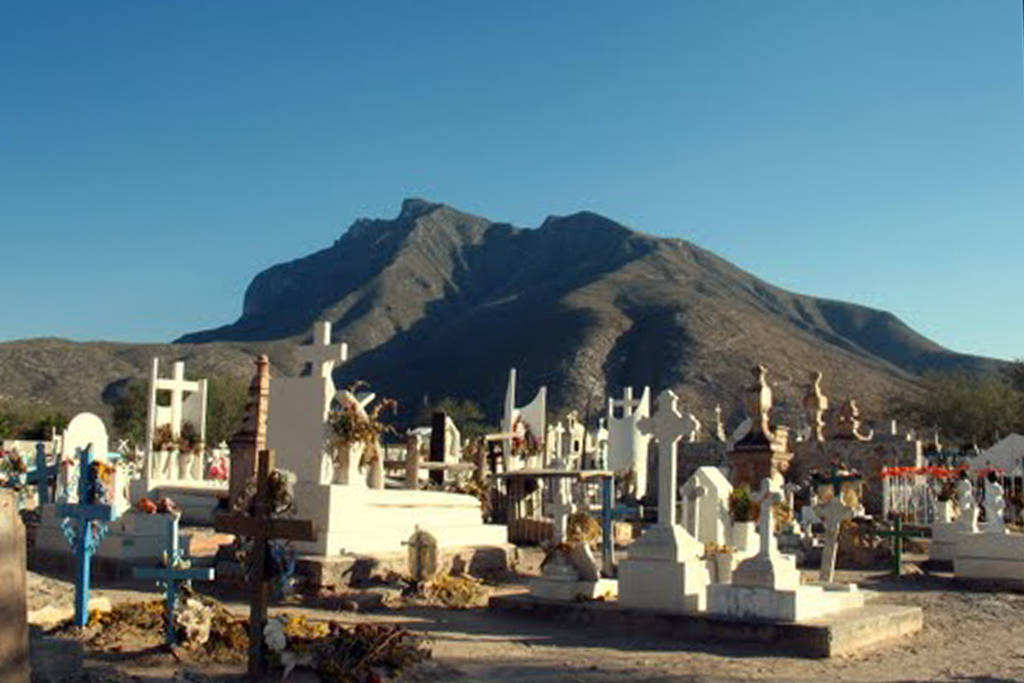
Photo: El Siglo de Torreón
Municipal Cemetery
The cemetery reflects the diverse origins of the people who lived and worked in Mapimi. Sculptures by local artist Benigno Montoya, particularly his stone-carved angels, stand out as remarkable examples of funerary art.

Photo: SECTUR Mx
Grutas del Rosario
Located a short distance from town, these caves reveal another dimension of the Durango landscape. Inside, stalactites and stalagmites create underground formations shaped over thousands of years.
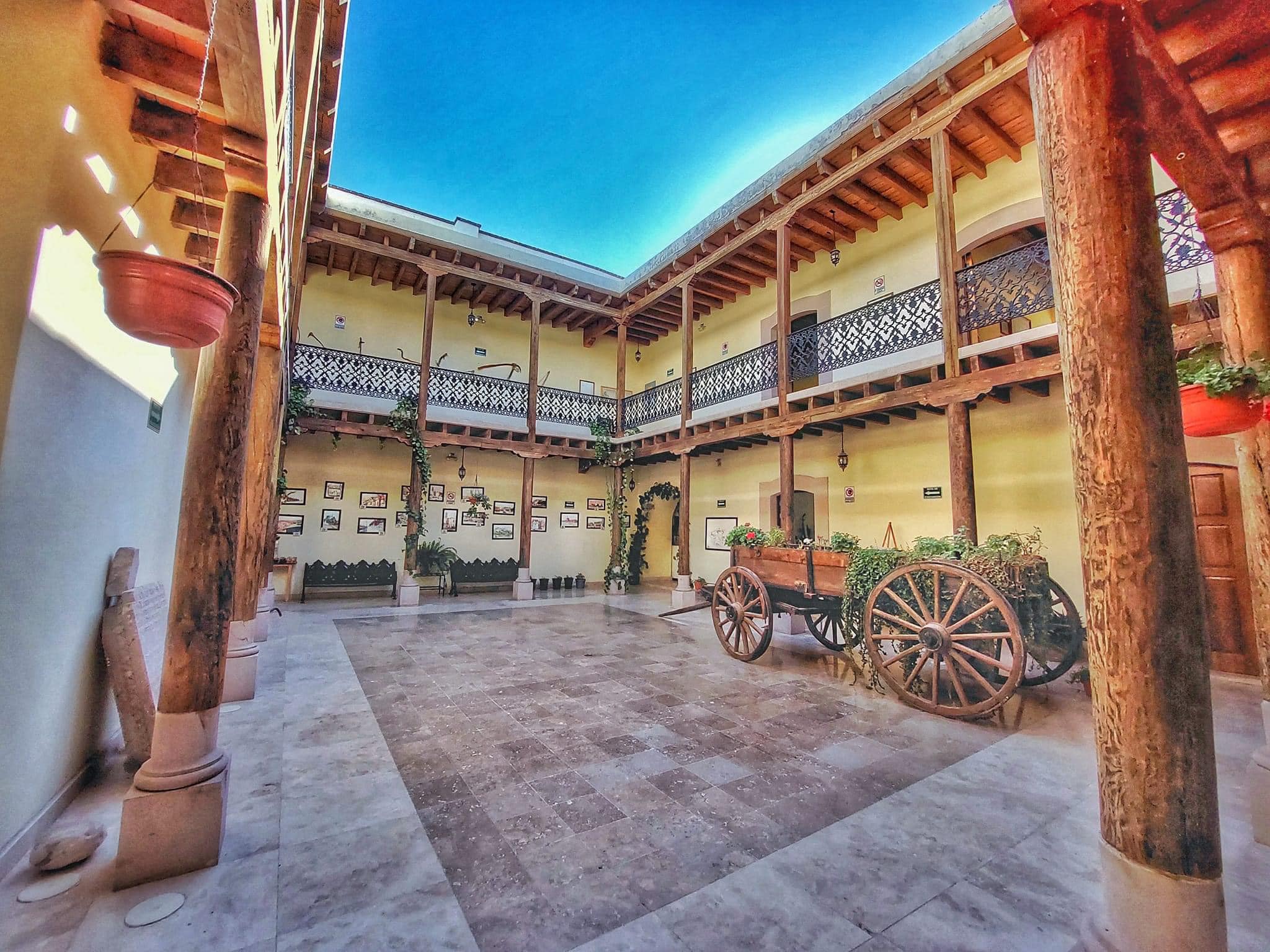
Photo: Mapimí Pueblo Mágico
Benito Juarez Museum
Also known as Casa Cigarroa, this historic house once hosted Benito Juarez during the period known as the itinerant republic. The museum preserves the bed where he slept along with paintings, documents, and domestic objects that illustrate his stay in Mapimi.