

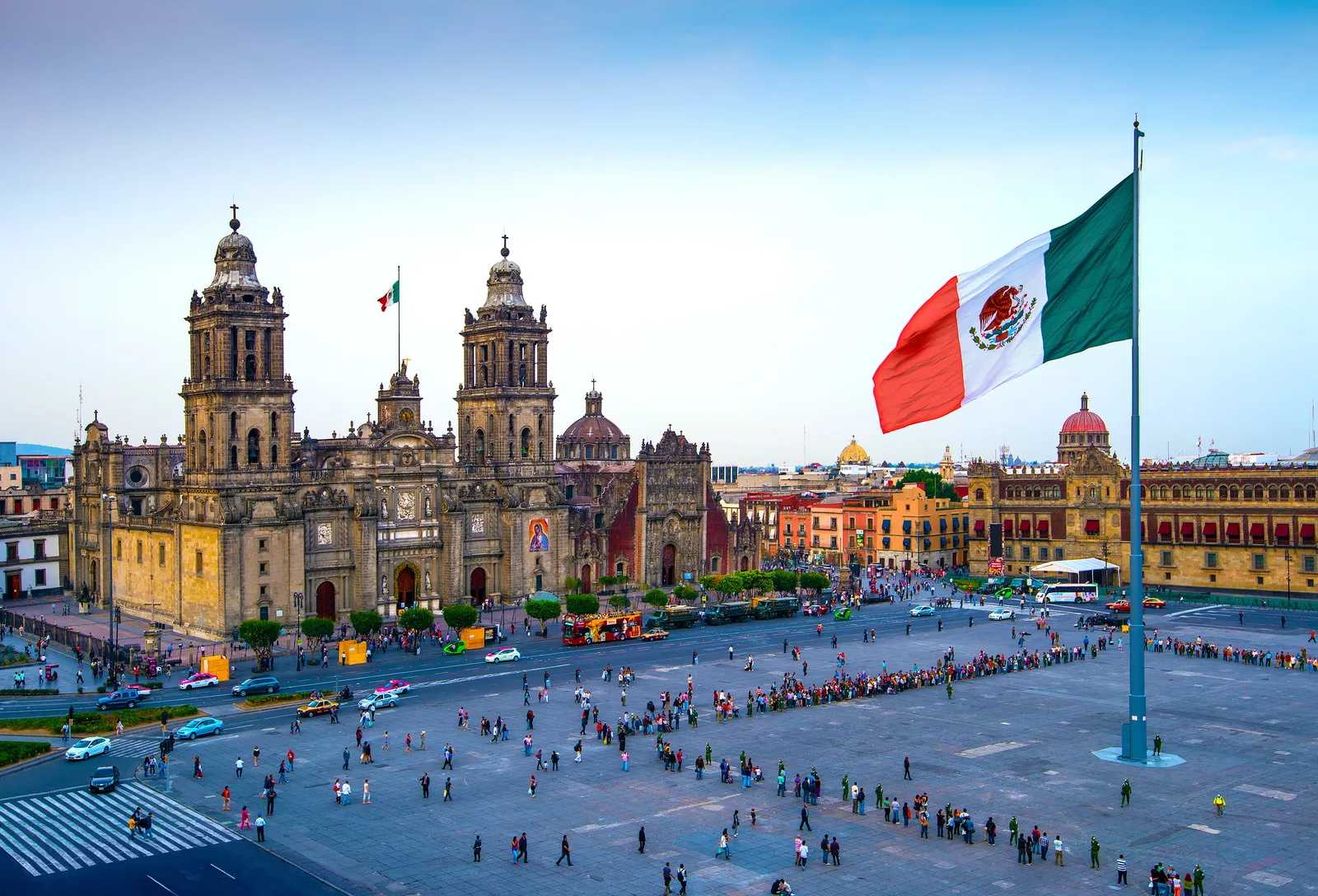
Mexico City: A Universe in Motion
From the majesty of Tenochtitlan to the cutting-edge 2026 World Cup: Journey through the metropolis redefining football history
At the very heart of the country, Mexico City guards a vast 700-year history—reaching back to its days as Tenochtitlan, when its streets were canals, chinampas (floating gardens), and towering temples. Over centuries, the city has undergone fascinating transformations, expanding outward and upward, seemingly devouring its surroundings to become the unique, vibrant, and captivating megalopolis it is today.
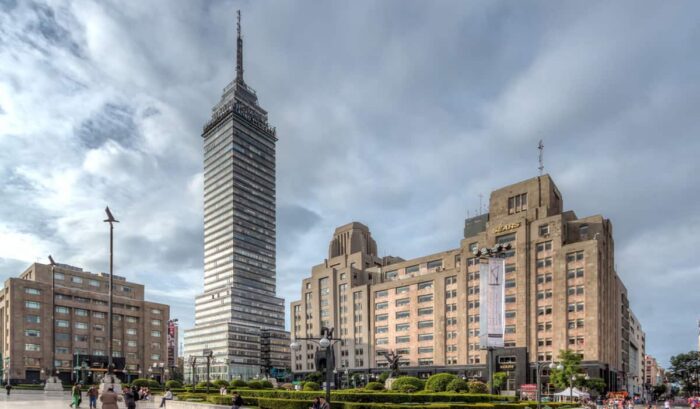
The colonial era left a footprint of stunning architecture, such as the Metropolitan Cathedral, the National Palace, and the San Ildefonso College. During the 19th-century Porfiriato, European influence shaped iconic landmarks like the Palace of Fine Arts, the Postal Palace, and Chapultepec Forest, with its signature lakes and fountains.
By the 20th century, a modern Mexican architectural movement emerged. Visionaries like Juan O’Gorman and José Villagrán sought to create vital spaces that met the demands of a growing urban landscape. It was in this spirit of progress that Mexico City was chosen to host the 1968 Olympic Games—the first city in Latin America to host an event of such magnitude.
This milestone modernized the city’s skyline with projects like the Olympic Village, the Francisco Márquez Aquatic Center, and the geodesic dome of the Juan Escutia Sports Palace. Just two years later, in 1970, the city hosted its first FIFA World Cup. Leveraging its new infrastructure (and the newly opened Metro Line 1), Mexico became the first nation to host the Olympics and the World Cup back-to-back. The 1970 tournament remains legendary: it was the first broadcast in color, introduced yellow and red cards, and featured the iconic “Game of the Century” between Italy and West Germany.
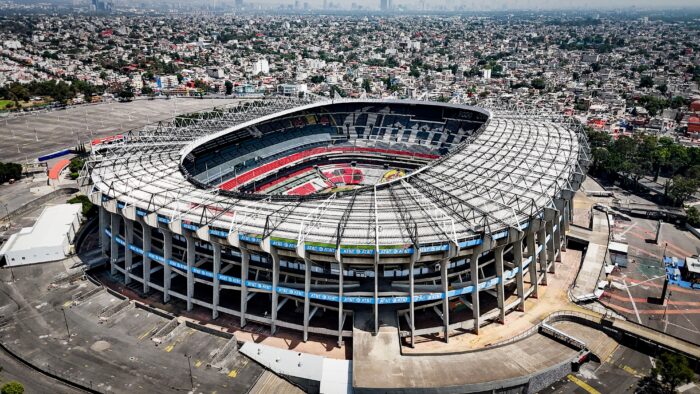
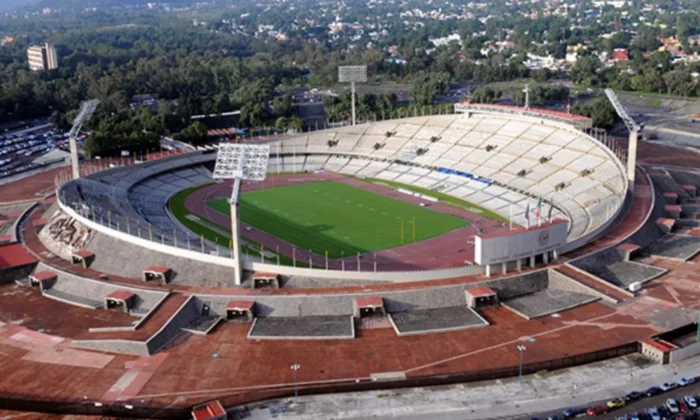
In 1986, Mexico stepped in as host once again. In record time—and while recovering from the devastating 1985 earthquake—the city prepared its venues, revitalizing the national spirit through football. The Estadio Azteca made history as the first stadium to host two World Cup Finals, while the Olympic University Stadium served as a key supporting venue.
Did you know?
Dubbed the “City of Palaces” by Alexander von Humboldt in the 19th century for its Baroque and Neoclassical masterpieces, the city was named a UNESCO World Heritage site in 1987. Today, it boasts five UNESCO designations: the Historic Center, Xochimilco, the Luis Barragán House and Studio, and the UNAM Central University City Campus.
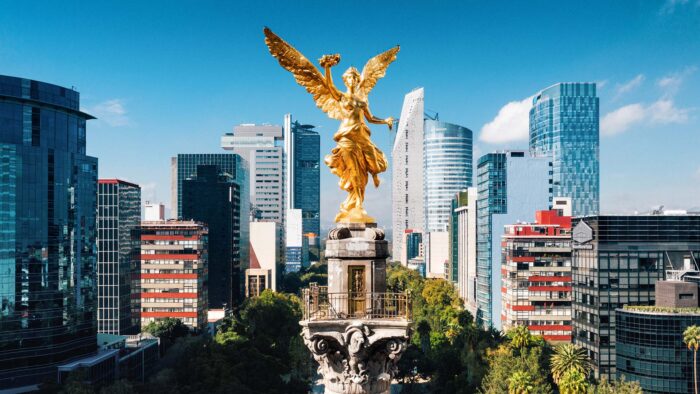
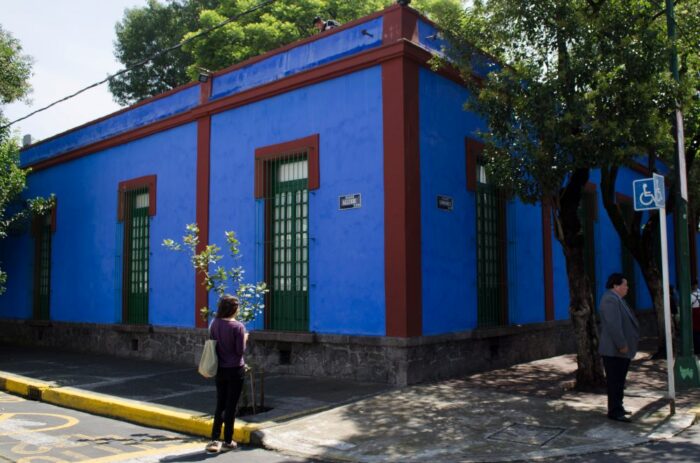
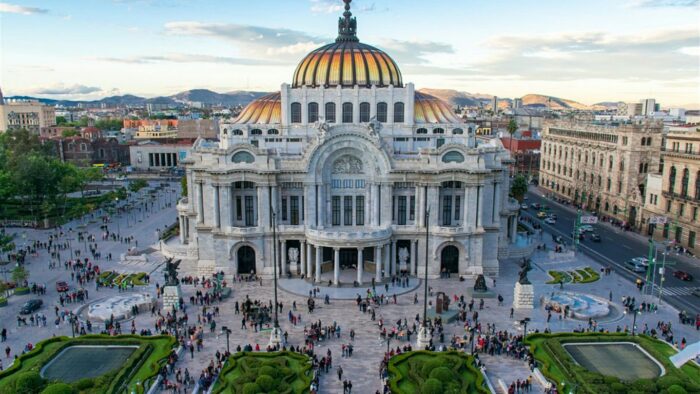
A Global Football Capital
Today, North America’s most populous metropolis returns to the spotlight for the 2026 World Cup, alongside Canada and the United States. This marks the first time three nations have co-hosted the tournament. Of the 104 total matches, 13 will be played in Mexico—five of which will take place right here at the “Estadio Ciudad de México.”
The city offers visitors a chance to travel through time via its parks and museums, such as the National Museum of Anthropology and the Tamayo Museum. A special highlight for 2026 is the “Citizen World Cup Memories” exhibition, featuring memorabilia and stories from the 1970 and 1986 tournaments, curated by the people themselves.
Cultural Powerhouse
With 188 museums, 270 galleries, and 160 theaters, Mexico City is one of the world’s most significant cultural hubs. Neighborhoods like Santa María la Ribera, San Ángel, Coyoacán, Roma, and Condesa offer a blend of traditional charm and modern artistic expression.
International Media Center: Los Pinos
From January to June 2026, the Los Pinos Cultural Center (the former presidential residence) will serve as the International Media Center. Located in the heart of the city, it provides global journalists with a front-row seat to the tournament and the capital’s culture.

Mobility: A City on the Move
One of Mexico City’s greatest strengths is its ability to move millions of people daily—overland, underground, and through the air. For 2026, the city has upgraded its transit network to ensure seamless travel between tourist hotspots and the stadium.
Airport Connectivity:
- AICM (Benito Juárez): Upgraded with biometric systems, faster baggage handling, and direct Metro/Metrobús access. The “Aerotrén” connecting Terminal 1 and 2 has also been fully renovated.
- AIFA (Felipe Ángeles): Accessible via private shuttles, airline-specific ground transport, and the Mexibús system.
2026 Transit Highlights:
- Centrobús: A new dedicated bus line hitting the top landmarks in the Historic Center.
- “El Ajolote” Light Rail: Fully renovated with 17 new trains running from Taxqueña to Xochimilco.
- Trolebús Extension: A new 11km electric trolley route connecting the University to the Azteca area.
- La Gran Tenochtitlán Cycleway: A massive 34km bike path stretching from the Zócalo (downtown) to the south of the city.
- Floating Pedestrian Bridge: An elevated green walkway over Metro Line 2, featuring lush gardens and modern lighting.
- Cablebús expansion: Three new cable car lines (Lines 4, 5, and 6) have been added to connect the southern and western hills to the main transit network, making the city’s heights accessible to all.
Wayfinding: Finding Your Path
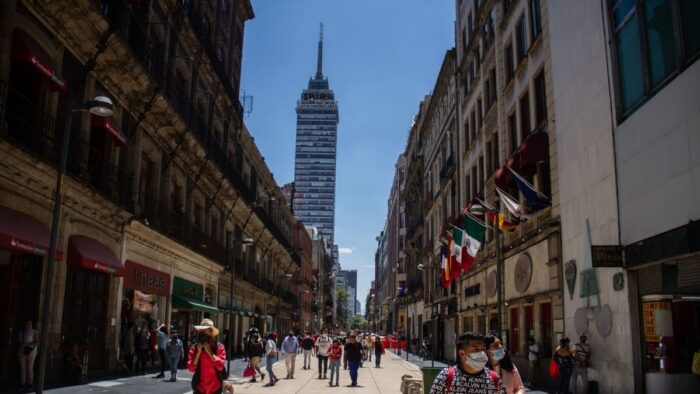
To help visitors navigate like locals, the city has implemented a new Wayfinding System. Keep an eye out for icons—like the axolotl—on maps, street signs, and digital kiosks. These interactive neighborhood maps and pedestrian markers are designed to help you get where you’re going easily, whether you’re walking or using public transport. Look up, look around, and enjoy the journey!
“Chilango” Pro-Tips
- Gear up: Wear comfortable shoes; this is a city meant to be explored on foot.
- Mind the altitude: At 2,240 meters (7,350 ft) above sea level, you might feel a bit lightheaded for the first few days. Stay hydrated!
- Cash & Cards: ATMs are everywhere; no need to carry large amounts of cash.
- Eat Local: Dive into the colorful local markets and try the authentic street food.
- Travel Smart: Use the multilingual tourist chatbot for info on culture, food, and transit routes.
Emergency Numbers:
- General Emergencies: 911
- Red Cross: 55 53 95 11 11
- LOCATEL (Info/Non-emergency): 55 56 58 11 11
- Gender-based violence support: *765