


DESTINATION
Cuernavaca
A Garden City Shaped by Climate, History, and Everyday Life
Destination Vibes
Why to Visit
Cuernavaca combines accessibility, climate, and cultural heritage. Its location, about 80 kilometers from Mexico City, has made it a long-standing destination for rest and short stays. The city’s mild weather supports a landscape of gardens, courtyards, and open spaces that shape daily life. Historic buildings, museums, and local markets provide a connection to its past, while its residential areas and cultural venues reflect its role as a place for both retreat and everyday activity.
HIGHLIGHTS
The Signature Experience
Don't Miss

Photo: El País
Palace of Cortes
A key historical site that houses murals by Diego Rivera and archaeological pieces related to the Tlahuica culture.

Photo: Raul Bonfil Samano
Cuernavaca Cathedral
Part of a UNESCO-listed group of sixteenth-century monasteries, known for its murals depicting early missionary history.
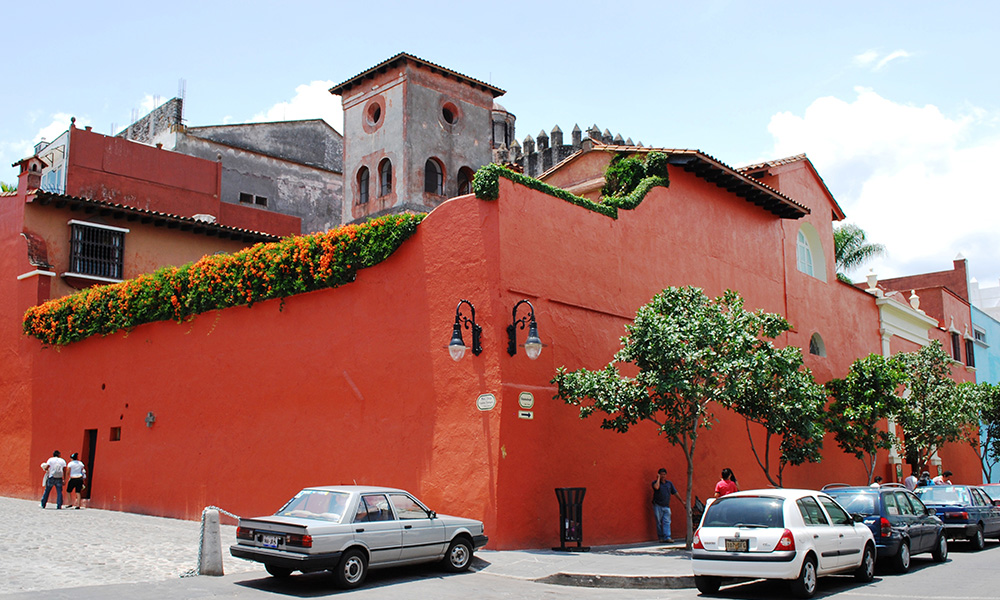
Photo: Flor de Mayo Hotel Restaurant
Robert Brady Museum
A house museum featuring an extensive private collection of art from different regions of the world.
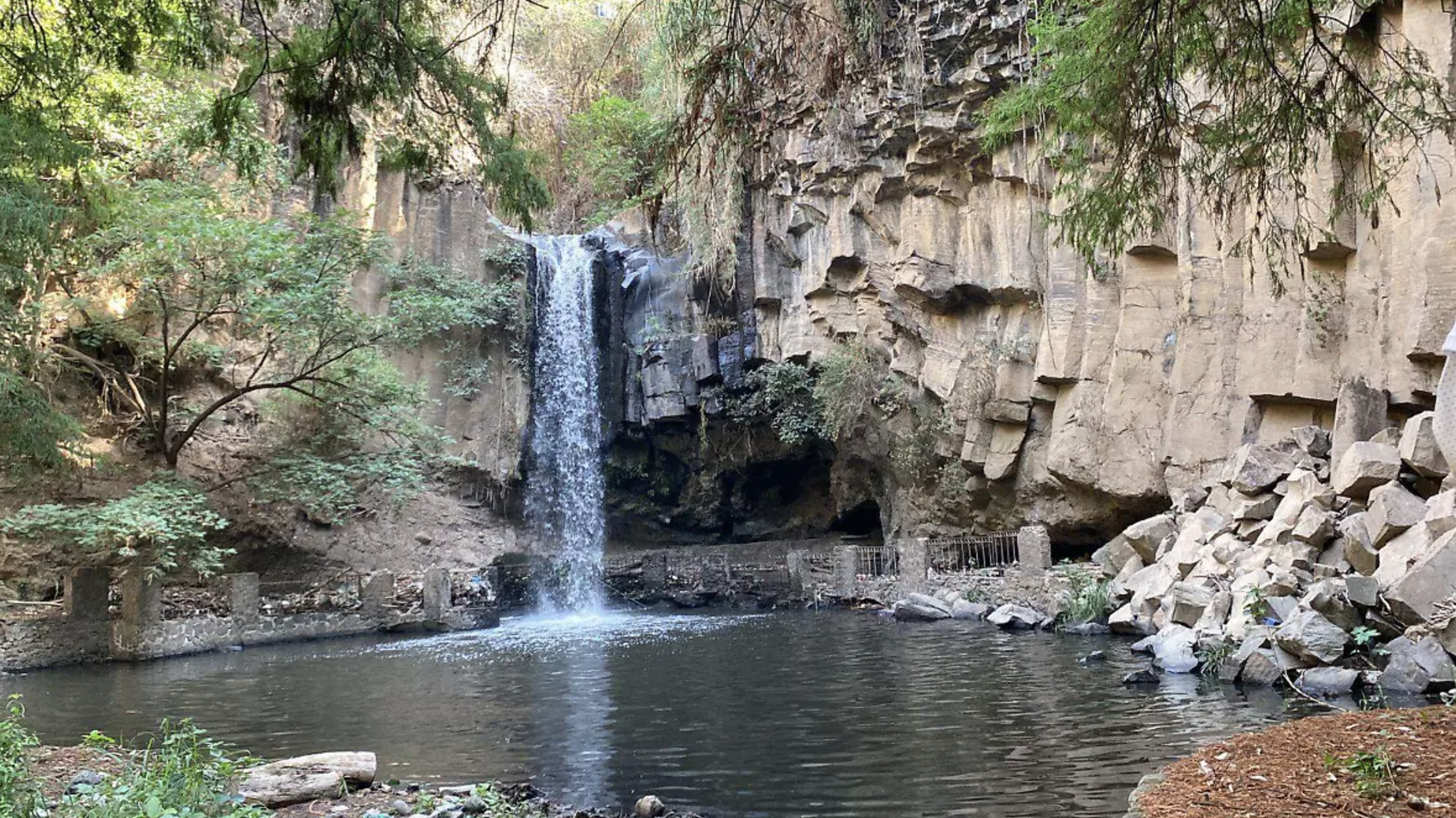
Photo: El Sol de Cuernavaca
Salto de San Anton
A waterfall approximately 40 meters high, surrounded by basalt rock formations within the urban area.
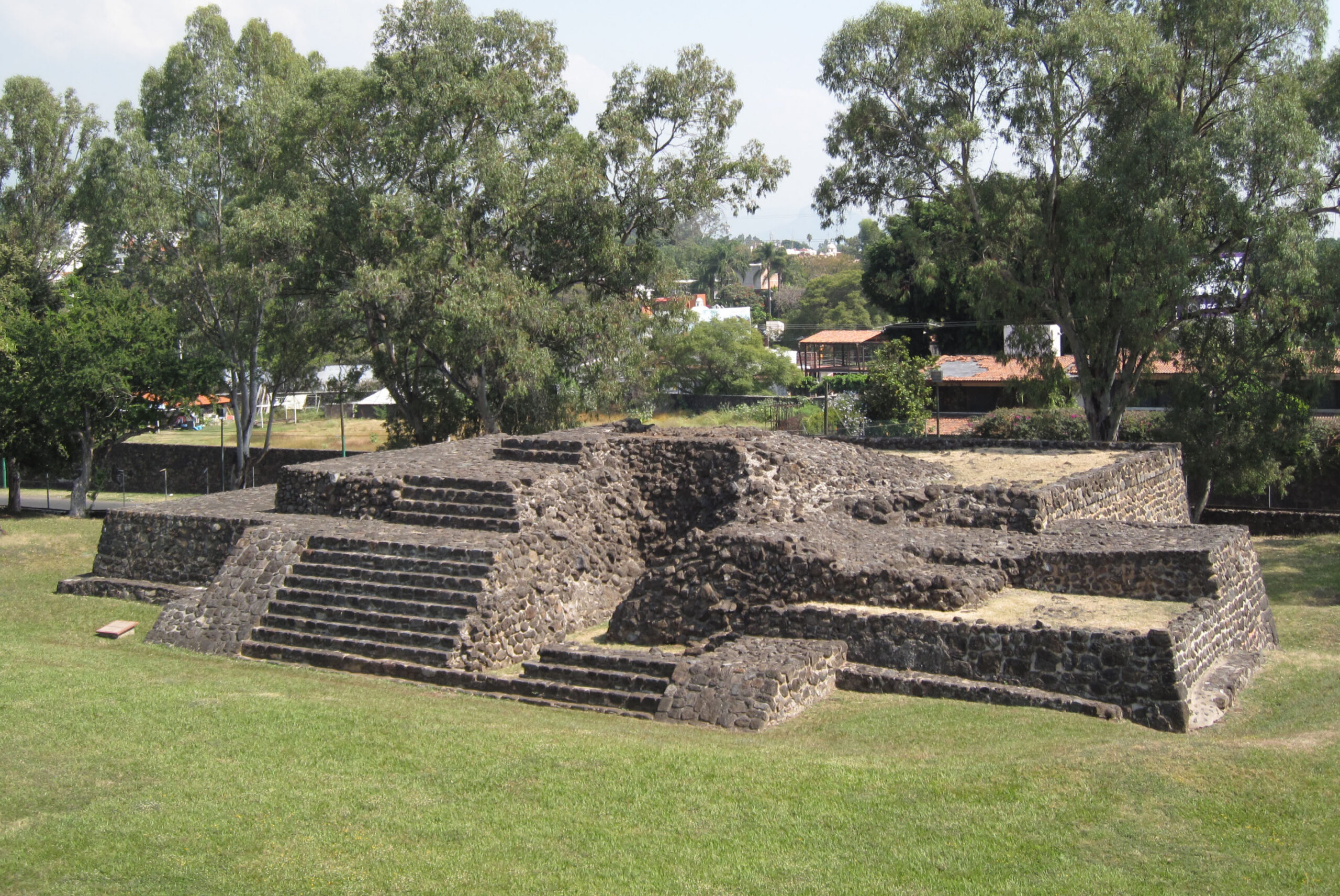
Photo: Lugares INAH
Teopanzolco Archaeological Site
A pre-Hispanic ceremonial complex that reflects the architectural traditions of the region’s early inhabitants.
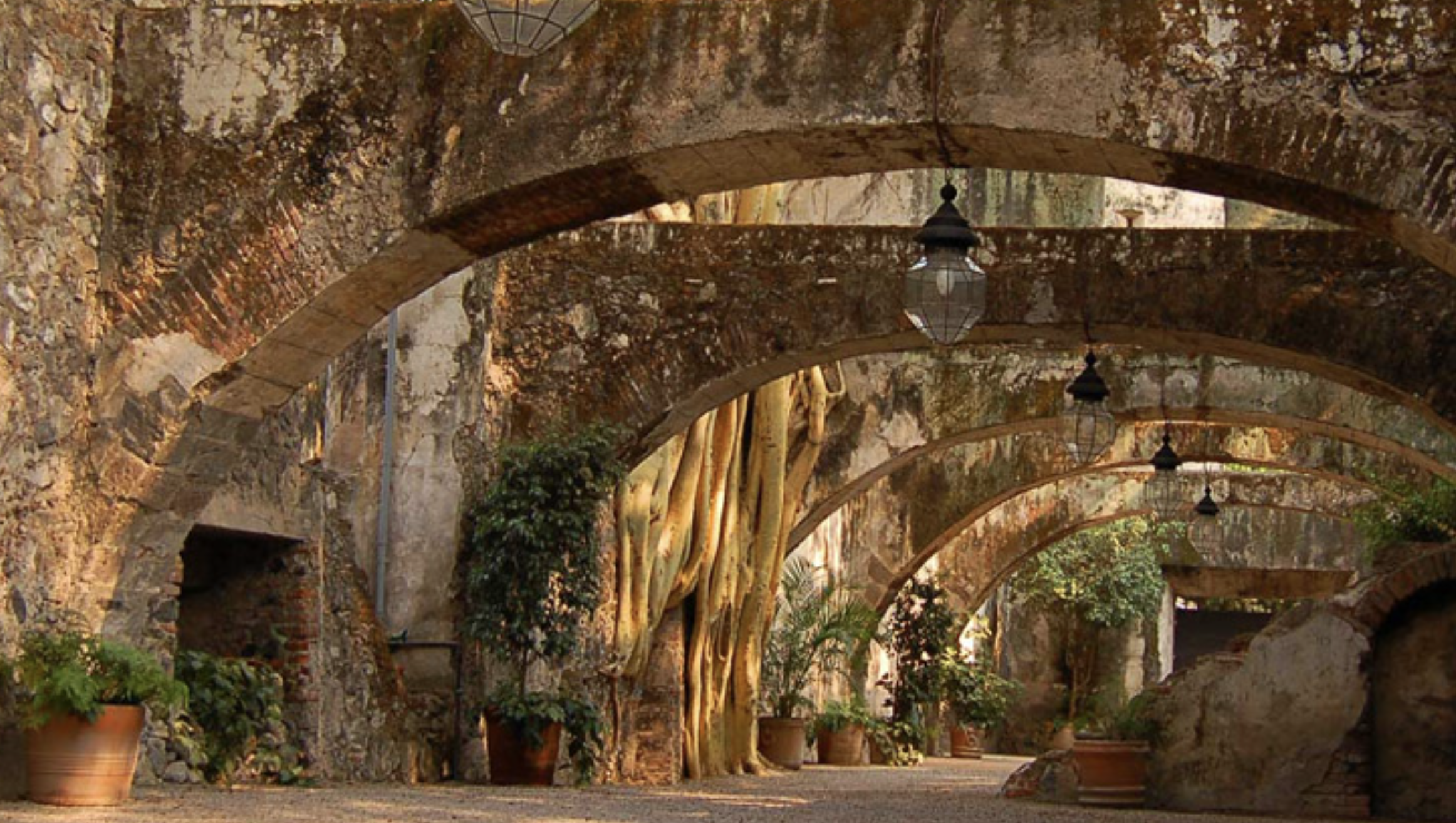
Photo: escapadas.mx
Hacienda de Cortes
A former estate now functioning as a hotel, where original structures and vegetation remain part of the setting.