

DESTINATION
Nombre de Dios
History, Water, and Tradition in Northern Mexico
Destination Vibes
Why to Visit
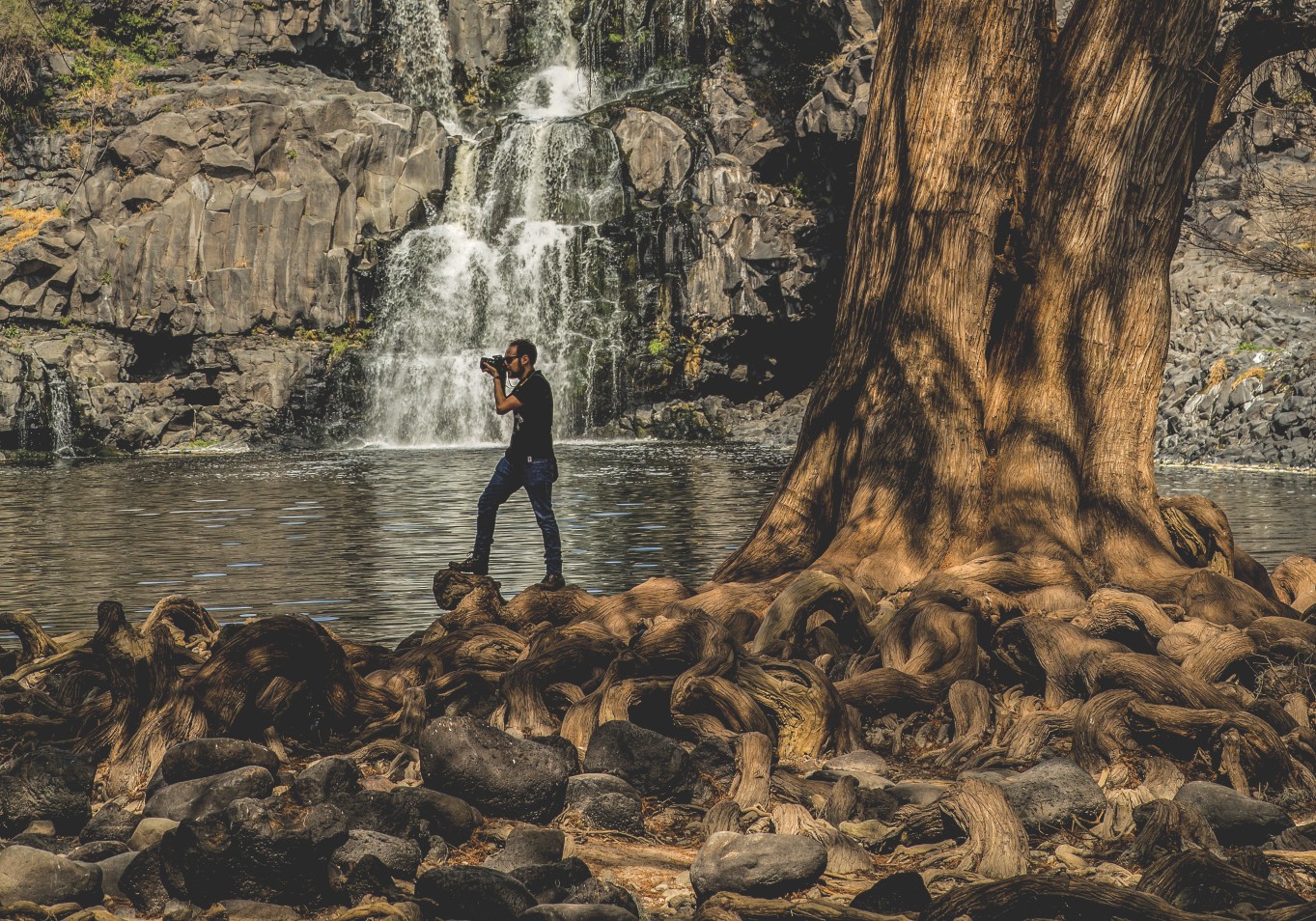
Streams flow beneath the shade of ancient sabino trees while church towers mark the passage of centuries in Nombre de Dios. One of the earliest colonial settlements in northern Mexico, the town still reflects that origin in its historic temples, quiet streets, and its close relationship with the surrounding water sources. Springs, small rivers, and nearby waterfalls shape both the landscape and daily life. Together, the natural environment and centuries-old architecture create a place where history and nature remain closely connected.
HIGHLIGHTS
The Signature Experience
Don't Miss
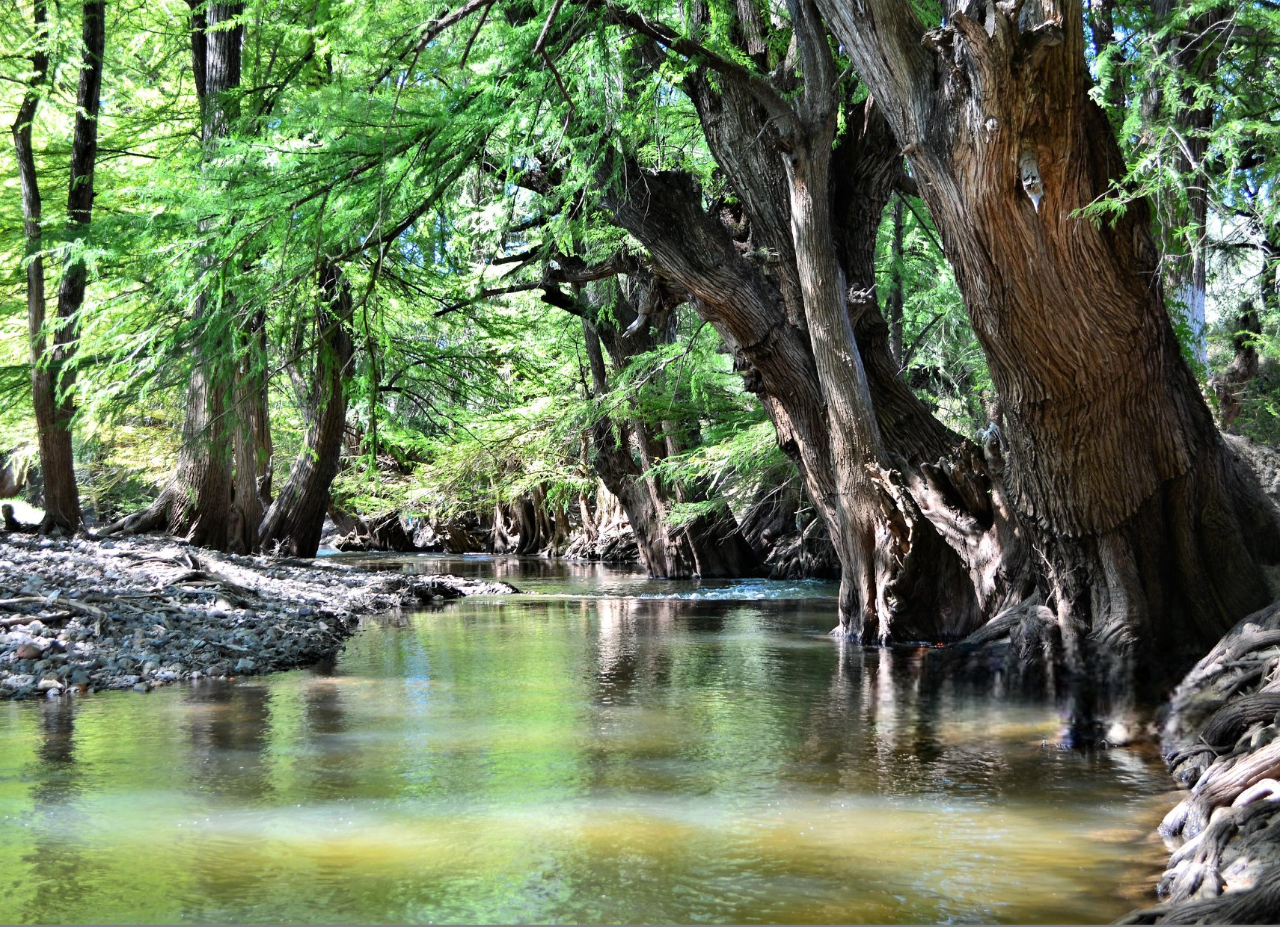
Photo: Viva Durango
Los Salones
Located just outside the town, Los Salones is a natural area where large sabino trees create a landscape of shade, water, and quiet surroundings. It is an ideal place for walking, resting, and experiencing the calm rhythm of the natural environment.

Photo: Etcétera.com
Temple of San Francisco
The oldest Catholic church in northwestern Mexico and one of the most important historic landmarks in the town.

Photo: Turismo Durango
Ex Hacienda de Juana Guerra
An old agricultural estate that reflects the productive history of the region and the rural economy that once shaped the area.
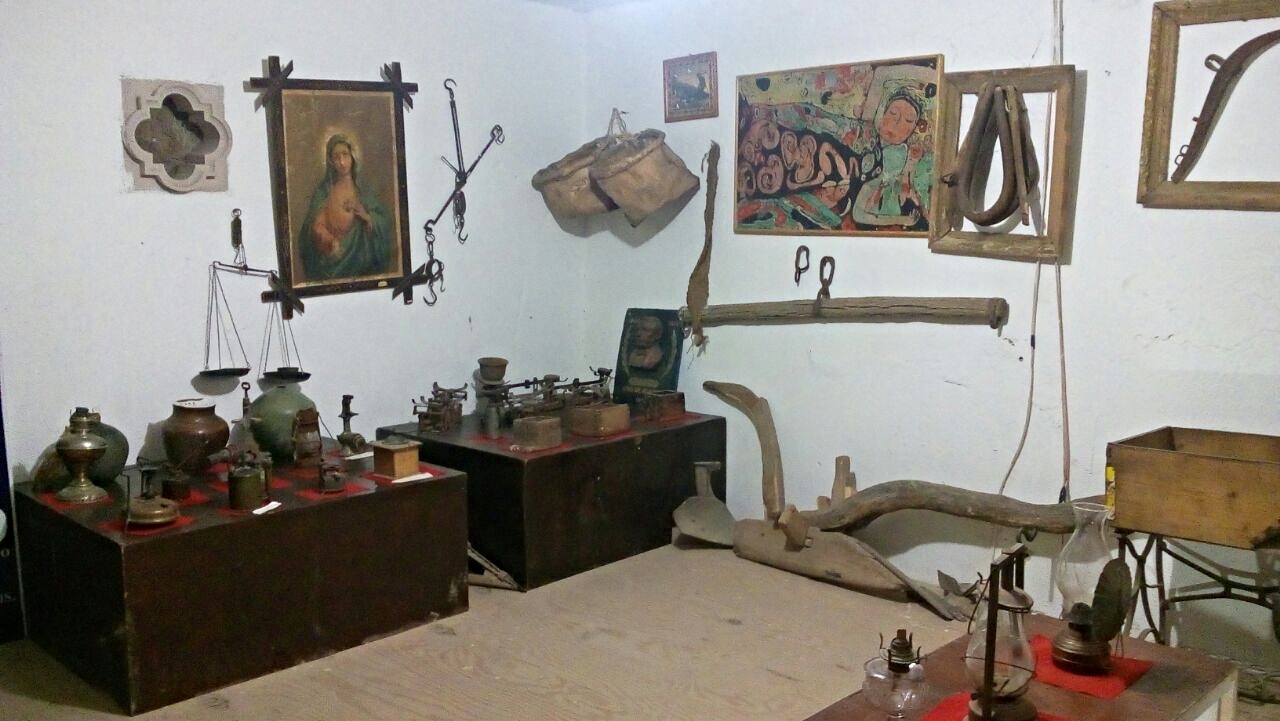
Photo: Pueblos Mágicos
Museo Comunitario Contalpa
A small community museum with six rooms dedicated to paleontology, technology, archaeology, spiritual conquest, the colonial period, numismatics, and historical photographs of Nombre de Dios.

Photo: Travel Report
Taste the Local Cuisine
Visitors should try regional dishes such as traditional gorditas, preserved fruits, crystallized sweets, and locally produced wines that reflect the agricultural traditions of Nombre de Dios.