

DESTINATION
Parras
Where the History of Wine in America Began
Destination Vibes
Why to Visit
Amid the dry mountains of northern Mexico lies a valley where vineyards have grown for centuries. In Parras de la Fuente, shaded streets, historic homes, pecan orchards, and vineyards define daily life. The town’s rhythm is unhurried: afternoons unfold between vineyard visits, quiet walks through historic haciendas, and glasses of wine poured as the sun lowers behind the desert hills. Few places in the Americas connect landscape and winemaking history as clearly as this small valley in Coahuila.
HIGHLIGHTS
The Signature Experience

Parras
Follow the wine route in Parras
Tastings, harvest seasons, and historic vineyards.
Don't Miss
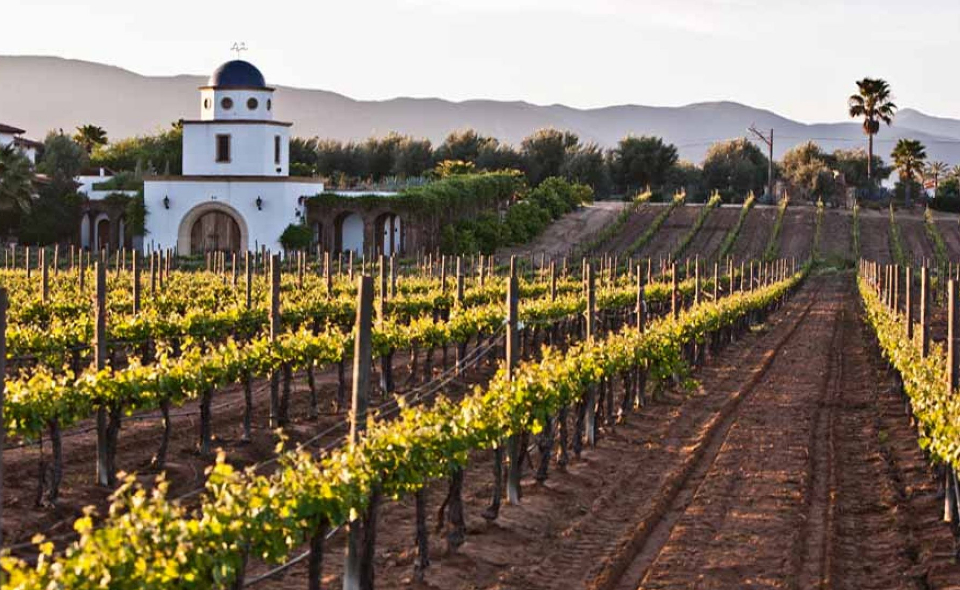
Photo: Inspiración Merché
Casa Madero
Located just outside town at Hacienda San Lorenzo, Casa Madero is one of the most significant sites in the history of winemaking in the Americas. Wine has been produced here continuously since 1597. Visiting the estate allows travelers to explore historic vineyards, cellars, and tasting rooms that illustrate the origins of Mexican wine culture.
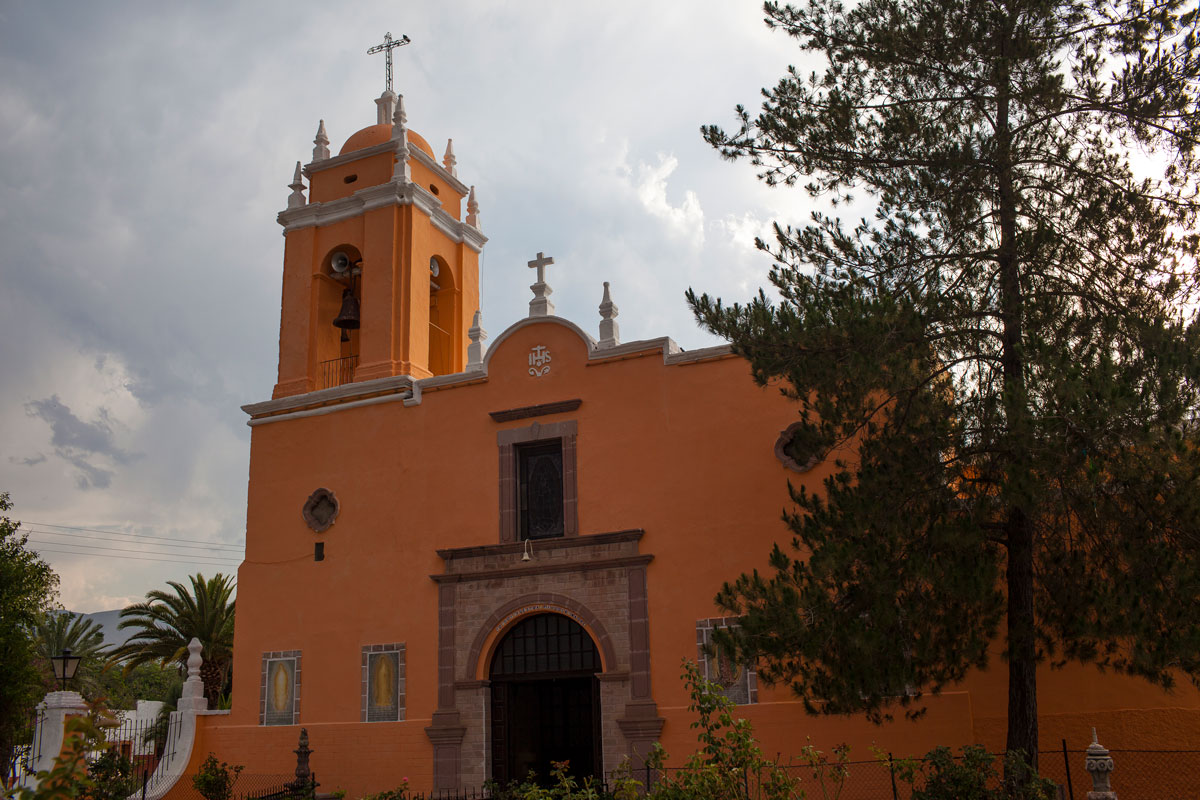
Photo: escapadas.mx
Alameda 20 de Noviembre and the Sanctuary of the Virgin of Guadalupe
Three blocks north of the main plaza lies Alameda 20 de Noviembre, a shaded public park that forms part of the town’s traditional urban landscape. A few blocks west stands the Sanctuary of the Virgin of Guadalupe, a colonial-era church with a simple neoclassical façade. Inside are detailed altarpieces and paintings attributed to Antonio de Torres, a Mexican artist active in the 17th and 18th centuries.
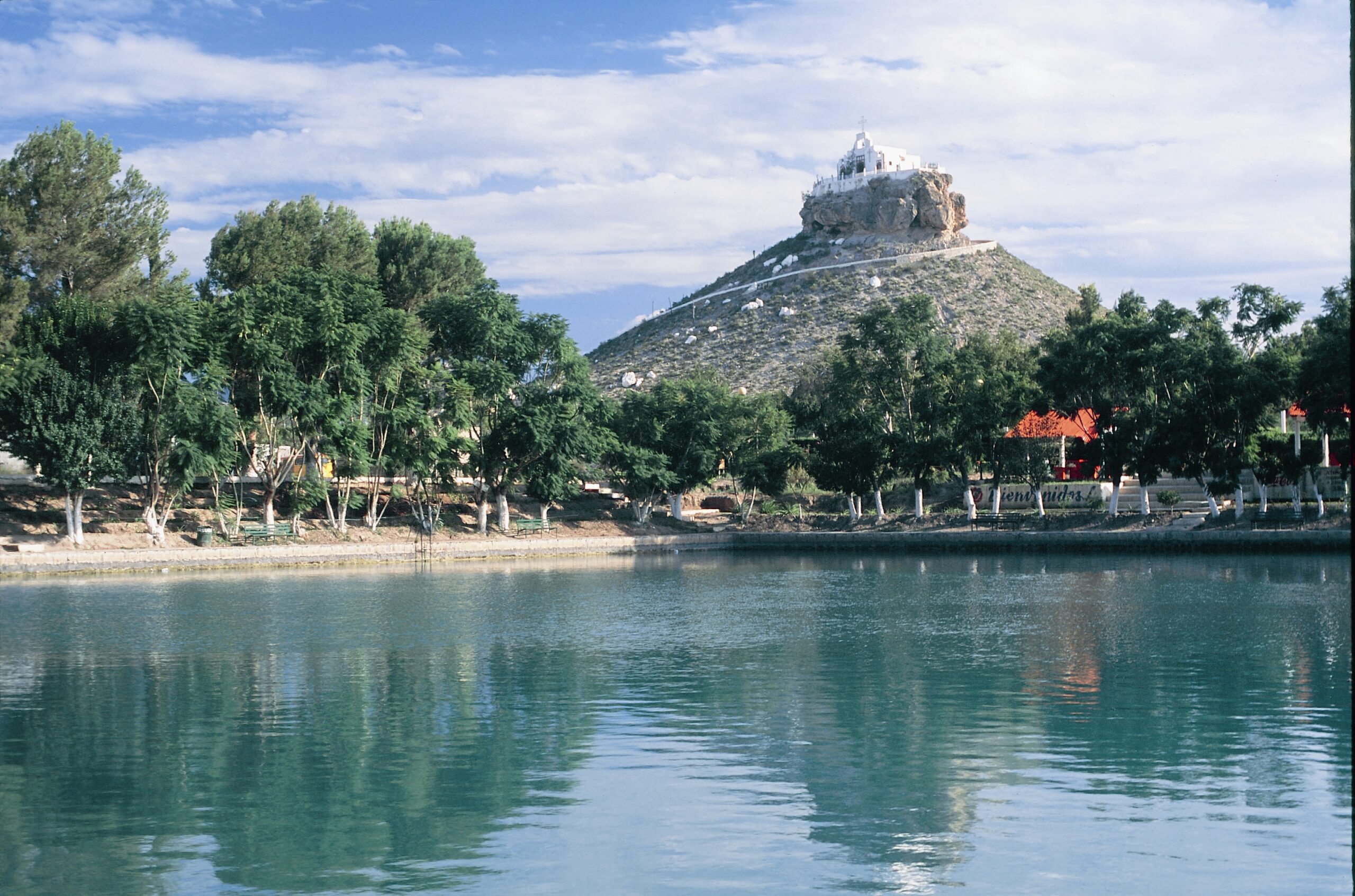
Photo: escapadas.mx
Estanque de la Luz
A historic water reservoir that has played an important role in the life of the town for generations. In a desert environment, places like this illustrate how water shaped settlement and agriculture in the valley.
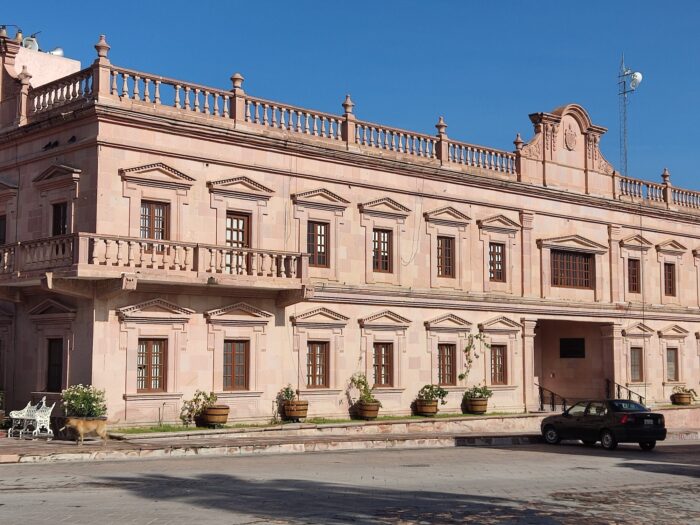
Photo: Victor Hugo Hernandez Hernandez
Parras Historic Center
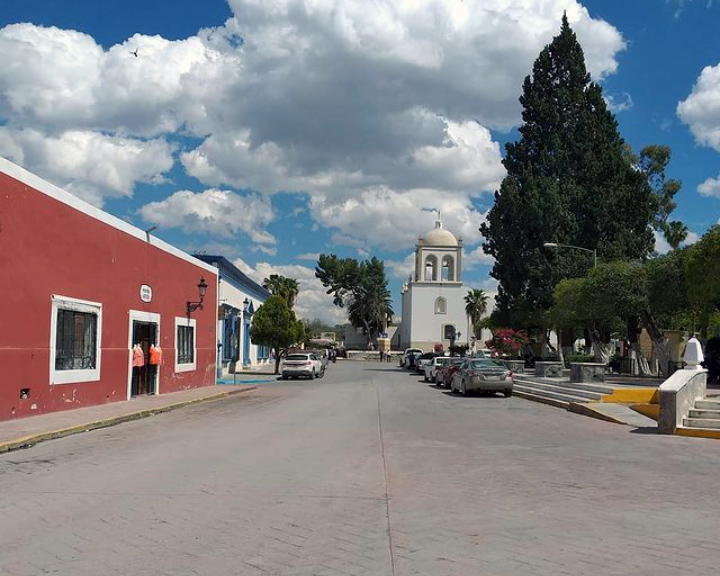
Quiet streets, historic churches, and leafy plazas define the town center. Walking through this area reveals the relaxed character that distinguishes Parras from other wine regions.
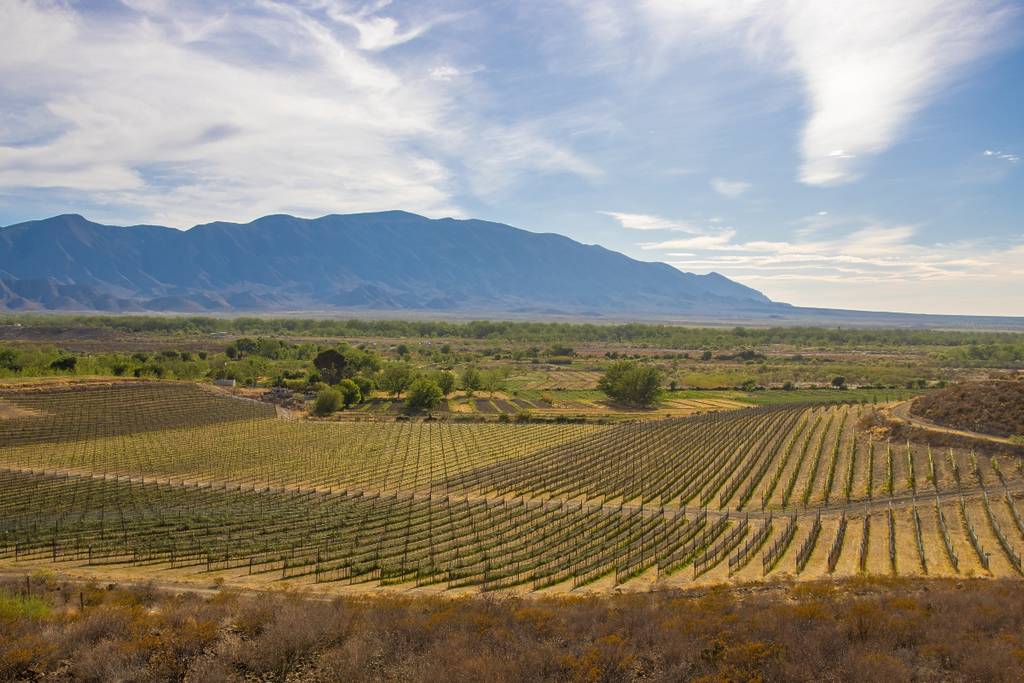
Photo: Monterrey Secreto
The Valley’s Pecan Groves and Vineyards
Surrounding the town, extensive pecan orchards and vineyards form a rare agricultural landscape in northern Mexico. The contrast between fertile fields and desert mountains explains why this valley became one of the most important wine regions in America.