

Paseo de la Reforma & Zona Rosa: The Heart of CDMX’s Glamour and Diversity
Walk through Mexico’s grandest boulevard, iconic monuments, and the avant-garde soul of the city’s most inclusive district
Paseo de la Reforma: The Avenue of History
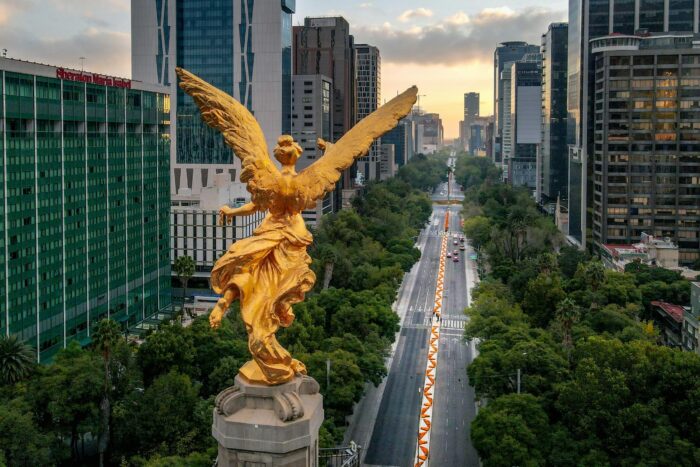
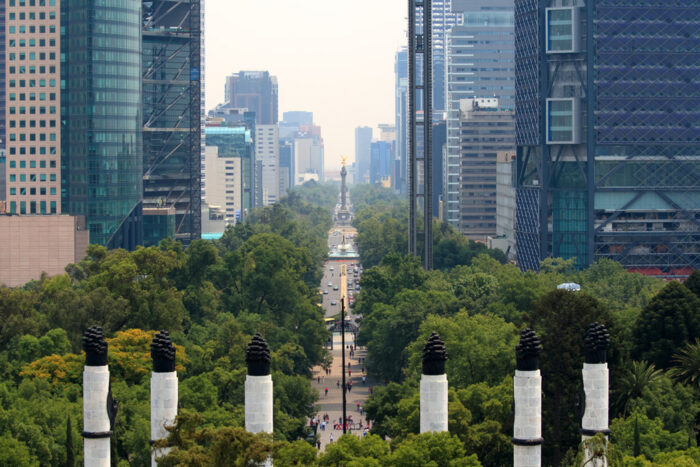
Paseo de la Reforma is Mexico City’s ultimate landmark—a “must-see” for every visitor. It cuts through the lush Chapultepec Forest, passes world-class museums, and serves as the city’s financial heartbeat. While its most famous stretch leads toward the Historic Center, the avenue actually spans 15 kilometers, connecting the modern skyscrapers of Santa Fe in the west to the Basilica of Guadalupe in the north.
This grand boulevard was originally commissioned in 1865 by Maximilian of Habsburg during the Second Mexican Empire. He named it Paseo de la Emperatriz (The Empress’s Drive) to provide a direct, scenic route from his home at Chapultepec Castle to the National Palace. After the fall of the Empire, it was renamed in honor of the “Reform Laws” enacted by President Benito Juárez.
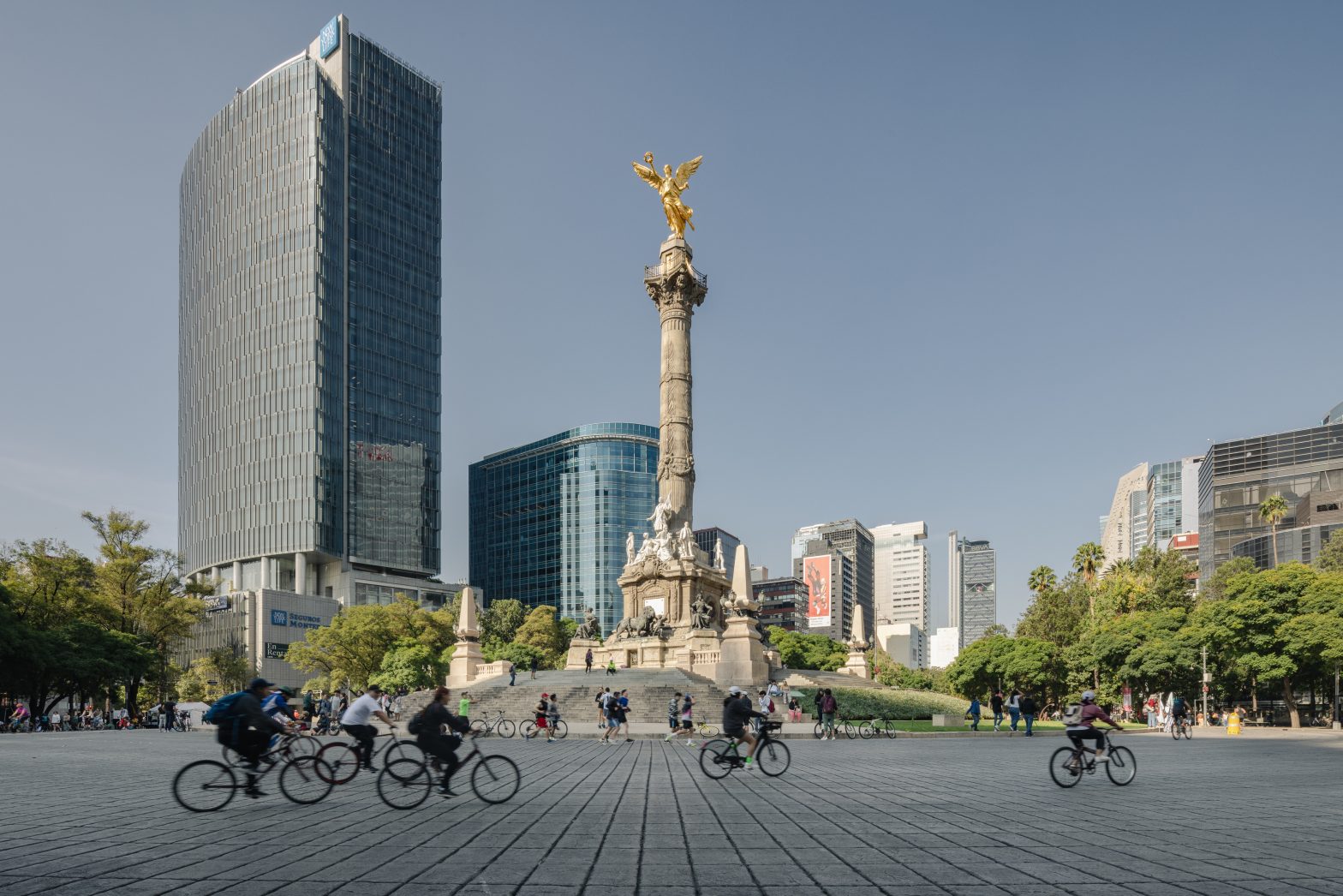
Today, Reforma is a breathtaking open-air gallery. You’ll find legendary monuments emerging from the greenery: the Diana the Huntress fountain, the Ahuehuete roundabout, the Monumento a Cuauhtémoc (honoring the last Aztec ruler), and the iconic golden wings of the Angel of Independence.
The Angel of Independence
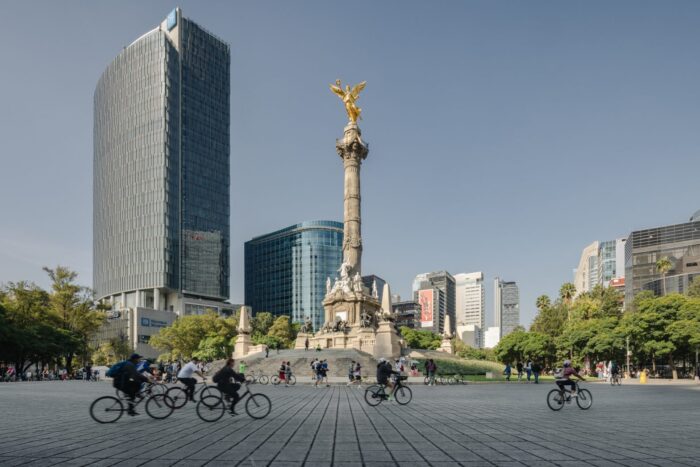
Commissioned by Porfirio Díaz to mark the centenary of the War of Independence, this monument was designed by Antonio Rivas Mercado and inaugurated in 1910. Atop its towering column rests a 6.7-meter statue of the Greek goddess Nike (the personification of victory), plated in 24-karat gold. Beneath the column lies a mausoleum holding the remains of Mexico’s national heroes.
Pro-Tip: Reforma is part of the city’s luxury real estate market. Look up at Torre Mayor—once Latin America’s tallest building. Its innovative, earthquake-proof design is an engineering marvel. Explore it by bike, on foot, or via the double-decker Metrobús.
Zona Rosa: Nightlife & LGBTQ+ Culture
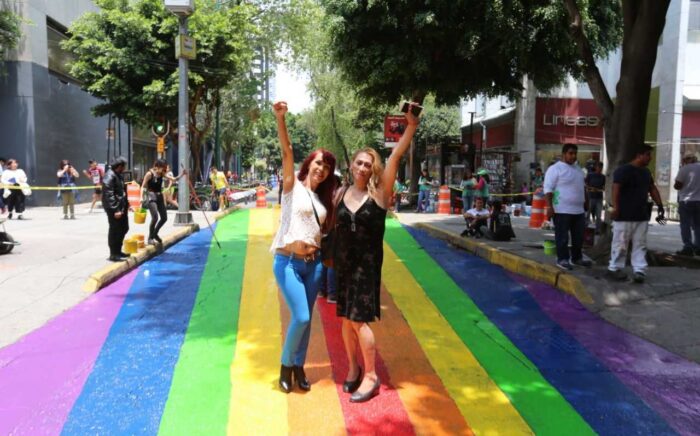
Zona Rosa (the “Pink Zone”) is a vibrant commercial district within Colonia Juárez, famous for its galleries, boutiques, and, most importantly, its status as the heart of LGBTQ+ life in the city.
- A Symbol of Freedom: The Diana the Huntress fountain at the entrance of the district was considered scandalous when it debuted in 1942 due to its depiction of a nude woman. It set the tone for a neighborhood that has always pushed boundaries.
- A Safe Haven: In the 1950s, the area was a bohemian hub for writers and intellectuals. By the 70s and 80s, it became a refuge where the LGBTQ+ community could express themselves freely, far from the discrimination found elsewhere at the time.
Little Korea (K-Town)
Deep within Zona Rosa lies a bustling corridor of Korean culture. From the early 20th-century henequen farmers to the post-Korean War migration in the 60s, the Korean community has built a home here. Today, thanks to the global K-Pop and K-Drama boom, it is a trendy spot for locals and tourists alike.
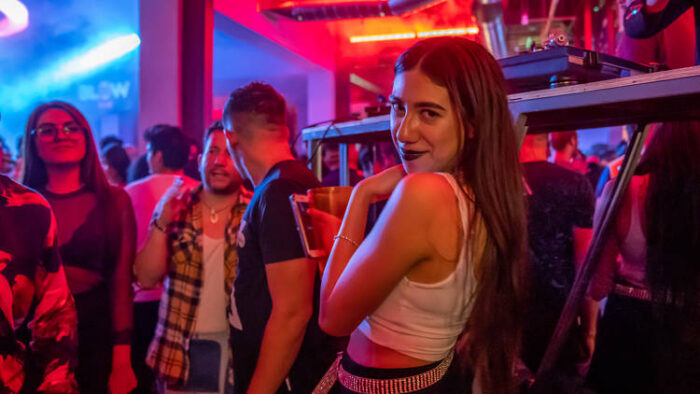
- Where to Party:
- Kinki (Amberes 1): A three-story icon featuring a terrace, karaoke, and cabaret.
- Rico Club (Niza 45): Famous for high-energy drag shows and non-stop dancing.
- Reven (Génova 59): A massive, popular venue for dining and late-night dancing.
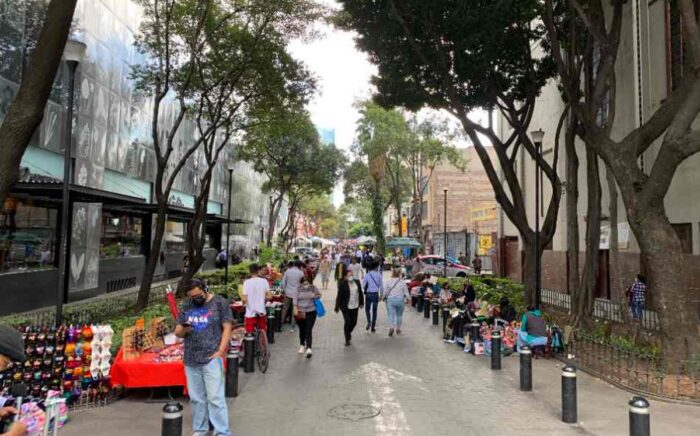
- K-Culture Hotspots: Between Niza and Praga streets, you’ll find spas, Korean skincare boutiques, K-Pop karaoke bars, and “boba” (bubble tea) shops.

Culture & Museums in the Corridor
- Benjamin Franklin Library: The US Embassy’s library, home to over 20,000 English titles and regular film events.
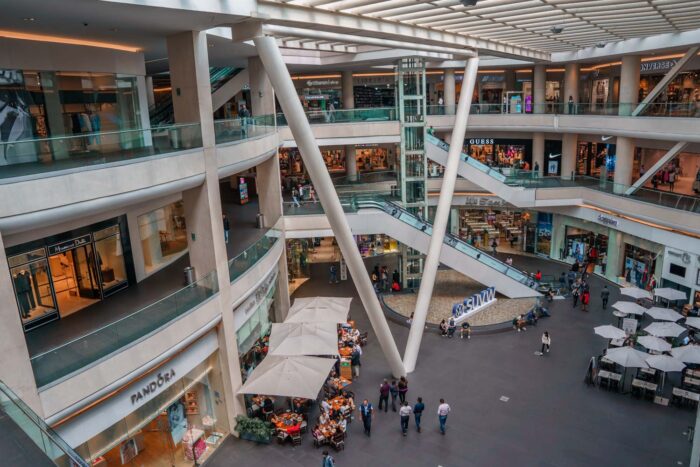
- Bazar Fusión (Londres 37): A stunning old mansion housing the best of contemporary Mexican design, furniture, and sustainable fashion.
- MUCHO (Chocolate Museum, Milán 45): A sensory journey through the history of cacao. Don’t leave without visiting the Fonda del Cacao for a taste.
- The Incredible & The Odd: Visit the Wax Museum (Londres 6) and Ripley’s Believe It or Not! for everything from historical figures to shrunken heads and a toothpick-made piano.
- Digital Culture Center: Located under the Estela de Luz (Pillar of Light), this underground space offers free multimedia art exhibitions and workshops exploring the intersection of tech and culture.
“Chilango” Pro-Tips: Hidden Gems
- Colonia Tabacalera: For a truly local feel, visit this legendary neighborhood. It’s home to the National Museum of San Carlos, a Manuel Tolsá masterpiece holding European art from the 14th to the 20th century.
- Revolutionaries: Did you know? It was in a Tabacalera apartment that Che Guevara and Fidel Castro first met to plan the Cuban Revolution.
- Plaza de la República: Visit the massive Monumento a la Revolución. You can take a glass elevator to the top for panoramic views or visit the Revolution Museum in the basement.
- The Art Market: On Sundays, don’t miss the open-air art market behind the Monumento a la Madre (Monument to Mothers), an Art Deco landmark designed to honor Mexican heritage.
- Classic Cantinas: For an authentic bohemian afternoon, head to El Mirador or Bar Oxford, where journalists and writers still gather to play dominoes and talk shop.
How to Get There
- Metro: Line 2, Sevilla station.
- Metrobús: Line 7, El Ángel station.
- Metro: Line 2, Insurgentes or Sevilla stations.
- Metrobús: Line 1, Insurgentes or Hamburgo stations.
Ángel Information Module: Located on the corner of the Angel of the Independence roundabout. Open daily, 9:00 AM – 6:00 PM.