

Queretaro
Where Mexico’s history unfolded among plazas, vineyards, and mountains
Queretaro is a state that helps explain Mexico through multiple layers. Within short distances, landscapes shift dramatically, decisive chapters of national history unfold, and a contemporary identity takes shape through food, wine, and an unhurried way of inhabiting the land. Located in the heart of the country, Queretaro played a central role in the Independence movement, the constitutionalist struggle, and key decisions that shaped Mexico’s political course. Walking through the capital means tracing streets where ideas were debated, alliances forged, and foundational moments quietly took place. Yet Queretaro is not defined by history alone. To the north, the Sierra Gorda reveals one of Mexico’s most diverse and contrasting ecosystems, where tropical forest, pine-covered mountains, canyons, and rivers coexist with rural communities that have learned to live in close balance with their surroundings. Designated a Biosphere Reserve, this region is also home to 18th-century Franciscan missions, architectural and spiritual landmarks recognized as World Heritage sites. Together, they tell a complex story of cultural encounter, adaptation, and survival. The semidesert offers another transformation. Here rises Pena de Bernal, one of the largest monoliths in the world, standing watch over a small town where daily life moves at a measured pace. Surrounding it, vineyards and artisanal cheese producers have shaped one of Mexico’s most established gastronomic routes. Queretaro’s wines, shaped by a demanding climate, and its cheeses, made using inherited techniques, reflect a region that looks ahead while remaining deeply rooted. Queretaro is defined by contrast: layered history and living nature, colonial architecture and mountain roads, long-held traditions and an evolving culinary scene. It is a destination for travelers interested in understanding Mexico beyond the surface, taking time to taste it carefully and experience it with attention and curiosity.
Why to Visit
Because Querétaro does not aim to impress at first glance; it invites discovery. It is a state that helps explain Mexico, allowing you to move within short distances from the historic theater where the nation’s laws were written to the surreal silence of the Sierra Gorda. It balances a colonial heart with a modern pulse, offering a journey that is diverse, safe, and deeply layered—a destination that tends to stay with you longer than expected.
Key Destinations
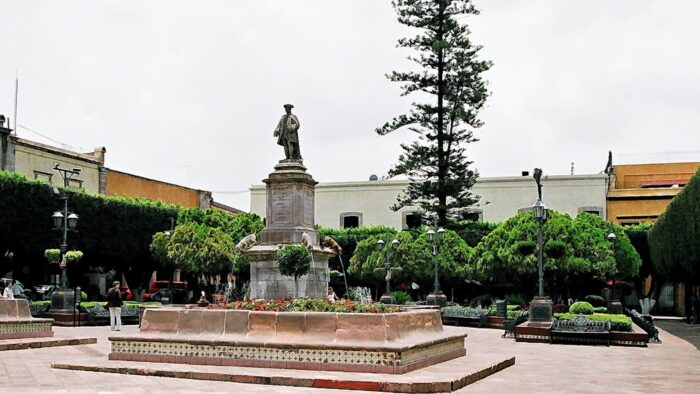
Santiago de Querétaro
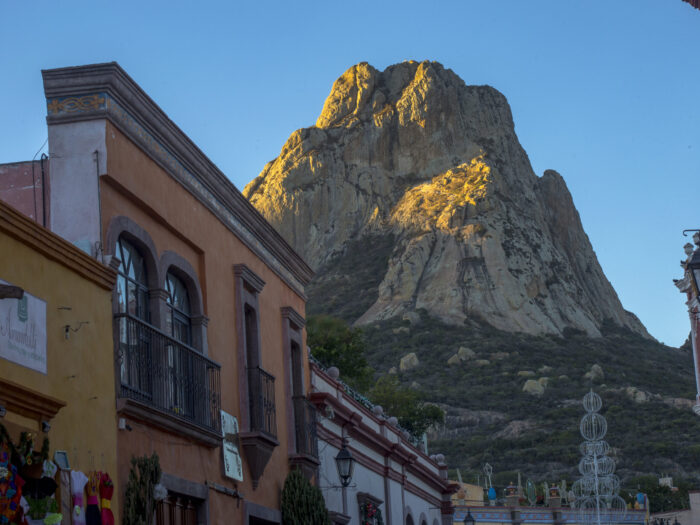
Peña de Bernal
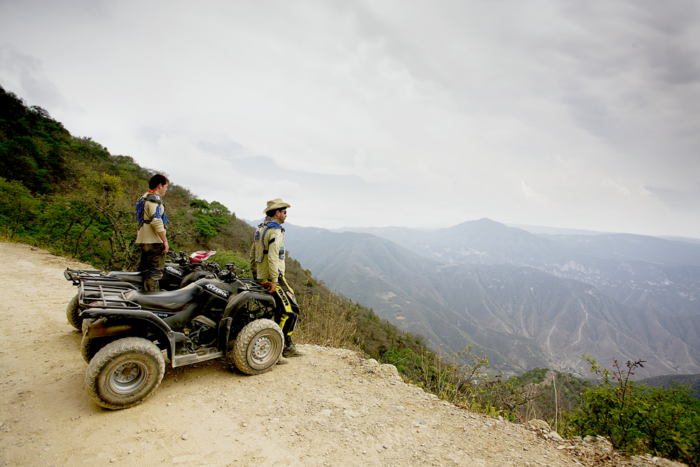
Sierra Gorda
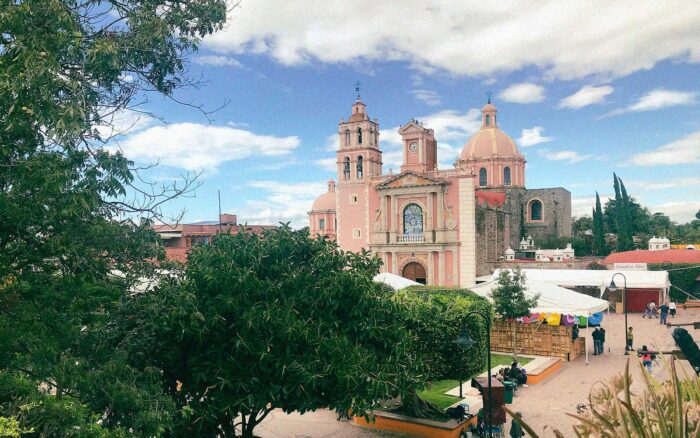
Tequisquiapan
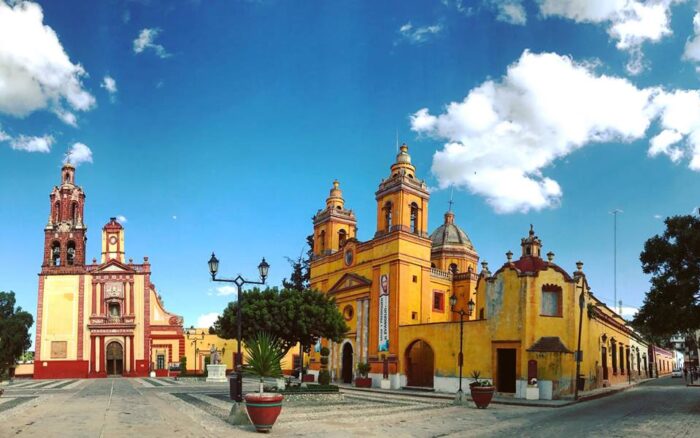
Cadereyta de Montes

Bernal
HIGHLIGHTS
The Signature Experience
A walk through history
Museums, temples, and walking routes in Santiago de Queretaro.
Exploring the Sierra Gorda
Hiking trails, waterfalls, and baroque missions set within protected nature.
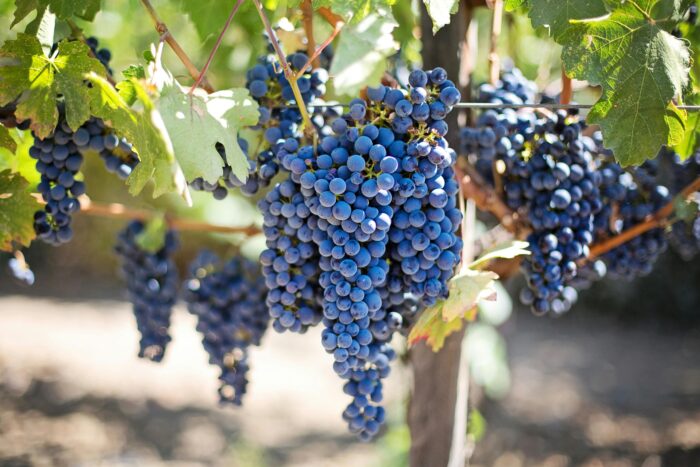
Wine & Cheese Routes
Exploring the high-altitude vineyards of Querétaro.
BEST FOR
Regional Vibes
Viticulture & History Querétaro is the Good Life destination of the center. Vocation: Wine, Cheese, and History. It blends a UNESCO historic center with a booming wine region.
#The Oenophile
Momentours
Green season in the Sierra Gorda
SummerFull rivers, active waterfalls, and vivid landscapes.
Harvest season
July to SeptemberWine festivals with tastings, music, and regional cuisine.
Independence Day
September 15 -16Travel toolkit
Querétaro enjoys a mild semi-desert climate for most of the year. The best season to visit is from October to April. Summers bring brief rains and greener landscapes , while winters offer cool nights and sunny days.
Getting there: international airport in the capital; well-connected highways from Mexico City.
- Aeropuerto Intercontinental de Querétaro (QRO). Moderno y funcional, recibe vuelos directos de importantes Hubs de EE.UU. (Houston, Dallas, Chicago) y destinos nacionales.
- Buslines: La conectividad terrestre es de excelencia. La Terminal de Autobuses de Querétaro (TAQ) es una de las más importantes del país. Las líneas Primera Plus y ETN ofrecen servicio de lujo y ejecutivo con conexiones frecuentes (cada 30-60 min) desde la Ciudad de México (Central del Norte y Aeropuerto CDMX), así como desde todo el Bajío.
Uber y Didi funcionan perfectamente en la zona metropolitana. Para la Ruta del Queso y Vino o la Sierra Gorda, es altamente recomendable alquilar un auto o contratar transporte privado para disfrutar las catas sin preocupaciones.
Living Heritage
Cultural Roots
The Otomí-Chichimeca Memory. In the semidesert and the Tolimán region, the Otomí-Chichimeca people maintain “Memorial Chapels” and pilgrimage traditions that are recognized by UNESCO. This living heritage coexists with the viceregal splendor of the capital, where the aqueduct stands as a symbol of colonial engineering and civic pride.
Living Heritage
Culinary Soul
- Queretaro-style gorditas
Made with cracked corn and filled with traditional stews. - Nopal and Otomi dishes
Cuisine closely tied to land and seasonal cycles. - Artisanal wines and cheeses
Notably sparkling wines and sheep’s milk cheeses.