

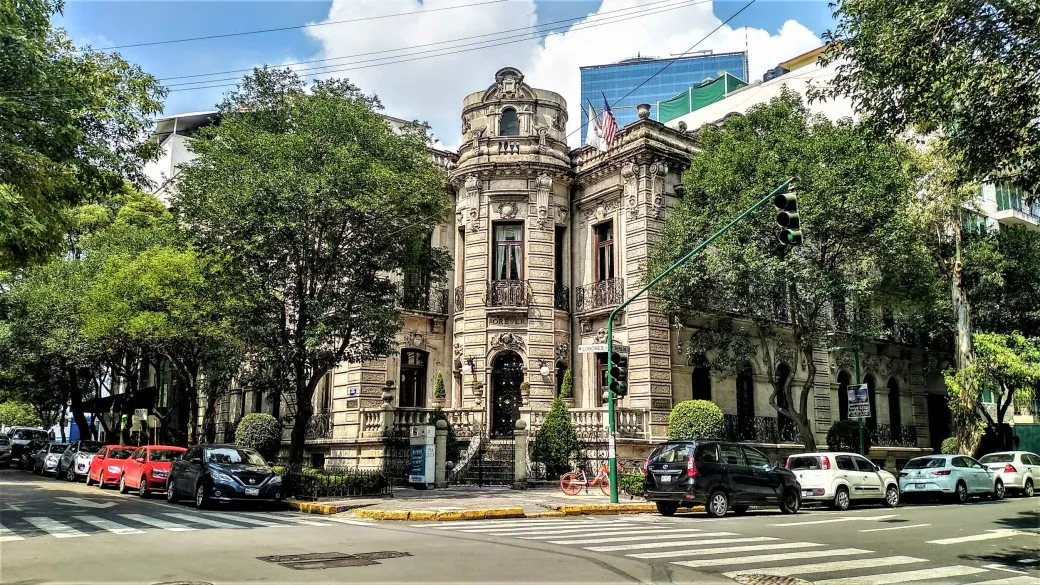
Roma – Condesa: The Bohemian Corridor
Discover Art Deco Charm, World-Class Dining, and the Bohemian Soul of CDMX’s Twin Neighborhoods
Both neighborhoods began to take shape at the dawn of the 20th century. Condesa was originally part of a massive hacienda belonging to the Countess of Miravalle, María Magdalena Dávalos y Orozco. After being widowed with nine children, she managed her estates with such skill that they eventually spanned 160,000 square meters. Following her death in 1777, the land was sold, eventually becoming a planned residential area centered around a horse racing track (the Hipódromo) built in 1910.
Its neighbor, Colonia Roma, rose from the former “potreros” (pastures) of La Romita—an ancient pre-Hispanic settlement once known as Aztacalco. In the early 1900s, real estate mogul Walter Orrin (who also owned a famous circus) transformed the area into an elite enclave. Fun fact: Orrin named the streets after the Mexican cities where his circus received the loudest applause.
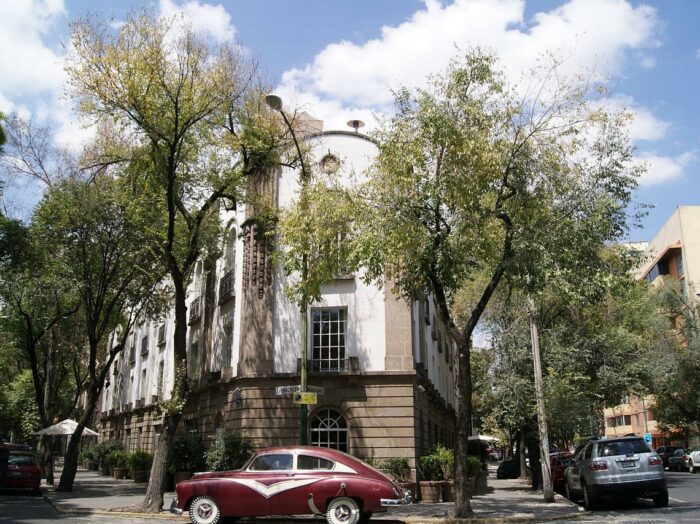
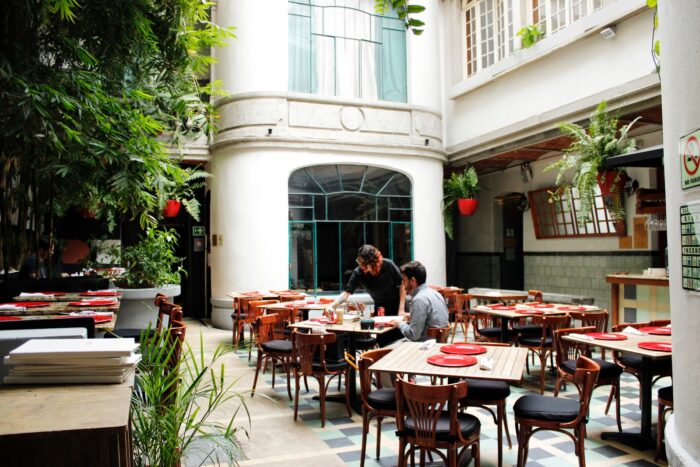
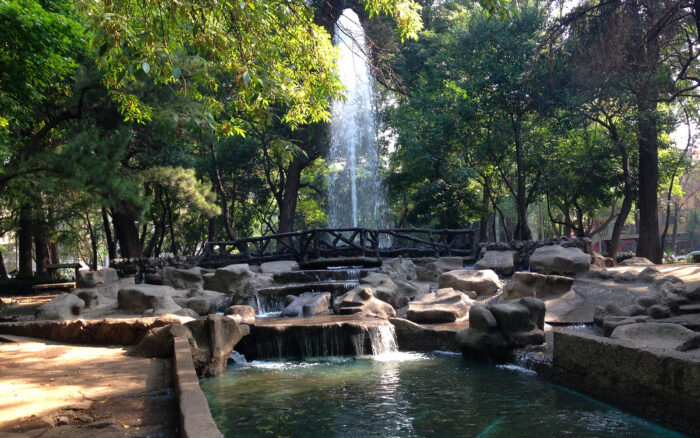
The Draw: Bohemian Vibes and Hipster Energy
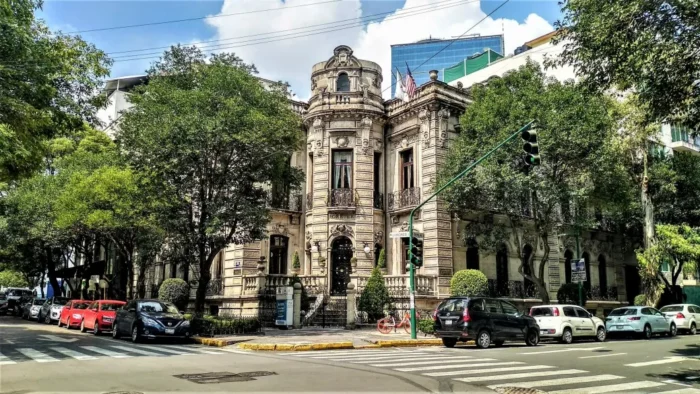
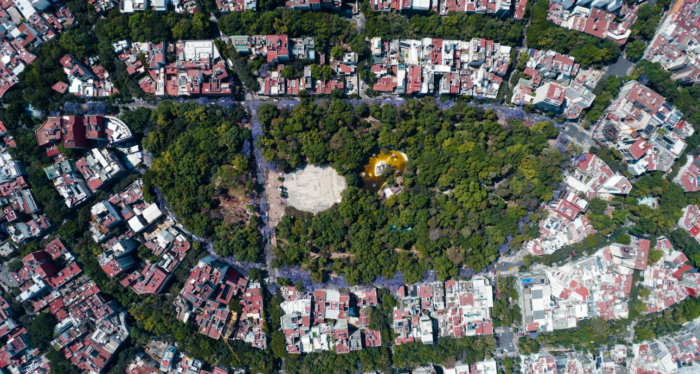
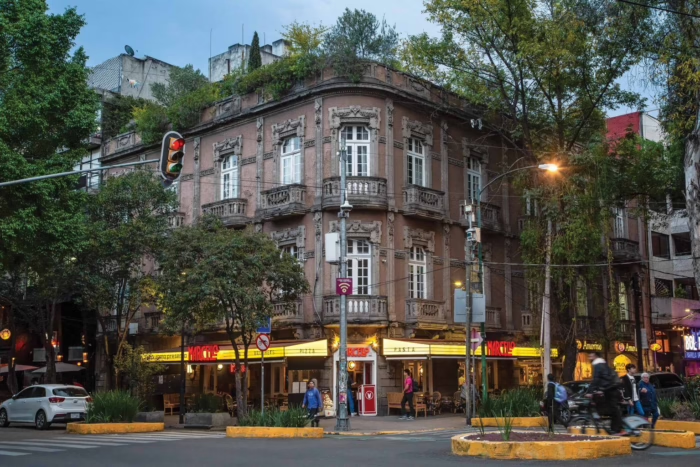
Drawing from their European-inspired roots, Roma and Condesa have evolved into the city’s heart of all things artistic, alternative, and urban. These “mirror neighborhoods” are famous for their lush parks and a stunning mix of Neoclassical, Eclectic, Art Deco, and Art Nouveau architecture. Whether you are browsing secret bookstores, sipping artisan coffee, or cycling down tree-lined avenues, this corridor offers a captivating blend of old-world charm and contemporary cool.
Exploring Condesa (West of Insurgentes)
- Parque México: This Art Deco jewel is the neighborhood’s social soul. Highlights include the Lindbergh Forum, the Fuente de los Cántaros (Pitcher Fountain), and the iconic clock tower. The surrounding buildings, like the “Edificio México,” are Instagram staples. Explore the perimeter to find designer boutiques, vintage shops, and cozy cafes.
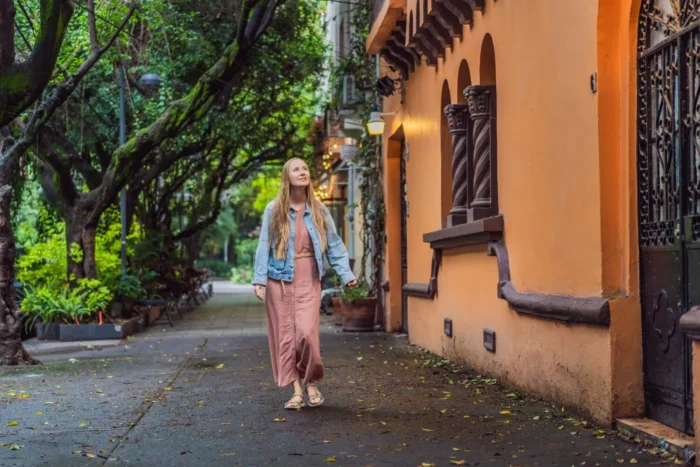
- Avenida Ámsterdam: Built along the original elliptical shape of the racetrack, this street is a lush, shaded circuit perfect for a walk or a bike ride, lined with some of the city’s best eateries.
- Parque España & Tamaulipas St.: A vibrant area for foodies. Don’t miss Nevería Roxy, a legendary ice cream parlor with 80 years of history and unique Mexican flavors.
- Bella Época Cultural Center: Housed in the former Cine Lido, this Art Deco landmark now hosts the Rosario Castellanos bookstore (one of the largest in Latin America), a cinema run by the Cineteca Nacional, and an art gallery for emerging talent.
- Dining Scene: From high-end gastronomy like Merotoro and Contramar to the traditional flavors of the Yucatan at Xel Ha, there is something for every palate. For a casual bite, check out the Condesa Gastronomic Market.
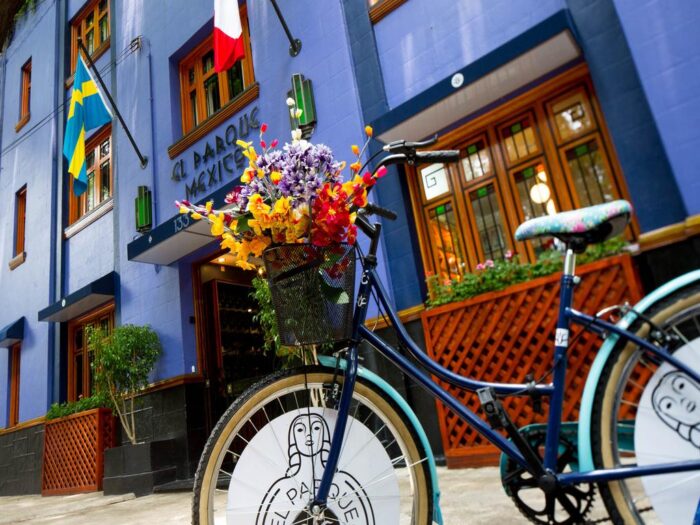
Exploring Roma (East of Insurgentes)
While Condesa is leafy and relaxed, Roma feels more “stately,” defined by its Belle Époque and Art Nouveau mansions.
- Architectural Landmarks: Look for the “Castillo de las Brujas” (Witch’s Castle) overlooking Plaza Río de Janeiro, famous for its Gothic-style brick facade. The Balmori Building is another must-see example of the neighborhood’s early 20th-century elegance.
- Álvaro Obregón Avenue: The neighborhood’s main artery. Walk down the central island (camellón) to admire the sculptures and stop at the numerous terraces and galleries along the way.
- Casa Lamm: A stunning mansion turned academic and arts center. It features a specialized library and a high-end gallery.
- Guillermo Tovar de Teresa Museum: A Porfirian-era house showcasing the personal collection of the city’s great chronicler, including fine furniture, paintings, and rare books.
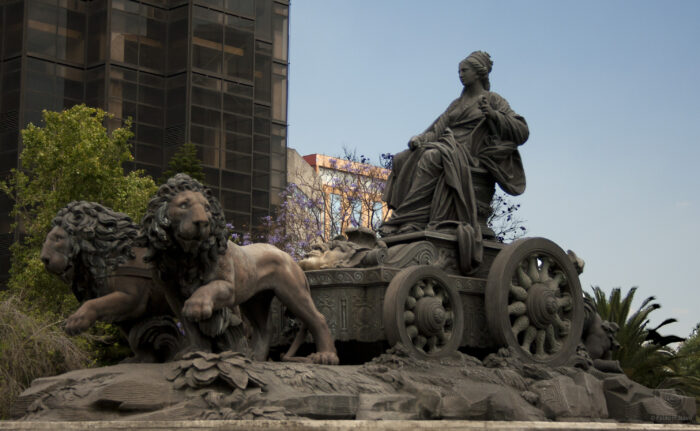
- The Cibeles Fountain: A faithful replica of the one in Madrid. The surrounding plaza is a popular hangout spot; try a pizza at Cancino as the sun sets.
- Gastronomic Innovation: Mercado Roma is a hipster paradise for tapas and vegan treats, while Mercado Medellín offers authentic flavors from across Latin America. For Asian food lovers, Mikasa (a Japanese grocery and grill) and Mog Bistro are local legends.
Chilango Pro-Tips
- Walk it: This corridor is best explored on foot to catch all the hidden street art and small boutiques.
- Go early for peace: In the mornings, you’ll have the tree-lined streets almost to yourself, accompanied only by birdsong.
- Stay late for the vibe: The area truly comes alive at night when the bars and terraces fill with locals and travelers.
- Cash is king (sometimes): While most places take cards, keep some cash for small street stands or traditional markets.
How to Get There
- Line 1: Cuauhtémoc, Insurgentes, Sevilla, Chapultepec, and Juanacatlán.
- Line 3: Hospital General and Centro Médico.
- Line 9: Centro Médico and Chilpancingo.
- Line 1: Nuevo León, Chilpancingo, Campeche, Sonora, Álvaro Obregón, Durango, and Insurgentes.
- Line 3: Cuauhtémoc, Jardín Pushkin, Dr. Márquez, Hospital General, and Centro Médico.
Look for the third-generation multimedia stations scattered throughout both neighborhoods.
- Hours: 5:00 AM – 12:30 AM.
- Pro-tip: Download the