


DESTINATION
Santiago de Queretaro
A Historic City Where Colonial Heritage Meets Contemporary Culture
Destination Vibes
Why to Visit
Arcades of stone, shaded plazas, and baroque churches frame the historic landscape of Santiago de Queretaro. These streets were the setting for key episodes in Mexico’s national story, including early independence conspiracies and later political decisions that helped shape the modern country. Today, that past coexists with a lively urban culture. Cafes, galleries, and small restaurants animate the historic center, while eighteenth-century mansions reveal hidden courtyards and architectural details that reflect the long cultural history of the Bajio.
HIGHLIGHTS
The Signature Experience
Don't Miss
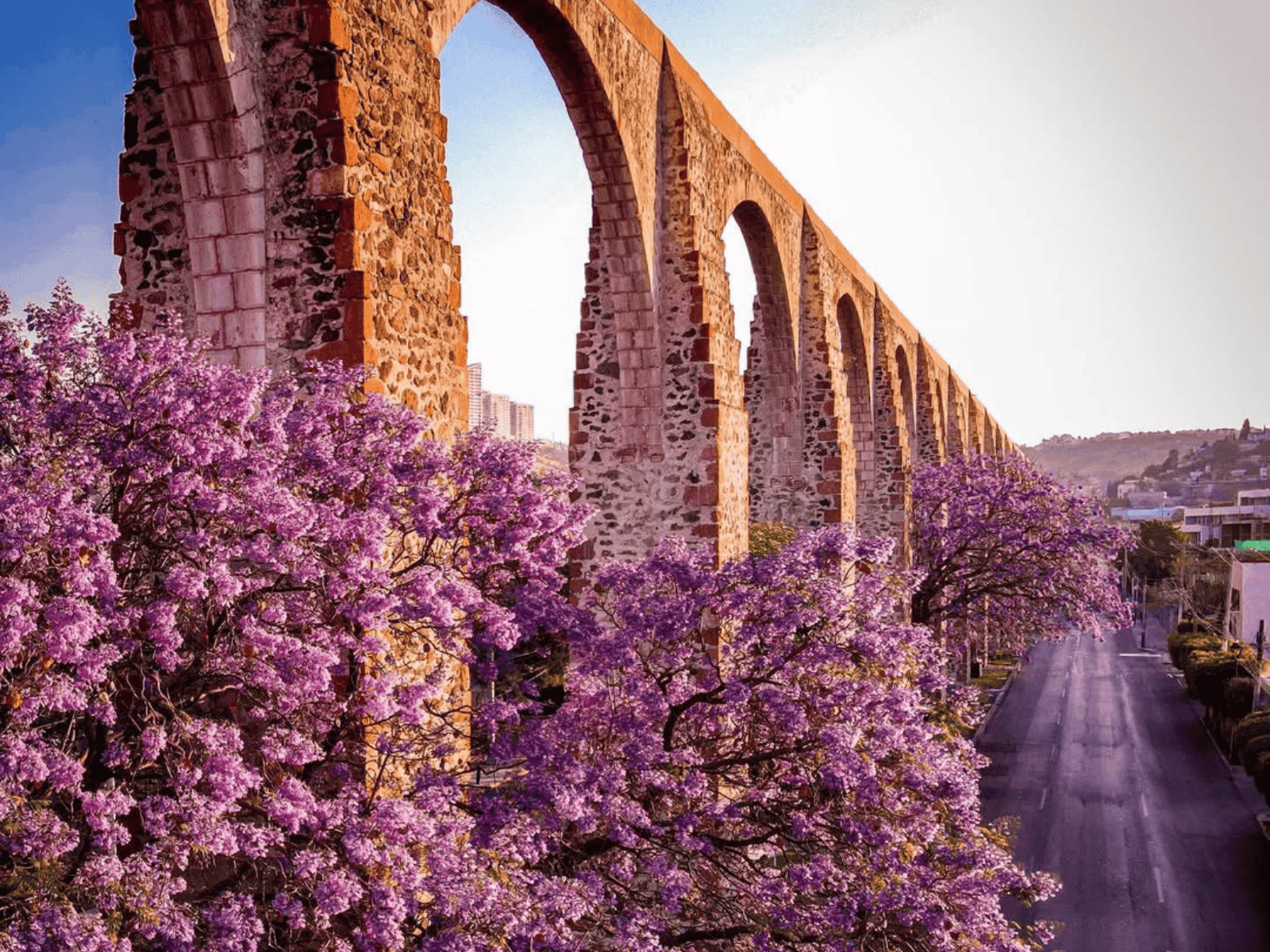
Photo: México Desconocido
Aqueduct of Queretaro
The city’s most recognizable landmark and one of the most important hydraulic engineering works from colonial Mexico.
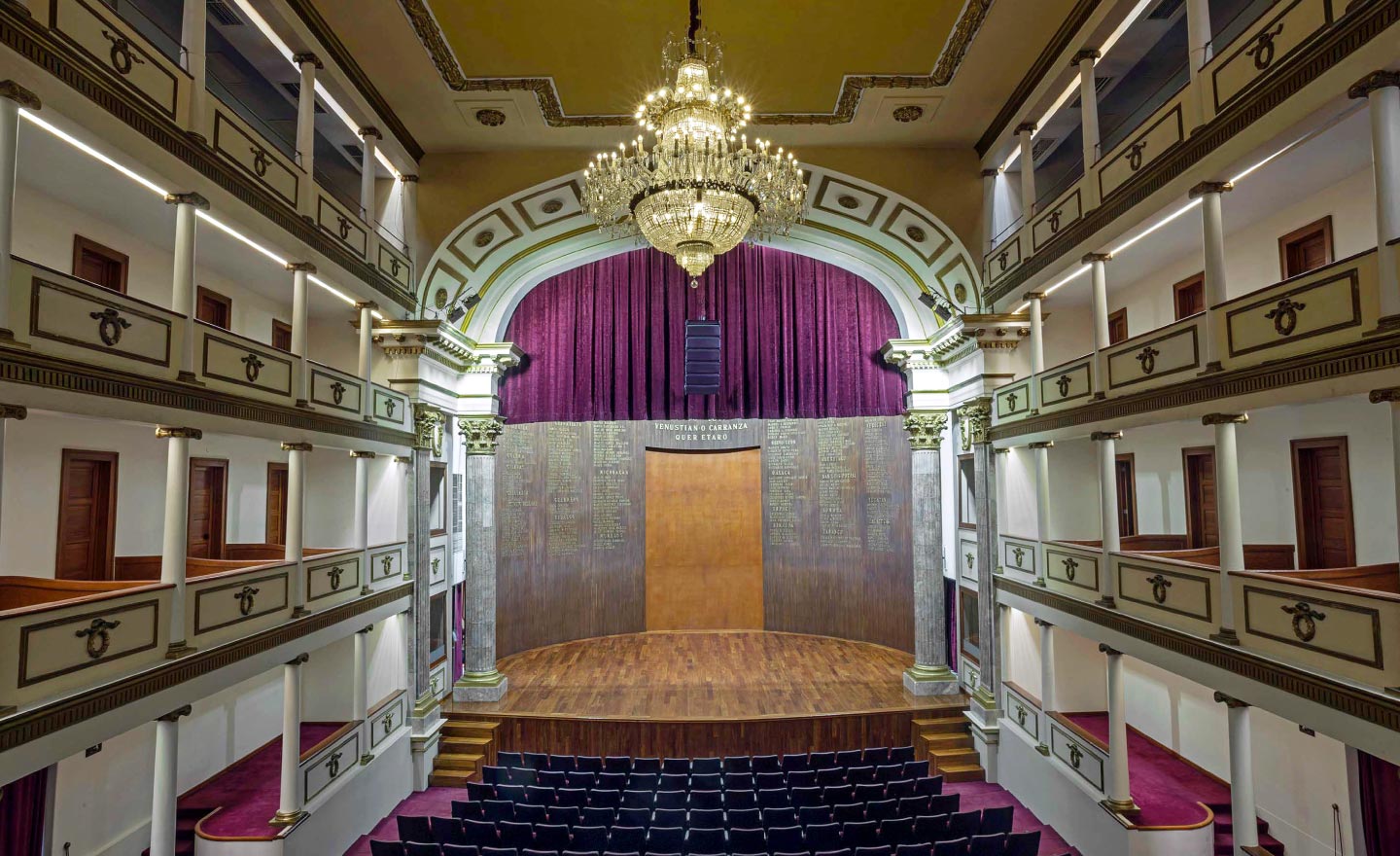
Photo: escapadas.mx
Teatro de la Republica
A historic theater where Mexico’s Constitution of 1917 was promulgated, marking a defining moment in the country’s political history.
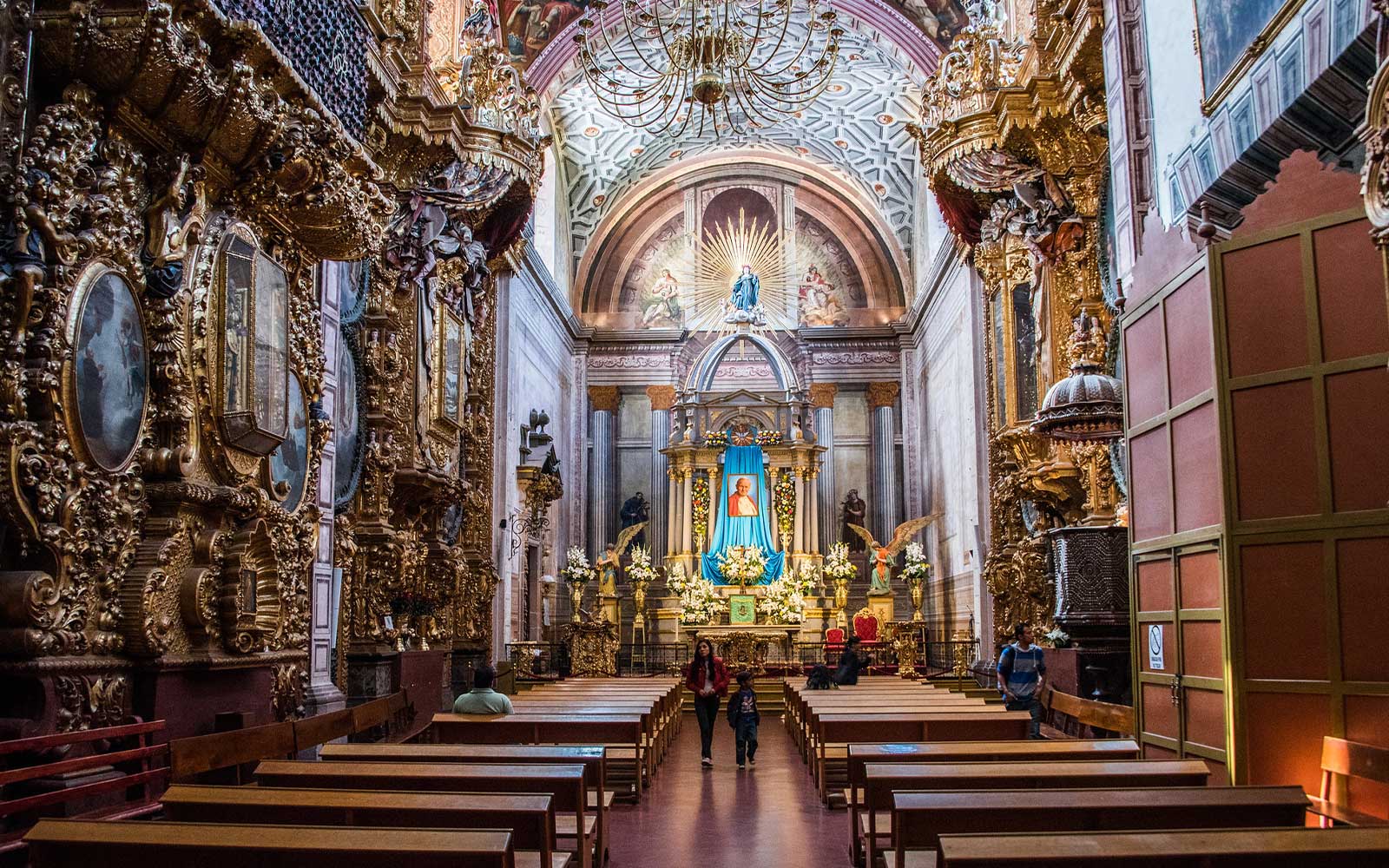
Photo: escapadas.mx
Temple of Santa Rosa de Viterbo
One of the finest examples of baroque architecture in Queretaro, known for its elaborate design and artistic details.
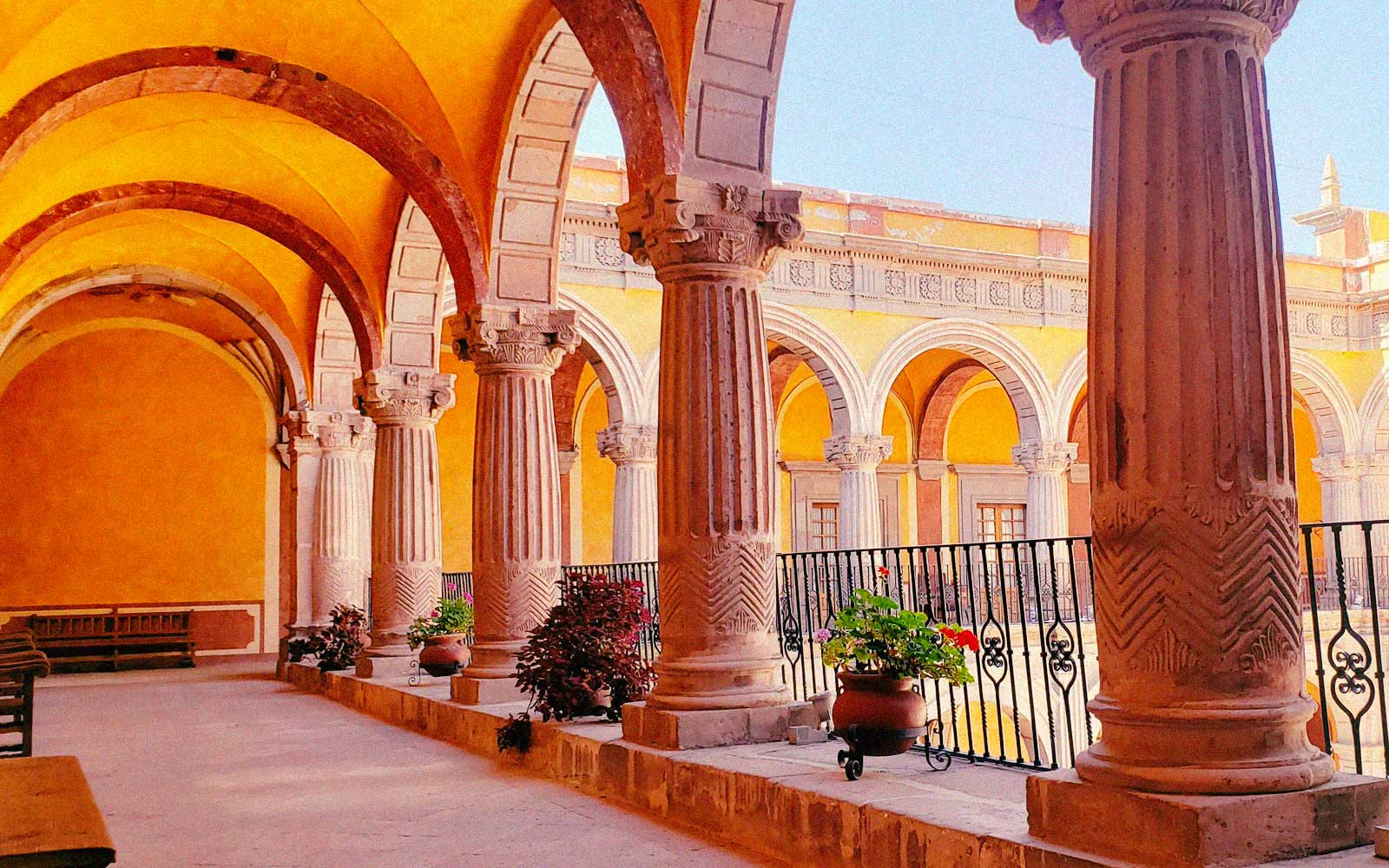
Regional Museum of Queretaro
Located in a former Franciscan convent, the museum offers a comprehensive look at the cultural and historical development of the state.
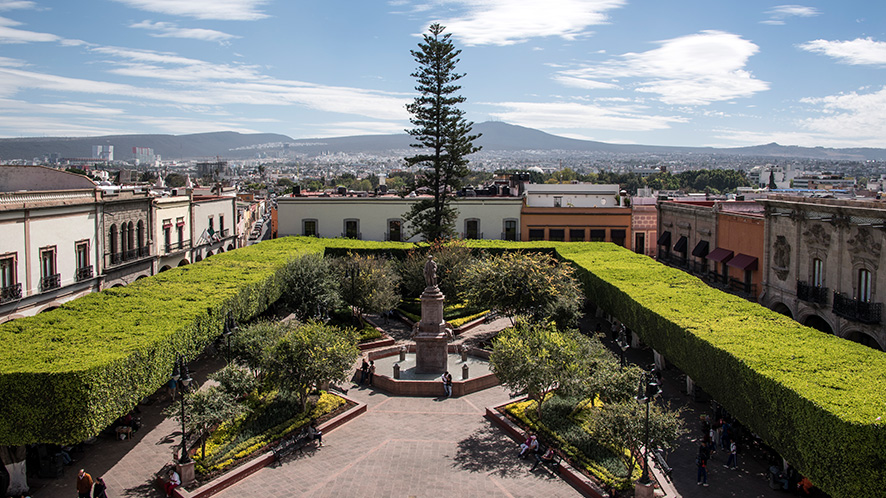
Photo: escapadas.mx
Plaza de Armas
The social heart of the historic center, surrounded by colonial buildings, restaurants, and terraces where daily life unfolds.