

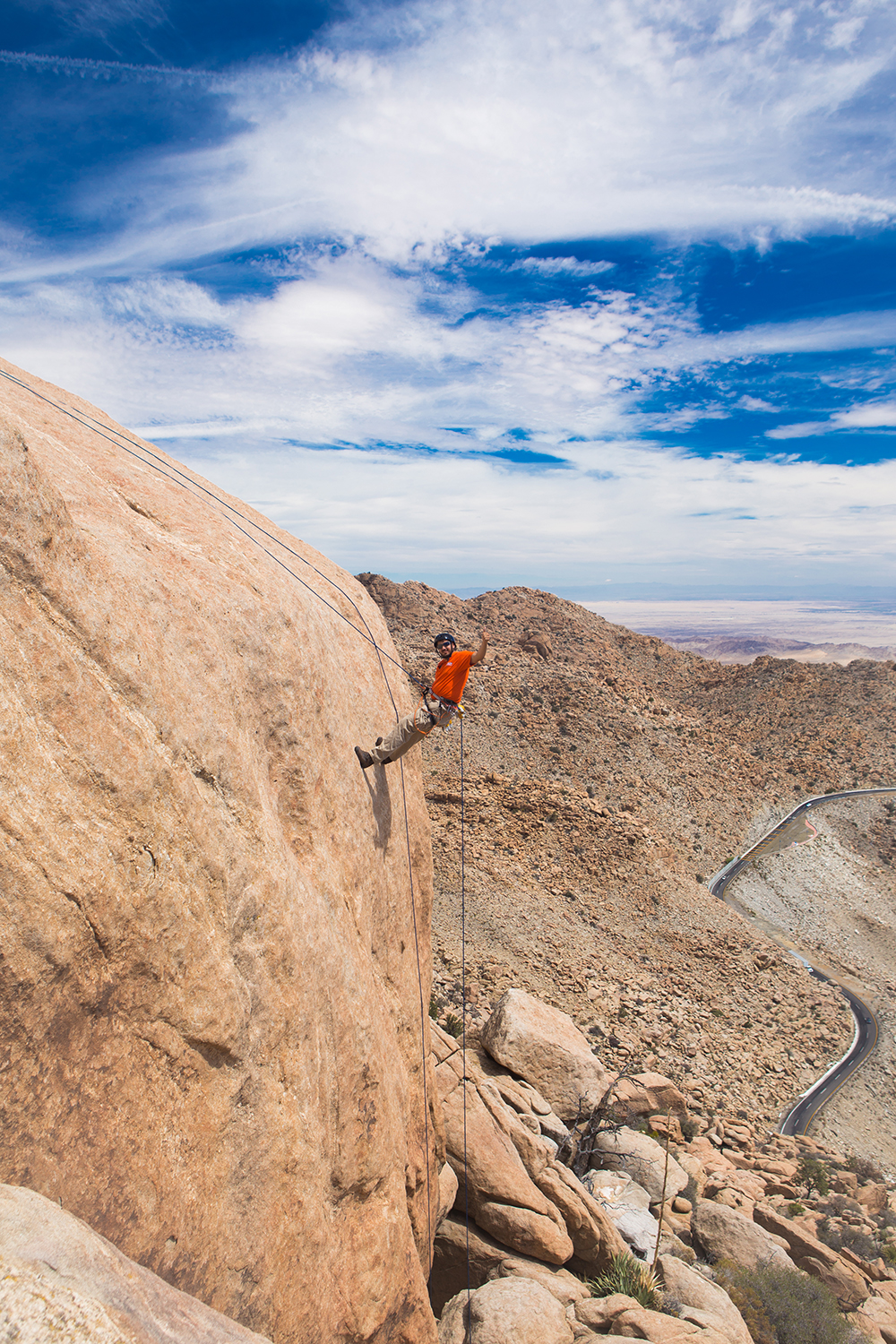
DESTINATION
Tecate
A Mountain Town on Mexico’s Northern Wine Route
Destination Vibes
Why to Visit
Tecate sits within a landscape of mountains, oak forests, ranches, and vineyards shaped by a mild climate similar to parts of the Mediterranean. Rural roads connect small farms and wineries, while the silhouette of Cerro Cuchuma rises above the valley. The town itself maintains the atmosphere of a traditional northern community, with bakeries, local markets, and plazas that encourage unhurried exploration. Together, these elements reveal a quieter perspective on Baja California, where everyday life unfolds between agriculture, nature, and regional traditions.
HIGHLIGHTS
The Signature Experience
Don't Miss
El Vallecito Rock Art Site
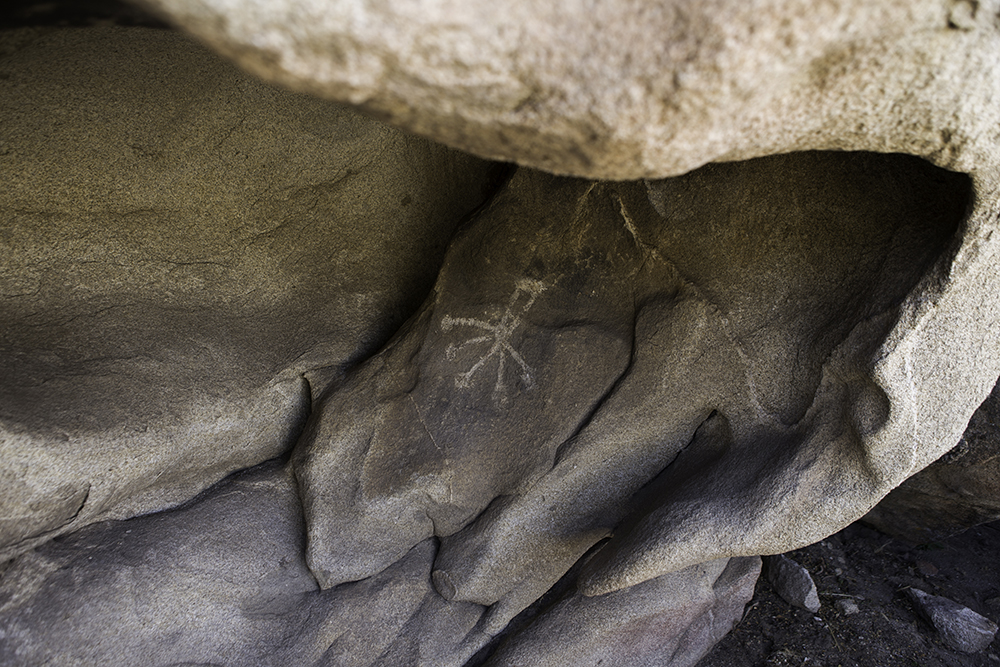
Located on the western slopes of the Sierra Juarez, El Vallecito is an archaeological site containing rock shelters that preserve ancient Kumiai paintings. Trails lead visitors past rock formations where mineral pigments depict geometric shapes, animals, and human figures in white, black, red, and yellow.

Don Juan Winery
South of Tecate along the road from Ensenada lies Don Juan Winery in the fertile Valle de las Palmas. This small winery focuses on environmentally responsible production and has received awards for the quality of its wines.

Tecate Brewery
Tecate is home to one of Mexico’s most recognizable beer brands. Visitors can tour the brewery facilities, learn about the brewing process, visit a small museum, and sample the beer produced on site.
Vinoteca Tecate
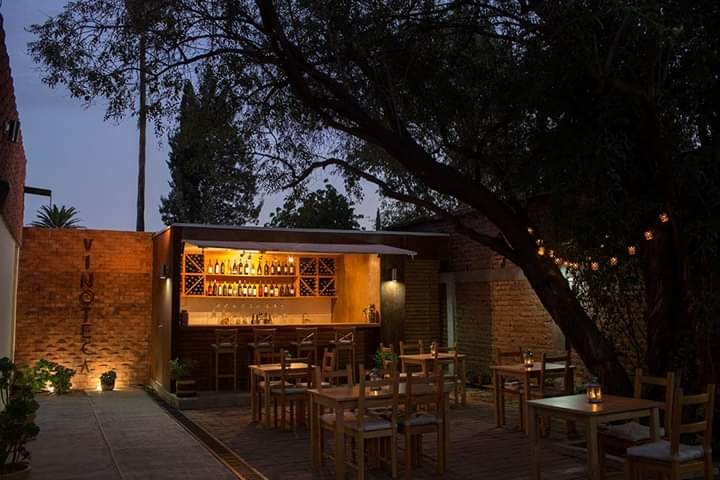
In the center of town, Vinoteca Tecate Restaurant-Bar offers a selection of local and regional wines, craft beers, and regional dishes. The patio seating area is a popular place to spend an evening in the town center.
Cerro Cuchuma
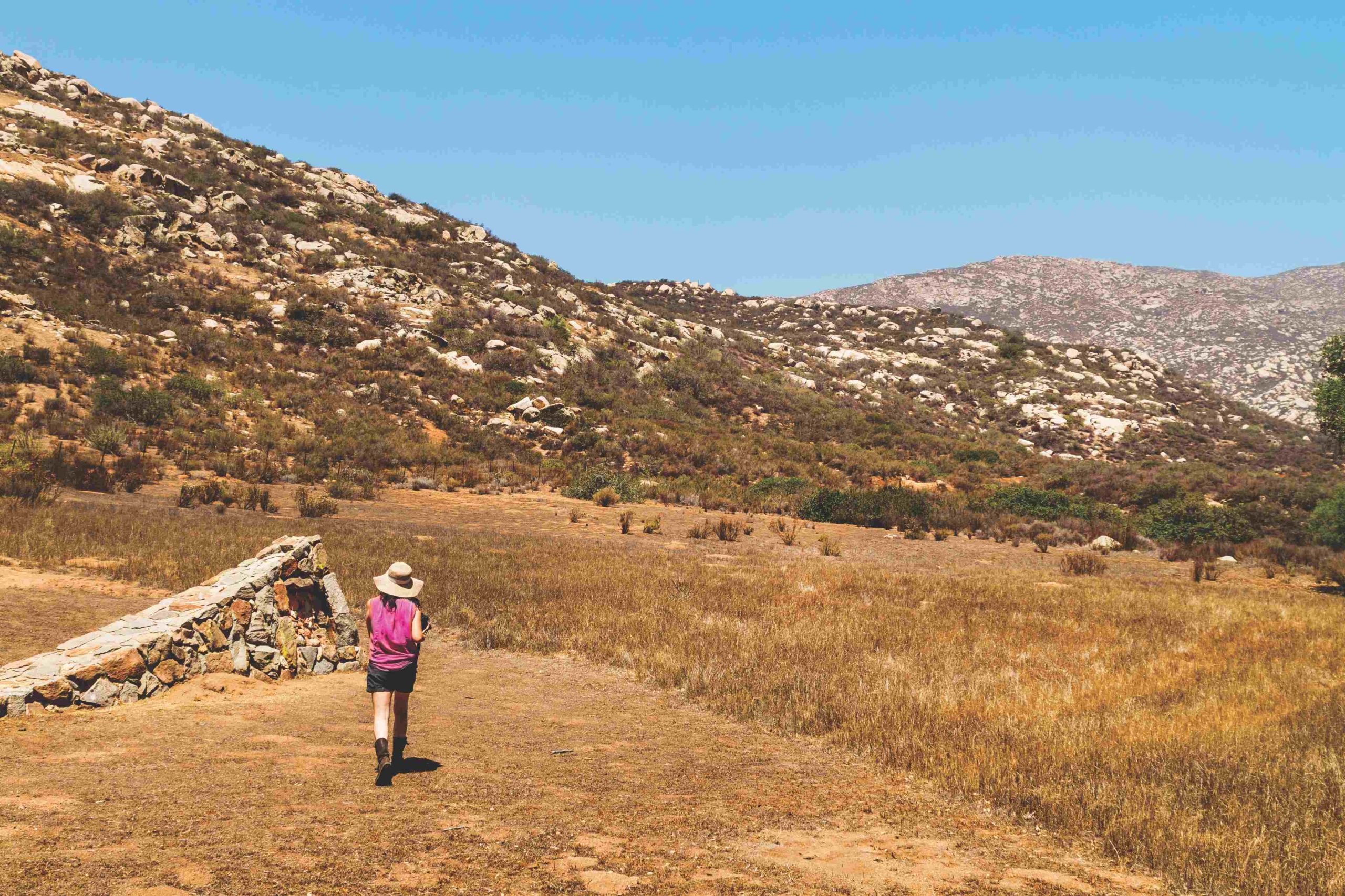
Cerro Cuchuma dominates the horizon above Tecate and holds deep cultural significance for the Kumiai people. Trails along its slopes offer views of the surrounding valleys while introducing visitors to the spiritual history connected to this mountain.
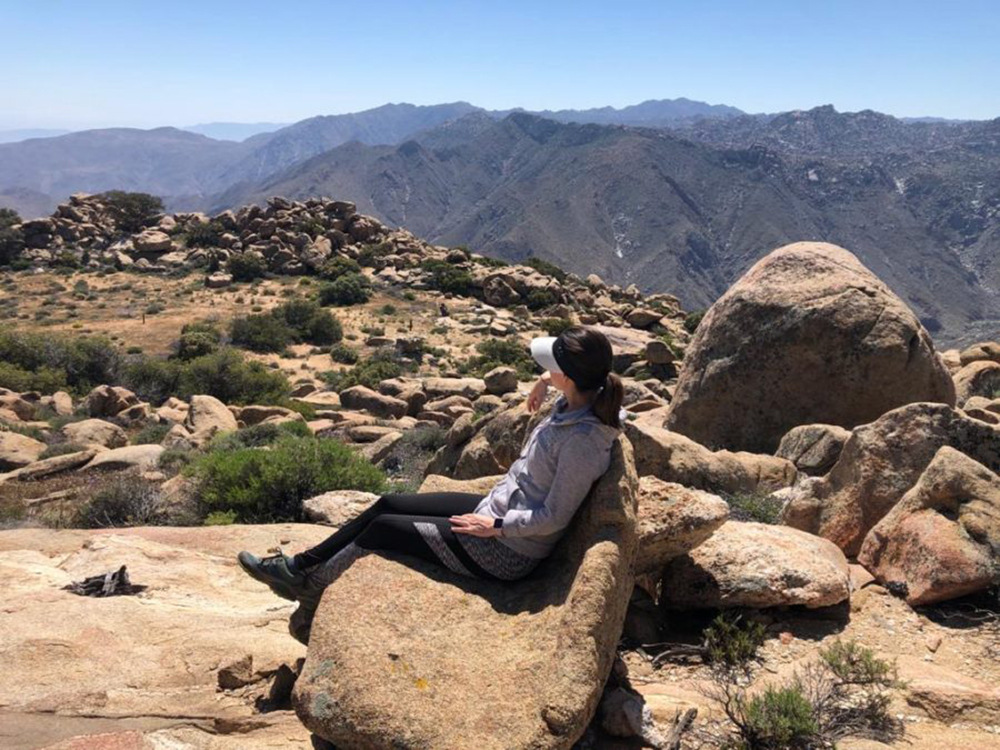
Scenic Views at La Rumorosa
La Rumorosa, located along the highway connecting Tecate and Mexicali, offers a series of viewpoints overlooking the desert landscape. Several observation points include lookout towers, telescopes, and installations created by local artists. From the Casa de Piedra viewpoint, visitors can see Cerro del Centinela, the Imperial Valley, and Laguna Salada in the distance. Nearby viewpoints such as Ojo de Aguila and El Condor feature sculptures referencing regional wildlife and conservation projects, including the reintroduction of the California condor in the San Pedro Martir mountains. Another stop along the highway includes the La Rumorosa viewpoint and the White Horse monument, inspired by the well-known Mexican song referencing the area.