


DESTINATION
Teotihuacan
A Planned Ancient City Under the Sun of the Valley of Mexico
Destination Vibes
Why to Visit
Teotihuacan offers a rare opportunity to experience one of the largest and most influential cities of pre-Hispanic Mesoamerica. Its scale becomes clear along the Avenue of the Dead, where pyramids, platforms, and ceremonial spaces align within a carefully planned layout. The site is not only archaeological; it is part of a broader cultural landscape that includes nearby towns, artisan workshops, and food traditions rooted in ancient ingredients. Visiting allows for a direct understanding of how architecture, astronomy, and daily life were interconnected.
HIGHLIGHTS
The Signature Experience
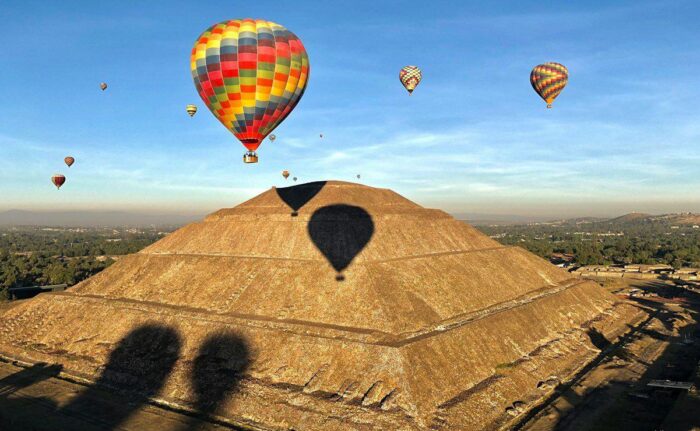
Don't Miss
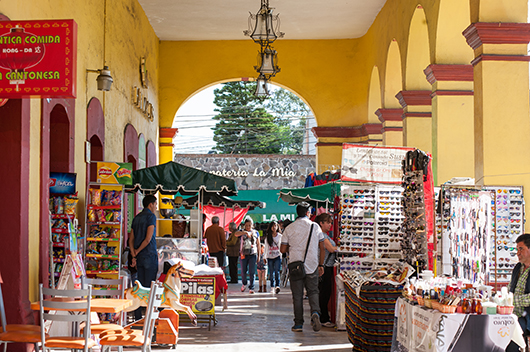
Photo: México Desconocido
San Juan Teotihuacan Center
The main square, portales, and kiosco provide a view of local life. Nearby landmarks include the Cathedral of the Divine Redeemer and the former convent of San Juan Bautista, founded in 1548.

Photo: Somos MXC
Museum of Teotihuacan Murals
Developed in collaboration with the National Autonomous University of Mexico, this museum presents mural fragments, ceramics, obsidian objects, and detailed explanations of artistic techniques used in the ancient city.

Photo: Somos MXC
Palace of Quetzalpapalotl
Located near the Pyramid of the Moon, this residential complex is believed to have housed an elite figure. Its columns are decorated with carved motifs representing a feathered butterfly, and its interior courtyard preserves detailed reliefs.
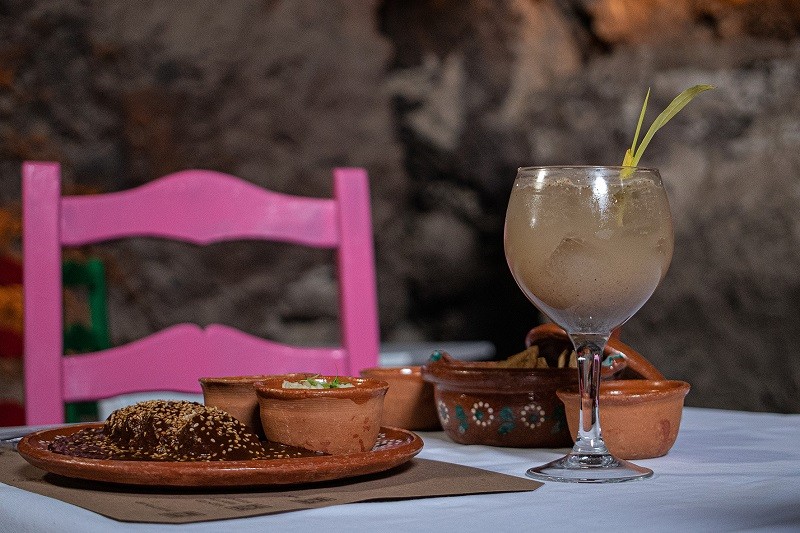
Photo: Revista Zócalo
Regional Cuisine
Local dishes include pozole and barbacoa broth, as well as preparations based on mushrooms, rabbit, and quail. Ingredients such as nopales and xoconostle are commonly used. More traditional options include escamoles (ant larvae), snails, and maguey worms, reflecting long-standing culinary practices in the region.