Tijuana
A Border City Where Culture and Creativity Converge
Why to Visit
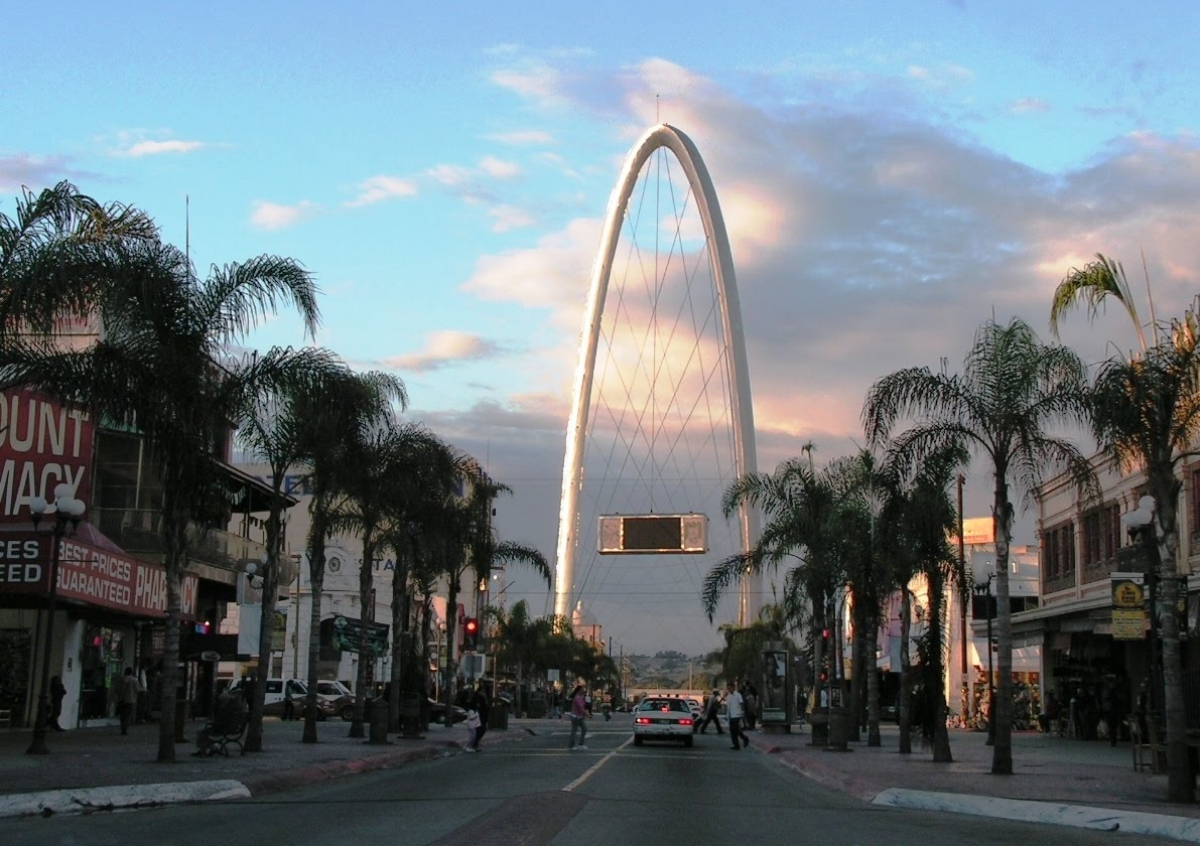
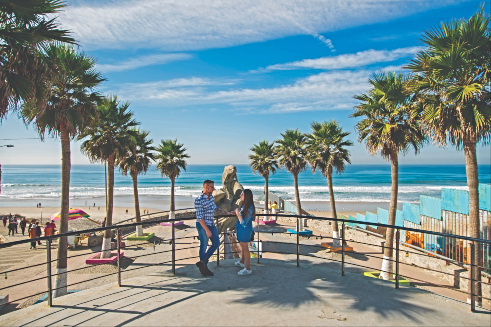
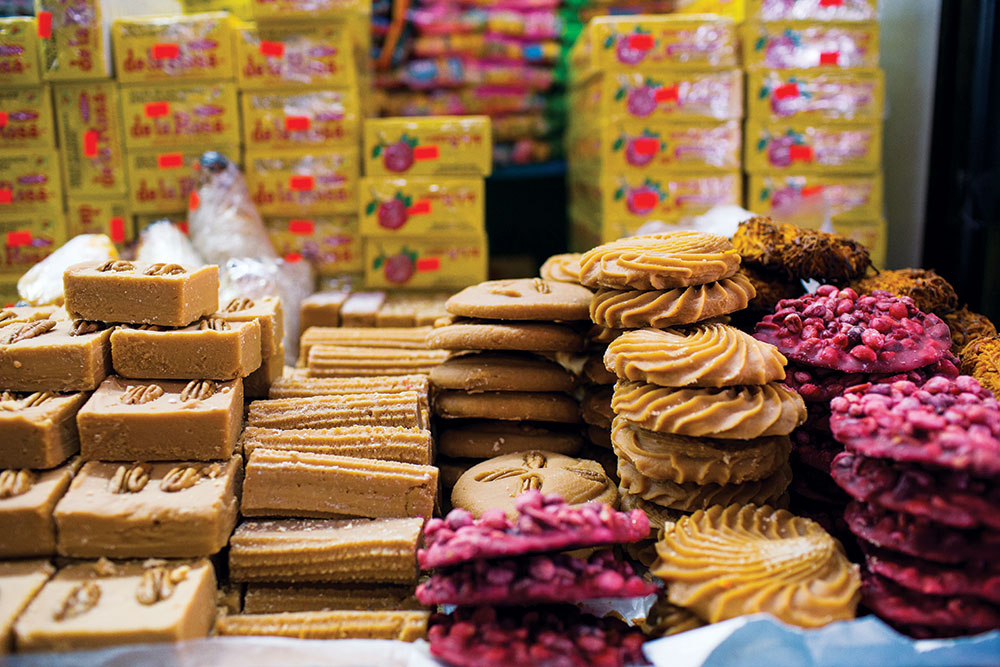
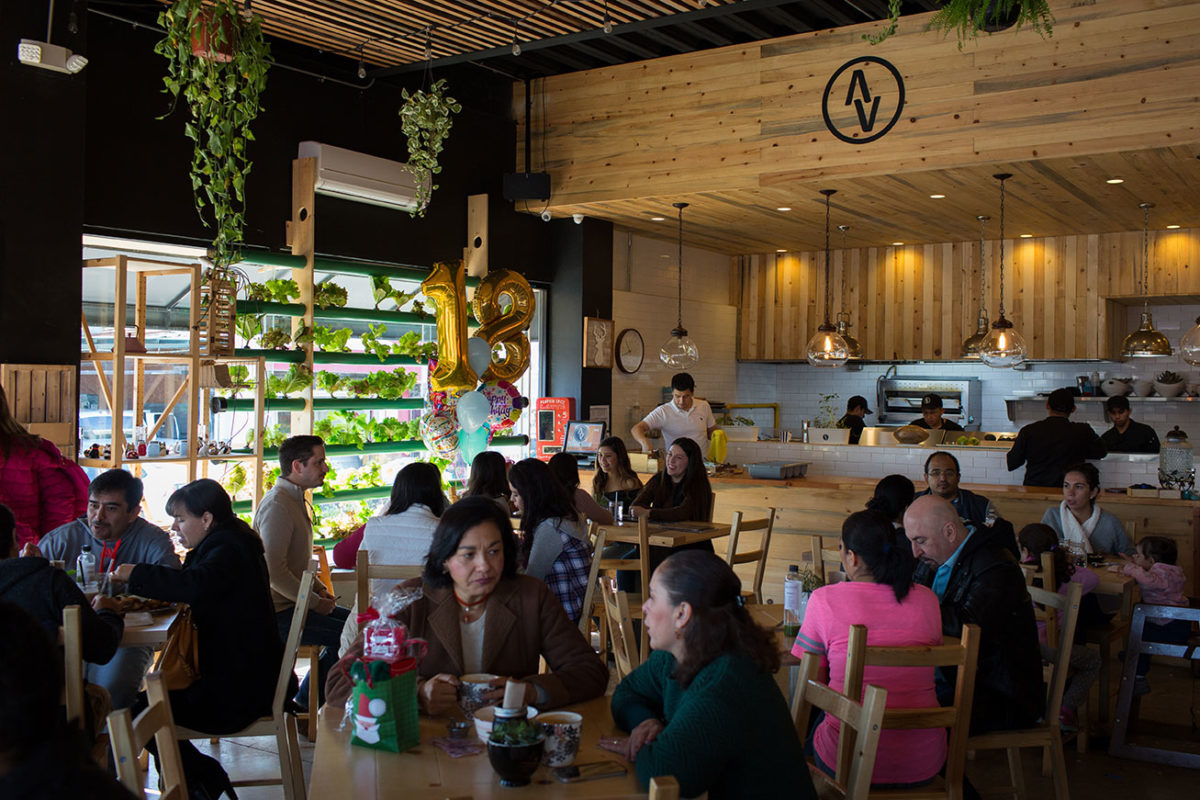
Tijuana stands out for its cultural diversity and creative energy. Along Avenida Revolucion and in surrounding neighborhoods, historic buildings now house galleries, cafés, breweries, and design studios. The city’s culinary scene reflects its border identity, combining street food traditions with contemporary restaurants and experimental kitchens. Just a short distance away, the Pacific coastline offers open views of the ocean and a quieter setting that contrasts with the pace of the city.
HIGHLIGHTS
The Signature Experience
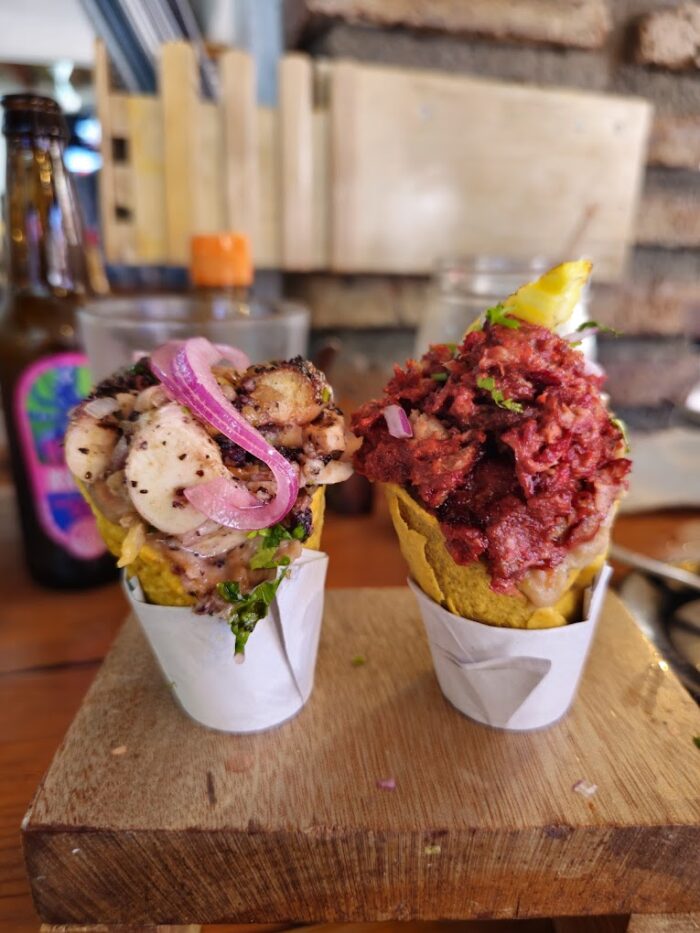
Baja Med cuisine: fresh, local, and inventive
Momentours
Festival Cultural Tijuana
OctoberEach October, the Centro Cultural Tijuana hosts the Festival Cultural Tijuana, a multidisciplinary event that brings together music, performing arts, literature, and gastronomy. The festival gathers artists, writers, and performers from across Mexico and abroad, turning the cultural complex into one of the most important artistic meeting points in northern Mexico.