

DESTINATION
Tulum
Where the Jungle Meets the Caribbean and History Lives by the Sea
Destination Vibes
Why to Visit
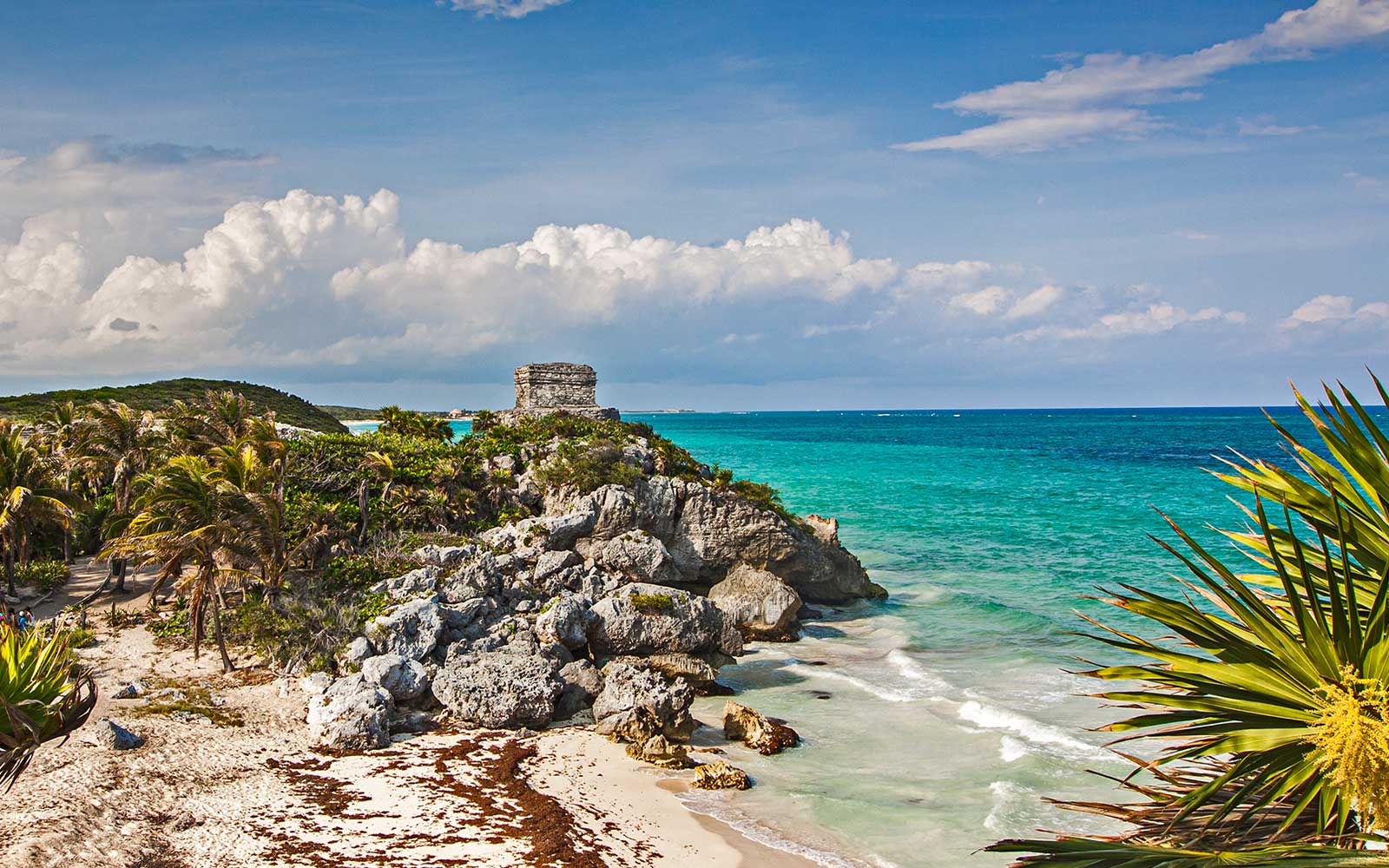
The silhouette of a Mayan city facing the open sea, the contrast between ancient stone and infinite water, the jungle breathing behind every path, and the sense of freedom experienced while exploring by bicycle create an atmosphere that is difficult to replicate. Here, the Caribbean is not just a landscape, but a stage; every sunrise over El Castillo serves as a reminder that this corner was designed for contemplating the horizon.
HIGHLIGHTS
The Signature Experience
Tulum
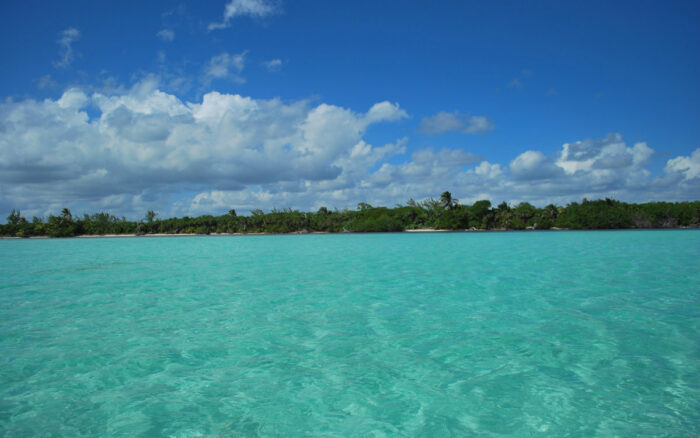
Sian Ka’an: Where the Maya Sky Meets the Earth
Discover Sian Ka’an, the most spectacular biosphere reserve in the Mexican Caribbean. Explore ancient Maya canals, luminous turquoise lagoons, and pristine coral reefs on an unforgettable journey into the wild.
Tulum
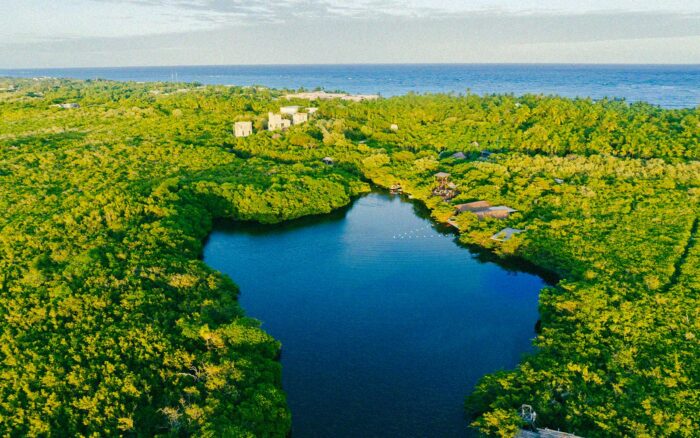
Cenotes in Tulum: A Journey into Maya Mysticism
Venture into the sacred cenotes of Tulum—luminous freshwater gateways where ancient Maya mysticism converges with the raw vitality of the jungle in a subterranean world.
Tulum
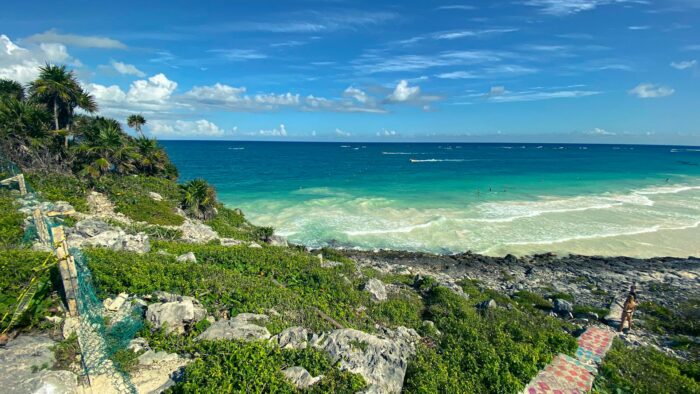
Tulum: Wellness Oasis in Mexican Caribbean
Heal your mind and body surrounded by nature.
Tulum
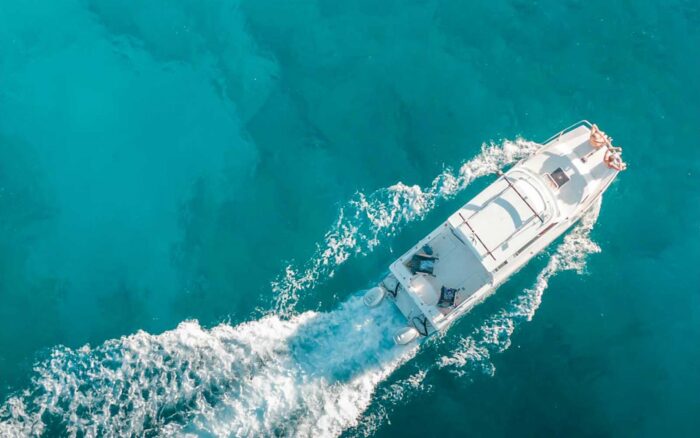
Sailing the Mexican Caribbean: Infinite Turquoise
Disconnect from the world and surrender to the rhythm of the waves. From spotting hidden reefs to watching the sunset from a catamaran, discover why the true essence of the Caribbean lies far from the shore.
Don't Miss
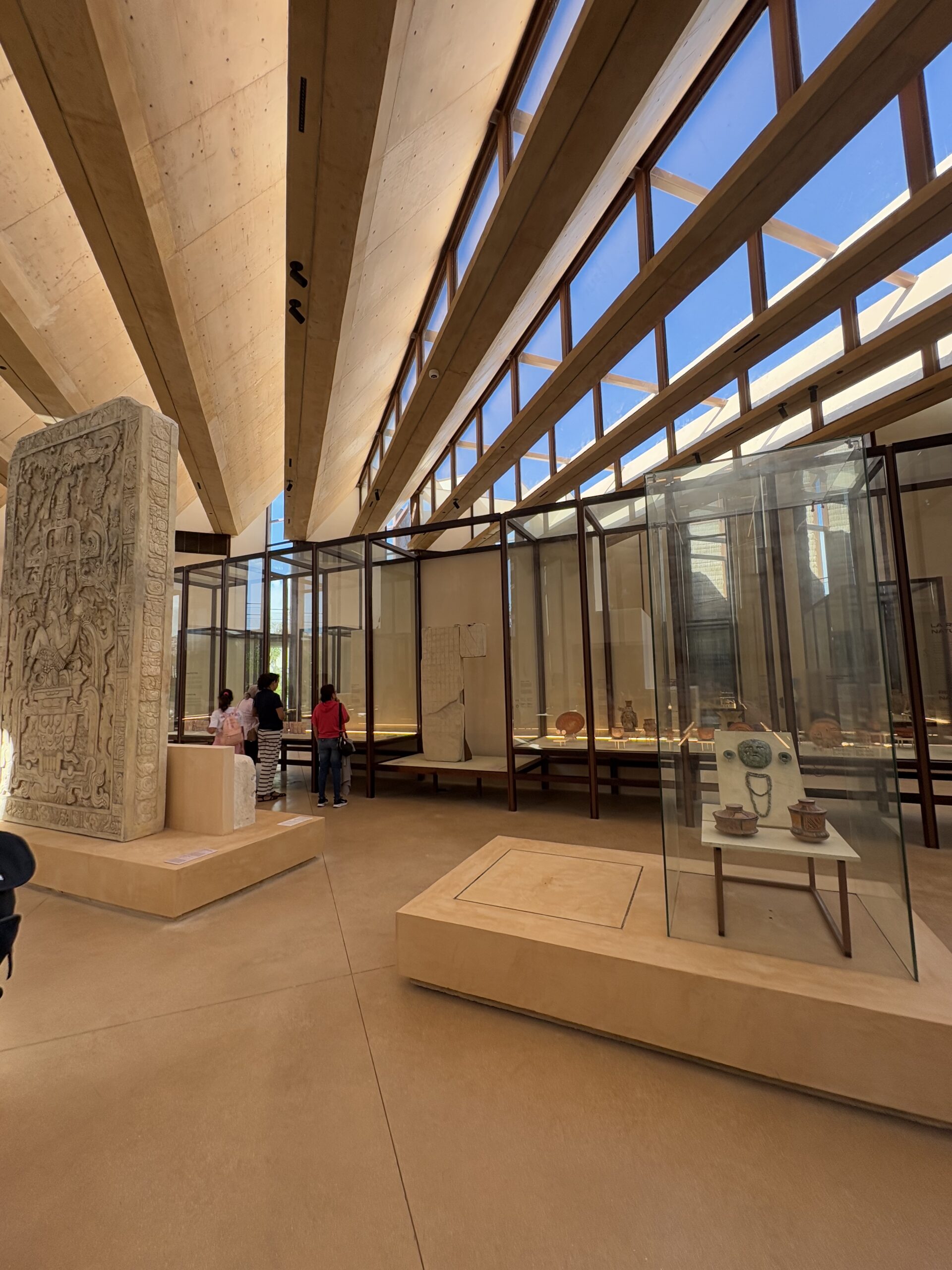
Tulum’s Regional Museum of the Eastern Coast
Step away from the beach clubs and touch the true roots of Tulum. Tucked inside the green canopy of El Jaguar National Park, this immersive museum reveals a Maya superpower: their absolute mastery of ancient maritime trade routes. Walk among sacred relics rescued from the bottom of deep cenotes, discover how the ancients used coral reefs as natural defense systems, and climb the adjacent watchtower for a spectacular 360-degree view where the endless jungle meets the turquoise Caribbean Sea.
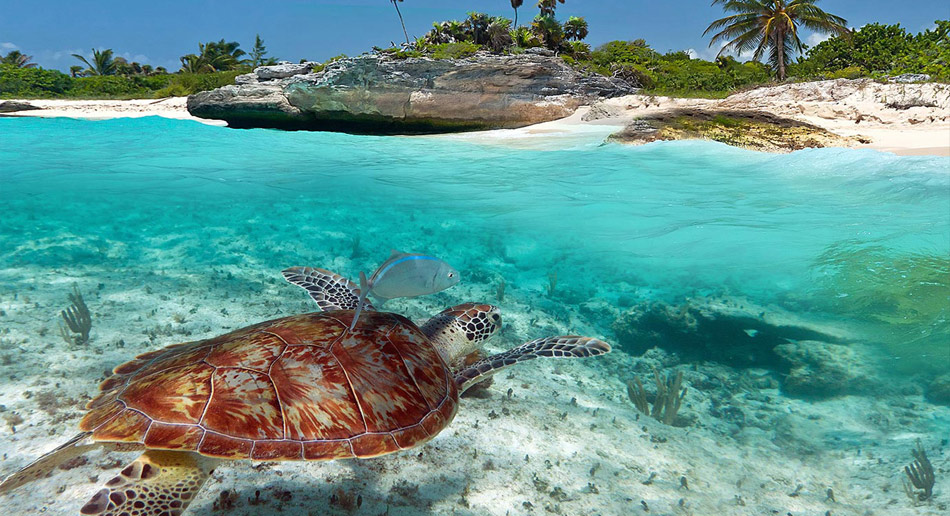
Photo: Cancun Elite
Sea Turtle Sanctuaries
Akumal, also known as the "land of the turtles," and Xcacel-Xcacelito are favorite nesting sites for species like the Green turtle and the Loggerhead. They can be visited year-round to witness the entire process—from nesting to the birth of hatchlings and their journey to the sea—and it is even possible to swim with them. These beaches also feature protected vegetation, such as kuká palm forests, chit palm forests, and mangrove ecosystems.

Archeological Zone of Tulum
This area has the best views of any archeological site: the turquoise waters of the Caribbean. The site’s main structures are: El Castillo, topped by a temple whose facade features three access points adorned with deities, columns with serpent motifs, and zoomorphic figureheads; Templo del Dios Descendente, dominated by a sculpture of the deity; and Templo de los Frescos, with interior paintings depicting aspects of the Mayan cosmogony. While it was not a large urban center, it played a leading role in the region’s trade both at sea and on land between the 13th and 16th centuries. The main buildings were erected during the late postclassical period. It was also an astronomical observatory and point of defense.
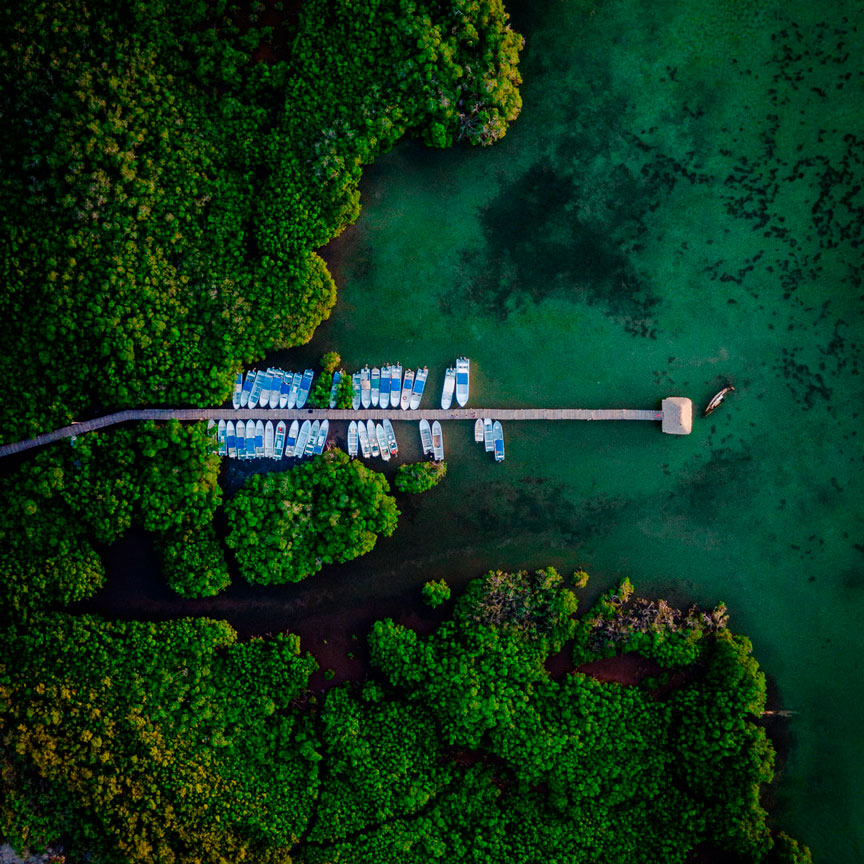
Venture into Sian Ka’an
Sian Ka’an, or Origin of the Sky. The Reserva de la Biosfera de Sian Ka’an refuge spreads over more than 650,000 hectares and is made up of virgin beaches and spectacular landscapes where you can observe regional plant and animal life in rainforests, dunes, and wetlands. Pumas, spider monkeys, jaguars, dolphins, manatee, howler monkeys, sea turtles, and more than 300 bird species have made this paradise their home.
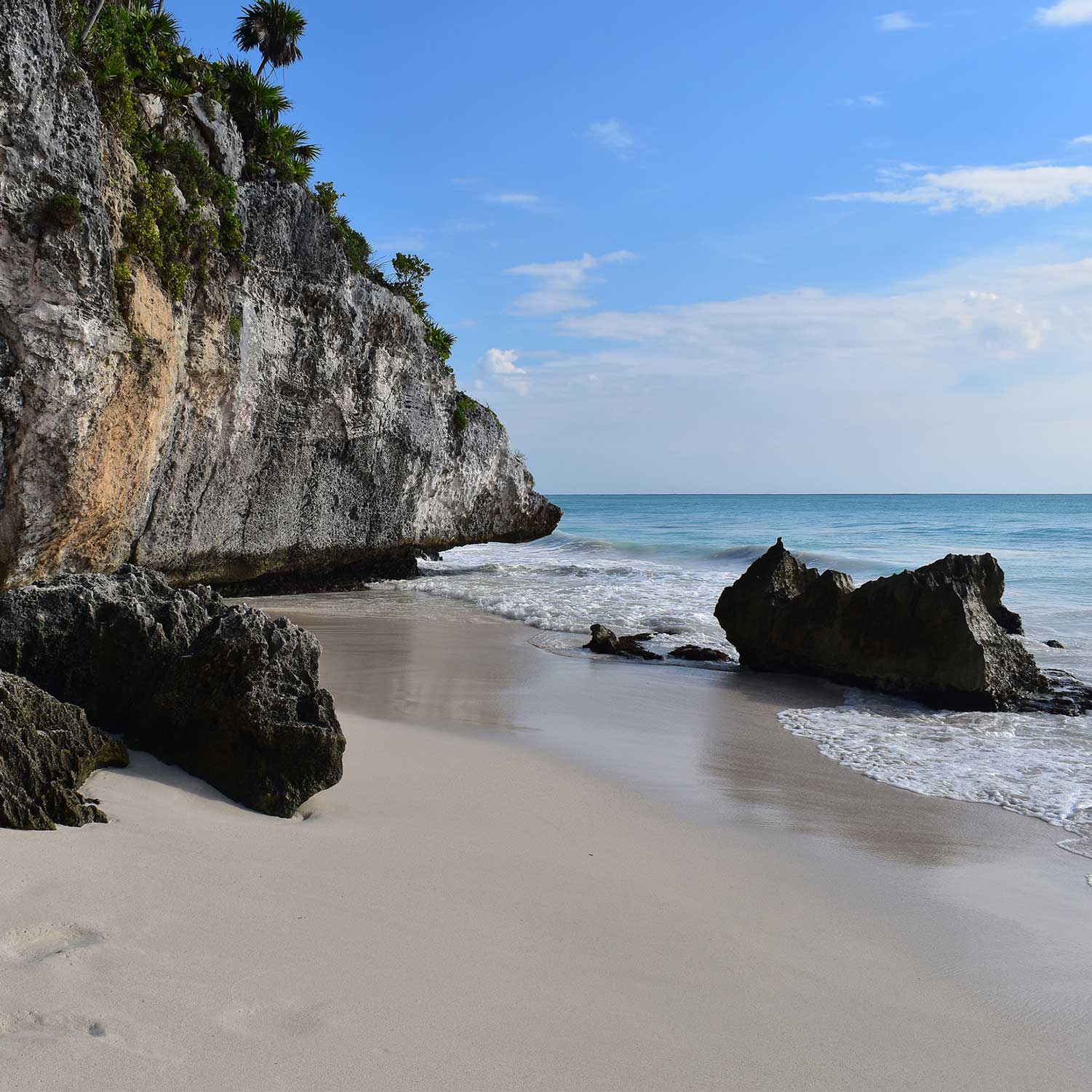
Beaches
Follow the shore that starts in the archeological zone and delight in its velvety, smooth sand. Its beaches are one of Tulum’s main attractions, with their warm, turquoise colored water and fine sand that stretches for miles. They are perfect for sunbathing, lounging, reading a book, and taking a dip in the ocean. We recommend starting with the beach that opens out from the edge of the ruins. To reach it, pay the site’s entrance fee. Other options are Akumal, Xcacel, and Bahía Príncipe, which are also a sea turtle protection area.
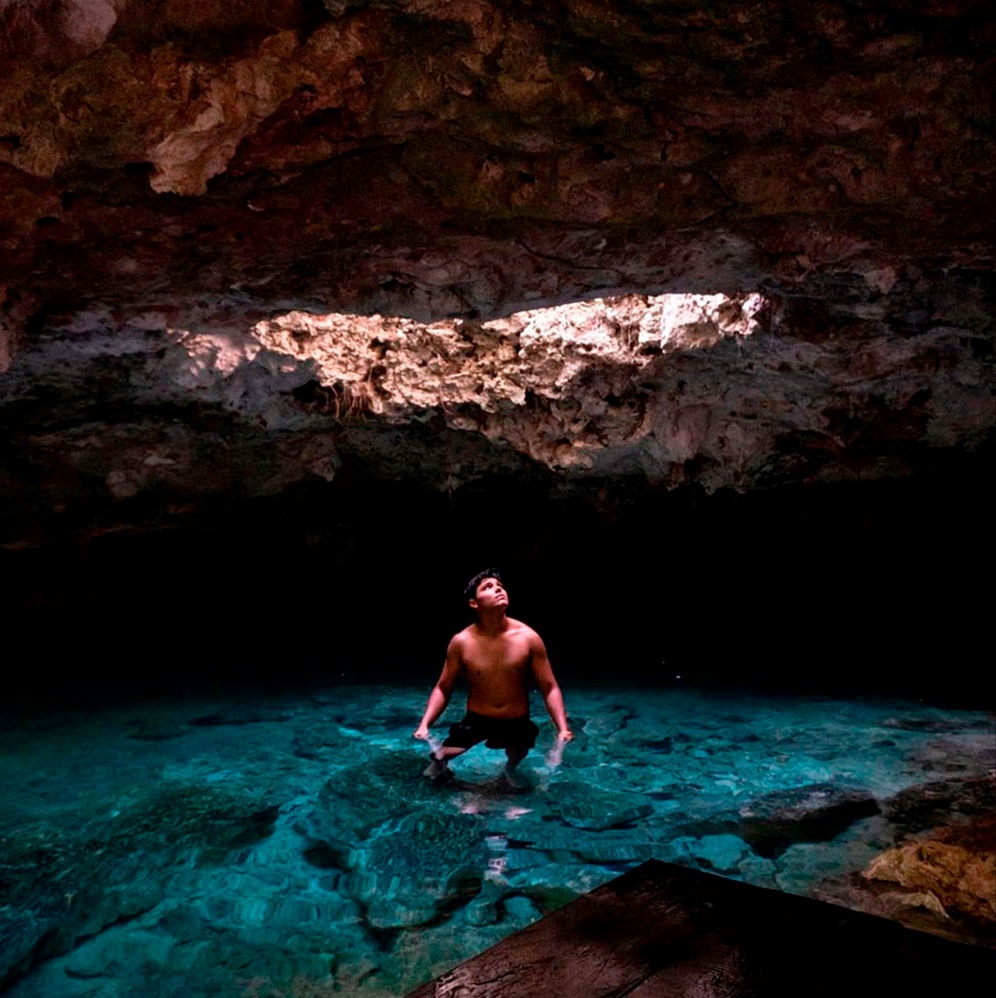
Cenote Pools
There are several natural freshwater cenote pools in the area, such as Cristal and Escondido 3.1 miles to the south, Aktun-Há 1.8 miles away, and Casa Cenote at 6.8 miles. The Gran Cenote, 2.1 miles away on the way to Cobá, is a system made up of several cenote pools created by an enormous sinkhole. Its depths hold stalactites and stalagmites that form incredible landscapes to scuba dive. Plus, you can swim, snorkel, and have a picnic in the designated area.

Parque del Jaguar
A vast ecological sanctuary where ancient Mayan history and coastal wilderness meet. Cycle along shaded jungle trails, climb observation towers for sweeping views of the Caribbean canopy, and explore the Museum of the Eastern Coast before stepping onto pristine, protected beaches like Playa Pescadores. It is the ultimate experience in Tulum for lovers of nature, archaeology, and wildlife conservation