


State
Chiapas
Jungle, Water, and The Living Memory of the Maya World
STATE VIBES
Why to Visit
Because Chiapas offers one of Mexico’s most grounded and transformative travel experiences. Here, intact landscapes, living cultures, deep history, and a distinctive cuisine intersect naturally. It is a destination for travelers seeking depth, genuine human connection, and places that remain present in memory long after the journey ends.
Traveling through Chiapas means encountering a cultural diversity that is genuinely alive, set within a landscape that does not overwhelm but communicates quietly. This is not a destination to rush through or reduce to images. Chiapas asks to be listened to, observed, and felt.
Here, travel moves beyond displacement and becomes a deeper experience—one that changes the visitor just as the land itself has been shaped, over centuries, by water, jungle, and memory.
Click any destination to explore
Explore
Key Destinations

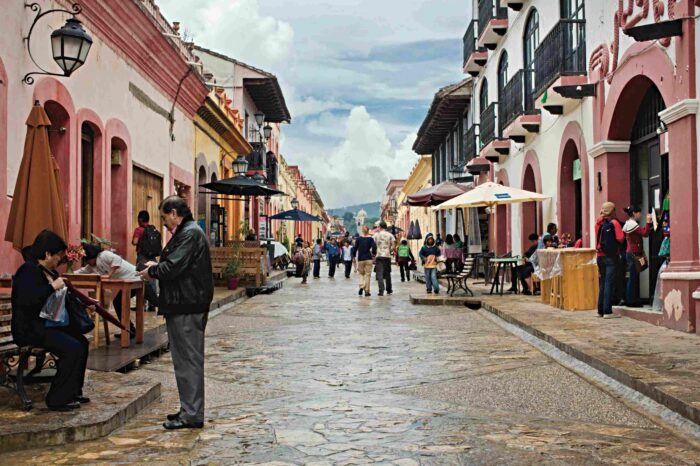
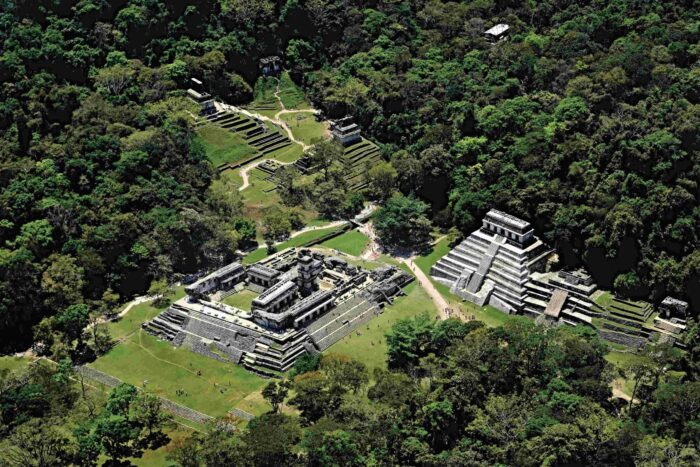
HIGHLIGHTS
The Signature Experience
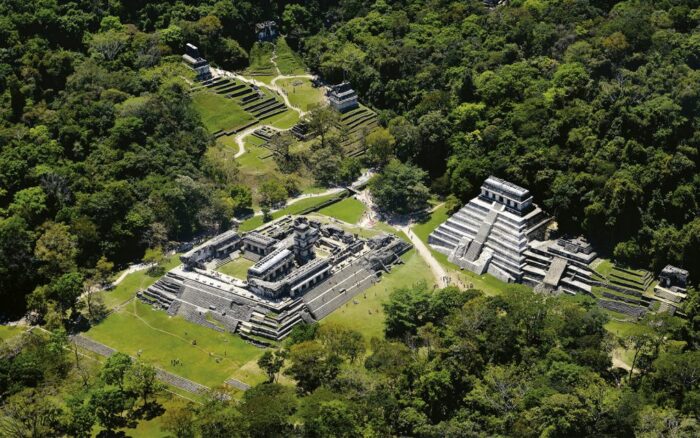
Palenque
Explore Palenque, Chiapas: The Whisper of the Royal Jungle
Let yourself be enveloped by the Chiapas mist and discover King Pakal’s tomb. A journey through a city that defies time, where architecture merges with the jungle in an eternal embrace of history and mysticism.
Chiapas
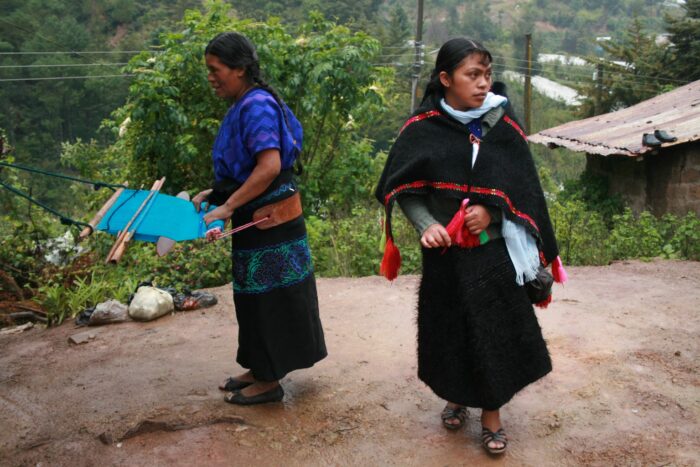
Engage with Tzotzil and Tzeltal communities
Visit traditional markets, and attend rituals and local festivals where spirituality remains part of everyday life.
Chiapas
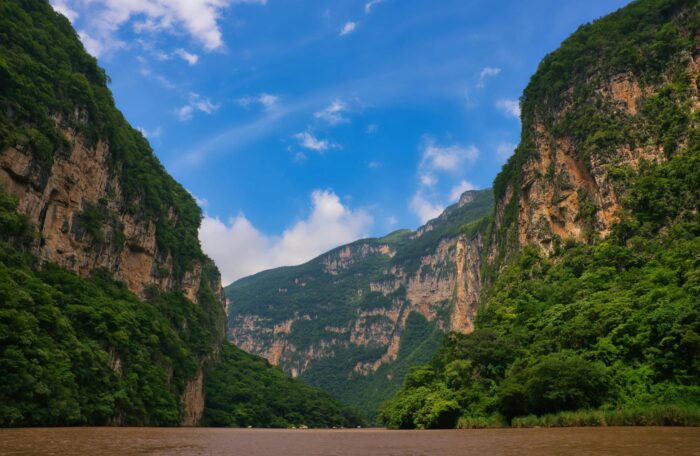
Sumidero Canyon: Chiapas’ Stone Cathedral
Experience the majesty of one of Mexico’s most iconic landscapes. Navigate the depths of a millennial geological fault where jungle, waterfalls, and wildlife meet in a setting of monumental scale.
BEST TIME TO VISIT
Momentours
Day of the Dead / Indigenous Ancestor Rituals
October–November(Tzeltal, Tzotzil, Lacandon areas) Ancestral ceremonies distinct from central Mexico, focused on family altars, food offerings, and spiritual continuity.
Fiesta de San Sebastian (Tzotzil communities, Highlands)
JanuaryCombines Catholic devotion with Indigenous ritual dances, music, and communal gatherings.
The Big Fiesta
January 8-23The vibe is electric during the Fiesta Grande de Chiapa de Corzo. Thousands of Parachicos (dancers in wooden masks and serapes) flood the streets, dancing to drumbeats in a UNESCO Intangible Cultural Heritage event. It is a spectacle of joy and tradition.
PLAN YOUR TRIP
Traveler Toolkit
Green Season (May–October): When Water Takes Over
This is Chiapas at its most dramatic. Seasonal rains awaken rivers and waterfalls, turning the landscape lush and animated.
- Best for: waterfalls, rainforest immersion, photography
- Highlights: Agua Azul and Misol-Ha at peak flow; Sumidero Canyon with higher water levels and deeper greens
- Mood: alive, humid, powerful
Dry Season (November–April): Clarity and Access
Less rain brings clearer paths, easier jungle walks, and ideal conditions for archaeology and hiking.
- Best for: Palenque ruins, highland walks, cultural travel
- Highlights: cooler mornings in San Cristobal; accessible jungle trails
- Mood: balanced, comfortable, exploratory
Mist Season in the Highlands (Winter Mornings)
In the Chiapas Highlands, winter mornings often arrive wrapped in fog.
- Best for: atmosphere, photography, slow city travel
- Highlights: San Cristobal de las Casas at dawn; pine forests and mountain roads
- Mood: introspective, quiet, cinematic
River Season (Late Summer–Early Fall)
Rivers reach their strongest flow, reshaping canyons and valleys.
- Best for: boat journeys and canyon landscapes
- Highlights: Sumidero Canyon at its most imposing
- Mood: monumental, elemental
Airport (TGZ)
Ángel Albino Corzo International Airport is the primary entry point, located in the central valley near the capital, Tuxtla Gutiérrez.
- To San Cristobal de las Casas: The most common route for travelers. It takes about 1 hour and 15 minutes by car. There are comfortable shuttle vans (transportadoras) that leave directly from the terminal exit to San Cristobal. You do not need to go into Tuxtla city first.
- To Tuxtla Gutiérrez: A short 30–40 minute drive. Taxis and shuttles are readily available.
- To Palenque: Palenque has a small airport receiving limited flights, but most travelers arrive by land. From TGZ or San Cristobal, the road to Palenque is long (5+ hours) and very winding; many choose to break up the trip or take the ADO bus.
- Airports: Angel Albino Corzo International Airport (Tuxtla Gutierrez) is the primary entry point.
- Transport: From the airport to San Cristobal takes about 1 hour and 15 minutes by car/shuttle. Palenque is a longer journey (5+ hours) on winding roads. ADO/OCC buses are reliable and recommended if you are prone to motion sickness on the mountain curves.
- ADO / OCC Buses: For longer distances (like San Cristobal to Palenque or Oaxaca), these first-class buses are safe, air-conditioned, and reliable. They are the best option for navigating the mountain curves if you are prone to motion sickness.
- Taxis: Plentiful in San Cristobal and Tuxtla. In San Cristobal, they are unmetered; always agree on the price (la tarifa) before getting in.
Traveler’s Note: The road between San Cristobal and Palenque is famous for its hundreds of speed bumps (topes) and occasional community roadblocks. It is generally recommended to travel this route during daylight hours.
Culinary Soul
Chiapas cuisine is layered, diverse, and still relatively unfamiliar beyond Mexico. Its foundations are corn, cacao, coffee, wild herbs, and local chiles. Notable preparations include tascalate, pozol, tamales wrapped in banana leaves, stews made with regional moles, and a coffee tradition recognized internationally. Eating in Chiapas is a way to understand flavors shaped by land, climate, and community ties.
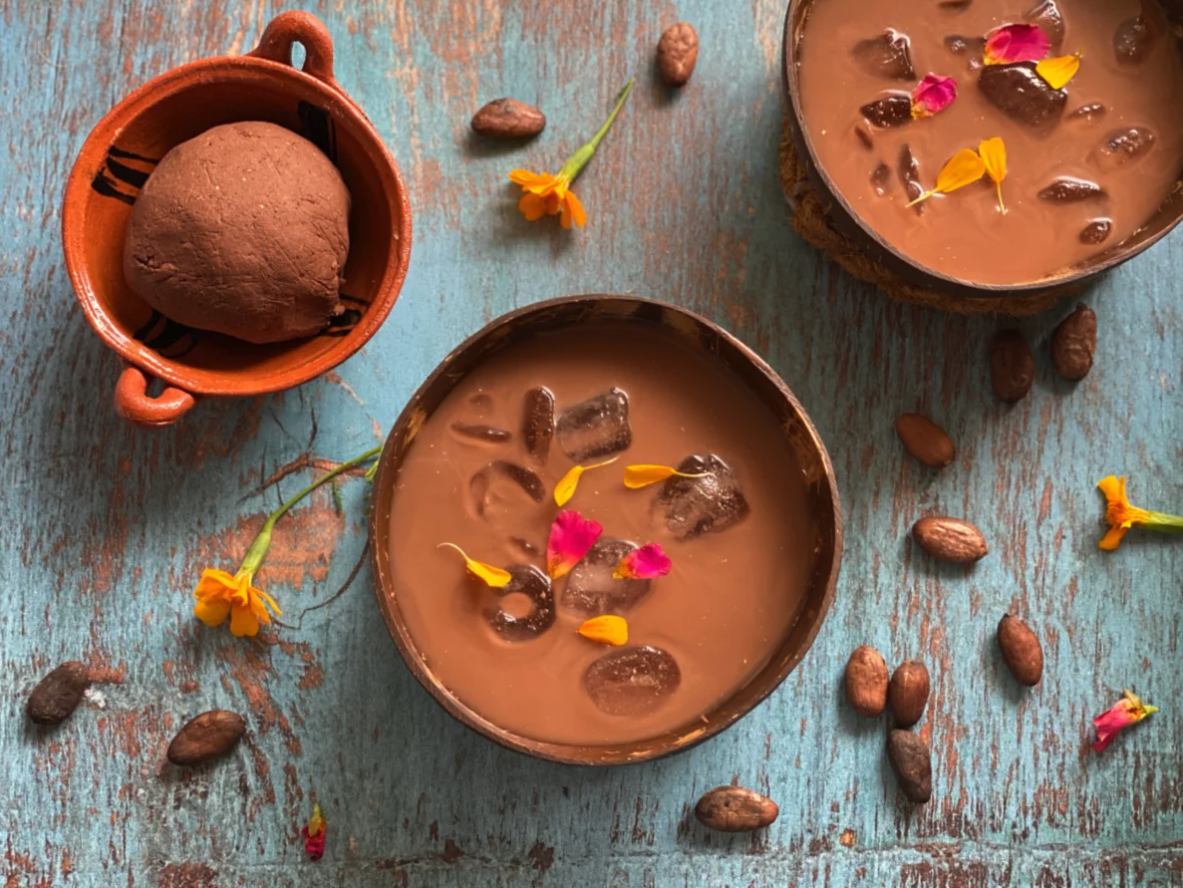
Photo: Adriana Best Recipes
Pozol
Fermented corn-and-cacao drink; daily sustenance in hot climates and a marker of Maya continuity.
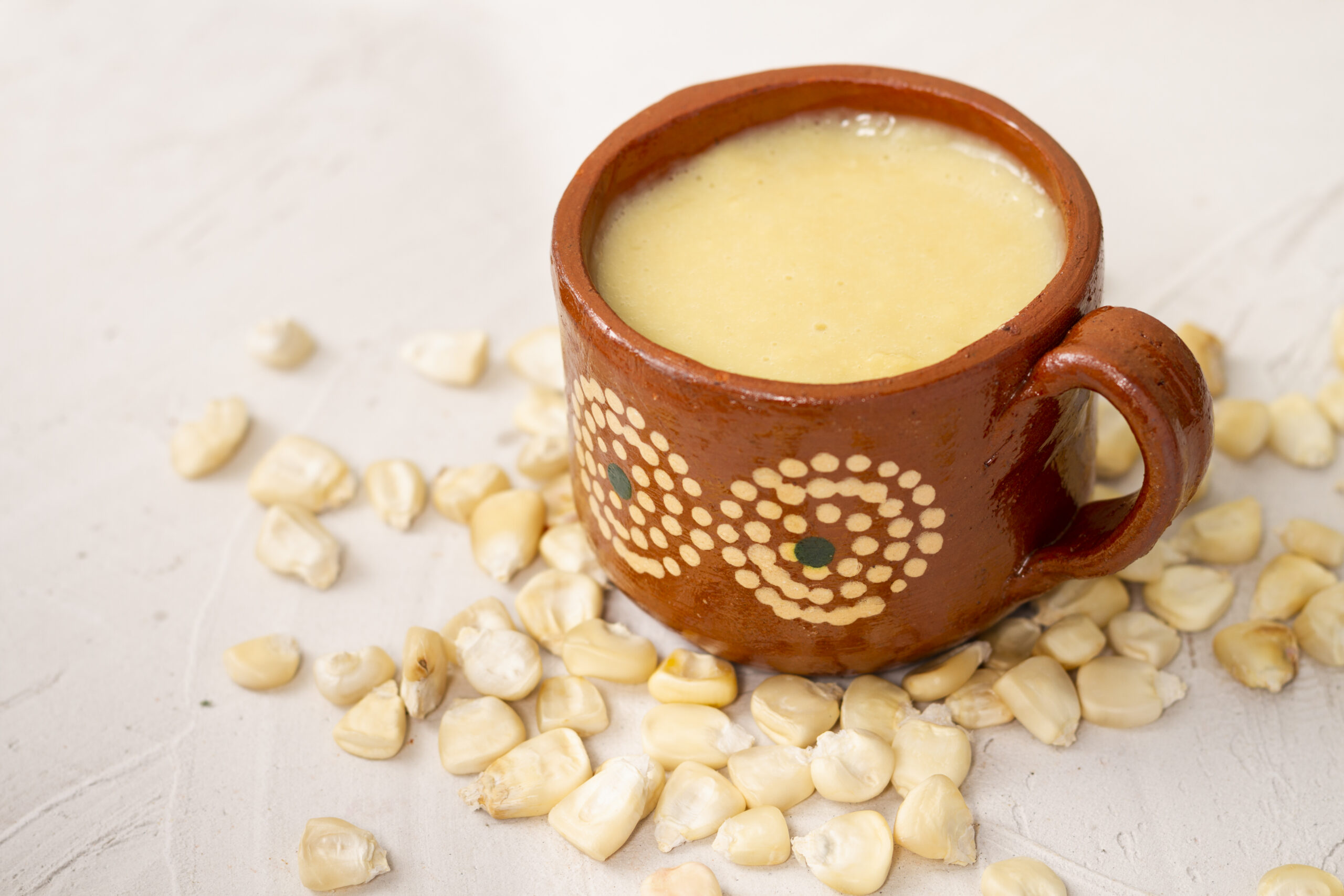
Photo: Freepik
Atole Agrio
Lightly fermented corn drink; common in Indigenous communities.
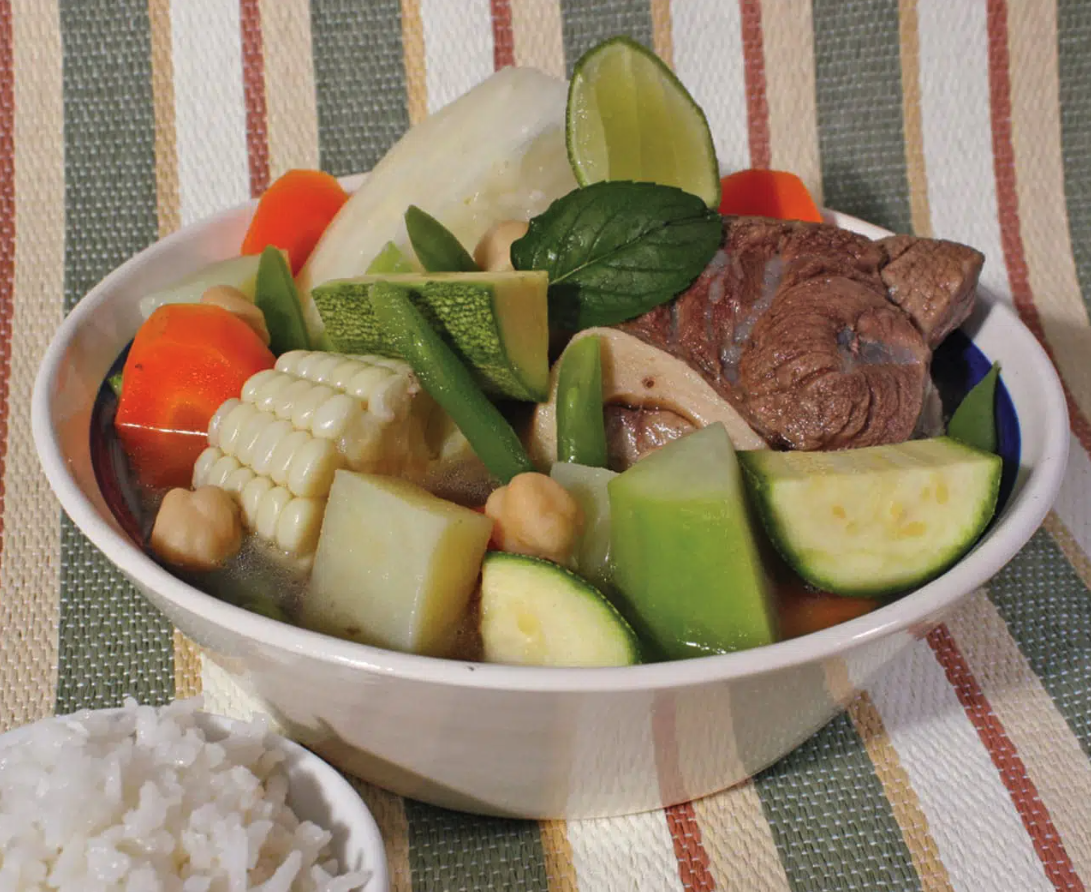
Photo: Kuxul Cocina Chiapaneca
Chiapas Stew
Slow-cooked meat and vegetables; communal, seasonal, and restorative.
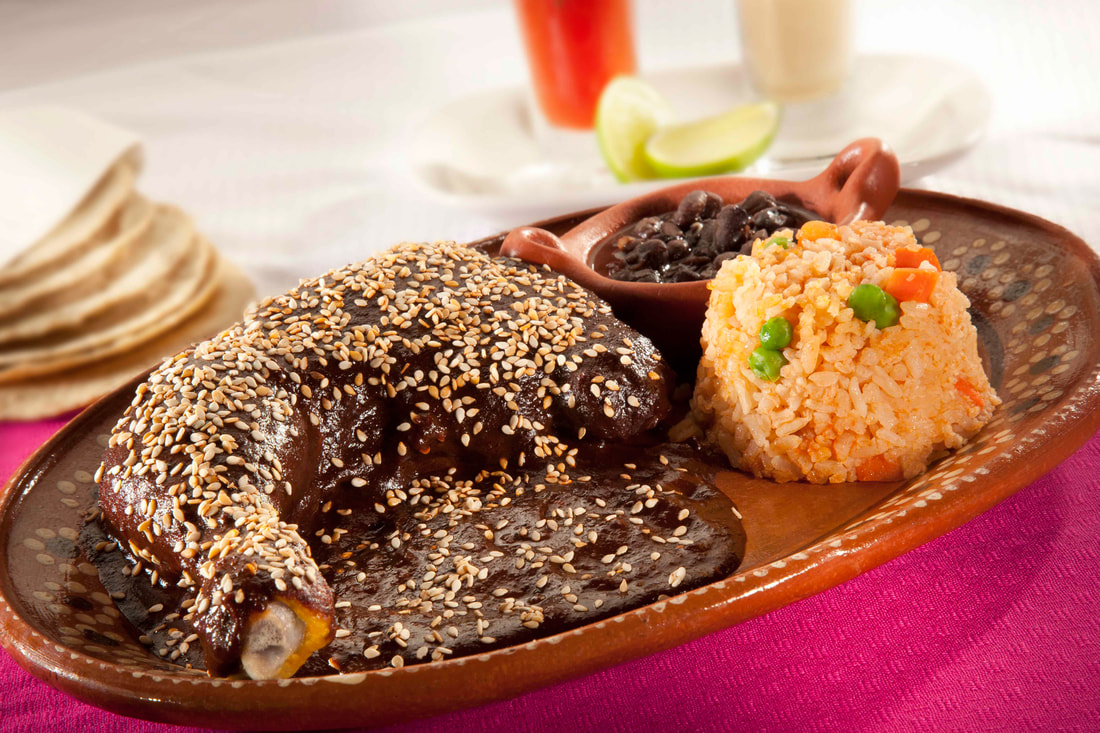
Photo: Blody Pie
Mole from Chiapas
Regional mole with layered spice and seed notes; varies by community and occasion.
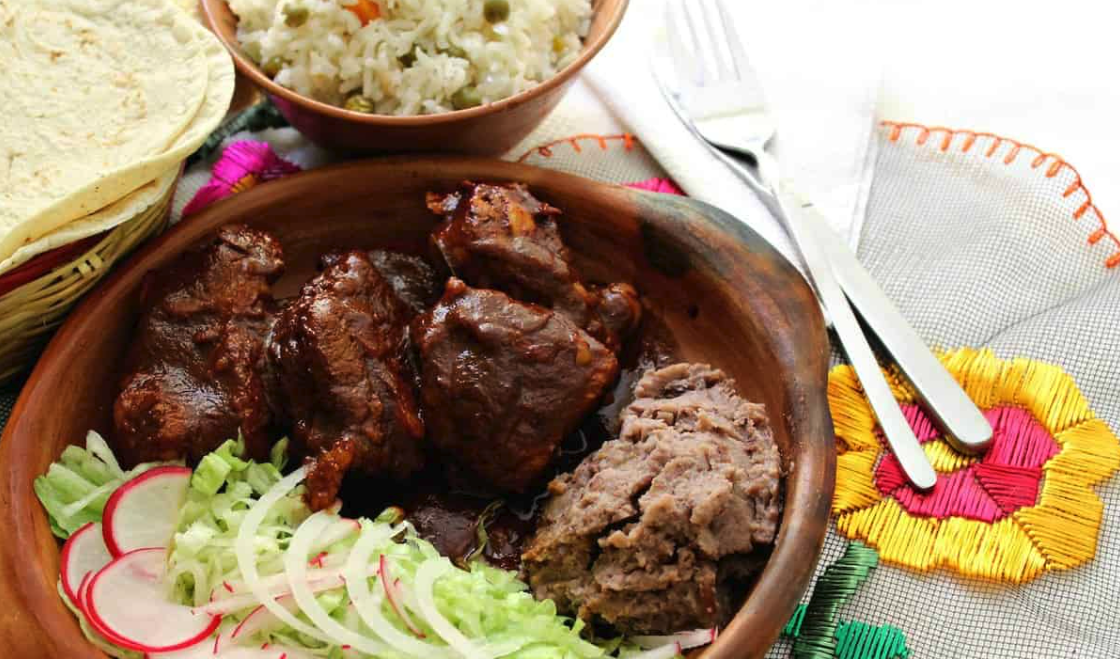
Photo: México en mi cocina
Oven-roasted Cochito
Oven-roasted pork marinated with chiles and spices; associated with celebrations and family gatherings.
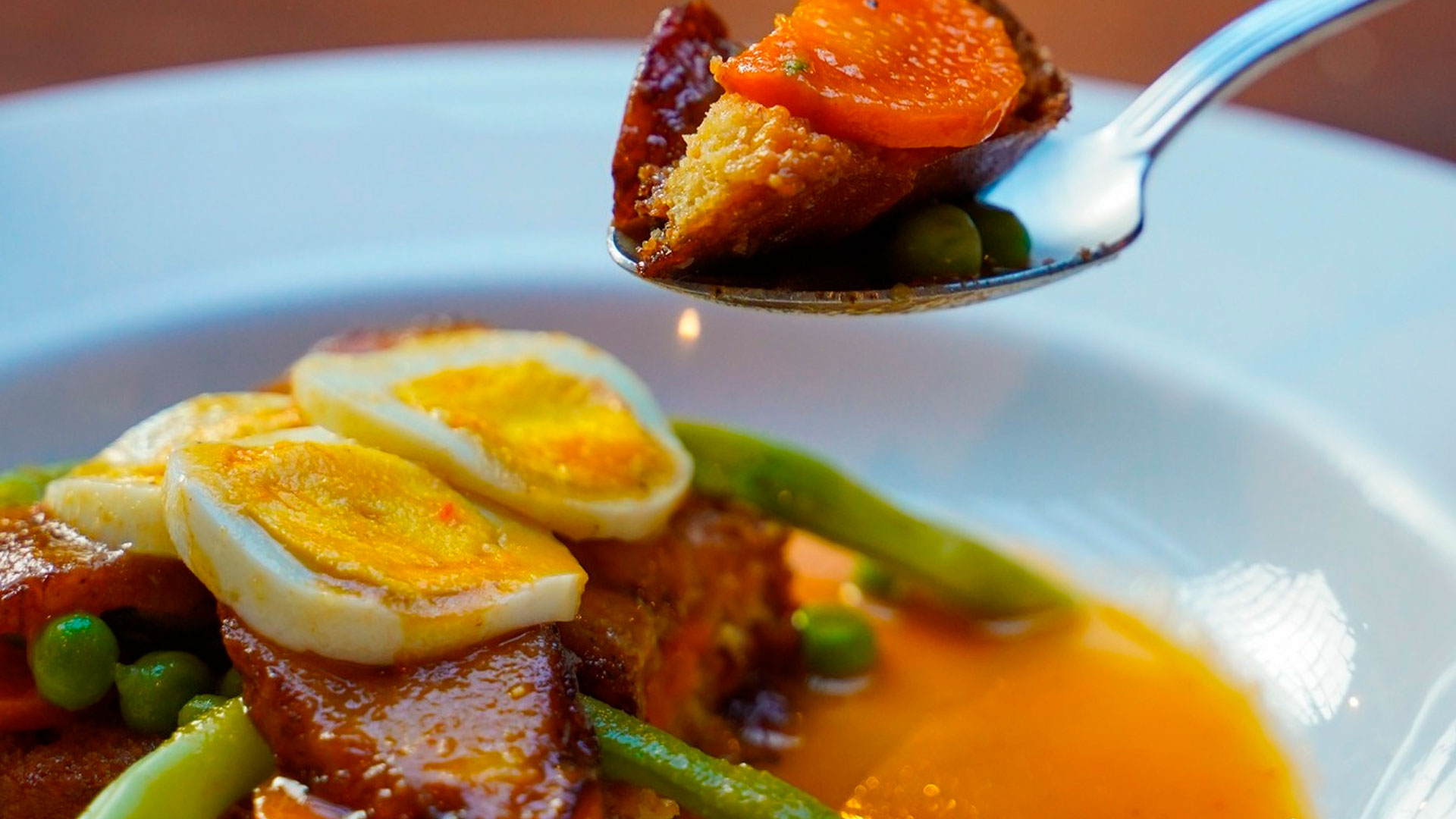
Photo: Kuxul Cocina Chiapaneca
Bread Soup
Bread-based soup with broth, herbs, and egg; comforting highland staple.
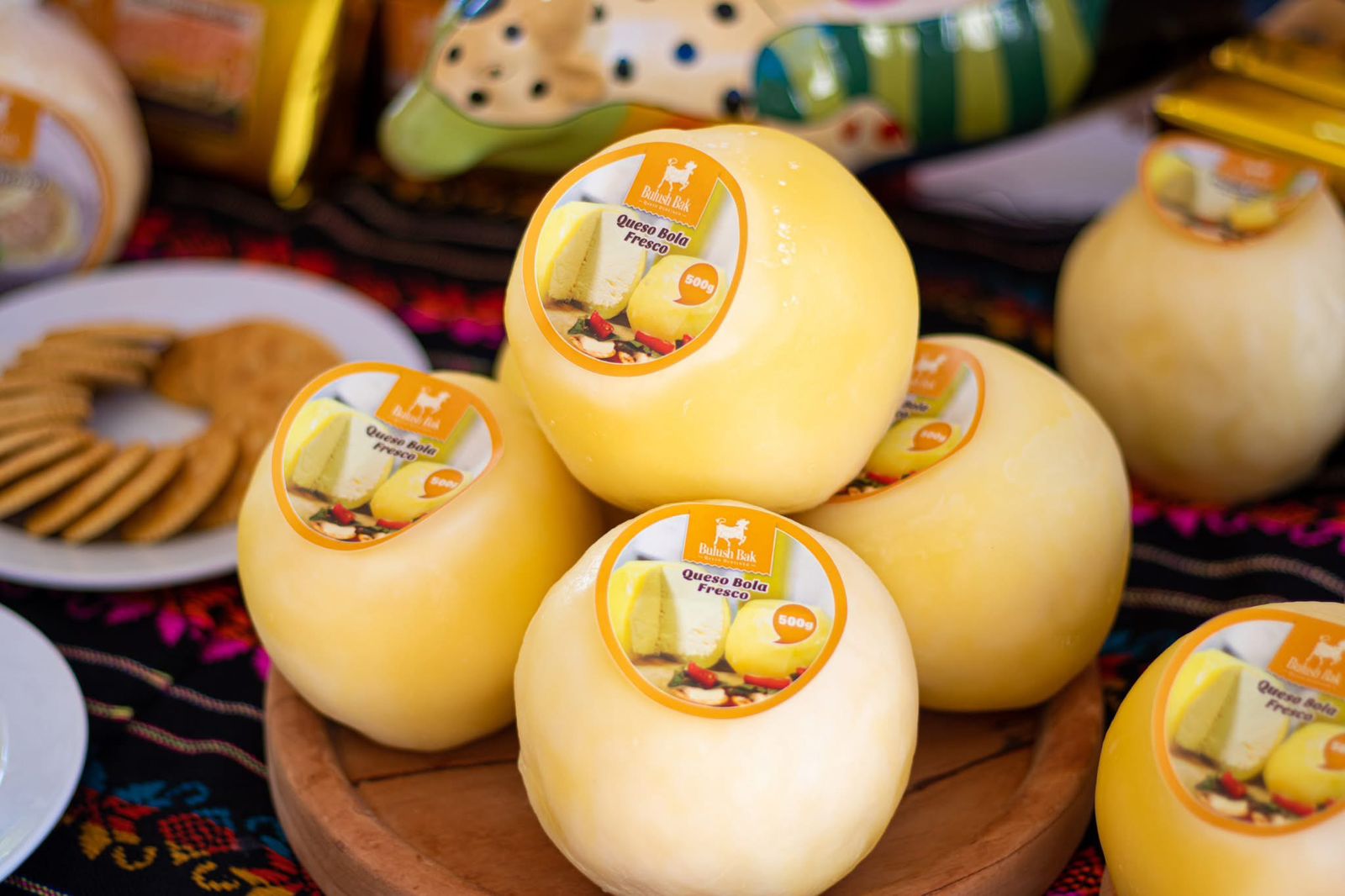
Photo: Portavoz
Bola Cheese from Ocosingo
Local cheese used in simple preparations and daily cooking.
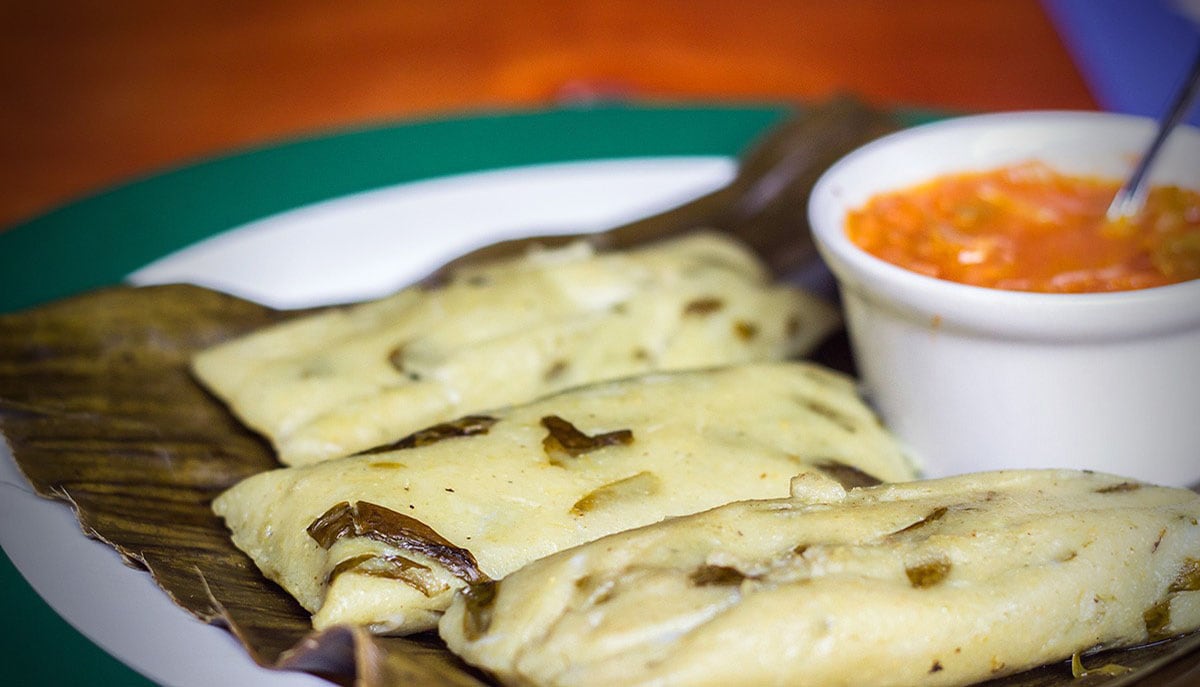
Photo: Los Sabores de México
Chipilin Tamale
Corn dough with chipilin (an edible, nutritious, and aromatic leafy plant native to Mexico and Central America) leaves, wrapped in banana leaf; light, aromatic, and deeply local.
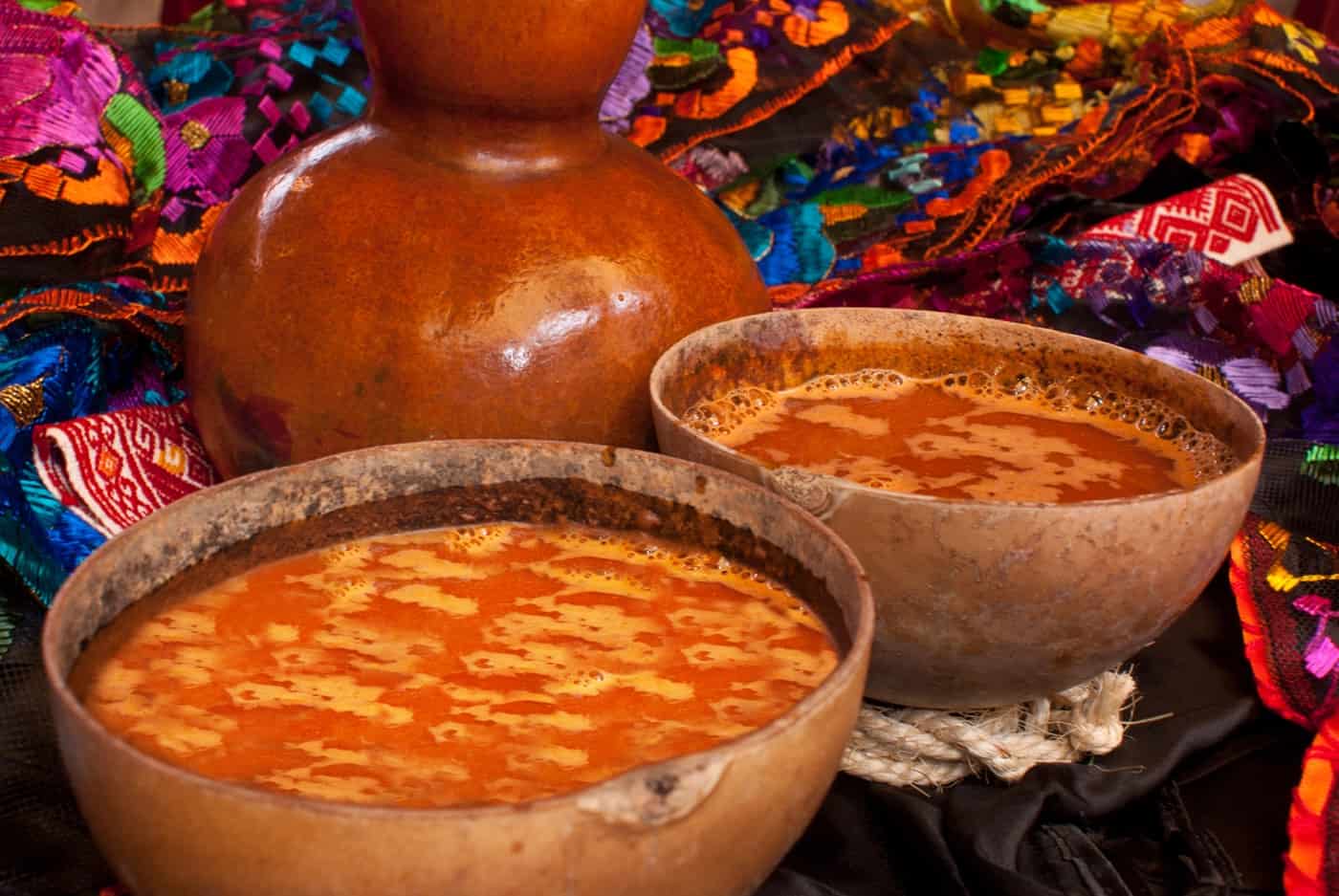
Photo: Visit Chiapas
Tascalate
Toasted corn, cacao, achiote, and sugar blended with water or milk; a ceremonial and everyday beverage.

Photo: Freepik
Coffee from the Highlands
Not a dish, but essential: shade-grown coffee with international recognition.
The Iconic Taco
The Local Bite
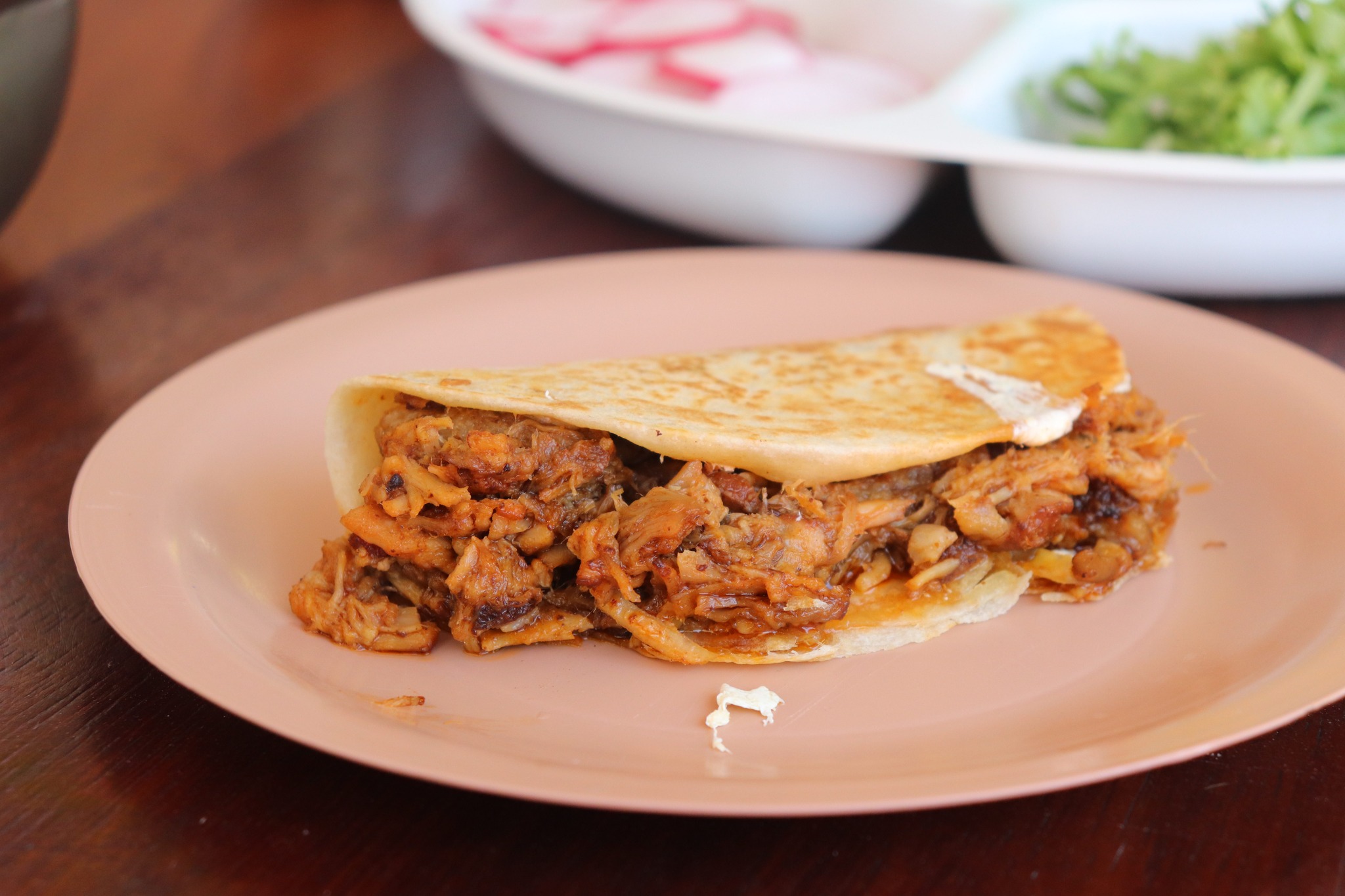
Taco de Cochito
"
You cannot visit Chiapas without trying Cochito Horneado. This is roast pork marinated in an adobo of ground chiles and spices, then slow-roasted until tender.