

DESTINATION
Cozumel
The Island Where the Caribbean Reveals Its Underwater World
Destination Vibes
Why to Visit
In Cozumel, the Caribbean is not only observed from the beach—it is explored beneath the water. Just below the surface begins a complex world of coral formations, giant sponges, and tropical fish moving along underwater walls shaped by ocean currents. The island maintains a measured pace where daily life unfolds close to the sea, among mangrove ecosystems, coastal roads, and small beaches facing open water. That balance of marine biodiversity, island culture, and clear Caribbean waters makes every dive, walk, and sunset experience difficult to replicate elsewhere in the region.
HIGHLIGHTS
The Signature Experience
Cozumel
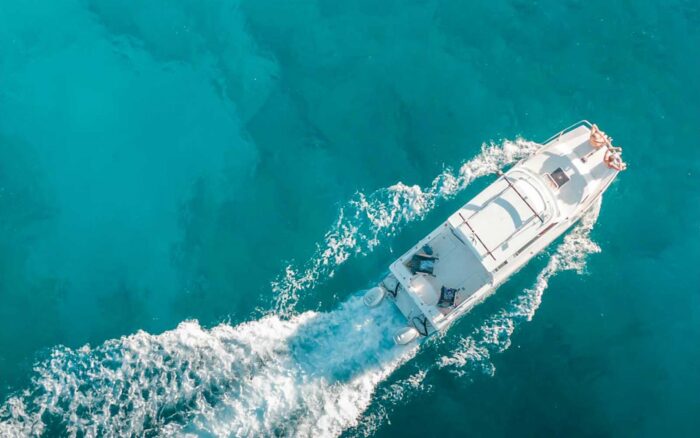
Sailing the Mexican Caribbean: Infinite Turquoise
Disconnect from the world and surrender to the rhythm of the waves. From spotting hidden reefs to watching the sunset from a catamaran, discover why the true essence of the Caribbean lies far from the shore.
Cozumel
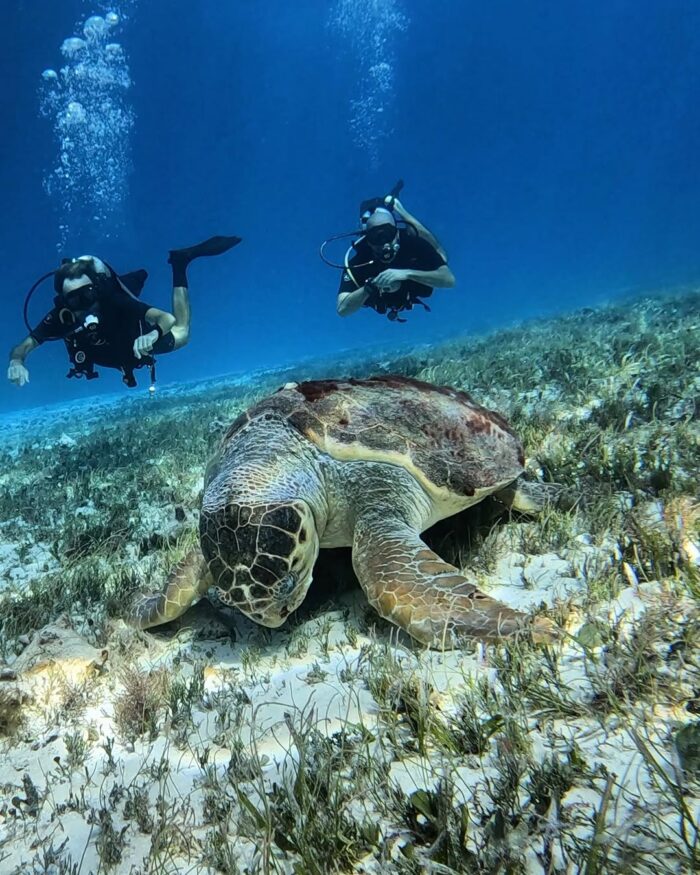
Diving in Cozumel: The Kingdom of Glass and Coral
Discover why Cozumel is the ultimate sanctuary for ocean lovers. Amidst coral gardens, abyssal walls, and vibrant biodiversity, experience weightlessness in the most transparent waters on the planet.
Don't Miss
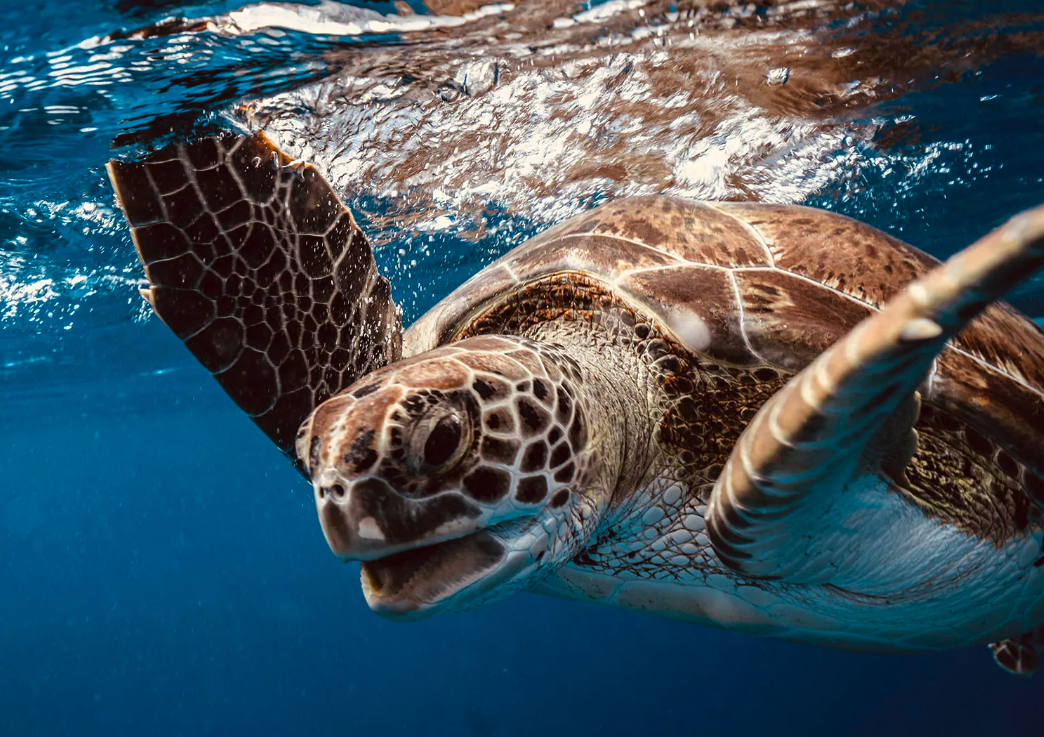
Sea Turtle Season
Between May and October, several species of sea turtles arrive on Cozumel’s beaches to nest. During these months, guided visits allow observers to witness nesting activity and the emergence of hatchlings.
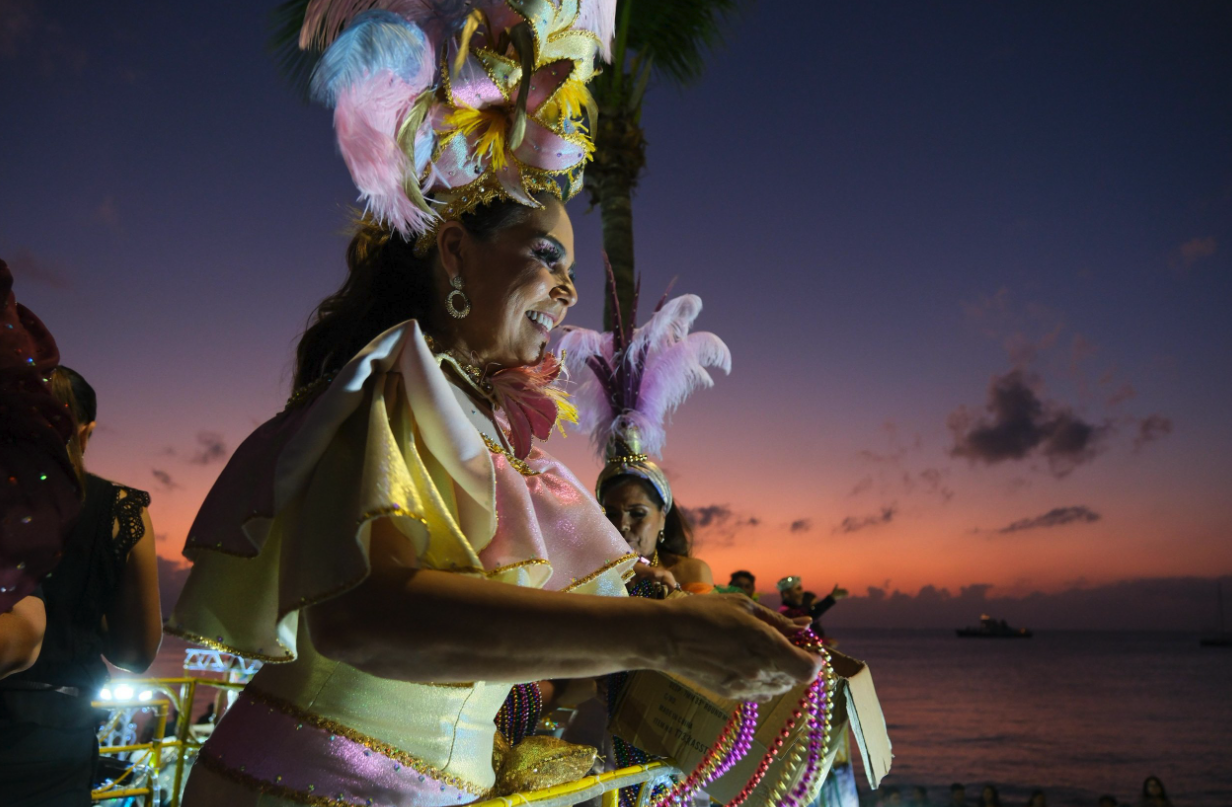
Photo: Coordinación General de Comunicación – Gobierno del Estado de Quintana Roo
Cozumel Carnival
One of the oldest and most recognizable celebrations in the Mexican Caribbean takes place each February. For several days the island fills with music, parades, dance groups, and festivities that reflect the cultural identity of the community.

Dive the Reefs of Cozumel
Exploring the reefs surrounding the island defines the Cozumel experience. Sites such as Palancar, Colombia, and Santa Rosa reveal underwater landscapes filled with coral formations, sponges, angelfish, barracudas, and sea turtles. Many dives are conducted as drift dives, where divers move with the natural current while the underwater scenery unfolds gradually. Because water visibility often exceeds 30 meters, each immersion becomes an extended exploration of one of the Caribbean’s most remarkable marine ecosystems. Even travelers who do not dive can experience these reefs through snorkeling excursions close to the surface.
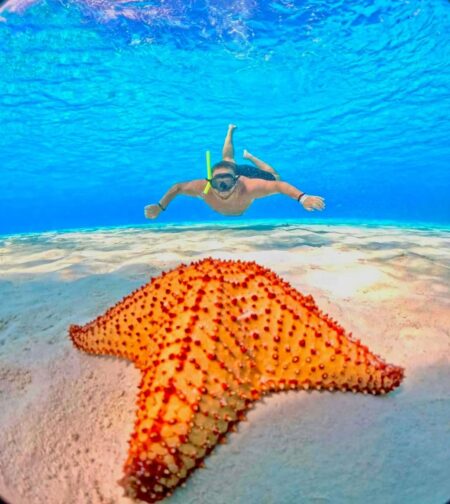
El Cielo
At the southern end of the island lies one of Cozumel’s most photographed marine settings. Shallow waters and a pale sandy bottom make it possible to observe starfish in bright turquoise surroundings. The combination of open sky, clear water, and the quiet atmosphere of the area creates a striking coastal landscape.
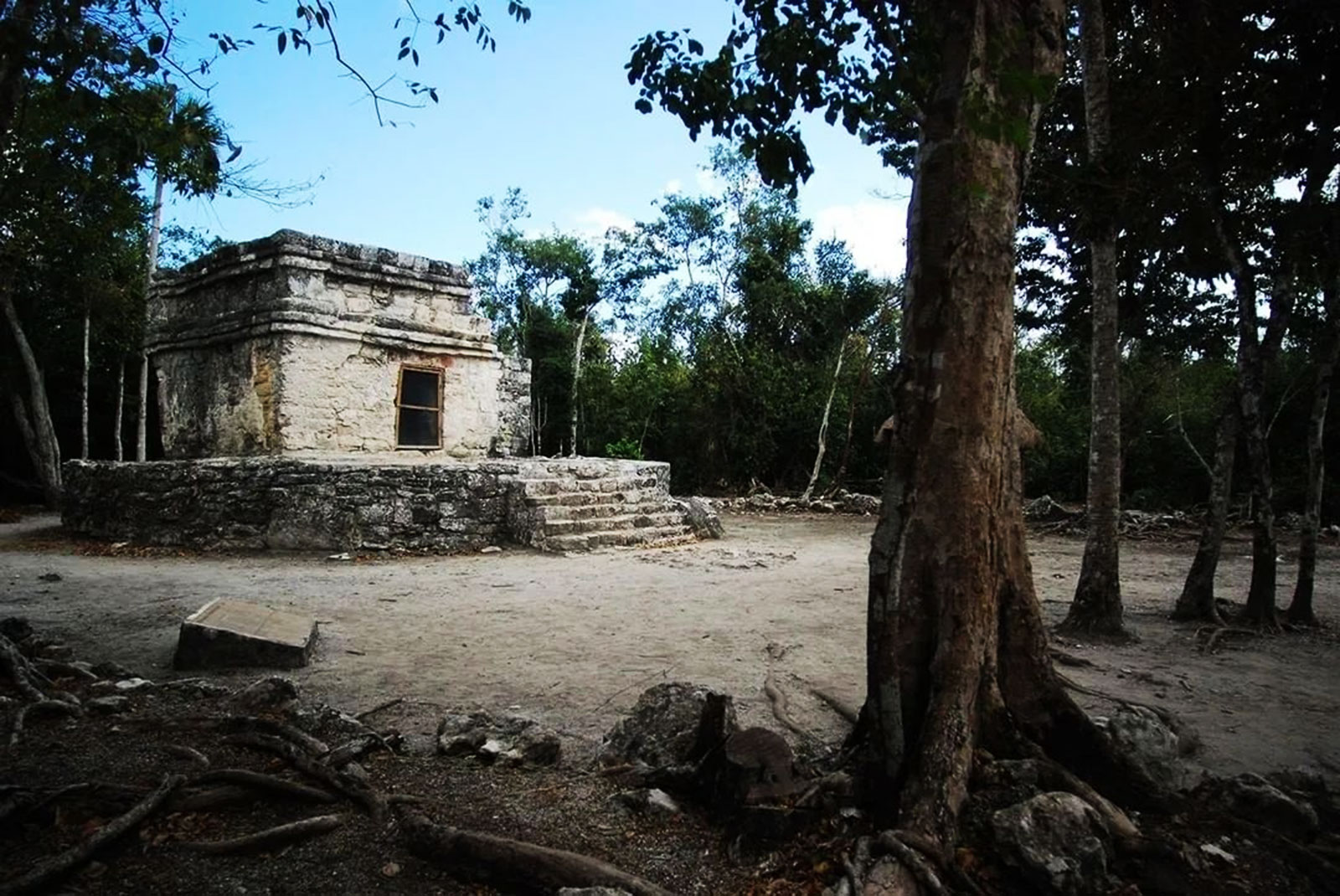
San Gervasio Archaeological Site
Located in the center of the island, San Gervasio is Cozumel’s most important archaeological site. For centuries it served as a ceremonial center dedicated to the goddess Ixchel. Today, its temples and structures stand within dense tropical vegetation, offering insight into how this sanctuary once functioned within the Maya world.
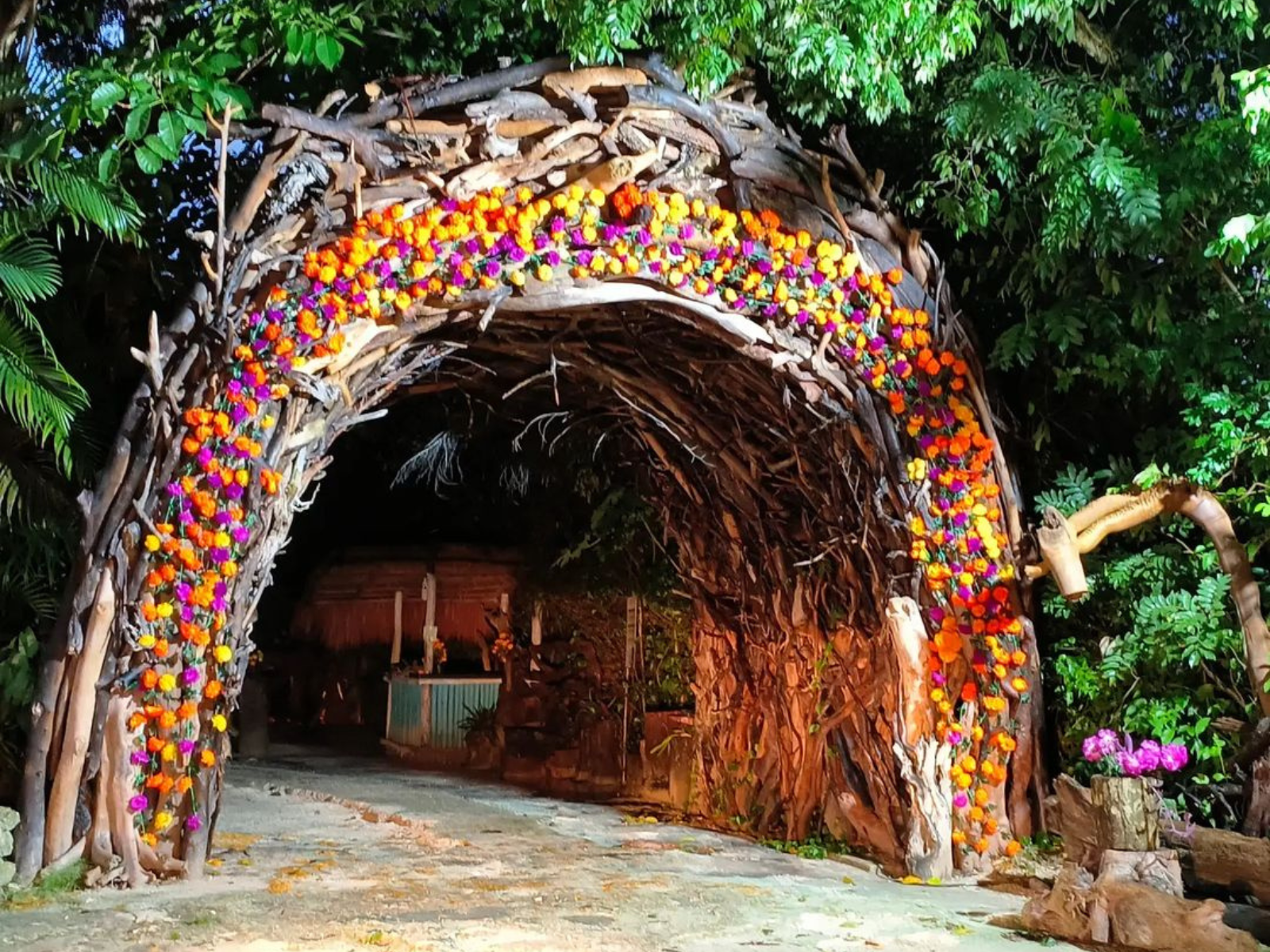
Pueblo del Maíz
Along a storied path, visitors encounter a traditional gum-tapper’s camp, where the historical extraction process of natural chicle resin is demonstrated. The journey follows a symbolic narrative: once offerings are presented to the goddess Ixchel, the towering sacred ceiba tree serves as the focal point for a purification ritual. This transition marks the arrival into Pueblo del Maiz, an environment dedicated to the cultural roots of the region.