

Highlight
El Palacio de Bellas Artes: Mexico’s Marble Heart
A Temple of Identity Where Art Nouveau and Art Deco Guard the Mexican Genius
As you cross the threshold of the Palace of Fine Arts, the weight of the outside world vanishes before the commanding presence of marble and bronze. Beneath the light filtering through its crystal dome, the visitor understands they haven’t simply entered a theater or a museum, but the epicenter of Mexican sensibility. It is a space where the air seems to vibrate with the notes of past orchestras and where the walls, laden with color and social critique, demand a keen eye. Here, beauty is not just aesthetic; it is a statement of principles.
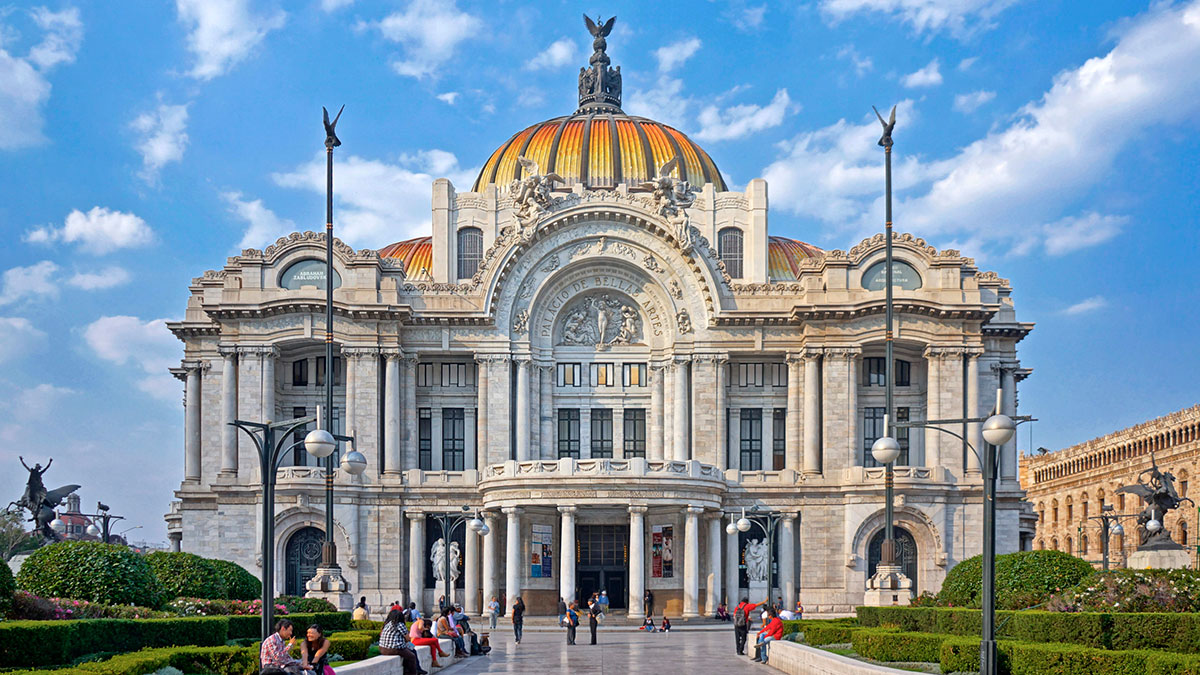
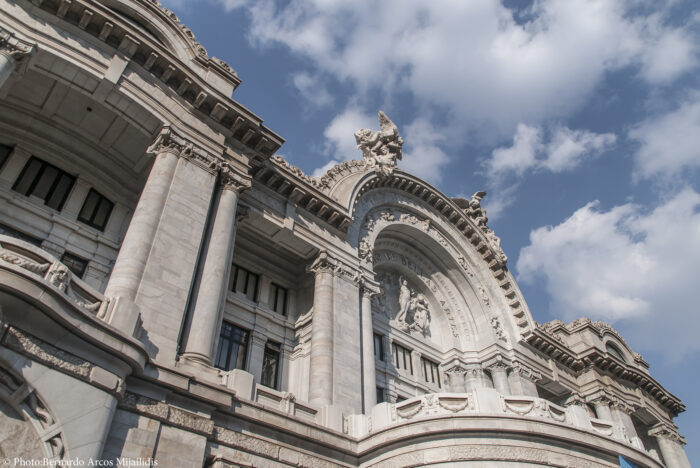
Inhabiting Fine Arts is participating in a choreography of elegance. The experience begins from the Alameda Central, observing how the Carrara marble facade shines with an almost ethereal whiteness under the afternoon sun. Once inside, the change in atmosphere is radical: from the organic and floral Art Nouveau exterior, we transition to the geometric and sophisticated Art Deco rigor of its interiors.
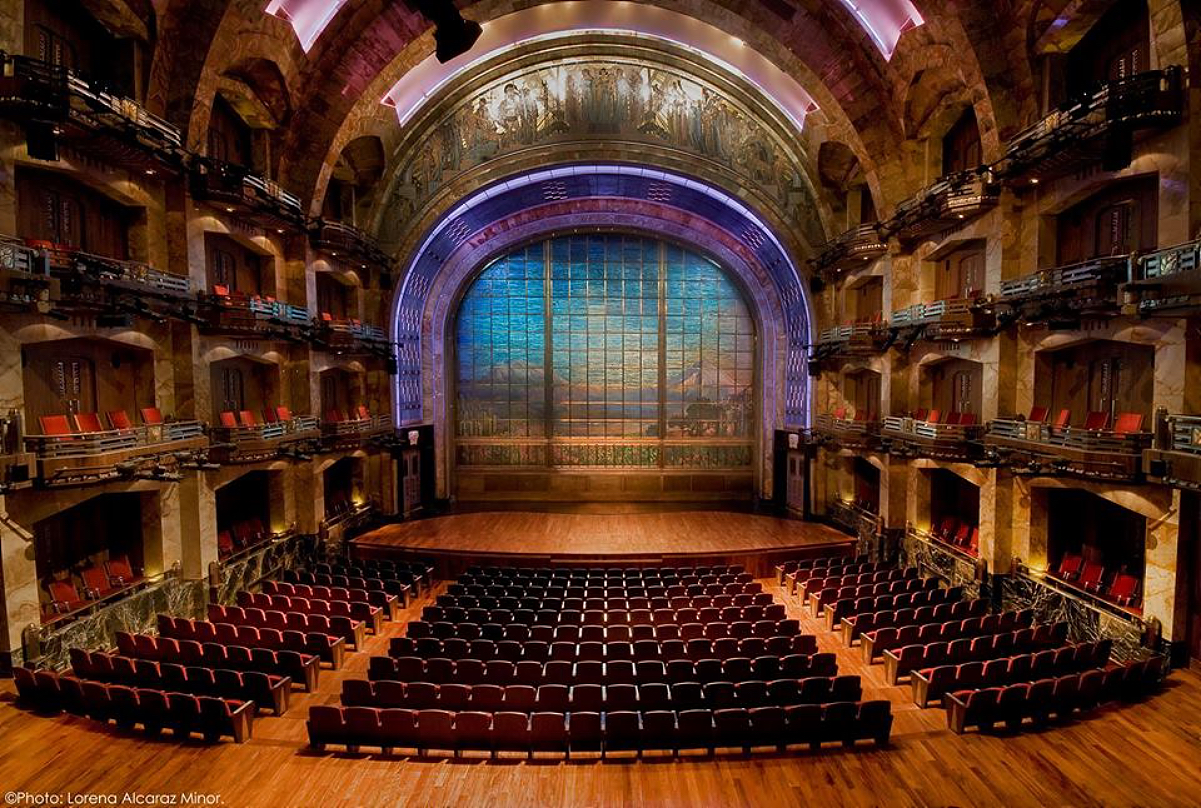
Climbing its staircases means coming face-to-face with giants: the murals of Rivera, Orozco, and Siqueiros. The experience becomes profound while observing Man, Controller of the Universe; it is a silent dialogue with the history and contradictions of the 20th century. The climax of the visit occurs if one is fortunate enough to enter the Grand Hall to witness the Tiffany Crystal Curtain. Seeing the Popocatépetl and Iztaccíhuatl volcanoes illuminate in that unique piece of micro-mosaics, before a performance by the Folkloric Ballet or the National Symphony Orchestra begins, is to feel that you have touched the most sensitive and proud fiber of Mexican culture.
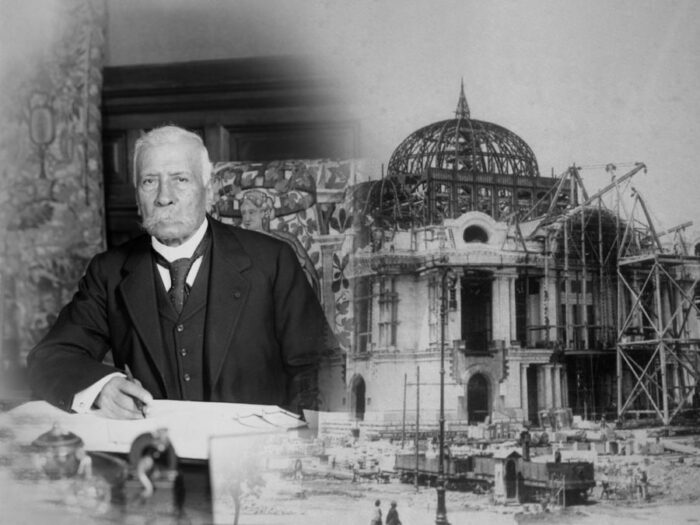
The Palace of Fine Arts is a monument to resilience and transformation. Its construction, initiated by Porfirio Díaz in 1904 to commemorate the centenary of Independence, was interrupted by the Mexican Revolution and by the sinking of the building itself due to the clay-like nature of the capital’s soil. It wasn’t until 1934 that architect Federico Mariscal completed it, integrating the modern Art Deco style into Adamo Boari’s original design.
This venue was the first art museum in Mexico and today is considered the ultimate house of cultural expression. Its muralism collection is invaluable, housing works that were specifically commissioned for these walls, turning it into an open history book. Furthermore, its stage has witnessed the debuts and farewells of the most emblematic figures in world opera, dance, and literature, consolidating itself as the “Altar of the Motherland” for the arts.
Trip X-Ray
Ideal Duration
3 to 4 hours for a leisurely visit to the museum and architecture; a full evening if attending an event.
Traveler Tips
Performances by the Folkloric Ballet of Mexico take place on Wednesdays and Sundays; it is the perfect opportunity to see the crystal curtain in operation.
Special Recommendations
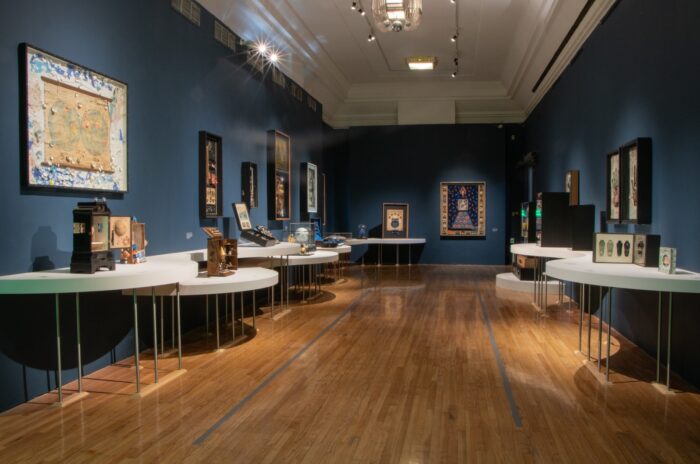
To elevate the experience, visit the architecture museum on the top floor; it offers a fascinating technical perspective on the palace's construction and unique interior views of the dome.
Insider's Perspective
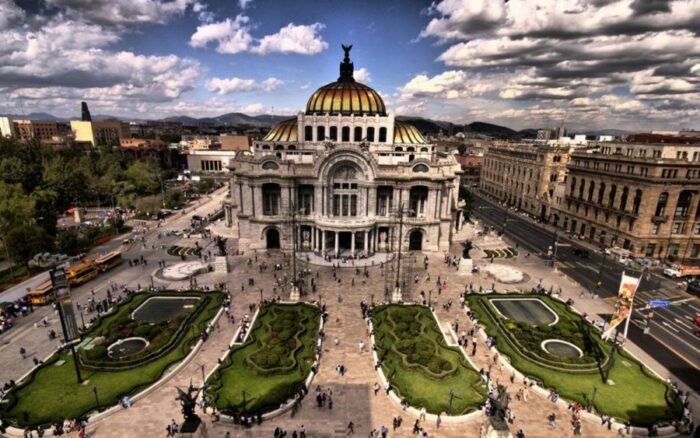
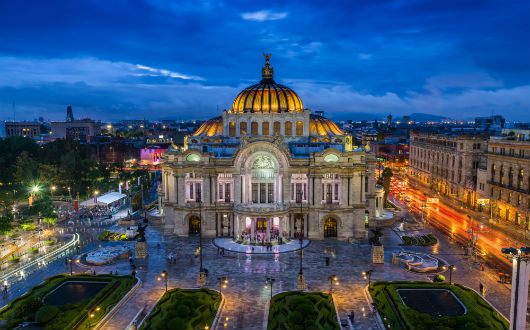
The best-kept secret to appreciating Fine Arts isn’t inside the palace, but across from it. Go to the eighth floor of the Sears building located directly in front, where you will find a cafeteria with a terrace offering the most spectacular and photogenic view of the Palace and its yellow and orange domes. Visit during the “golden hour,” just before sunset, to watch the marble change color as the city lights begin to flicker on.
The Palace of Fine Arts is the mirror where Mexico looks at itself to recognize its greatness. It is a reminder that, even on uncertain ground, it is possible to build temples of eternal beauty. We invite you to lose yourself in its halls and be moved by its heritage; because visiting this palace is not just about seeing art, it is about understanding the passion that defines an entire people. The stage is set; all that is missing is you.