

State
Mexico City
The Country’s Heartbeat
State Vibes
Why to Visit
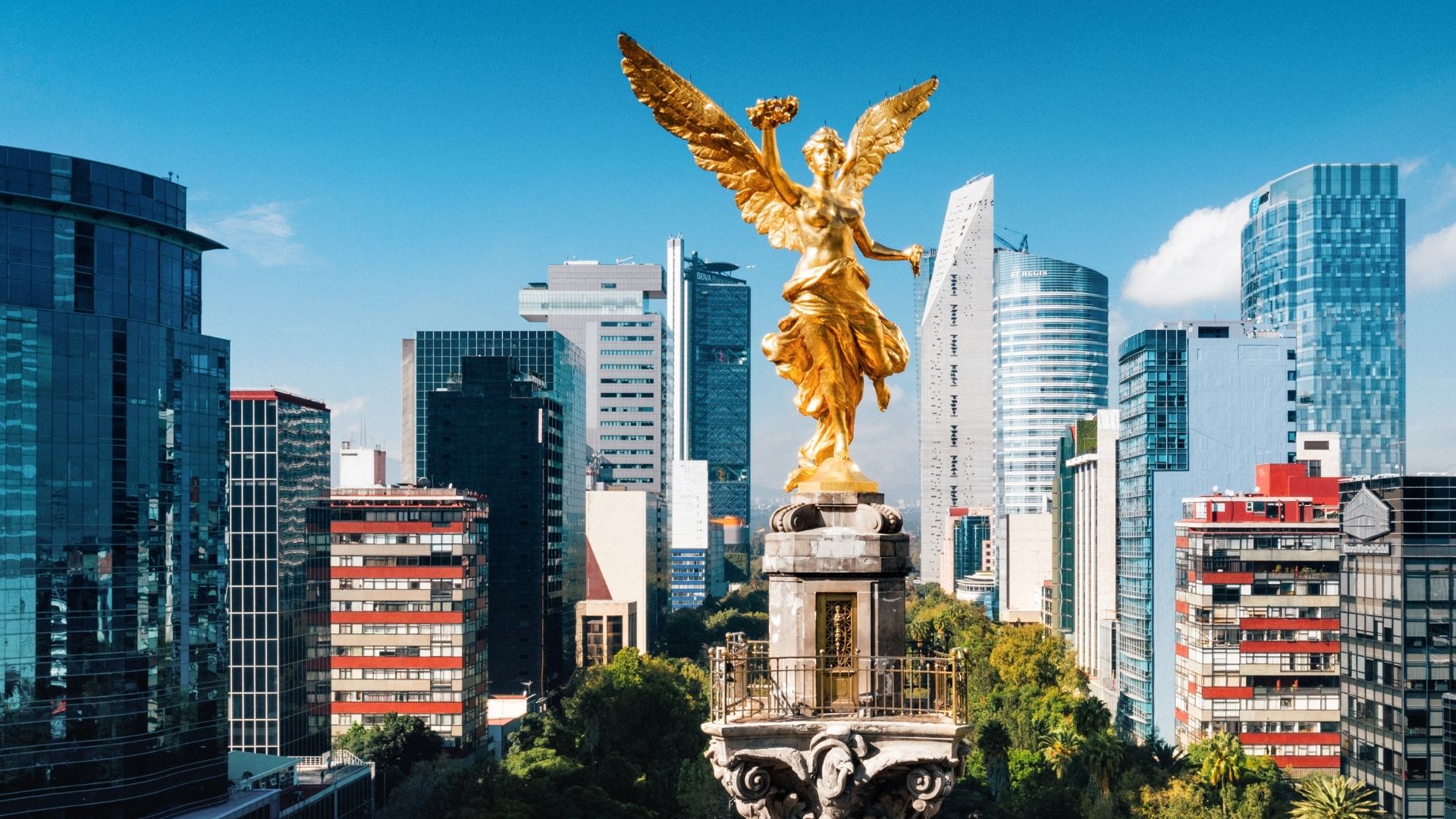
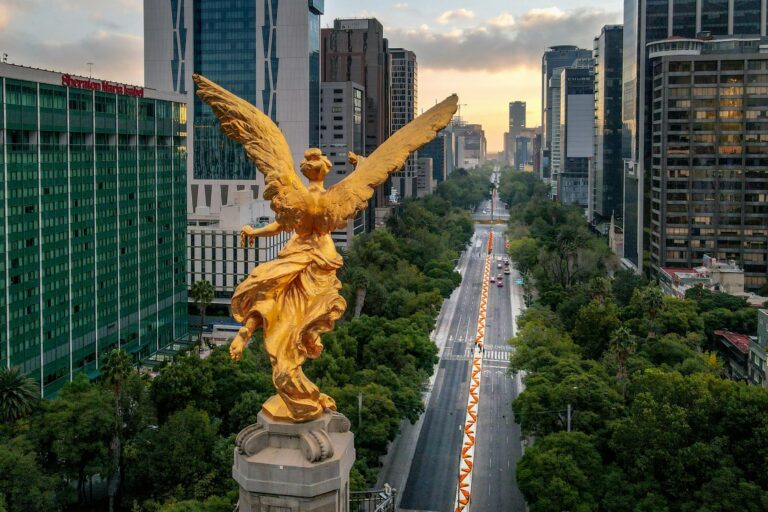
Because Mexico City is a visceral collision of eras and energies. It is a place where the romantic elegance of French-inspired architecture serves as the backdrop for a city that feels raw, electric, and almost dystopic in its magnificent scale. There is a post-punk vitality here an underground edge that pulses beneath the surface of its colonial and modern layers. It is the definition of an authentic, living city: chaotic, seductive, and relentlessly real.
HIGHLIGHTS
The Signature Experience
Mexico City
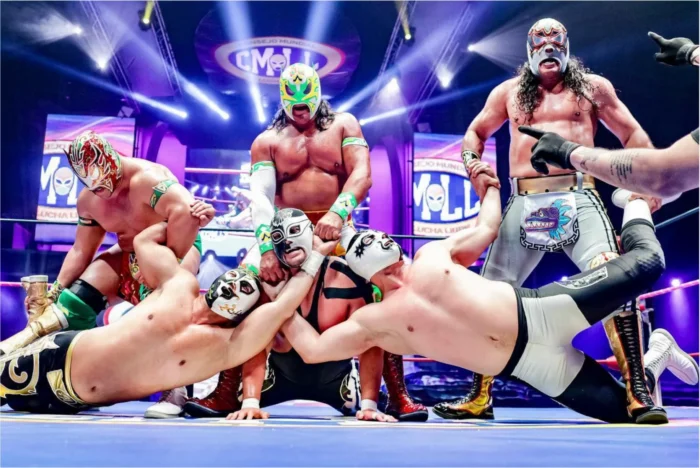
Lucha Libre: The Ring Gods
Discover the spectacle where the mask is sacred and the crowd’s roar is law. Experience a night of adrenaline at Arena México, the “Main Temple” of a sport that is simultaneously culture, folklore, and an unforgettable collective catharsis.
Mixquic
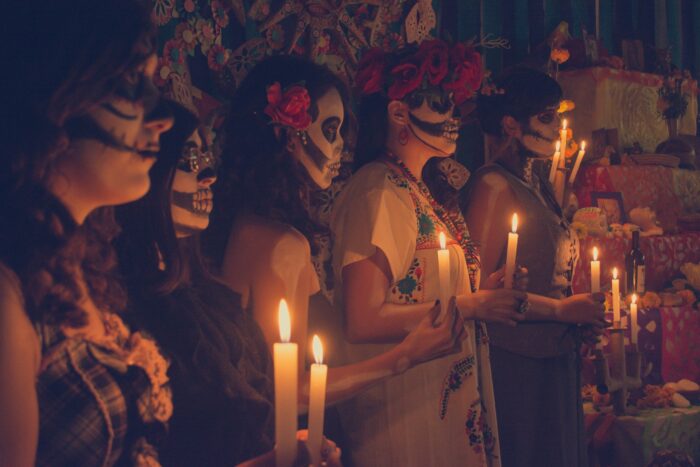
Day of the Dead
Discover Mexico’s most iconic festival. From the mysticism of the altars to the candlelight vigils in the graveyards, experience a unique celebration where death is not an end, but an annual reunion with those we love.

Mexico City
El Palacio de Bellas Artes: Mexico’s Marble Heart
Discover Mexico’s most important cultural venue. A journey through monumental architecture, the muralism that defined an era, and the perfect acoustics sheltering a whole nation’s artistic soul.
Mexico City
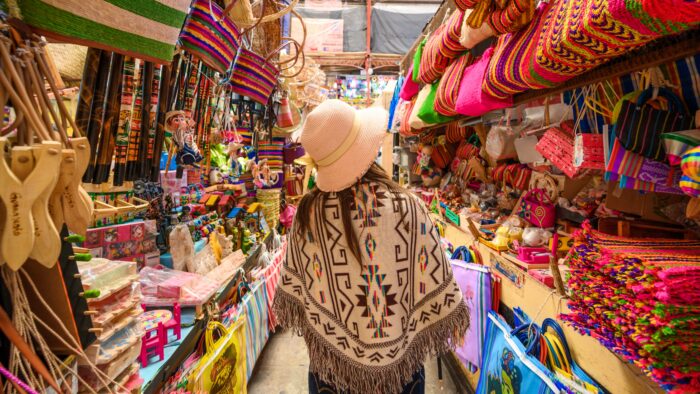
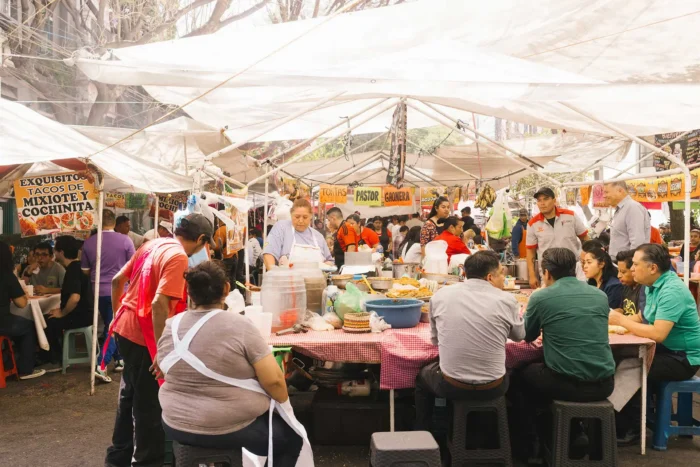
Traditional Markets: Mexico’s Edible Heart
Discover the soul of Mexico through its markets. From the vastness of the capital to the mysticism of the Central Valleys, live a culinary journey amidst fruit altars, smoky embers, and the ingenuity of a heritage served on every plate.
Mexico City
Street Food and Fine Dining in CDMX
Discover the delicious duality of Mexico City. A journey celebrating the mastery of the corner stand and the vanguard of the world’s best restaurants in the same vibrant setting.
BEST TIME TO VISIT
Momentours
Day of the Dead in Mexico City
late Oct–early NovAltars, marigolds, and lively nights.
Independence Day
September 15 -16Jacaranda Season
March – AprilViolet canopies and soft walking light.
PLAN YOUR TRIP
Travel Toolkit
Due to its high elevation, the city enjoys mild days and cool nights year-round. The rainy season runs from May to October, often bringing afternoon showers, while spring and fall offer the best conditions for walking.
Airports: The city is served by the Mexico City International Airport (MEX) and the Felipe Ángeles International Airport (NLU).
Types of transportation: The Metro, Metrobus, and ride-sharing apps like Uber are the most efficient ways to navigate the metropolis.
Mexico City: A Mosaic of Living Stories
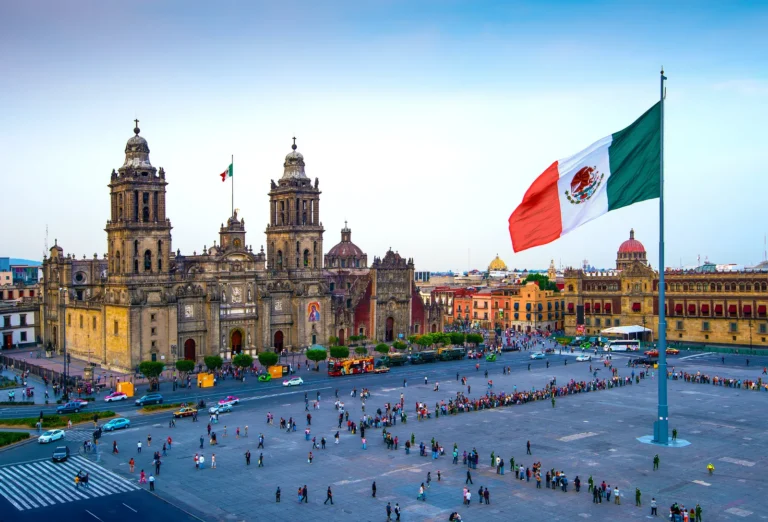
Every street holds a legend, and every neighborhood a different hue. We invite you to experience CDMX like a true local—through its bustling markets, hidden museums, and the everyday magic of its plazas.

Culinary Soul
Mexico City is where the entire country meets at the table. It is the undisputed epicenter of street food culture, but equally a hub for chef-driven cooking and internationally recognized dining. Here, the culinary experience is defined by contrast: you can taste the distinct flavors of every Mexican region without leaving the city limits. Beyond the street stalls, a powerful gourmet current reinterprets traditional recipes, turning local ingredients into avant-garde experiences in neighborhoods like Roma and Polanco.

Photo: Cardamomo
Corn-based antojitos
The morning fuel of the capital. Tlacoyos (corn masa patties filled with beans or fava beans), sopes, and quesadillas are cooked fresh on the griddle and finished with salsa and cheese.

Photo: Swill Magazine
Street Food Culture
Mexico City is the undisputed epicenter of street food, where eating on the sidewalk is a daily ritual.

Photo: Suttherstock
Market Breakfasts
A ritual of sensory overload, where fresh produce meets hot kitchens serving classic comfort food.
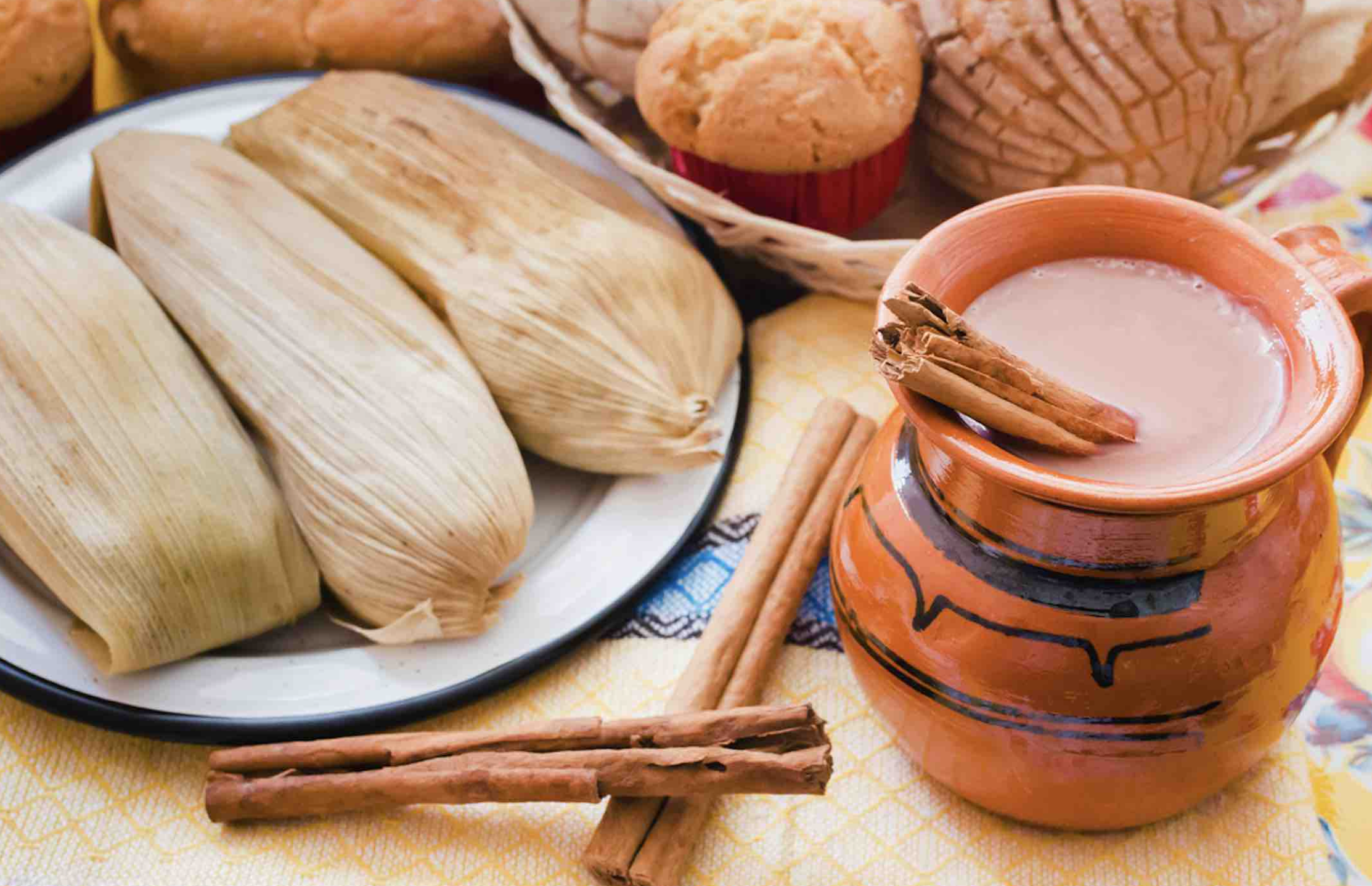
Tamales & Atole
The classic, warming breakfast combination essential for early mornings.

The Iconic Taco
The Local Bite
Pastor & Suadero Taco
“
Taco al Pastor: Pork marinated in adobo, roasted on a vertical spit, and shaved off with pineapple, cilantro, and onion.
Taco de Suadero: The capital’s unique contribution to taco culture. Smooth, confit beef brisket cooked slowly in its own fat on a distinct concave comal, seared to finish, and inextricably linked to the city’s nightlife.