

Highlight
Lucha Libre: The Ring Gods
An Immersion into the Mysticism, Color, and Euphoria of Mexico City’s Most Vibrant Tradition
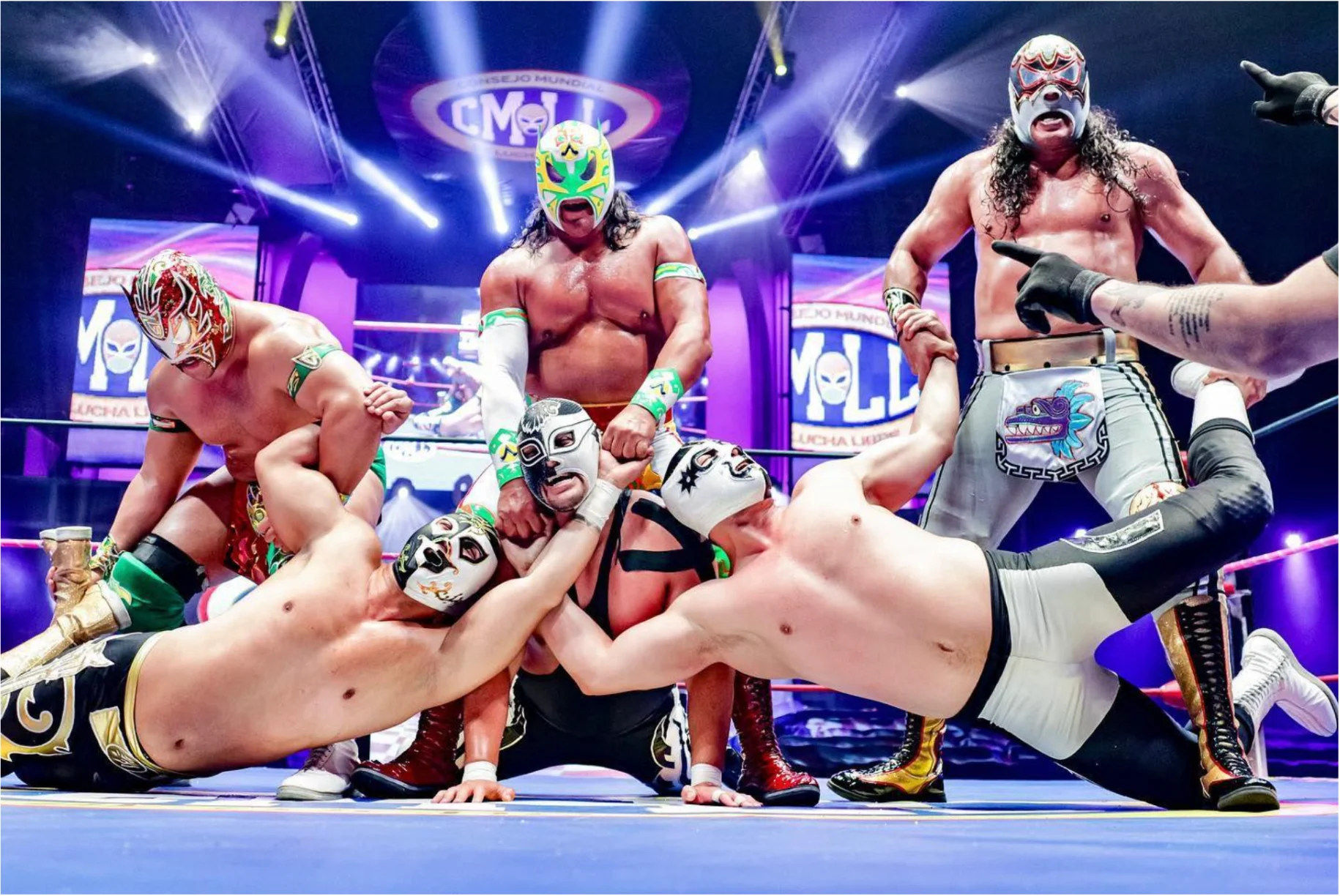
The crowd’s roar explodes just as the lights go out and a cloud of smoke floods the main aisle. You feel the ring’s vibration beneath your feet as the first wrestler appears, wearing a mask that is more than a costume: it is his identity and his honor. In Mexico City, Lucha Libre is not observed with academic distance; it is lived with the throat, shouting for the “técnicos” (the good guys) or booing the “rudos” (the villains). It is that moment, witnessing a spectacular “dive” from the top rope, when you realize you are before an aerial ballet of brute force and one of the purest expressions of the Mexican soul.
Experiencing a show at Arena México, known as the “Cathedral of Lucha Libre,” begins in the surrounding streets, where the scent of “tacos de canasta” and the sale of latex masks create a fantasy market. Upon entering the venue, the atmosphere envelops you with an electric magnetism. Your background doesn’t matter; here, the mask’s anonymity allows you to release tension and join the chorus of thousands of voices. You will experience the speed of the movements, the dry thud of the impact against the canvas, and the narrative of an eternal battle where justice doesn’t always triumph, but it is always spectacular.
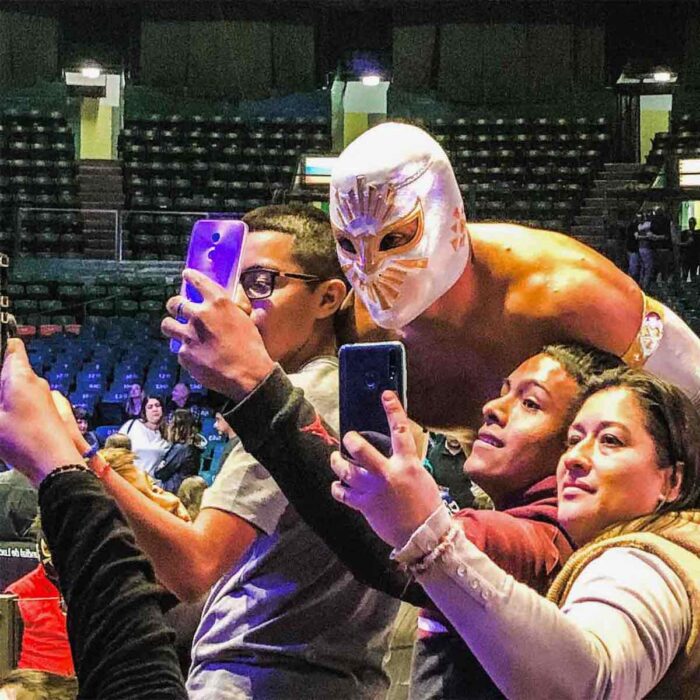
The true magic happens in the interaction. You will see children and grandparents sharing the same enthusiasm, shouting witty insults that are part of the “chilango” wit. Your journey through this world of glitter and sweat will lead you to appreciate the technique behind every hold and the discipline of these athletes who are considered flesh-and-blood superheroes. It is a complete sensory experience that balances the grotesque with the sublime, leaving you with a surge of energy that only the “pancracio” can provide.
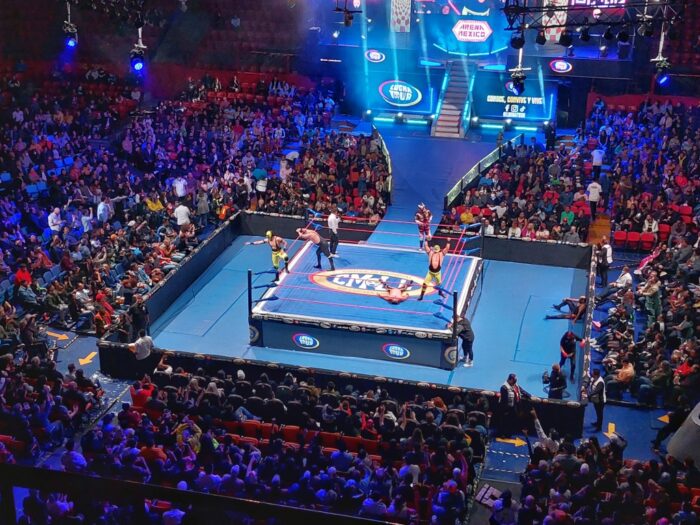
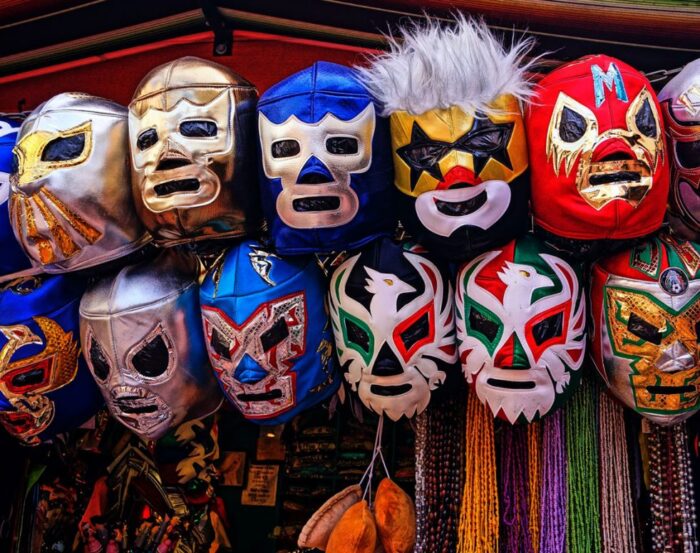
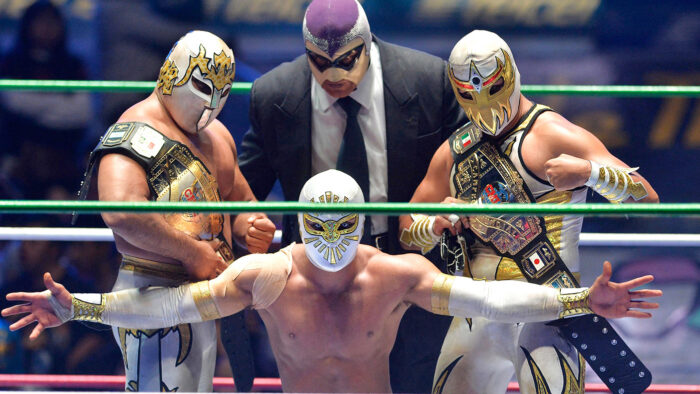
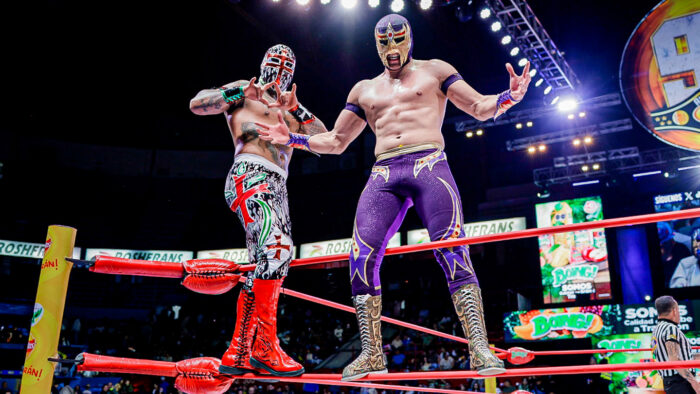

You should know that Mexican Lucha Libre is recognized as an Intangible Cultural Heritage of Mexico City. Unlike wrestling in other parts of the world, the Mexican style is distinguished by its “aerial” maneuvers and the iconic use of the mask—a legacy tracing back to Mesoamerican cultures where warriors used animal skins and masks to adopt their strength. Since the founding of the Empresa Mexicana de Lucha Libre in 1933 by Salvador Lutteroth, this sport became a mirror of social struggles and the people’s identity.
The importance of this heritage lies in its ability to create icons that transcend the ring, such as El Santo or Blue Demon, who became figures in national cinema. By attending a show, you support an industry of artisans (mask makers), musicians, and athletes who keep a nearly century-old tradition alive. It is a legacy of resilience and showmanship that invites you to understand that, in Mexico, the struggle for life is also celebrated with a mask on and a leap into the void.
Trip X-Ray
Ideal Duration
An average show lasts between 2 and 3 hours. Arriving 30 minutes early is recommended to enjoy the outside atmosphere.
Traveler Tips
The main shows are Tuesday's "Nuevos Valores" (New Talent) and the "Viernes Espectaculares" (Spectacular Fridays). Do not bring professional cameras, as they are prohibited; your smartphone is enough to capture the energy.
Special Recommendations
For the full experience, buy an original mask outside the arena and wear it during the show; you will feel your perspective shift as you become another character in the stands.
Insider's Perspective
If you seek a rawer, more authentic side, visit Arena Coliseo in the Historic Center. It is a smaller, older venue where the proximity to the ring is such that you can hear the wrestlers’ breathing and the impact of their bodies just inches away. Another insider secret is to have dinner at one of the taquerías near Arena México after the show; it is common to run into wrestlers who, while maintaining their anonymity, share the same space as fans in an atmosphere of respect and camaraderie.
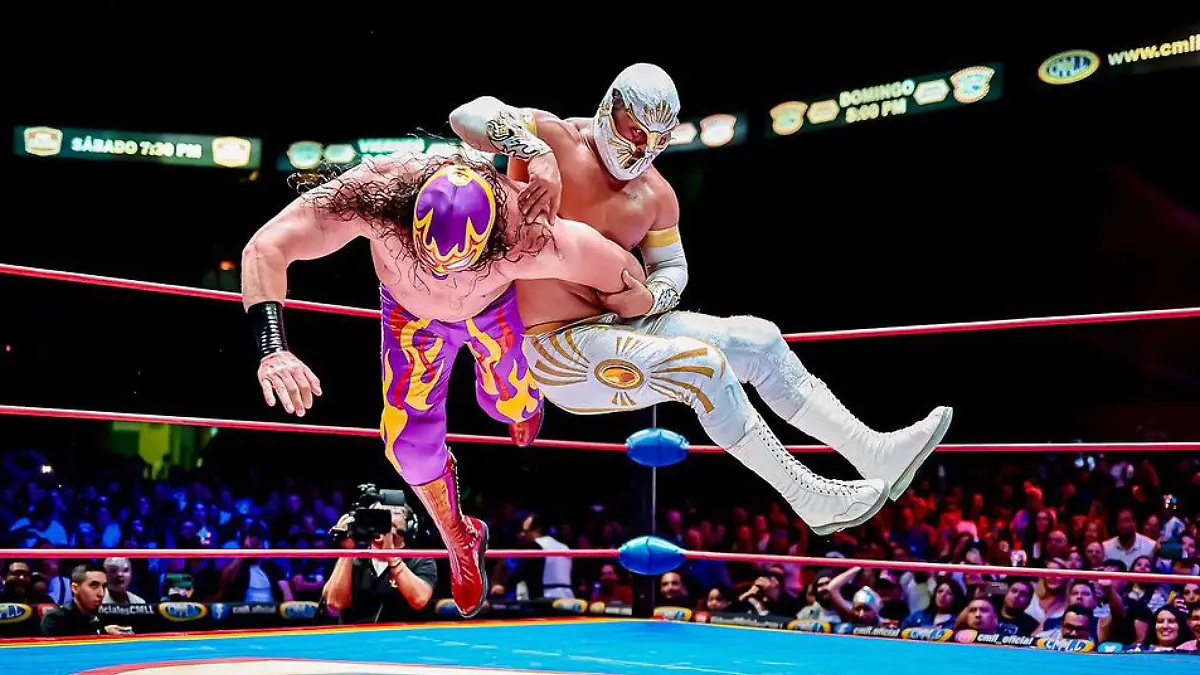
This incursion into the world of masks and ropes is an invitation to let go of control and surrender to the collective euphoria. It allows you to discover that, beneath the shimmer of the capes, lies the untamable passion of a city that knows how to laugh at tragedy. We wait for you in the stands to prove that, in Lucha Libre, the spectacle doesn’t end when the bell rings, but stays engraved in your memory as a burst of color and freedom.