

Highlight
Mole and Mezcal in Oaxaca: Soil Alchemy
A Banquet for the Senses Among Ancestral Flavors and the Spirit of Agave
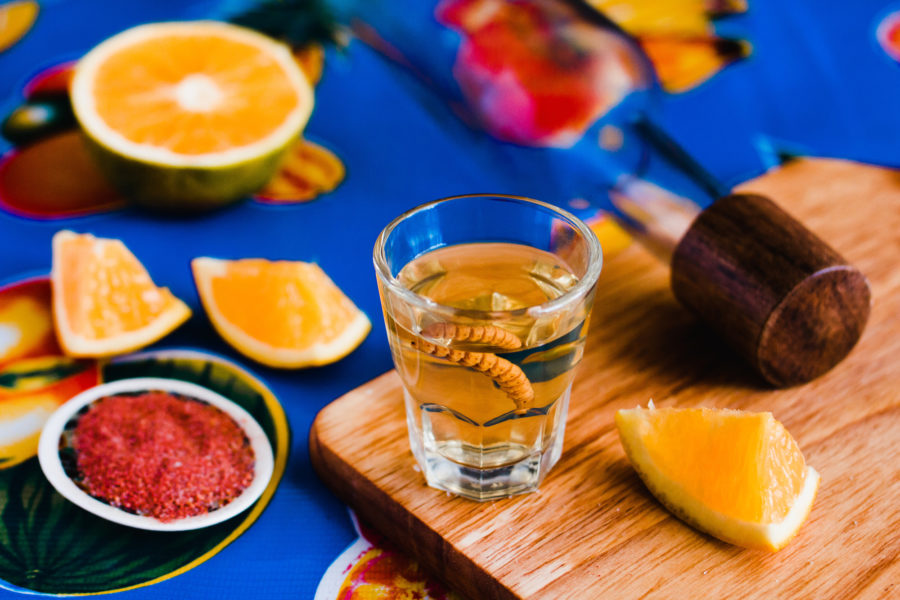
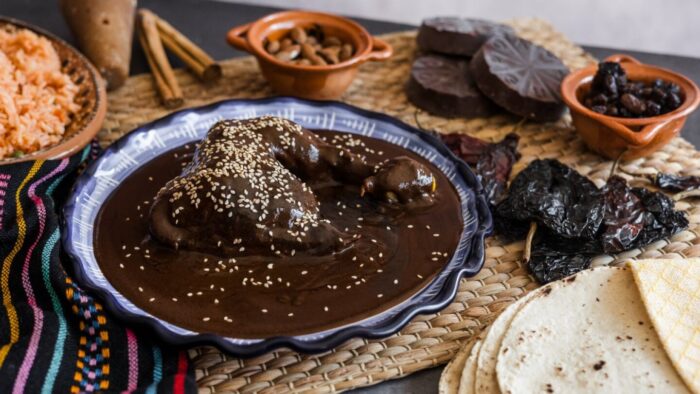
The first aroma that greets you in Oaxaca isn’t the fresh mountain air, but the roasted chilies, chocolate, and cinnamon emanating from its markets. It’s a dense perfume that seems to have its own weight. When you taste your first spoonful of mole negro and feel the sweetness of the chocolate surrender to the subtle heat of the ashen chilies, you realize that Oaxacan cuisine isn’t just food: it’s a ceremony. Add to this your first “kiss” of an espadín mezcal, with its smoky and earthy notes, and you confirm that you have arrived at the epicenter of Mexico’s cultural resistance.
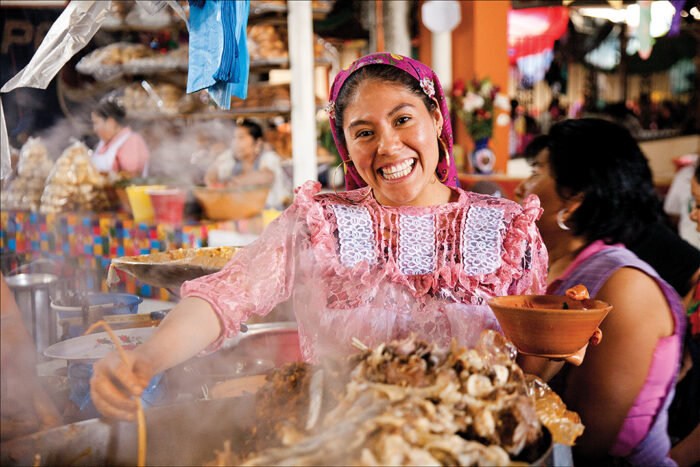
Exploring Oaxaca through its kitchen begins in the aisles of the 20 de Noviembre Market. There, the sound of tortillas yielding to the comal and the smoke from the “Meat Alley” prepare your senses for what is to come. It’s not just eating; it’s understanding time. An authentic mole can take over thirty ingredients and days of preparation; tasting it is savoring the patience of the hands that created it. You will feel how the textures of the coloradito, the freshness of the verde, or the intensity of the manchamanteles take you on a geographic tour of the Central Valleys without leaving your table.
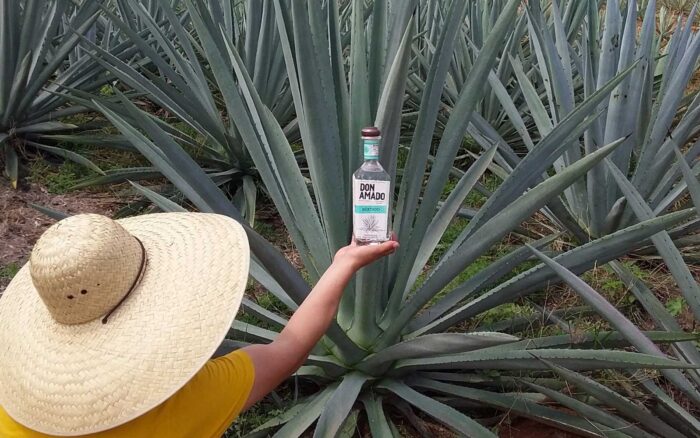
Your afternoon should culminate in a neighborhood mezcalería, where the drinking ritual moves away from modern haste. Holding the clay jícara and perceiving the citrus or mineral notes of a wild mezcal like Tobalá, you establish a dialogue with the master distiller and the time the agave spent under the sun (sometimes up to twenty years). It’s an experience that forces you to be present, to savor “by kisses,” and to recognize that in Oaxaca, luxury does not reside in opulence, but in the depth of a flavor that has survived centuries.

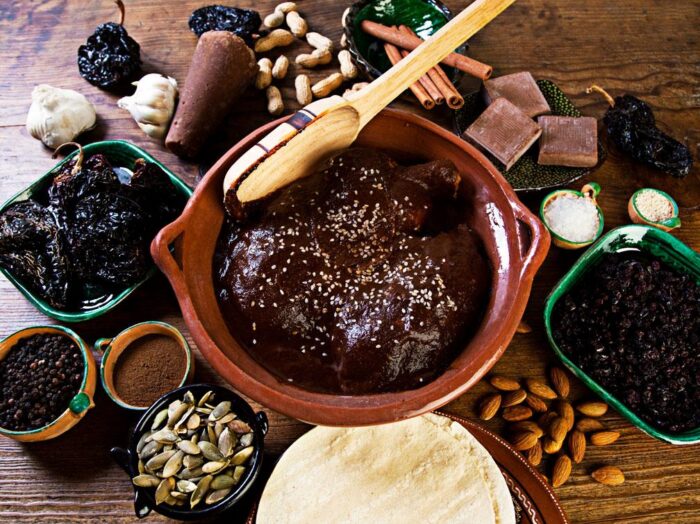
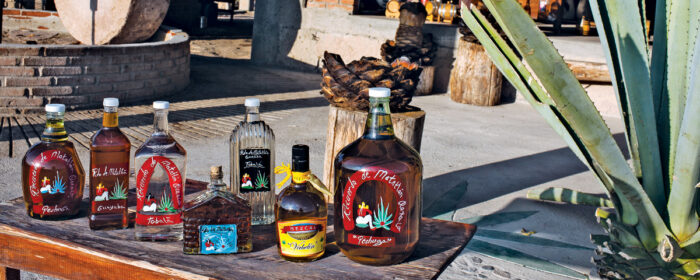
You should know that Oaxacan cuisine is the pillar that supports the recognition of Mexican gastronomy as a UNESCO World Heritage site. Mole is the result of a fascinating syncretism: pre-Hispanic ingredients like cacao and chilies mixed with spices brought from the East and Europe during the Colonial era. On the other hand, mezcal is “the drink of the gods” that has evolved from a clandestine distillate to a global export jewel, while always maintaining its spiritual character in Zapotec and Mixtec ceremonies.
The importance of this pairing also lies in the preservation of biodiversity. By consuming artisanal mole and mezcal, you support the conservation of heirloom chili varieties and wild agaves that exist nowhere else in the world. Visiting the communities of Santiago Matatlán—the world capital of mezcal—or traditional eateries in the capital, you become part of an economic system that honors the small producer and keeps alive the techniques of the earth oven and the stone mill.
Trip X-Ray
Ideal Duration
Reserve at least 3 full days in Oaxaca City to alternate between markets, signature restaurants, and visits to palenques (mezcal distilleries).
Traveler Tips
Mezcal has a high alcohol content; never shoot it—sip it slowly, "kiss" it. In the markets, dare to try chapulines (grasshoppers) with lime and salt; they are the perfect crunchy, protein-packed accompaniment for your tasting.
Special Recommendations
Visit a traditional palenque in Santa Catarina Minas, where they still distill in clay pots; the difference in the flavor profile is a revelation that every enthusiast must live through.
Insider's Perspective
If you seek absolute authenticity, step out of the tourist zone and look for the nighttime street tlayuda stands. Watching them prepare this massive tortilla with lard, cabbage, and dried meat over the coals will give you the true measure of local flavor. Another insider secret is visiting the “In Situ” mezcalería, where the curation of wild agaves is encyclopedic; ask for the limited editions that never reach commercial shelves.
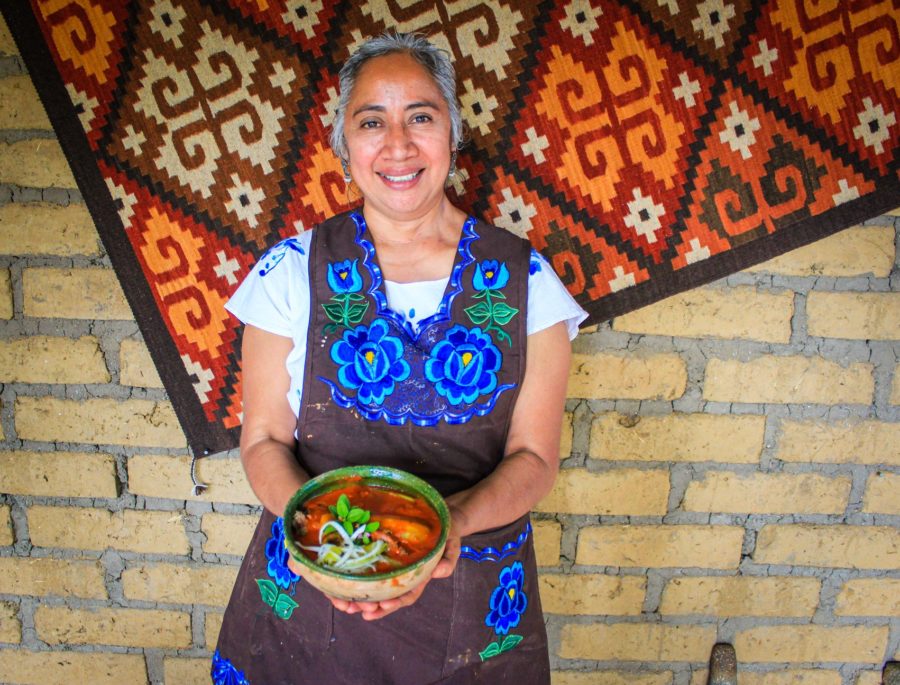
This journey through the flavors of the Central Valleys is a tribute to the earth’s generosity. It invites you to discover that the true spirit of a culture is found in the smoke of its kitchens and the transparency of its spirits. Oaxaca waits for you to show that in every drop of agave and every grain of cacao, the infinite memory of Mexico resides.