
Highlight
Sian Ka’an: Where the Maya Sky Meets the Earth
A Descent into the Cradle of Biodiversity and the Sacred Canals of Quintana Roo
The hum of the boat engine cuts out completely, and the world narrows to absolute transparency. Slipping over the side into the cool, fresh water of the savanna canals, you feel an immediate shift—a tranquil silence that detaches you from the modern world.
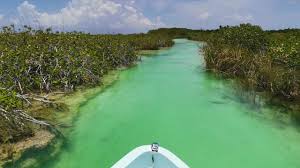
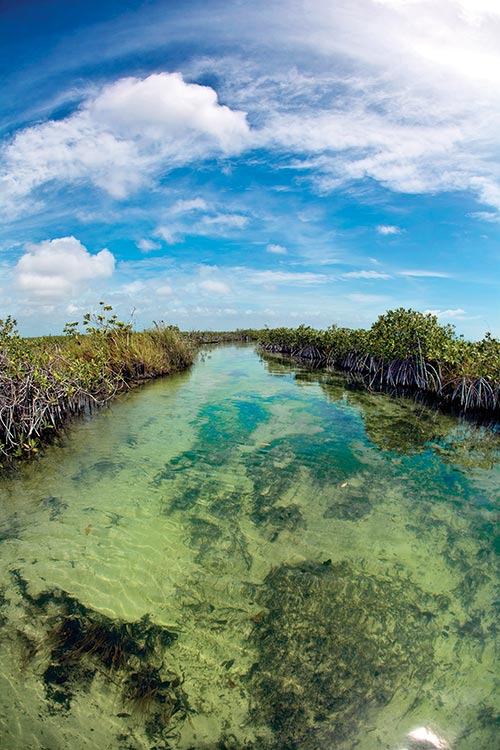
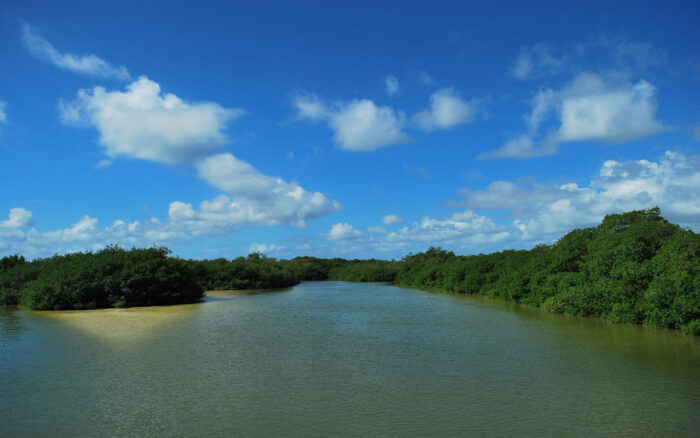
The gentle current takes over instantly. There is no need to swim; you simply float on your back, supported by a life jacket, drifting effortlessly along a crystal-clear waterway that cuts through dense green walls of mangroves. Above, the sky opens up infinitely, while the exposed roots of the wetlands and the silent flight of a snowy egret dictate the pace of an ancient journey. In this moment, the boundary between traveler and environment dissolves, pulling you into the primal pulse of the Yucatan Peninsula.
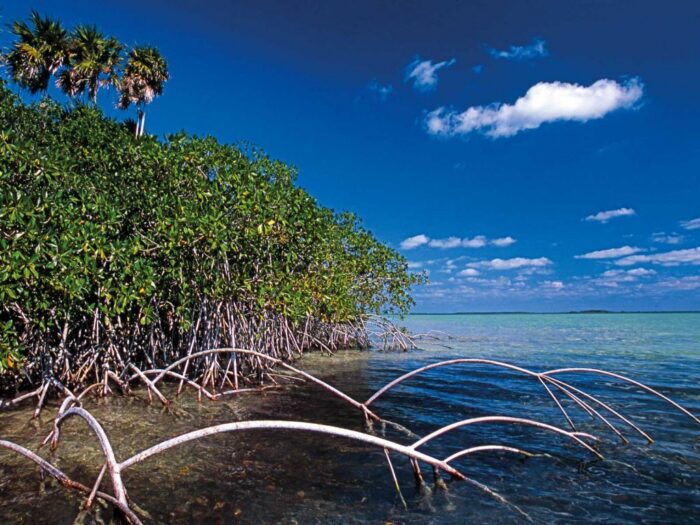
Located just south of Tulum, the Sian Ka’an Biosphere Reserve is the largest protected area in the Mexican Caribbean. It encompasses over one million acres of tropical forests, wetlands, mangroves, savanna marshes, and undeveloped beaches. Designated a UNESCO World Heritage site, this massive reserve stands as a biological sanctuary where large-scale human development ceases, safeguarding wildlife in its purest habitat.
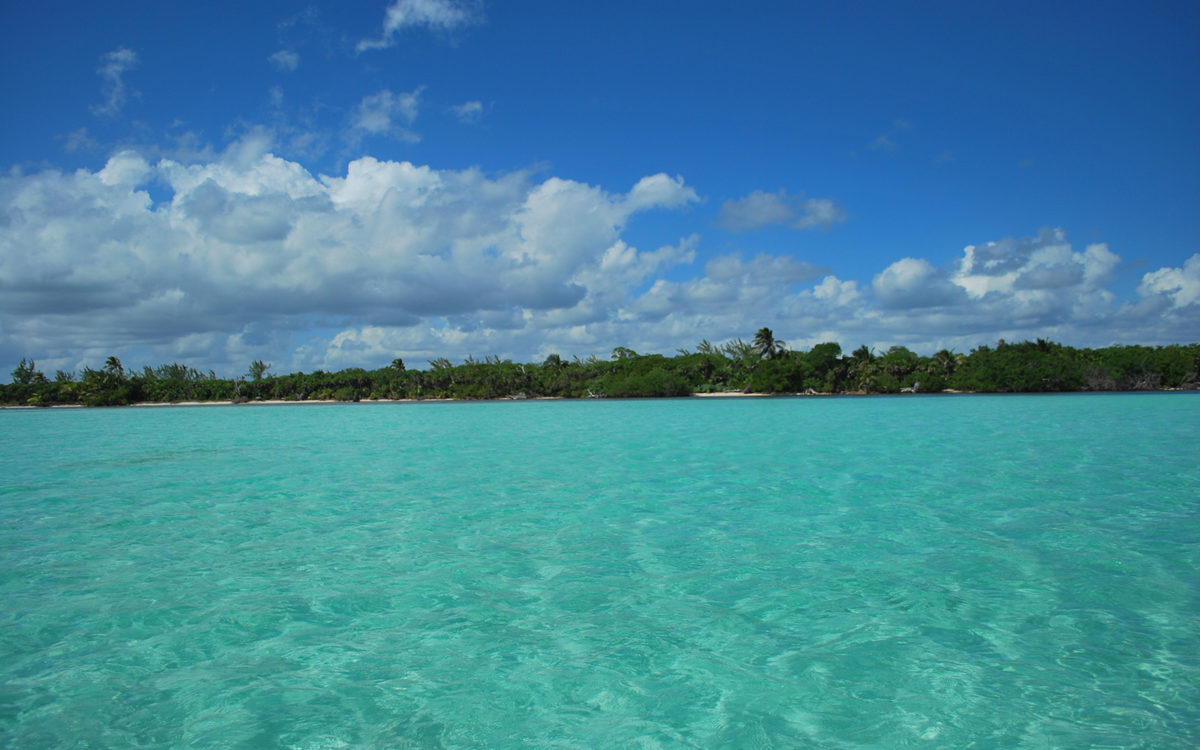
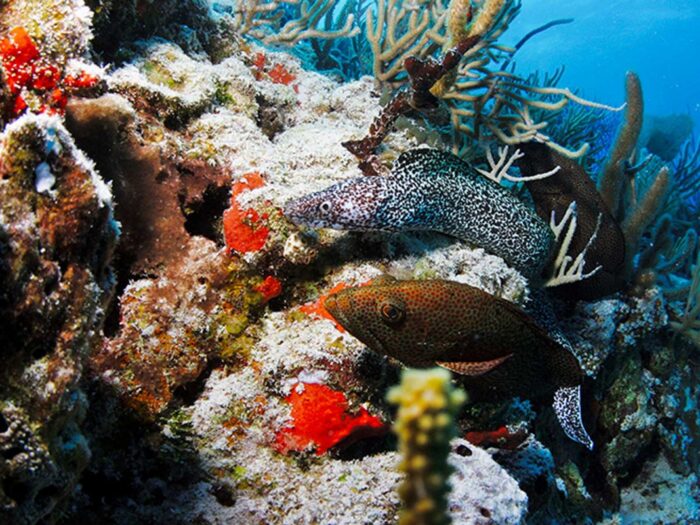
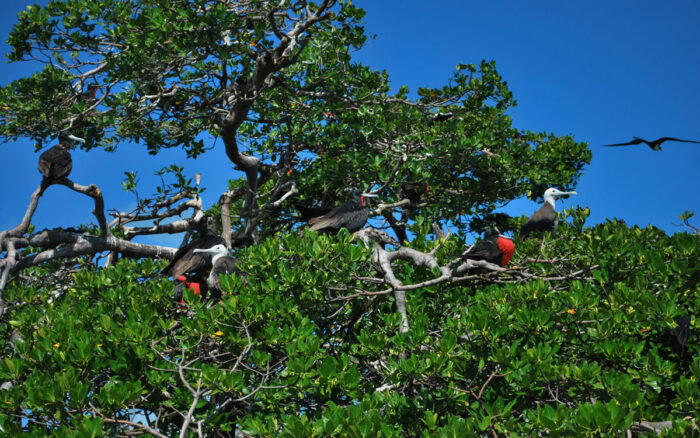
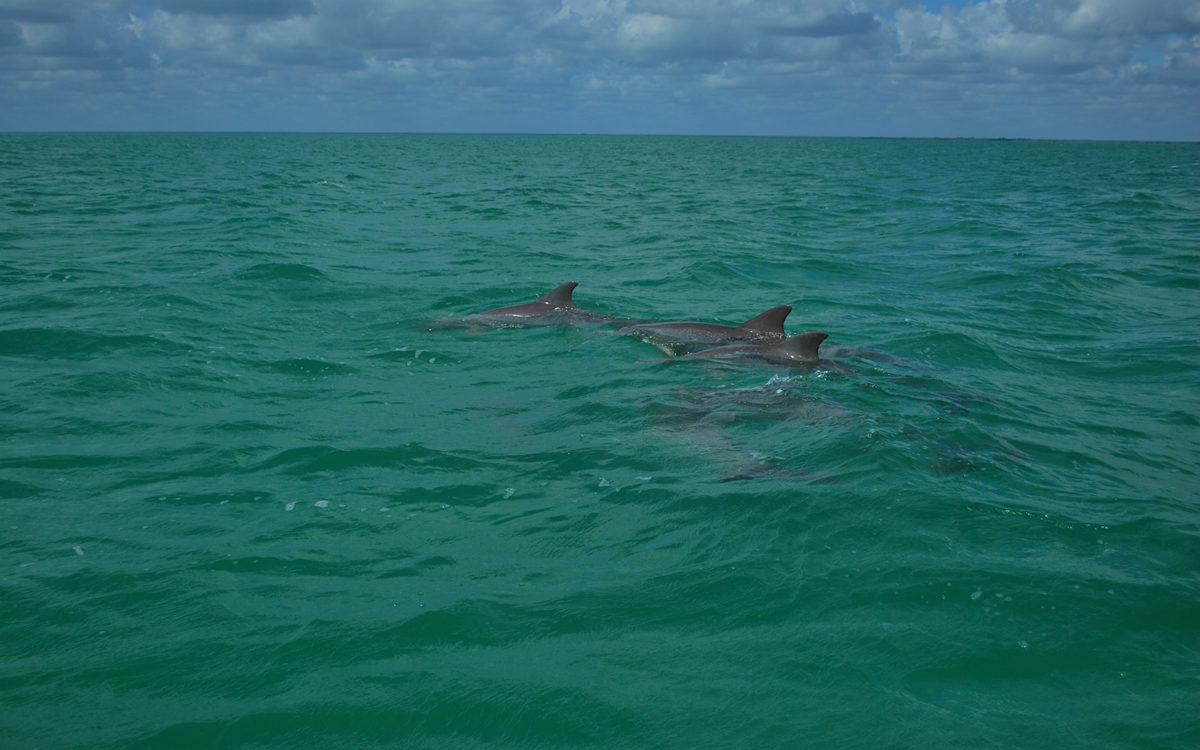
Entering Sian Ka’an reveals an ecosystem of staggering diversity. A complex network of freshwater and saltwater lagoons connects through narrow channels to the Caribbean Sea, bordering the Mesoamerican Reef—the second-largest coral reef system on Earth. For travelers seeking an experience far removed from conventional coastal resorts, the reserve offers a genuine expedition into untamed nature. It is an environment where it is possible to closely observe wild dolphins, sea turtles, West Indian manatees, and more than 300 species of birds nesting in the coastal thickets.
The Two Routes: Muyil and Punta Allen
The vastness of Sian Ka’an is experienced through two primary corridors, each offering a distinct landscape and style of exploration:
The Cultural and Wetland Route (Via Muyil)
This path is tailored for those drawn to history, archaeology, and a contemplative pace. The journey begins inland at the Muyil archaeological site, winding through ancient ruins before crossing the Muyil and Chunyaxche lagoons by boat.
The defining experience is the river float near the ancient Maya structure of Xlapak, which once served as a historic trade checkpoint. Here, travelers step into the water and let the steady, gentle current carry them passively for over half a mile down an ancient canal carved through the wetlands.
The Marine and Adventure Route (Via Punta Allen)
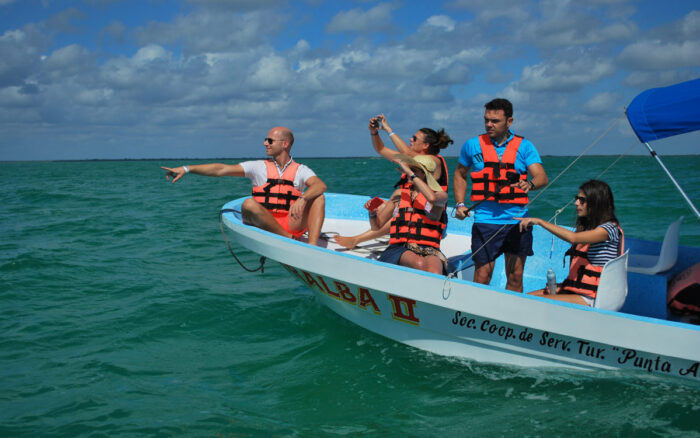
Designed for those focused on marine fauna and the open ocean, this journey involves navigating a rugged unpaved coastal road or taking an extended boat trip from the inner lagoon docks.
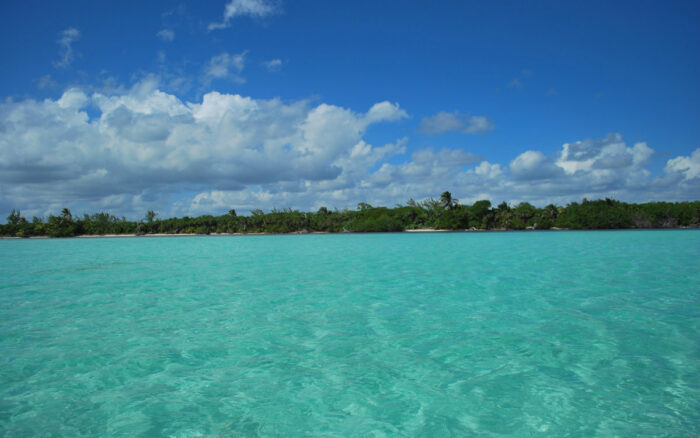
In this coastal sector of the reserve, the sea transforms into a vibrant natural aquarium. Travelers can snorkel over exceptionally well-preserved coral gardens, visit el blanquizal—a shallow, crystal-clear sandbar in the open sea that resembles a vast natural swimming pool—and observe nesting colonies on Bird Island.
Trip X-Ray
Ideal Duration
A block of five to six hours is essential to experience the entire route with the unhurried pace and environmental respect this sanctuary demands.
Traveler Tips
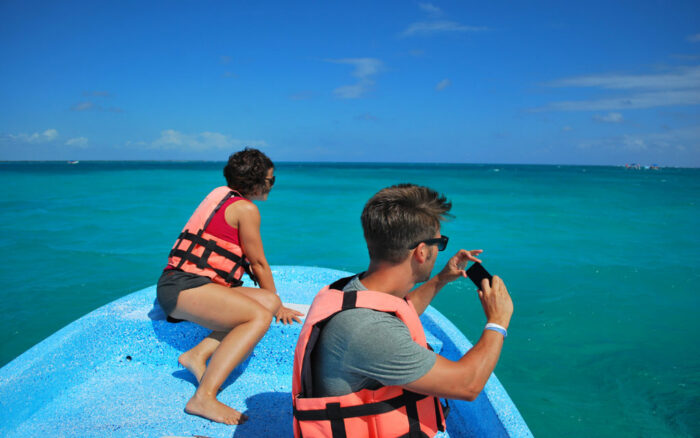
The Caribbean sun is unyielding, and this coastal ecosystem is intensely vulnerable. The use of conventional sunscreens and insect repellents—including those marketed as biodegradable—is strictly prohibited before entering the water. Chemical residues permanently alter the purity of the aquifer and degrade the sensitive mangrove roots.
What to Wear
Rely on physical sun protection. Pack lightweight linen clothing or long-sleeved UV-protection shirts, a wide-brimmed hat, and high-traction water shoes or sandals to navigate the weathered wooden docks safely.
Logistics from Tulum
Tulum serves as the ultimate staging ground for the reserve. The Muyil gateway sits just 20 minutes south along Federal Highway 307. To reach Punta Allen, pass through the stone archway at the southern end of the Tulum hotel zone and follow the unpaved coastal road deep into the protected area.
The Insider Perspective
To experience the true spirit of Sian Ka’an, bypass international travel agencies and arrange your excursion directly with local Maya community guiding cooperatives in Muyil or Punta Allen. These local captains and guides are the rightful stewards of the biosphere. Their families have lived in harmony with these wetlands for generations, and they operate under strict sustainable tourism frameworks that limit environmental impact.
As the day ends and the boat turns back toward the docks, the low sun paints the lagoons in deep amber and gold. It becomes clear why Sian Ka’an, which translates appropriately to “Where the Sky is Born,” remains a vital sanctuary. This biosphere is not a place visited merely to collect photographs; it is a landscape to be observed quietly, reminding us of the enduring value of preservation and the balance between ancient human ingenuity and wild nature.