

Highlight
Street Food and Fine Dining in CDMX
The Evolution of a Metropolis Savored from the Asphalt to the Linen Tablecloth
The aroma of nixtamalized corn on the griddle intertwines with the notes of a Baja California wine, creating an atmosphere where luxury is not a label, but a flavor. In Mexico City, the distance between a perfect taco enjoyed on the street and a ten-course dinner on a global ranking is just a few blocks. Here, the palate does not discriminate; it yields to the mastery of a hand that has perfected the same sauce for decades and marvels at the technique of a chef reinterpreting the past to serve the future.
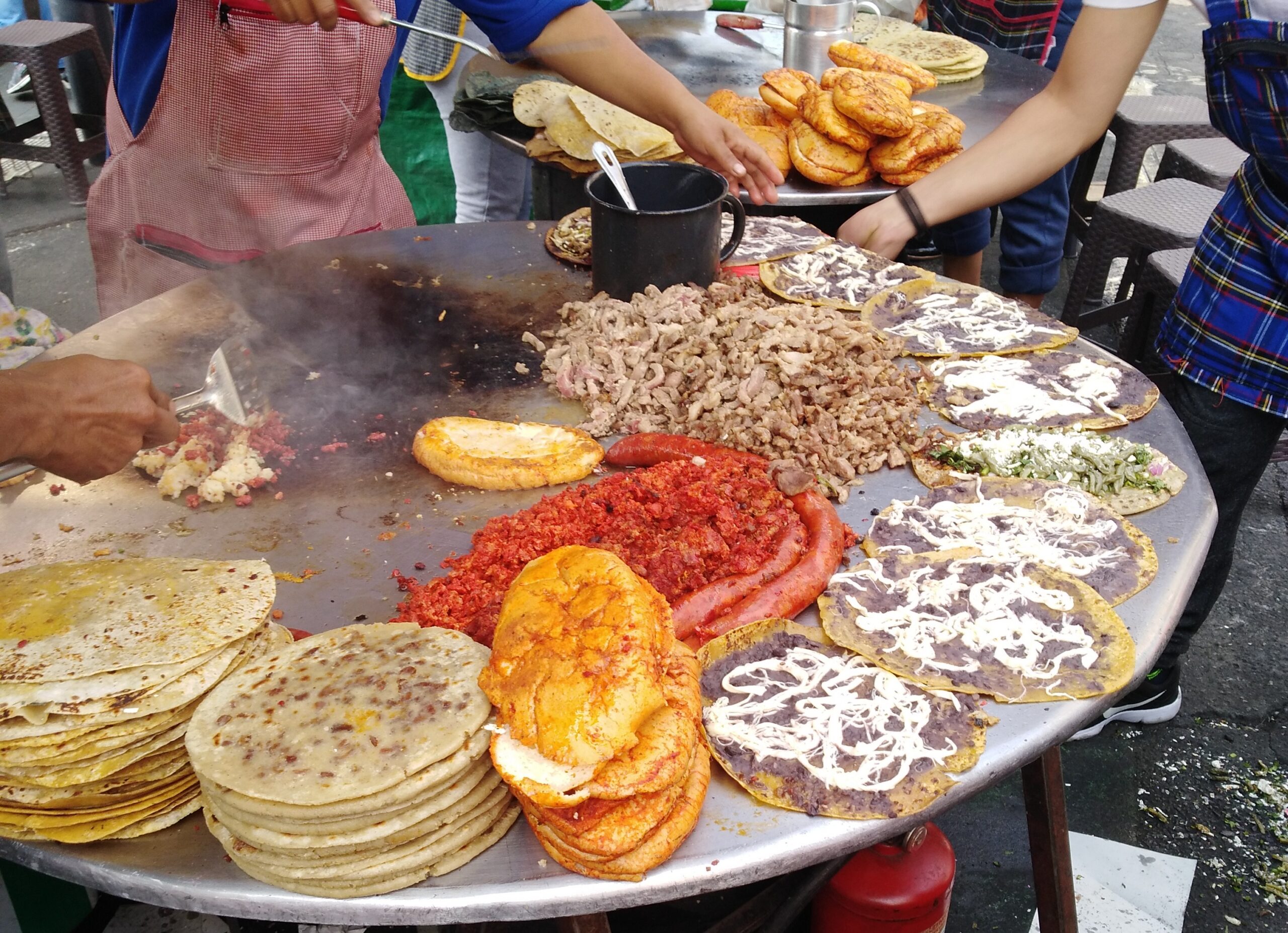
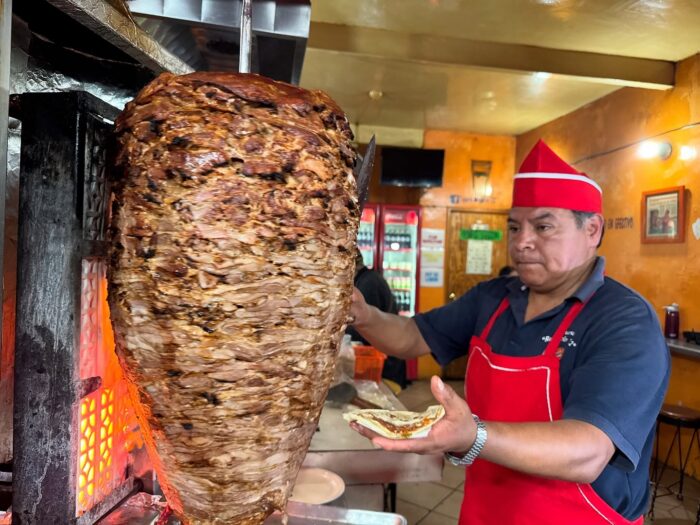
To live the capital’s gastronomy is to accept an invitation to a harmonious chaos. The experience begins in the morning bustle, where the metallic rhythm of spatulas on the grill sets the city’s pace. Tasting a pastor taco, with the pineapple flying with surgical precision, is to understand the first level of culinary devotion among locals. It is an urban communion where the executive and the artist share the same space for the simple pleasure of an authentic bite.
However, as night falls, the city transforms. The stage shifts to neighborhoods like Polanco or Roma, where architectural design and dim lighting prepare the senses for sophistication. Here, humble ingredients like huitlacoche or chicatana ants are elevated to the status of gastronomic jewels. The experience becomes contemplative, a paced dialogue between the diner and the product’s origin, where each dish tells a story of biodiversity, family tradition, and bold experimentation. It is the full cycle of a country that loves itself through what it eats.
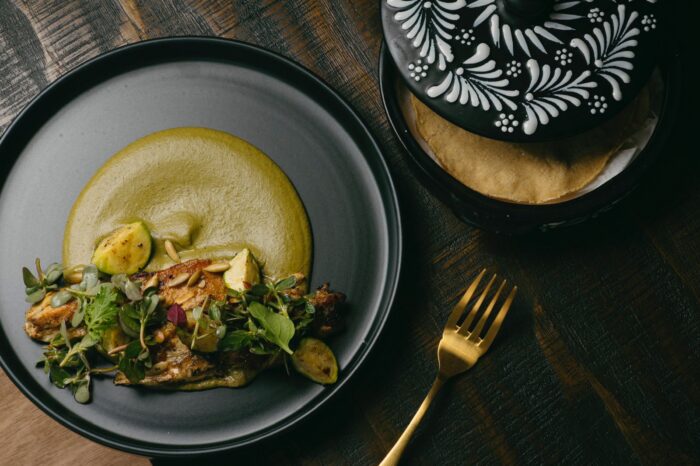
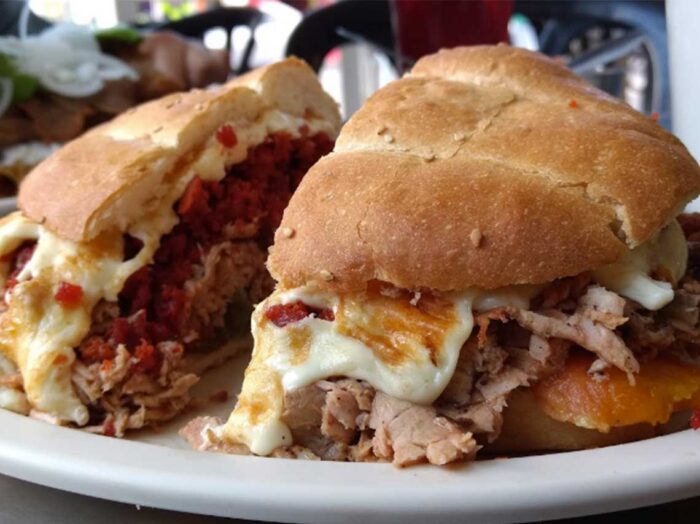
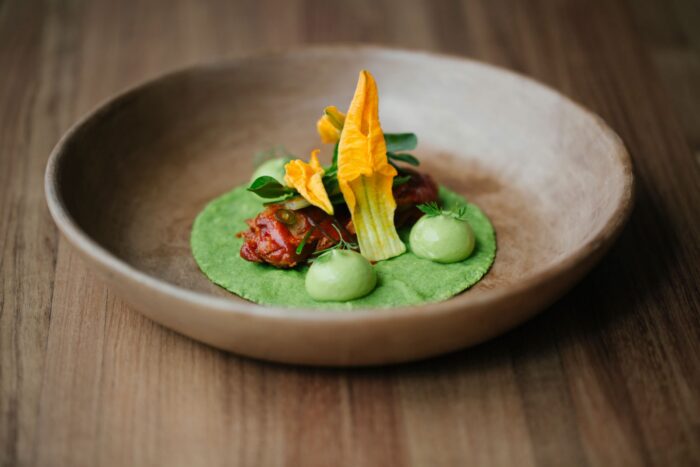
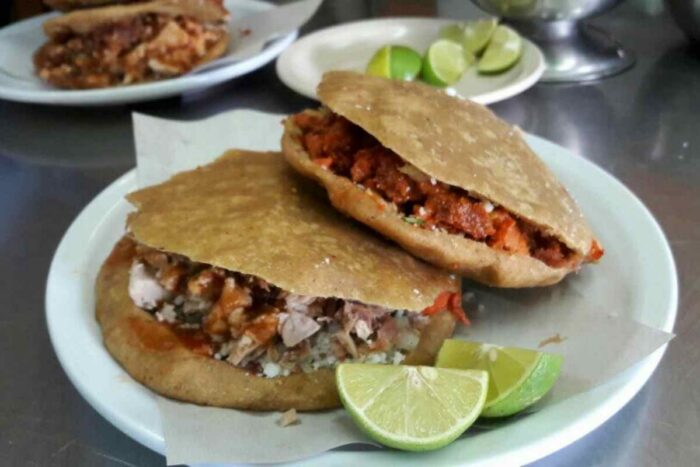
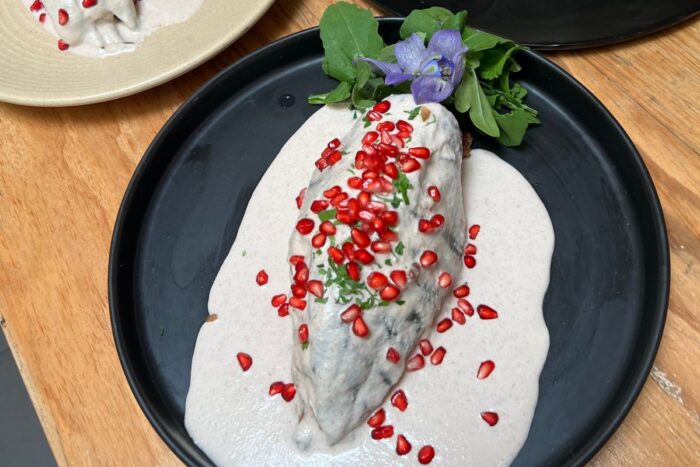
Mexico City is the epicenter of a unique phenomenon: the democratization of flavor. Its cuisine is the heir to Mesoamerican tradition, viceregal refinement, and global migrations. UNESCO recognized Mexican cuisine as a World Heritage site, and CDMX is its most dynamic showcase. While street food preserves millennial techniques like nixtamalization, Mexican Fine Dining has successfully brought those same foundations to the world’s most demanding tables. Restaurants like Pujol or Quintonil have not invented new flavors; they have given a new language to ingredients that have been in our land for millennia, positioning the capital as a global pilgrimage destination for food lovers.
Trip X-Ray
Ideal Duration
A minimum of 3 days dedicated exclusively to culinary exploration.
Traveler Tips
Do not choose between one extreme and the other; the true essence lies in the contrast. Dedicate mornings to traditional markets (like San Juan or Coyoacán) and reserve nights for the vanguard.
Special Recommendations
Engage in a craft mezcal tasting before a high-end dinner; the agave spirit cleanses the palate and sharpens the perception of the complex flavors in contemporary cuisine.
Insider's Perspective
Avoid the tourist lines at the most famous churro chains. If you are looking for the locals’ best-kept secret for “high-end street food,” look for the tacos de guisado stands in the San Rafael neighborhood or the rib tacos in the Juárez area after midnight. The true insider knows that the best thermometer of quality is the product turnover and the complexity of the salsa, not the decor of the establishment.
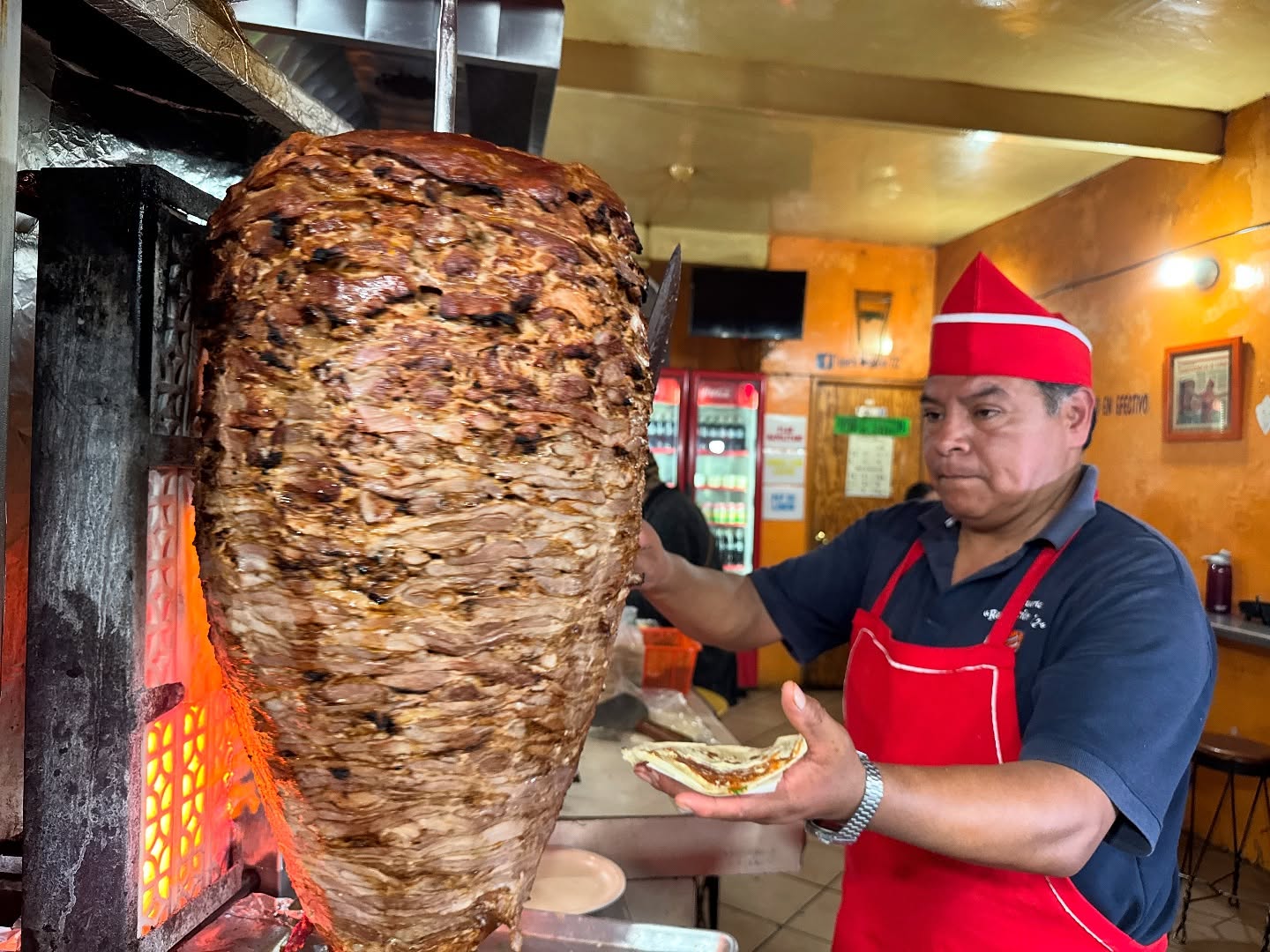
Mexico City is not explored with your feet; it is explored with your senses. It is an infinite banquet that defies conventions and celebrates identity in every bite. We invite you to take a seat at this table where tradition and innovation coexist without hierarchies, waiting to be discovered by those seeking more than just a meal: an experience that feeds the soul.