

Highlight
Traditional Markets: Mexico’s Edible Heart
A Sensory Expedition Through the Aisles of CDMX and Oaxaca Where History is Tasted
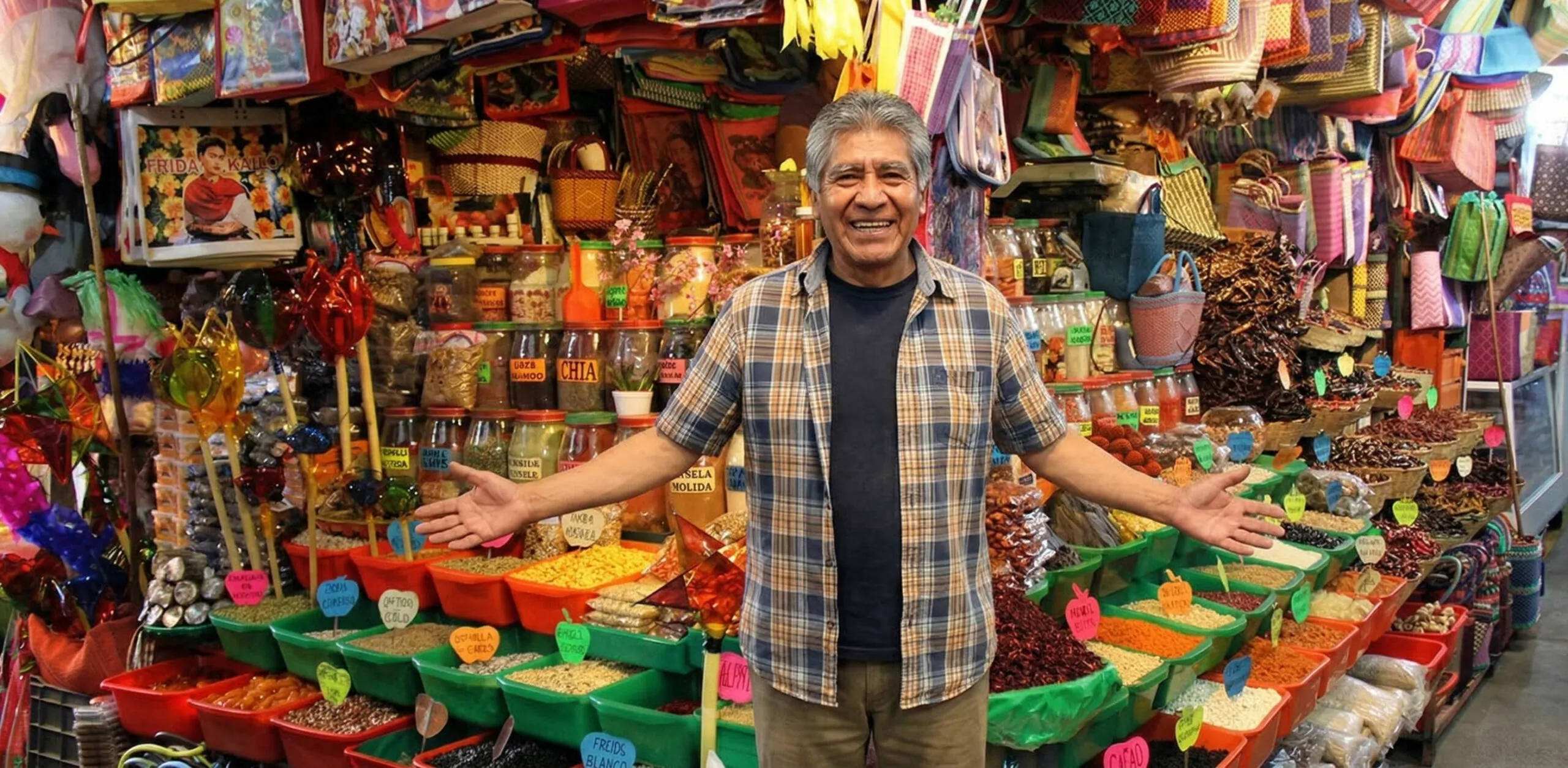
The rhythmic sound of a knife chopping meat on a wooden block blends with the vendors’ cries and the intoxicating aroma of toasted chilies. Upon entering a traditional Mexican market, you feel the city condense into a single space. You aren’t just shopping; you are walking through a living museum where the curation is dictated by the season and hunger. In Mexico City and Oaxaca, traversing these aisles is understanding that the country’s true identity isn’t in monuments, but in the generosity of a food stall and the explosion of flavors that occurs with the very first bite.
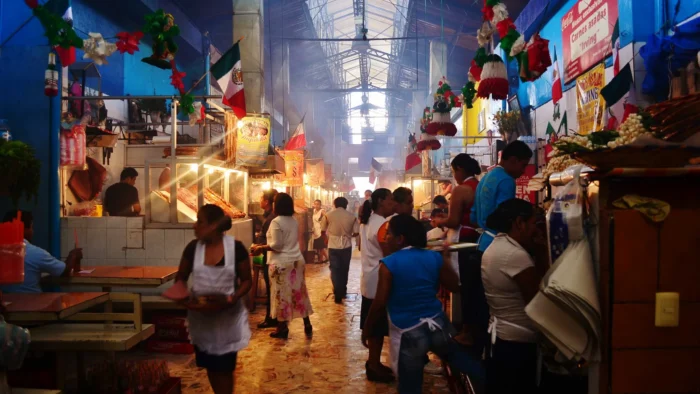
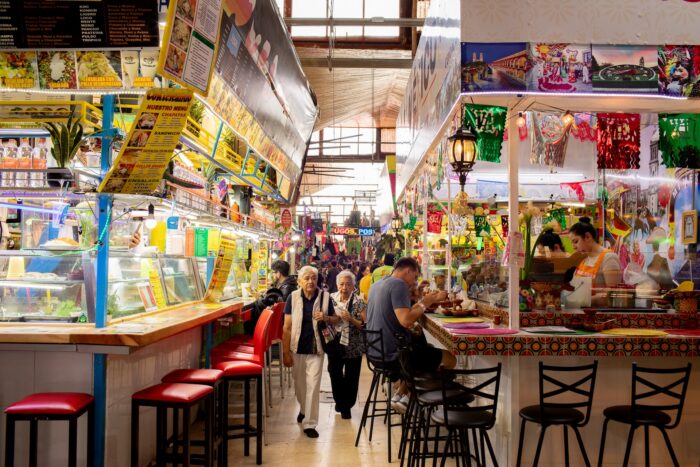
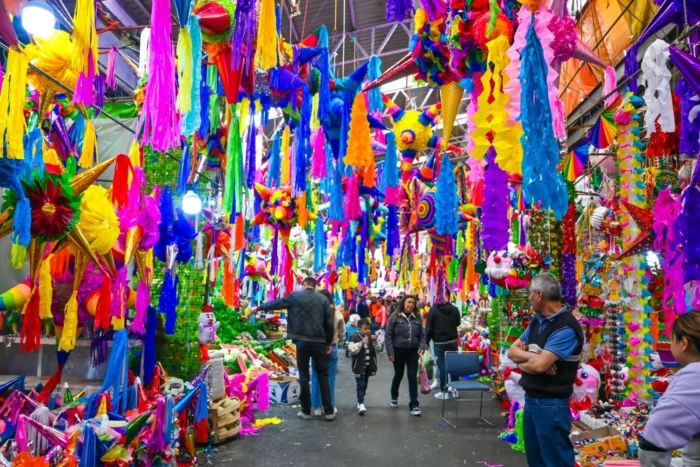
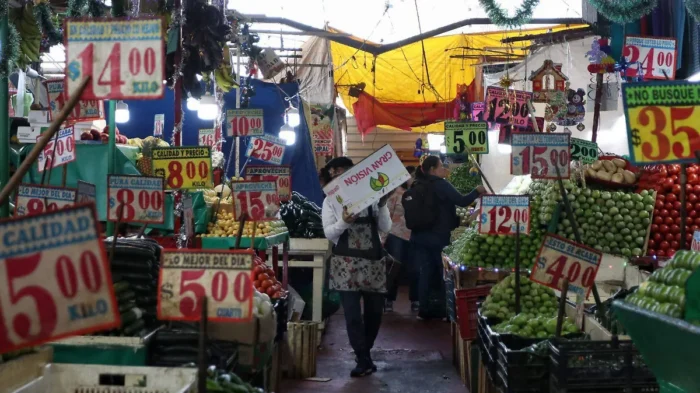
Experiencing the markets means surrendering to a perfectly orchestrated chaos. In CDMX, your passage through the San Juan Market offers an unusual sophistication, where exotic ingredients and artisanal cheeses coexist with tradition. Traveling to Oaxaca, the experience becomes deeper and earthier. At the 20 de Noviembre Market, you will feel the heat of the “Meat Alley” (Pasillo de las Carnes), where the smoke from tasajo and chorizo over the embers creates a cinematic atmosphere. It’s not just about nourishment; it’s about participating in a communal ritual where tables are shared and the service is personal.
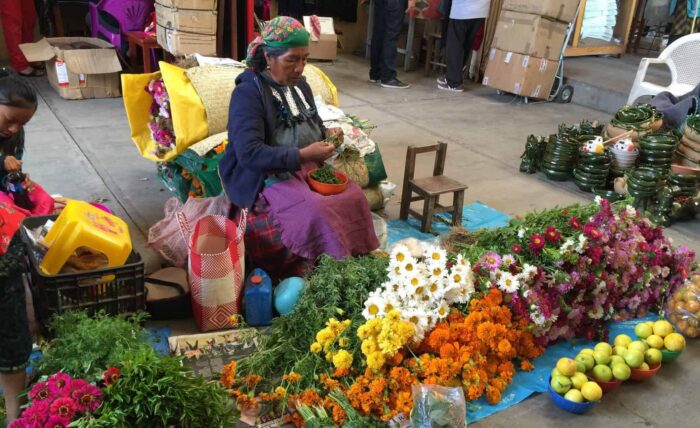
The true magic lies in the diversity of textures. From the softness of a mole tamale to the crunch of a grasshopper (chapulín) with lime and salt, every stop is a history lesson. Walking among pyramids of mangoes, perfect avocados, and bunches of flowers grants you a direct connection to the land. It is a journey that balances the adrenaline of the crowd with the peace that a good meal provides, leaving you with the feeling that you have finally touched the most sensitive and honest fiber of Mexican life.
Heritage
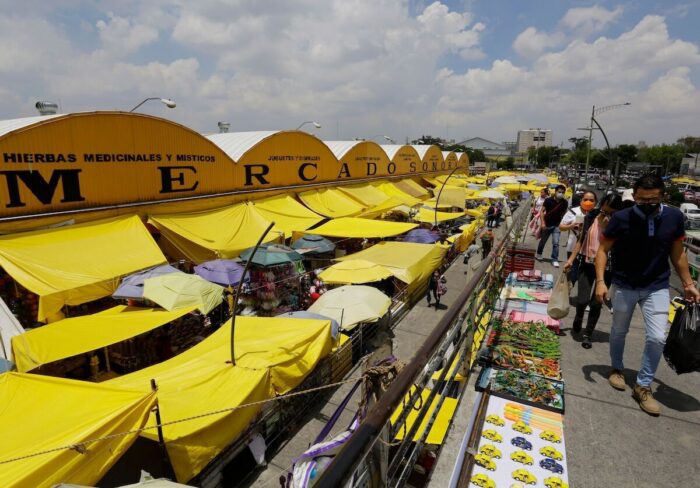
These kinds of markets have their origins in pre-Hispanic “tianguis,” such as the legendary Tlatelolco market that marveled the conquerors. This form of commerce has survived for centuries, adapting and adopting ingredients from around the world without losing its communal essence. In 2010, traditional Mexican cuisine was inscribed by UNESCO as Intangible Cultural Heritage of Humanity, and markets are the guardians of that title, preserving techniques like nixtamalization and the use of ancestral tools like the metate and molcajete.
The importance of these spaces lies in their role as centers for biodiversity conservation. In the markets of Oaxaca and CDMX, you will find varieties of corn, chilies, and herbs (quelites) that do not exist in modern supermarkets. By consuming there, you directly support small producers and keep alive a circular economy that has sustained families for generations. It is a legacy of cultural resistance and abundance that invites you to value food not as a commodity, but as the sacred bond between the land and the table.
The Most Iconic Traditional Markets in Mexico
Mexico City
- San Juan Market (Pugibet): A chef’s paradise. Famous for exotic ingredients, rare meats, edible flowers, and imported gourmet products.
- Jamaica Market: An unmatched visual spectacle. Specialized in flowers and plants, it also offers some of the city’s best traditional snacks.
- La Merced Market: The capital’s giant. The largest retail market, a labyrinth where you can find absolutely any ingredient in Mexican cuisine.
- Coyoacán Market: Colorful and tourist-friendly. Ideal for trying the famous tostadas and enjoying the bohemian atmosphere of one of the city’s oldest neighborhoods.
- Sonora Market: The market of mysticism. Known for its herbalism, magic, and esotericism section, offering a unique glimpse into Mexican folk belief.
Oaxaca
- 20 de Noviembre Market: The ultimate gastronomic destination. Its “Grilled Meat Alley” is a mandatory stop for any flavor enthusiast.
- Benito Juárez Market: The heart of downtown. Here you will find the best selection of crafts, textiles, mole pastes, quesillo, and chapulines.
- Abastos Market: The epicenter of trade. Oaxaca’s largest; on Saturdays, it hosts producers from all regions of the state, creating a fascinating cultural mosaic.
- Tlacolula Market (Sundays): A pre-Hispanic gem. Located on the outskirts, its Sunday market is famous for bartering and “pan de cazuela.”
- La Merced Market (Oaxaca): The local favorite. Smaller and more organized, it is ideal for enjoying a traditional breakfast at the “fondas” with an authentic vibe.
Trip X-Ray
Ideal Duration
Dedicate at least 3 or 4 hours to each market to explore and eat without rushing.
Traveler Tips
Always carry cash in small denominations. In Oaxaca, don't miss the tejate served in a gourd; it’s the perfect tonic for the road.
Special Recommendations
In CDMX, private food tours are an excellent option to safely and expertly navigate the complexity of large markets like La Merced.
Insider's Perspective
If you seek total authenticity, look for the women selling handmade tortillas at the entrance of Oaxacan markets. Another insider secret is to visit the Jamaica Market in CDMX during the early morning hours; seeing the unloading of millions of flowers is an almost surreal experience that few travelers know about.
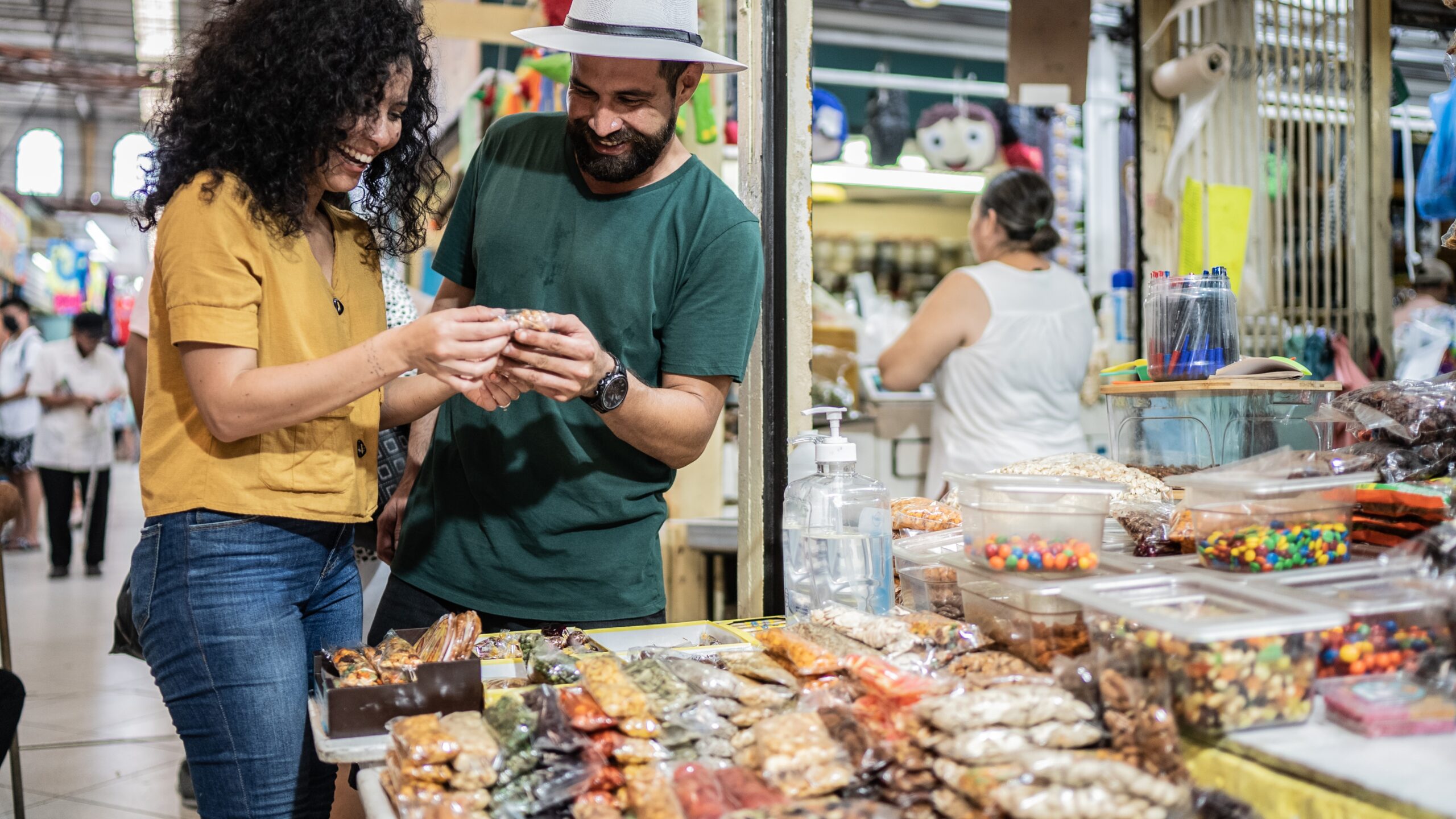
This journey through the aisles of mexican traditional markets is an invitation to celebrate the abundance of this land. It allows you to discover that luxury is found in the freshness of an ingredient and the smile of the person who grew it. We wait for you among the stalls and baskets to prove that, in the markets, our identity is devoured with passion and gratitude.