

Highlight
Diving in Yucatan’s Cenotes
A Journey Through the Crystal-Clear Waters of the Mayan Underworld
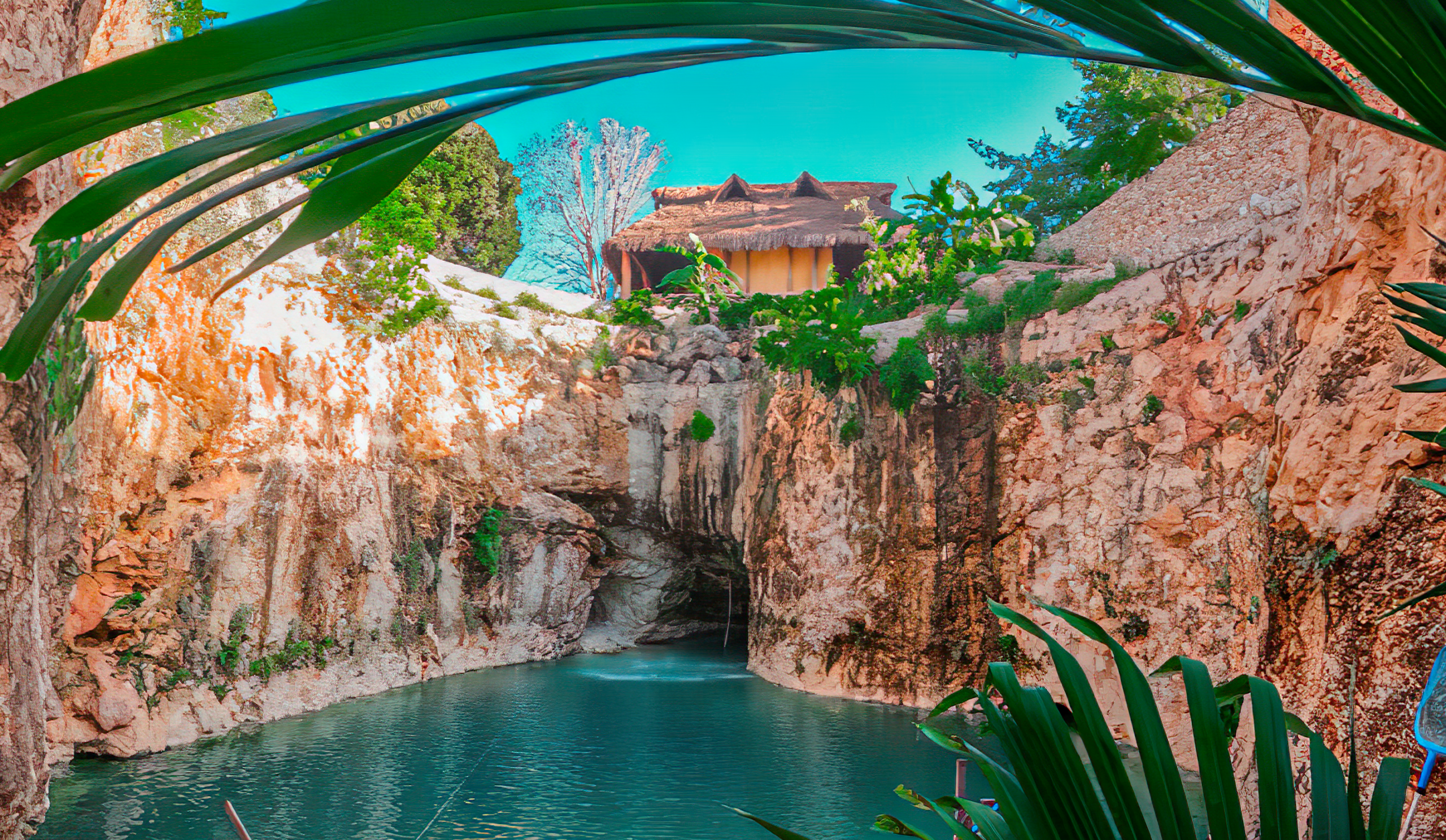
A ray of sunlight pierces the small opening in the stone vault, illuminating the water’s depth with an electric blue that seems to possess its own light. As you jump in and feel the fresh embrace of the freshwater, the jungle’s murmur fades to make way for a cathedral-like silence. In the cenotes of Yucatan, you aren’t just swimming; you are entering Xibalbá, the underworld of the ancient Maya. It is that moment, floating surrounded by poplar roots descending from the sky to drink from the earth, when you realize the peninsula’s true magic isn’t on its beaches, but in the heart of its limestone rock.
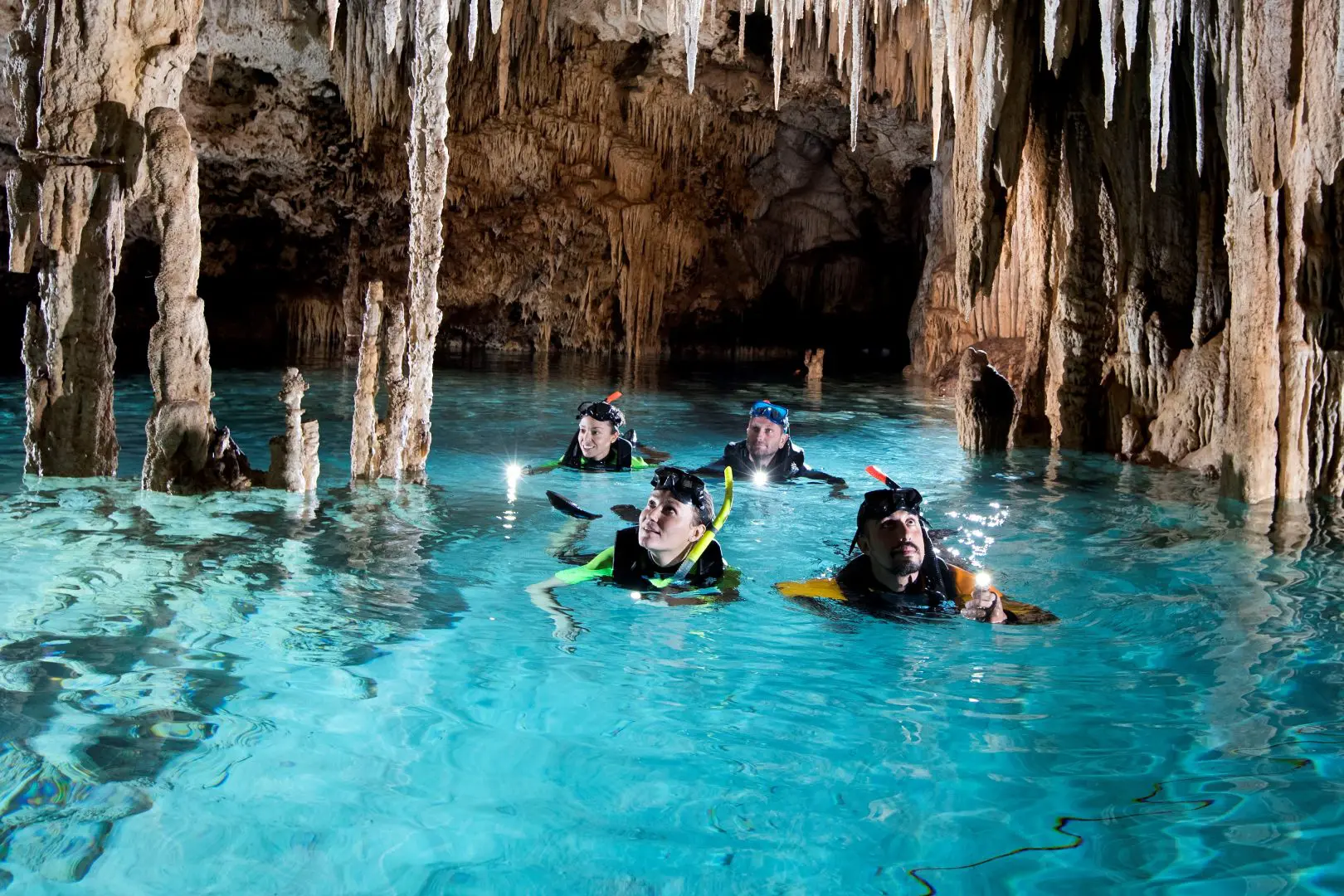
Experiencing a cenote means surrendering to an almost mystical peace. Your journey will take you to discover three forms of beauty: open cenotes, which look like oases surrounded by vegetation; semi-open ones, where light plays with shadows; and cave cenotes, where darkness is broken by the clearest water you’ve ever seen. You will feel weightless as you float among stalactite formations that took millennia to grow. This is not just a recreational activity; it’s a sensory purification ritual where time seems to stop beneath the roots of the ceiba tree.
The true magic happens when observing the dance of blind fish or peering through a mask to discover caves that vanish into the abyss. Whether you decide to visit the famous cenotes near Valladolid, like Zací, or venture to the ring of cenotes in Cuzamá aboard a mule-drawn “truck,” the experience is always one of wonder. It is a journey that balances the adrenaline of the jump with the meditation of silent swimming, leaving you with the feeling of having touched one of the most intimate and sacred fibers of Mexican geography.
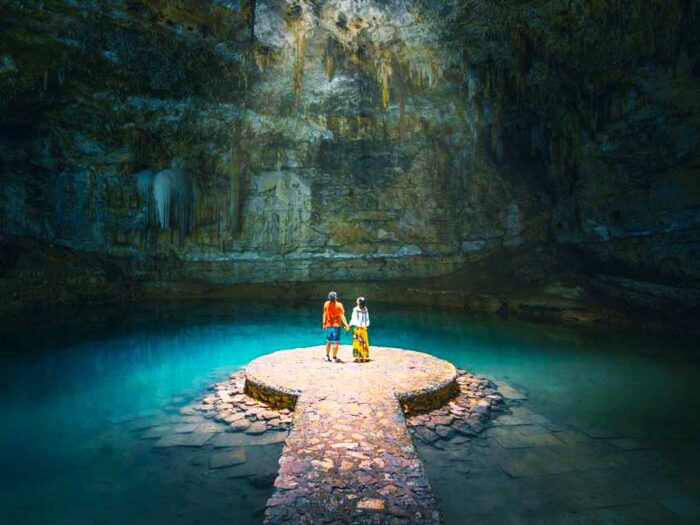


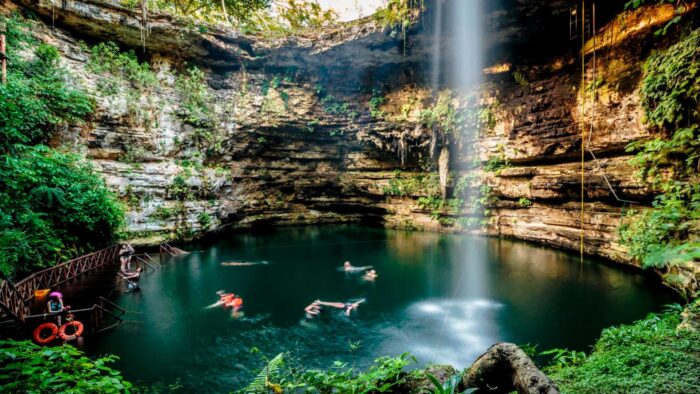
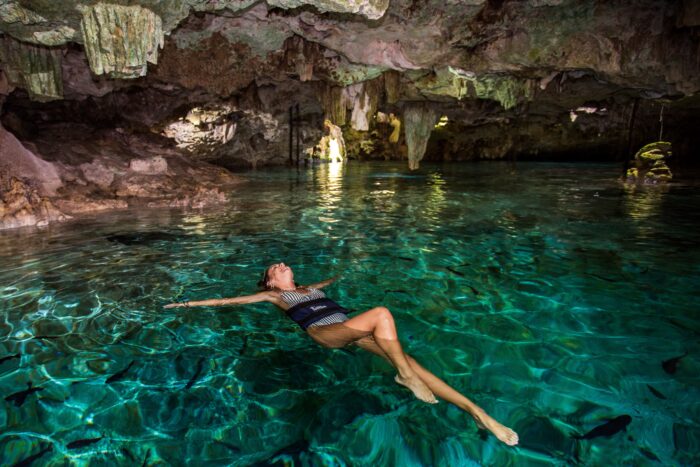
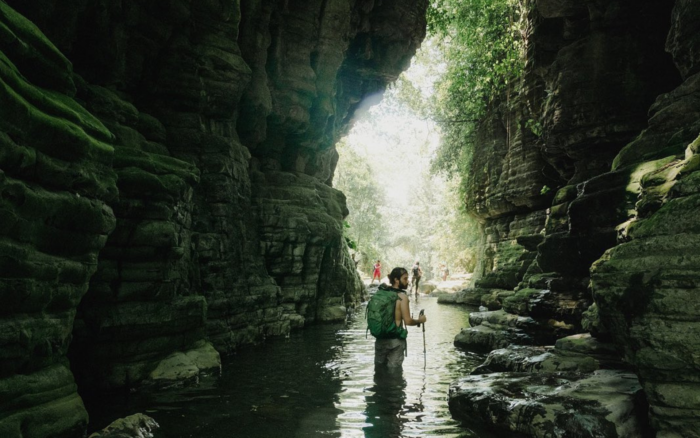
You should know that cenotes are unique geological formations created by the collapse of limestone ceilings exposing groundwater. For the Mayan culture, these places were sacred: vital water sources and communication portals with their deities. In many of them, archaeologists have found offerings of jade and gold confirming their ritual role. Furthermore, the Yucatan peninsula houses the “Chicxulub Crater,” whose impact 66 million years ago determined the formation of the famous “Ring of Cenotes,” a geological phenomenon unique in the world.
The importance of this heritage lies in its ecological and spiritual value. By swimming in the cenotes, you become part of an ecosystem that feeds the entire peninsula. Using biodegradable sunscreens—or better yet, avoiding any chemicals on your skin before entering—is essential to preserve the aquifer’s purity. It is a legacy of nature that invites you to value water as a sacred treasure, reminding you that every cenote is a window open to prehistory and a sanctuary of biodiversity that we must protect with reverence.
Trip X-Ray
Ideal Duration
Dedicate a full day to visit a "cenote circuit" (usually 3 to 4 sites close to each other).
Traveler Tips
Always bring water shoes and a light towel. Respect the rule of showering before entering to remove impurities from your body. If you are not an expert swimmer, use a life jacket; it will allow you to float effortlessly and enjoy the view without getting tired.
Special Recommendations
Visit the cenotes in the Homún or Santa Bárbara area; they offer an impressive variety of types in a less crowded setting than the traditional tourist circuits.
Insider's Perspective
If you seek the purest essence, look for community cenotes managed by local families in the inland villages. There, the food is usually prepared on the spot: a cochinita pibil or panuchos after your swim is the perfect complement. Another insider secret is to arrive at the cenotes right at opening (8:00 AM); having the water’s mirror all to yourself, with the sound of the Toh birds echoing in the cave, is one of the most sublime experiences Yucatan can offer.
This immersion into the depths of Yucatan is an invitation to discover hidden beauty. It allows you to understand that paradise also has a subterranean and serene face. We wait for you at the cave’s edge to prove that by swimming in a cenote, the soul is refreshed by the wisdom of an ancient world.