


DESTINATION
Valladolid
A Colonial City at the Heart of the Maya East
Destination Vibes
Why to Visit
Valladolid concentrates colonial heritage, active Maya culture, and direct access to some of the region’s most striking cenotes within a compact setting. In a single day, you can have breakfast overlooking a sixteenth-century plaza, swim in a limestone pool formed millions of years ago, and end the evening with dishes that preserve pre-Hispanic techniques. Distances are short, and the cultural identity is lived rather than staged. That balance makes Valladolid one of the most complete destinations in southeastern Mexico.
Don't Miss
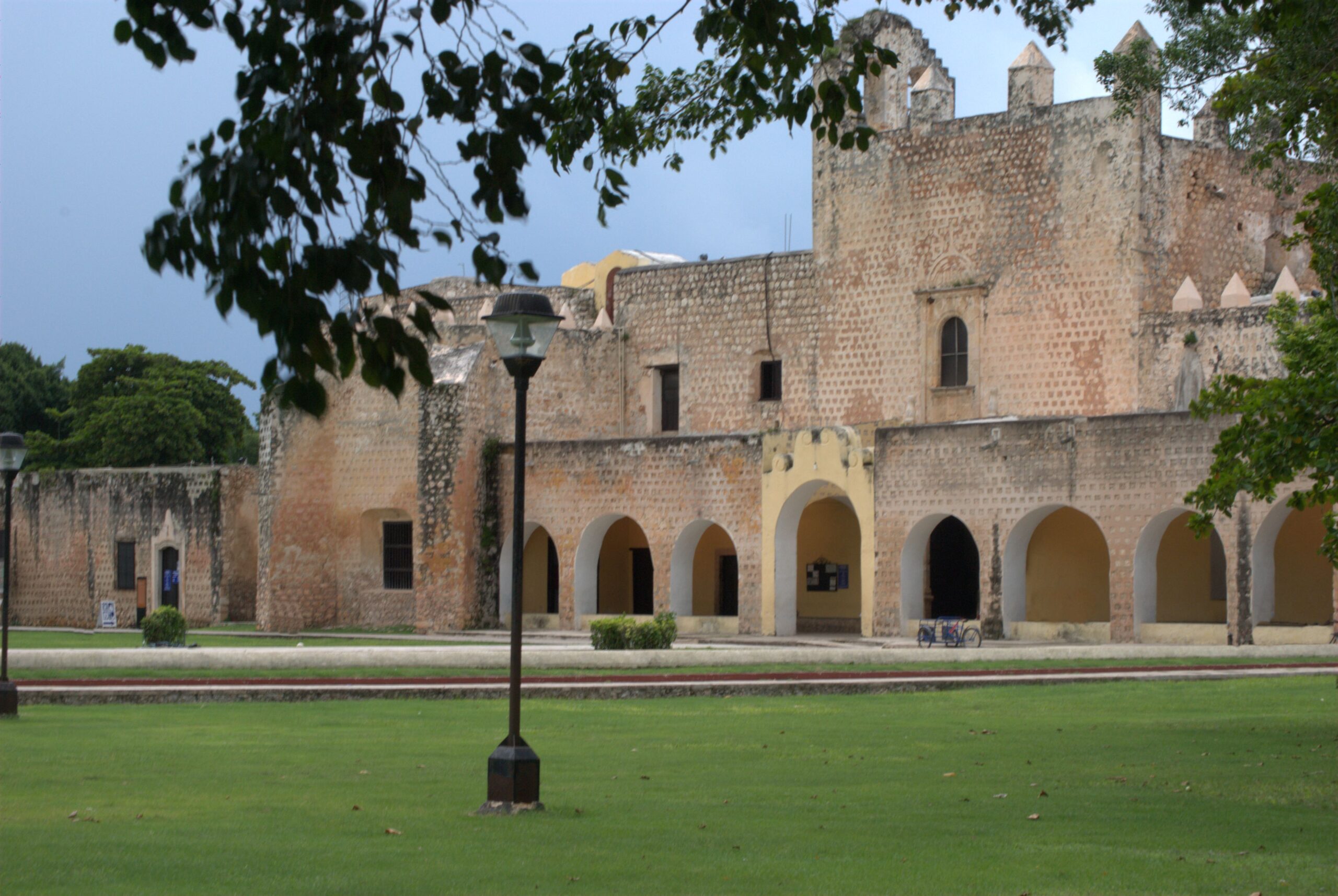
Photo: escapadas.mx
Former Convent of San Bernardino de Siena
This former convent is one of the oldest and most important complexes of colonial buildings in the state. It was founded around 1552–making it the second one built in Latin America–and ground was promptly broken for the church and cloister. On its exterior, its walls are crowned by a series of battlements, and a long arcade brings to mind medieval forts. Inside, there is a remarkable baroque altarpiece. The convent’s gardens feature a well built over the Cenote Sis-há, where pre-Columbian and colonial artefacts have been found and now are displayed in the convent.
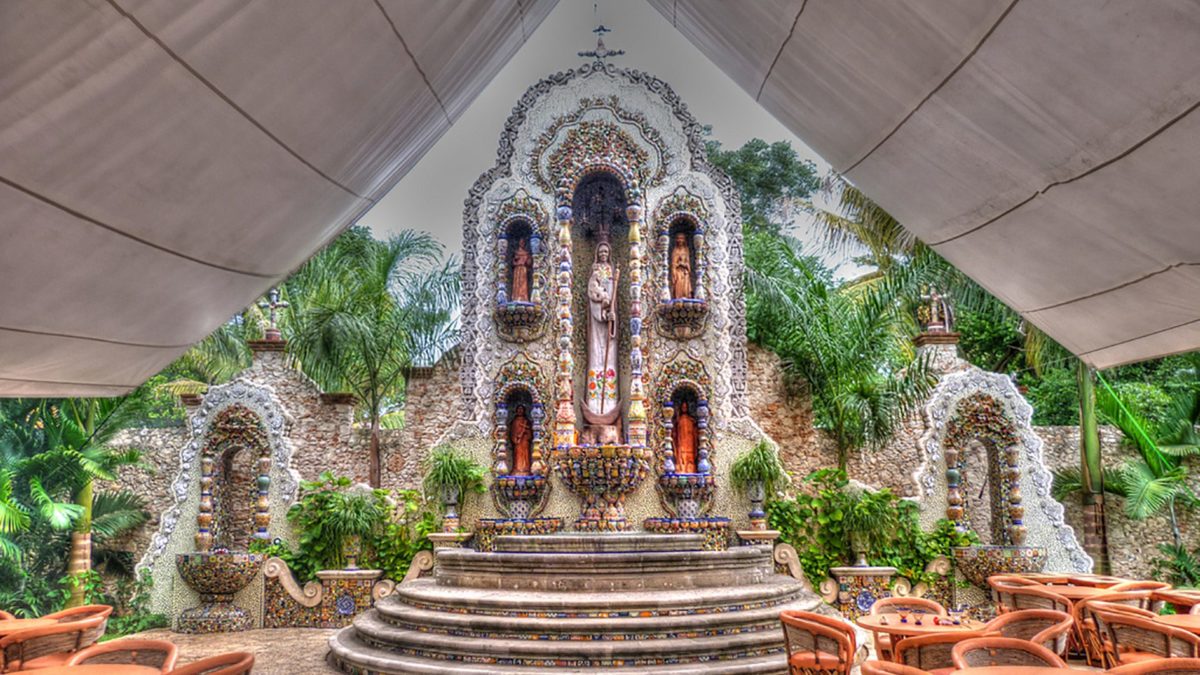
Photo: México Desconocido
La Casona de Valladolid
Discover this historic mansion that was once a gathering space for the wealthy families of this Magical Town. It hosted the public parties thrown by Governor José María Iturralde between 1924 and 1926. Today, it is a restaurant serving Yucatecan delicacies, but in recent years, it has also become a much sought-after spot by Instagrammers who want to get their picture taken in front of the altar and fountain made of talavera earthenware dedicated to the Virgen de la Candelaria.

Photo: México Desconocido
Shop for Handicrafts
Hammocks, embroidered hipil blouses with wide lace edging, guayabera shirts, jipijapa hats–aka Panama hats, leather goods, and carved wood objects are just a few of the masterfully made handicrafts of the Peninsula. Find them in Mercado de Artesanías and Centro Artesanal Zací. You can also pick up fine handbags, handcrafted in jute by Mayan artisans, in Dutzi Design.
Learn about Honey in Xkopek Parque Apícola
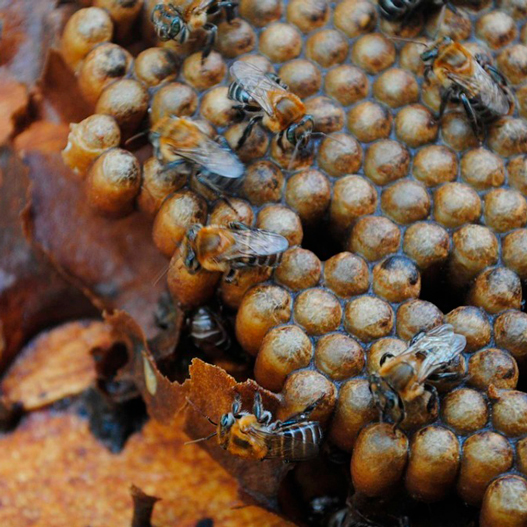
Visit Xkopek Park, a project started by a family of Mayan beekeepers to promote the historic Mayan practice of beekeeping and protect the various bee species in Yucatán. Book a tour about Mayan bees to get a glimpse at the world of this fascinating species. During your tour, you can see native honeybees, visit a hive, learn to identify the plants that help the bees produce honey, and taste honey.
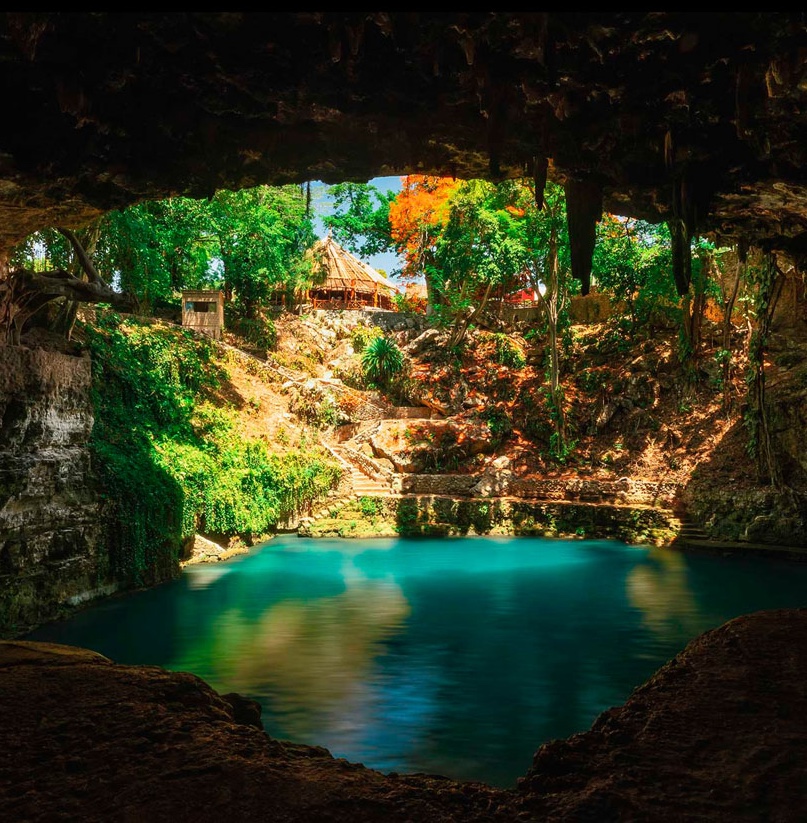
Relax in Cenote Pools
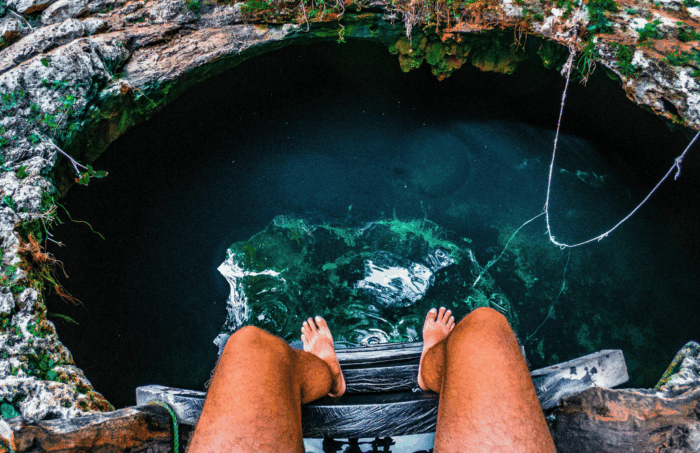
Here are two of the bodies of fresh water close to Valladolid that you can visit: Cenote Maya (17 miles), measuring 262 feet in diameter and 72 feet high. The adventurous will enjoy descending the wooden staircase, through a tunnel, or by rappelling. Others will have fun on a zip line and the tightropes. The intense turquoise blue of the water is stunning. Cenote Zací (meaning white sparrow hawk) has surprising characteristics. The entrance is through a cave, and the cenote is open at the top. It is oval shaped and 91 feet in diameter, and there are 85 feet between the vaulted ceiling and the water. Stone stairs run around the edges, and tree roots and stalactites hang down into the hole. You will also find a restaurant specializing in regional Yucatecan cuisine, handicrafts for sale, and a small aviary.