


DESTINATION
La Paz
Gateway to the “Aquarium of the World”
Destination Vibes
Why to Visit
In La Paz, the sea appears wide, calm, and transparent, stretching across the bay as if time moved more slowly along this coast. At sunrise, light reaches the dry mountains surrounding the city while small boats depart toward uninhabited islands where the water shifts from turquoise to deep blue. Sea lions sometimes appear near rocky shores; at other moments, schools of fish move just beneath the surface. By late afternoon, the malecón fills with people walking along the waterfront while the sky turns gold over the Gulf of California.
HIGHLIGHTS
The Signature Experience

La Paz
Swimming with Sea Lions in the Sea of Cortez
Discover the magic of swimming alongside the “sea dogs” in their natural habitat. In the turquoise waters of Baja California Sur, experience a journey of freedom and environmental respect that allows you to connect with marine life in a unique and profound way.
La Paz
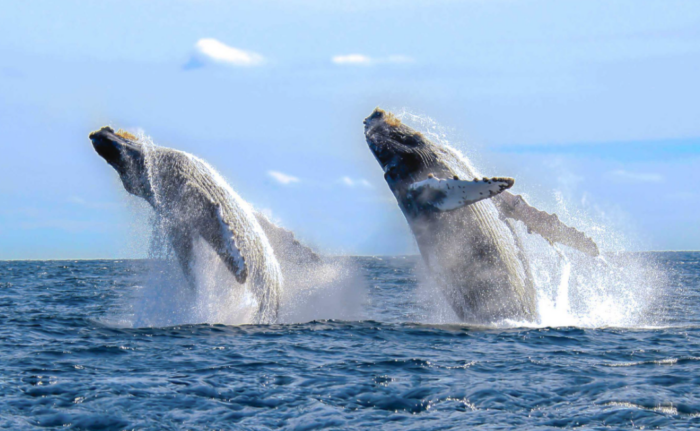
The Song of Giants: Whale Watching in Mexico
From the frigid waters of the North Pacific to the deep blue of the Sea of Cortez, Mexico is the sanctuary where marine life celebrates its most intimate cycle. A guide to witnessing the passing of the colossi of the ocean.
Don't Miss
Espiritu Santo Island
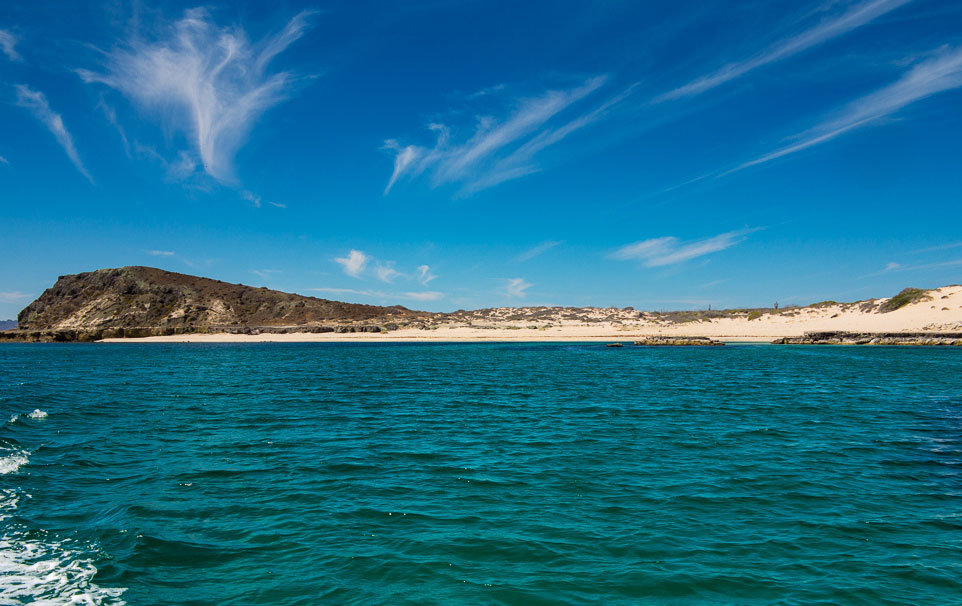
Off the coast of La Paz lies the Espiritu Santo Archipelago National Park, a protected group of volcanic islands surrounded by clear waters. Light-colored beaches, reddish cliffs, and colonies of sea lions define one of the most recognizable landscapes in the Sea of Cortez. Visitors explore the islands by kayak, snorkel, or diving excursions that reveal reefs, coastal wildlife, and a marine environment known for its biodiversity.

Photo: Mundo BRG
Playa Balandra
Often considered one of the most beautiful beaches in Mexico, Balandra is known for its shallow water and pale sand that intensifies the turquoise color of the bay. It is a popular place for swimming, kayaking, and paddleboarding.

Photo: Noro
Whale Museum
The Museo de la Ballena is dedicated to the research and conservation of cetaceans found in the Sea of Cortez. The museum displays complete skeletons and presents scientific information about marine biodiversity in the region.

Photo: SIC México
La Paz Historic Downtown
Quiet streets, historic buildings, and palm-lined plazas reflect the development of a coastal city that has always looked toward the sea.

Photo: Enlázate La Paz BCS
Sunset over the Sea of Cortez
As the sun lowers behind the mountains of the peninsula, the sky fills with warm shades of gold and pink that illuminate the bay. Watching the light change over the water is one of the most memorable moments of a visit to La Paz.