
State
Michoacan
Mexico’s Most Vivid Palette
STATE VIBES
Why to Visit
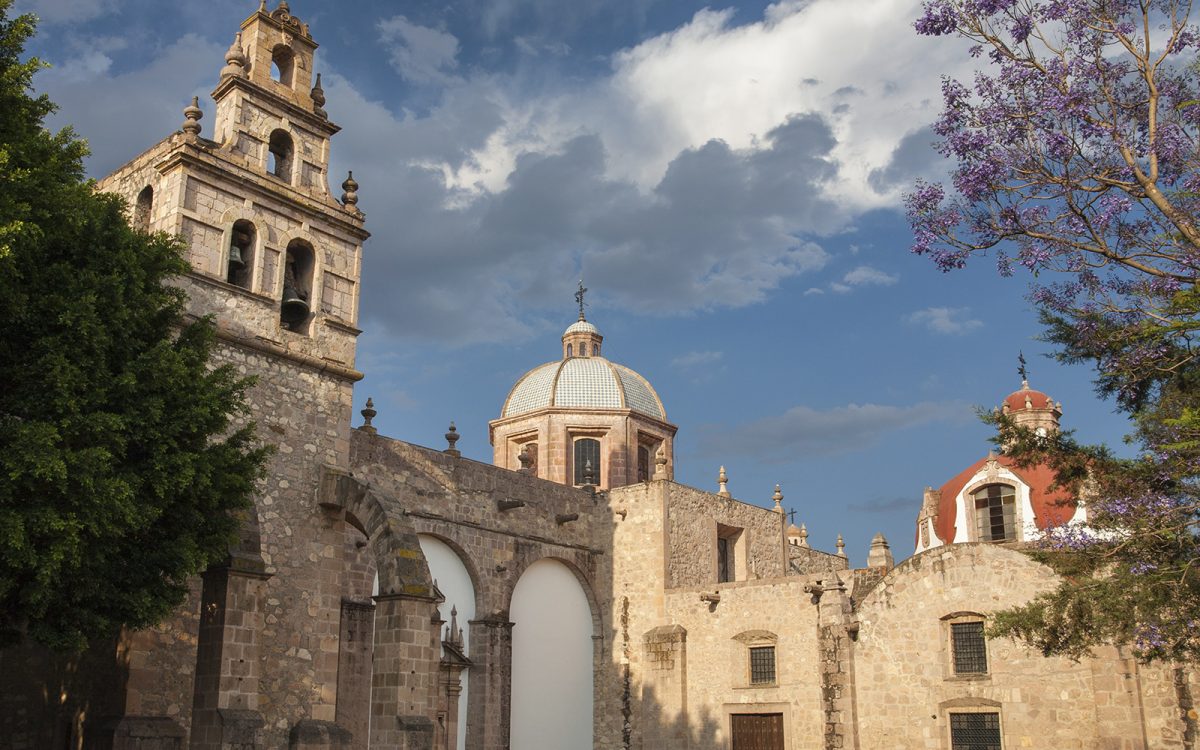
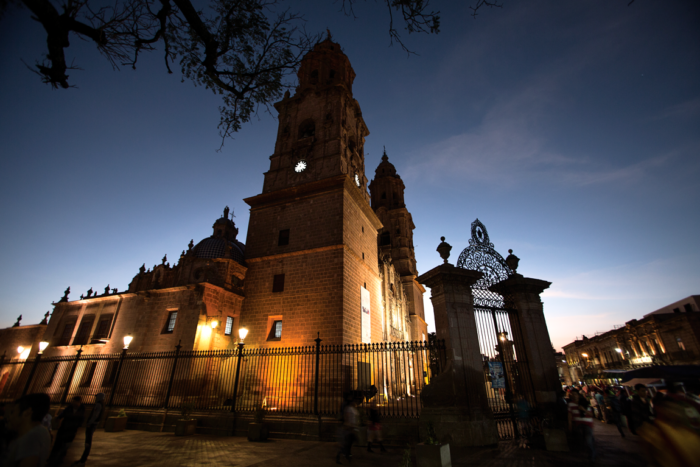
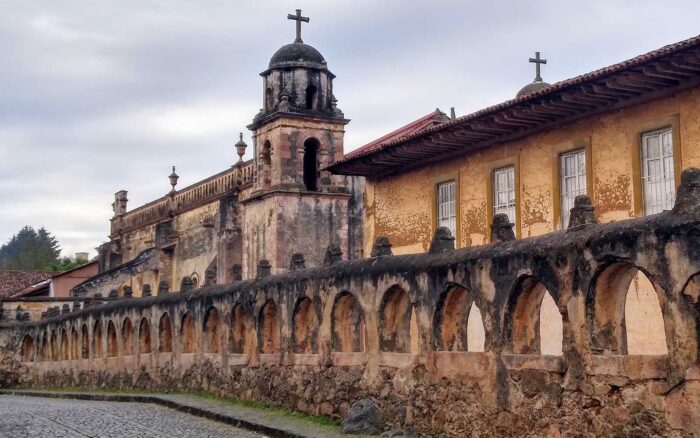
Michoacán is the ultimate destination for authentic cultural tourism in Mexico. It offers a unique blend of UNESCO World Heritage sites, including the historic center of Morelia and the Monarch Butterfly Biosphere Reserve. Foodies flock here to taste the roots of traditional Mexican gastronomy, while photographers seek the visual magic of Lake Pátzcuaro and the Day of the Dead traditions. Whether you are exploring Pueblos Mágicos or seeking an eco-tourism adventure, Michoacán provides a deep, transformative travel experience.
Click any destination to explore
HIGHLIGHTS
The Signature Experience
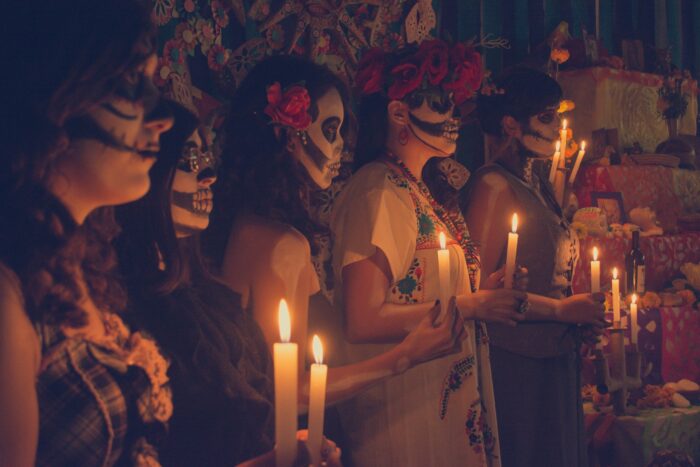
Patzcuaro
Day of the Dead
Discover Mexico’s most iconic festival. From the mysticism of the altars to the candlelight vigils in the graveyards, experience a unique celebration where death is not an end, but an annual reunion with those we love.
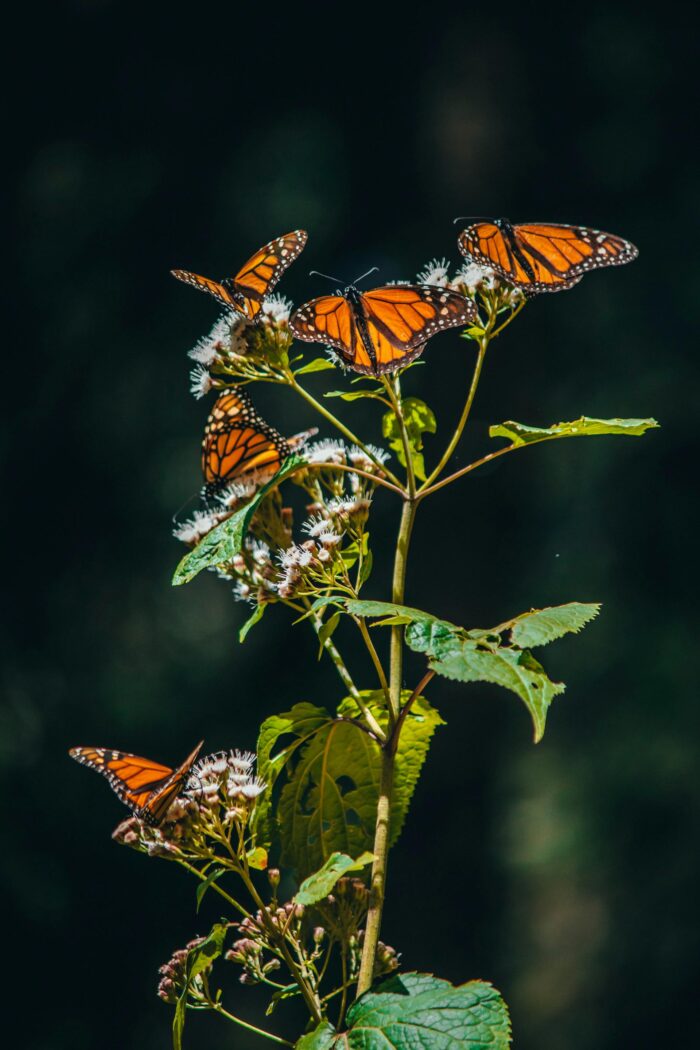
Michoacan
Monarch Butterfly Migration
Experience nature’s miracle in the sanctuaries of Michoacán. Walk among millions of butterflies that tint the sky after traveling thousands of miles, in an experience that redefines the connection between mankind and life.
BEST TIME TO VISIT
Momentours
Morelia International Film Festival (FICM)
OctoberCosmopolitan glamour meets colonial charm. The world’s cinema elite gathers in the historic center for Mexico’s most prestigious film event.
The Procession of Silence
Easter WeekA hauntingly beautiful display of faith in Morelia. The city plunges into darkness, lit only by candles, as thousands march to the beat of drums—a solemn tradition rivaling those of Spain.
Monarch Butterfly Season
November - MarchJust as the spirits depart, the Monarch Butterflies arrive. Millions of them cover the Oyamel fir forests of Michoacán, creating a “living harvest” of orange and black wings. It is a natural silence that speaks volumes.
Day of the Dead in Michoacán
Late October to NovemberThe Veil Thins. This is the most spiritual time to travel. Witness the Day of the Dead in Michoacán (Pátzcuaro), where lakes glisten with candlelight and the air is thick with copal and marigolds.
PLAN YOUR TRIP
Travel Toolkit
Diverse. Temperate in Morelia and Pátzcuaro, but cold in the butterfly sanctuaries (mountain forests) during winter. Pack layers
Fly into MLM (General Francisco Mujica International Airport) near Morelia. It offers direct flights from major US cities like Chicago, LA, and Dallas, as well as Mexico City.
Renting a car or hiring a private driver is recommended to navigate between the capital, the lake towns, and the mountain reserves efficiently.
Here are the main bus lines departing from or connecting to Mexico City (CDMX) based on the regions mentioned:
Estrella de Oro & Costa Line Destination: Guerrero (Acapulco, Taxco, Ixtapa-Zihuatanejo).
Departure: Connects specifically from the Taxqueña terminal in Mexico City.
ADO Destination: Veracruz, Xalapa, and the Southeast.
Service: Offers extensive network connections, including luxury options like ADO GL or ADO Platino.
Primera Plus & Futura Destination: West Central North (Jalisco, Guanajuato, Michoacán, etc.).
ETN & Omnibus de Mexico Destination: Northeast (Monterrey, Saltillo) and North Central (Zacatecas, Durango, Chihuahua).
Culinary Soul
Michoacán offers intense flavors, blending corn, chiles, and traditional sweets enjoyed in both festive celebrations and daily life.
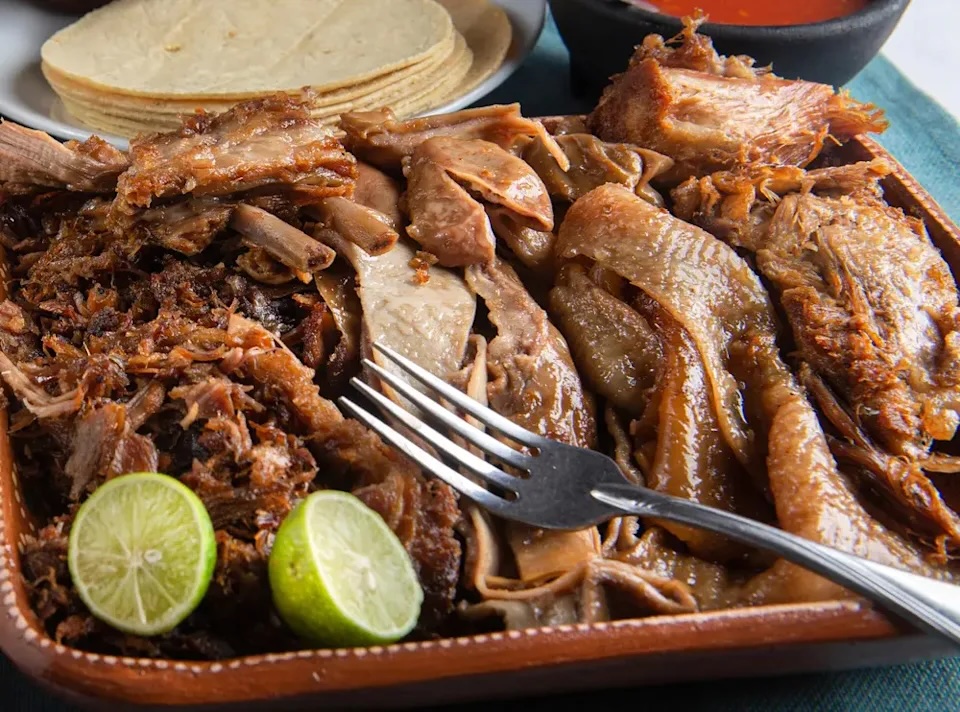
Photo: Shutterstock
Pork Carnitas
The world capital of pork confit. Golden, tender pork cooked slowly in copper cauldrons, served in fresh tortillas with pickled jalapeños.
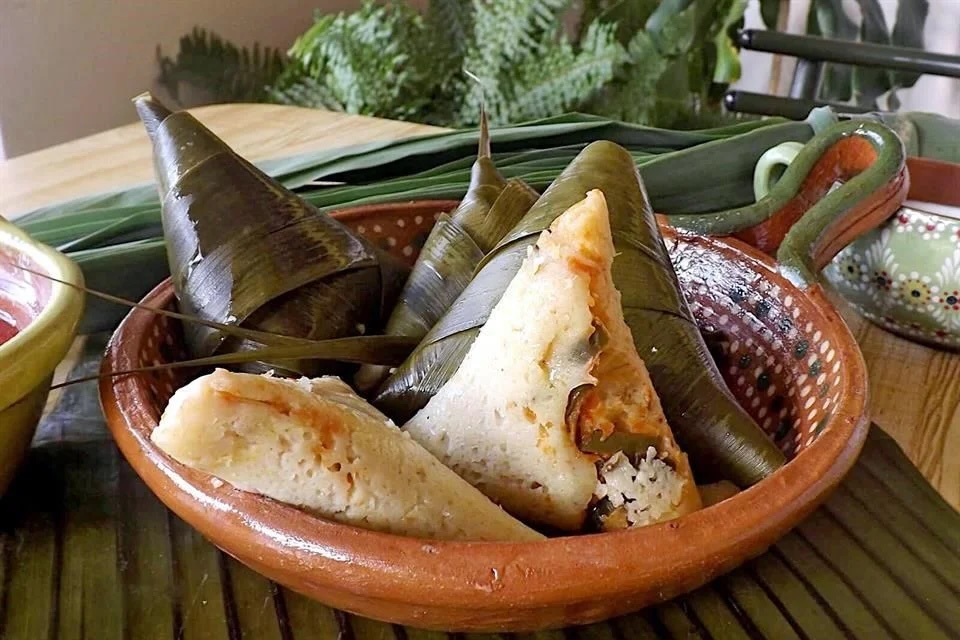
Uchepos and Corundas
The heritage of the cornfield (milpa) on the table. Uchepos are tender tamales made from fresh sweet corn, while Corundas are triangular, wrapped in ash-tree leaves, and steeped in pre-Hispanic tradition.
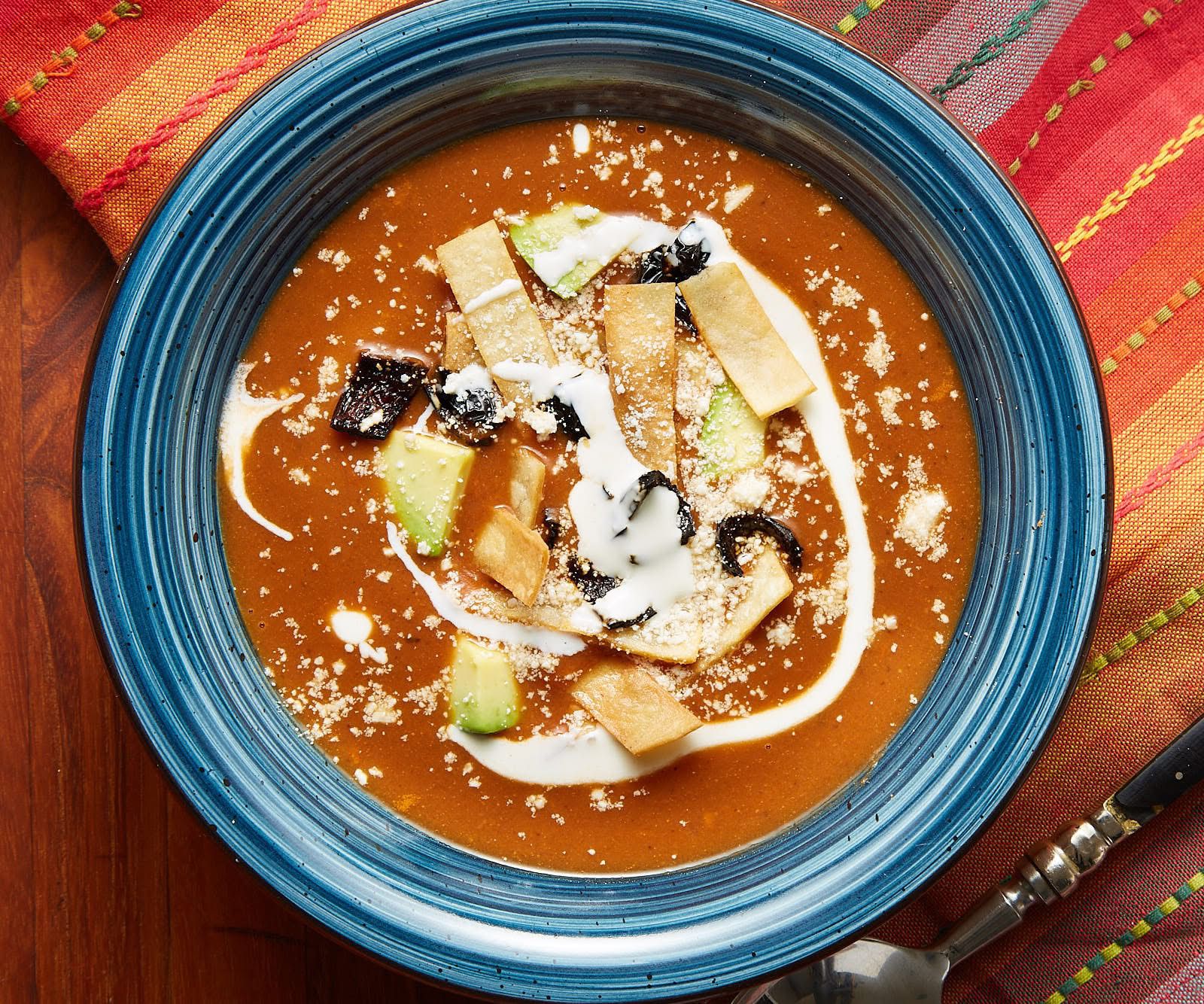
Photo: SECTUR Michoacán
Tarasca Soup
A creamy bean-based soup served with tortilla strips, cream, cheese, and dried chilies—a warm embrace in a bowl.
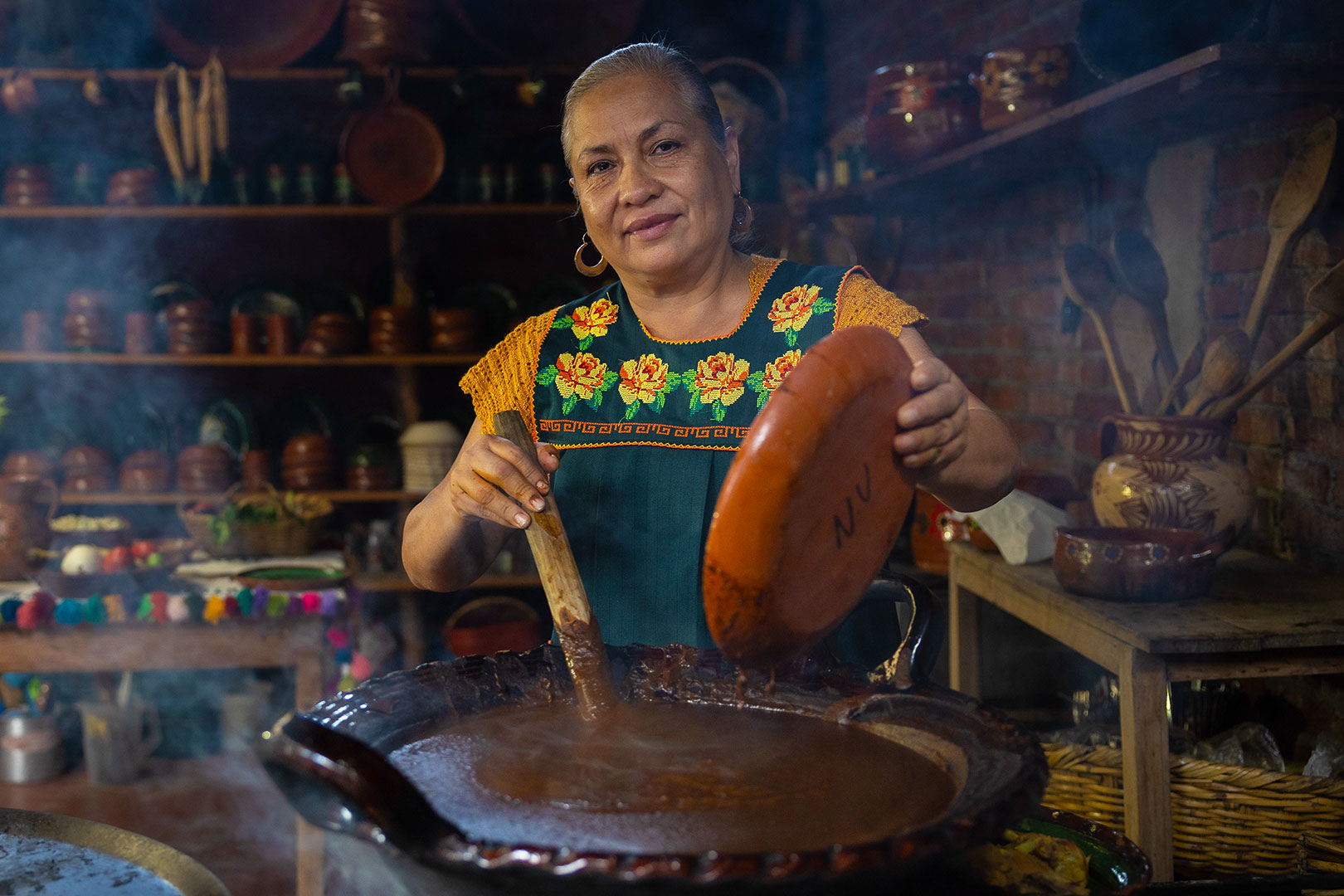
Photo: Visit Michoacán
Clay-Pot Cooking
Food here is best tasted when cooked over wood fires in traditional earthenware, imparting a smoky, grounded flavor.
The Iconic Taco
The Local Bite
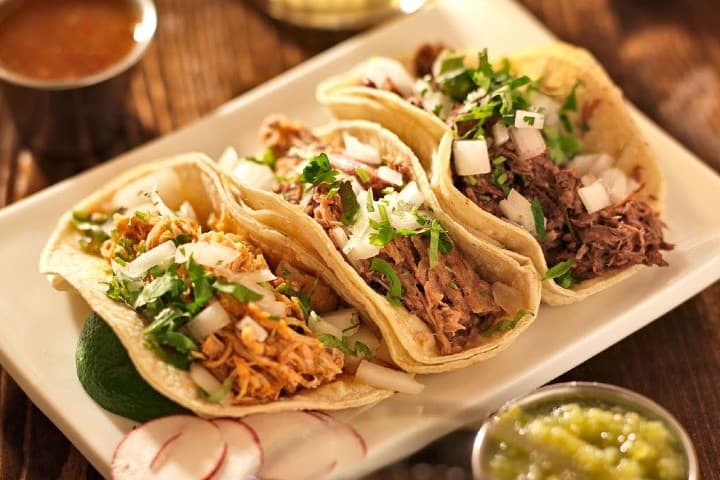
Carnitas Taco
"
The soul of Michoacán: pork slow-cooked in its own lard in copper cauldrons. The classic taco mixes tender meat and crispy skin on a fresh corn tortilla, topped with salsa verde, cilantro, and onion. A golden, tender, and legendary bite.