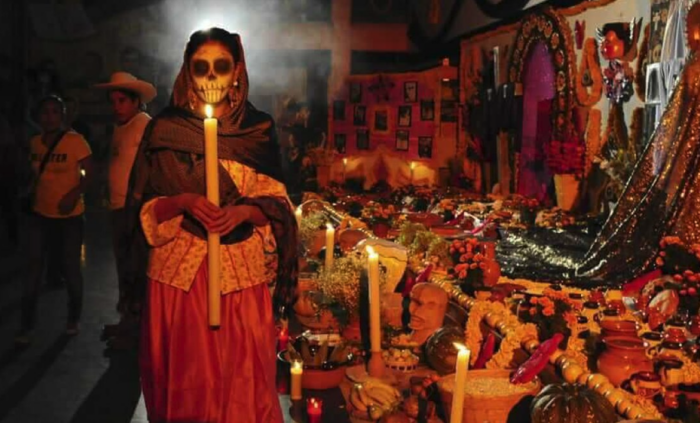
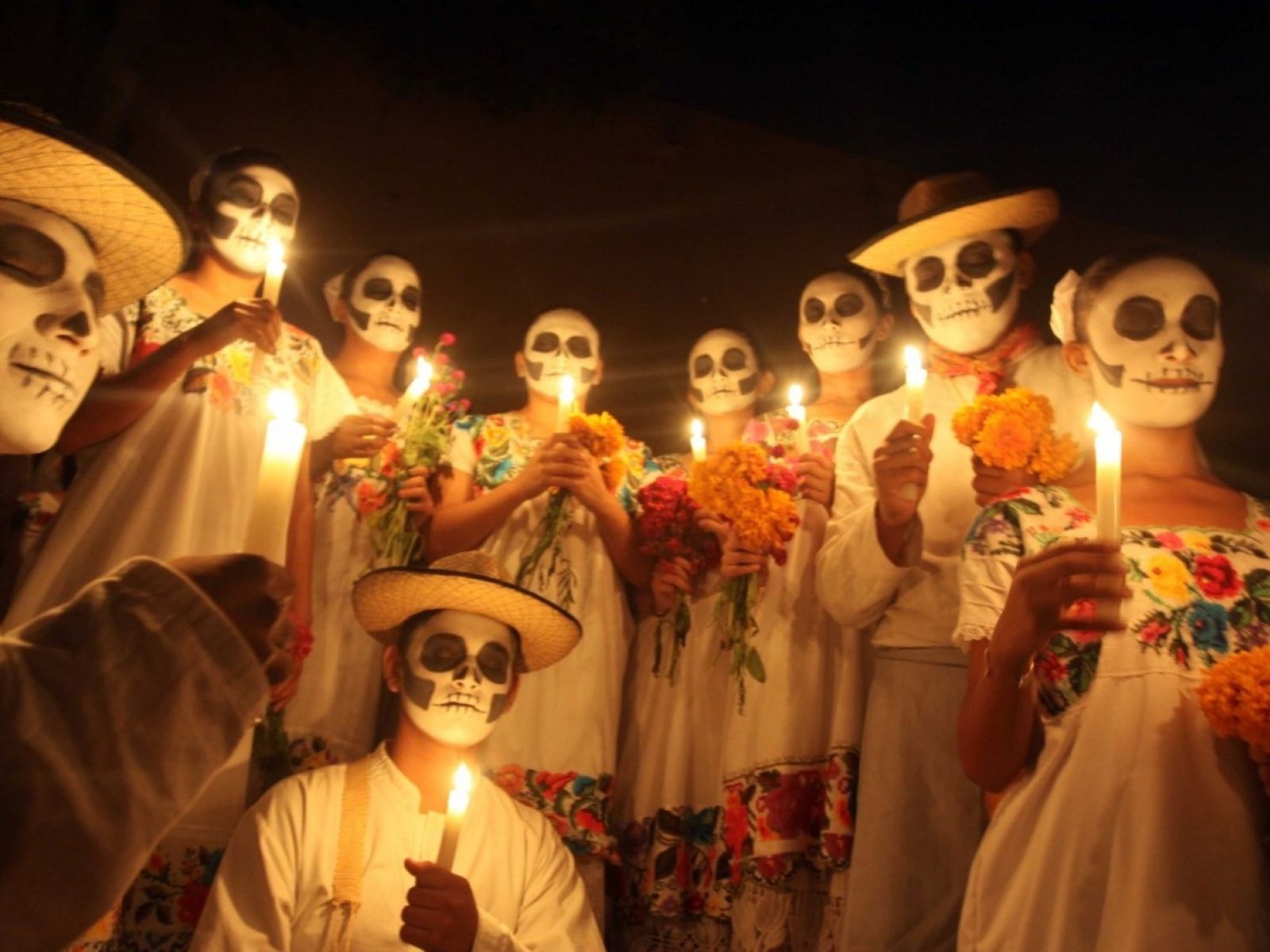
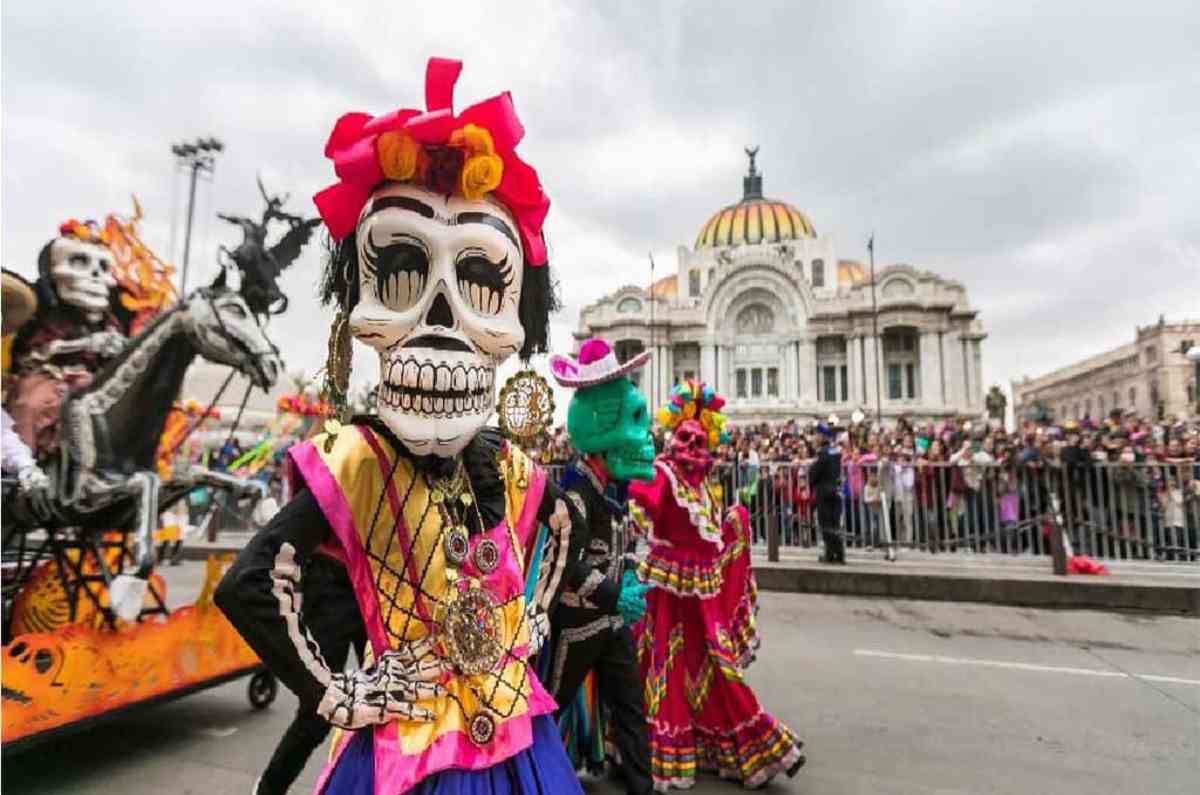
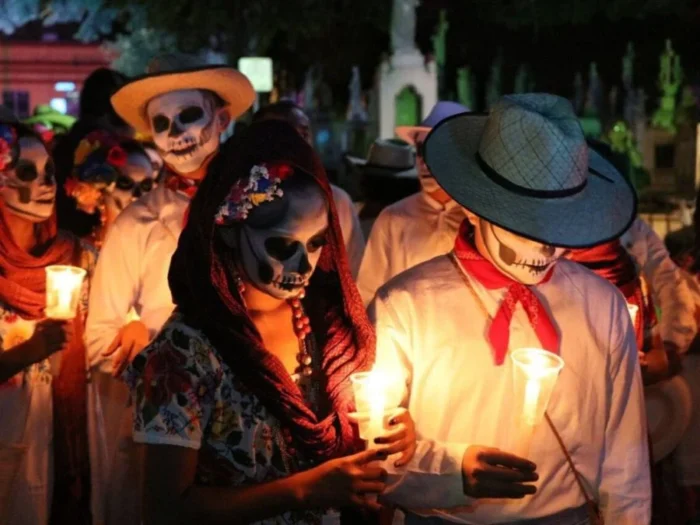
The November air in Mexico feels different; it smells of copal incense and the sweet freshness of cempasúchil (marigold) flowers. As you walk through streets adorned with papel picado, you feel the boundary between the world of the living and the world of the dead become permeable. This is not a date for mourning, but a banquet of welcome. Watching a family place a grandfather’s favorite dish on an altar lit by candles, you understand that in Mexico, no one truly dies as long as there is someone to remember them. It is an invitation for you to celebrate the continuity of existence as well.
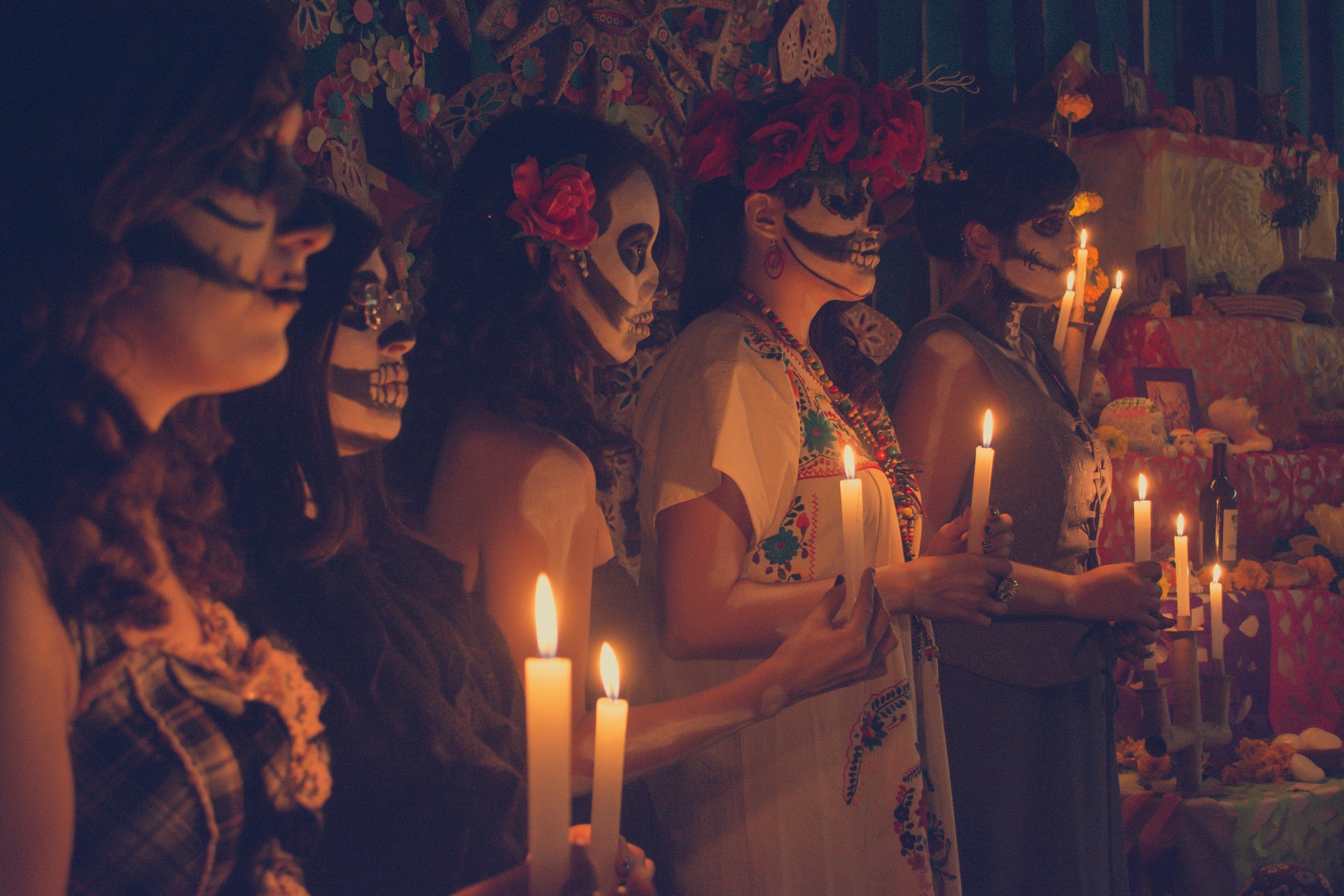
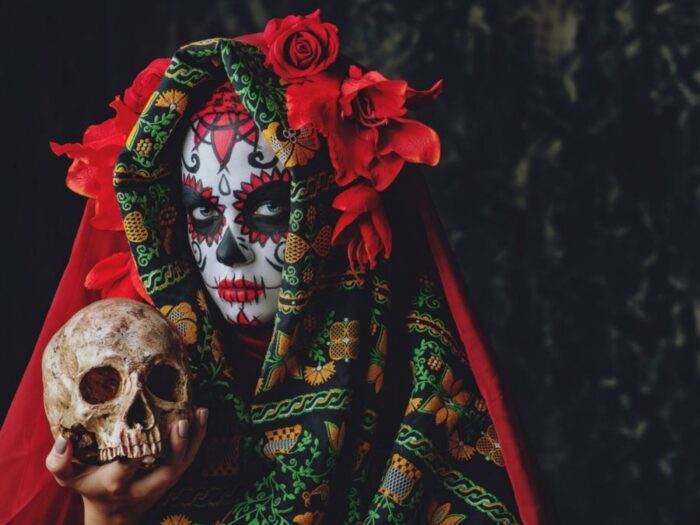
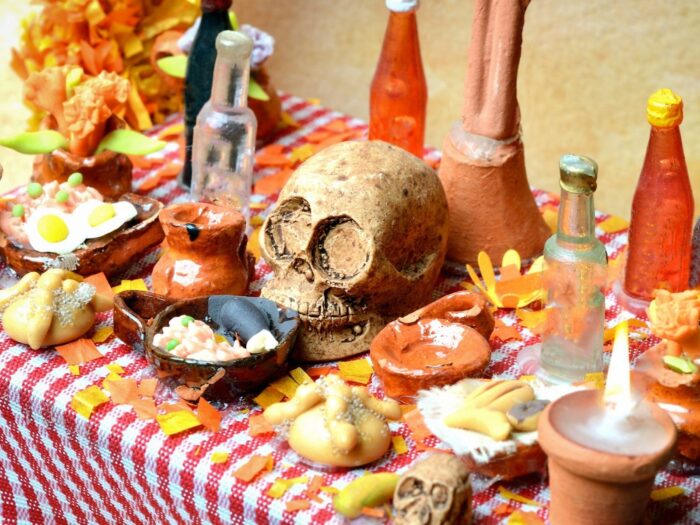
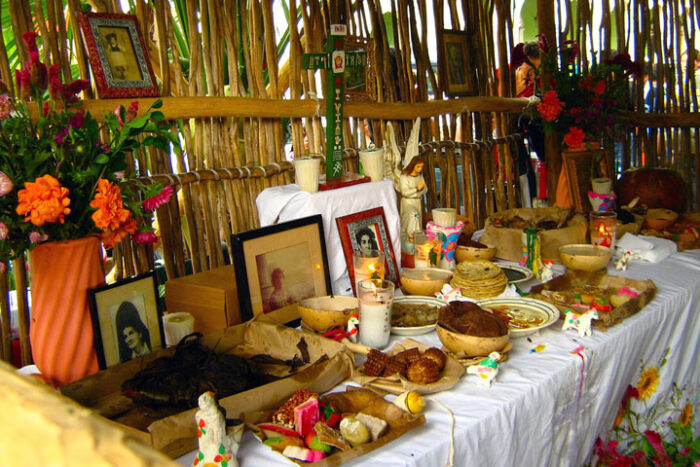
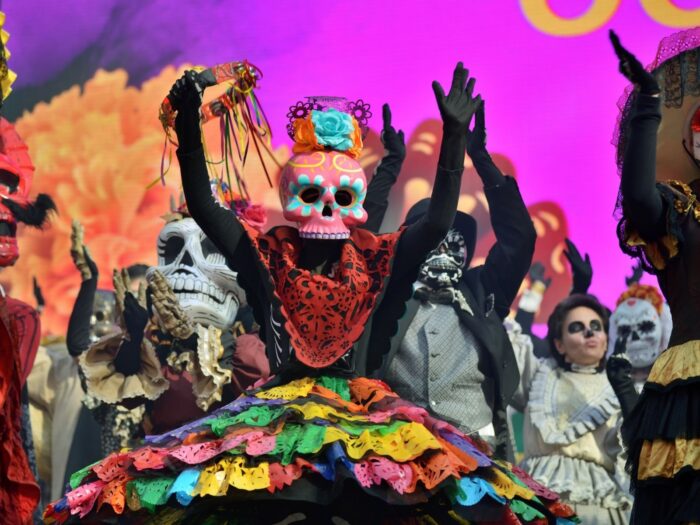
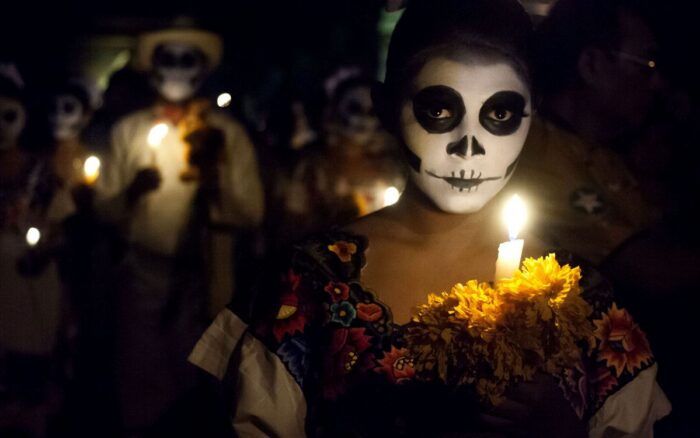
Living the Day of the Dead is immersing yourself in a sensory explosion of color and symbolism. Your experience begins with the creation of the ofrenda (altar): every element has a purpose, from the water to quench the traveler’s thirst to the pan de muerto (bread of the dead) symbolizing fraternity. You will feel the warmth of melted wax and the vibration of the music that accompanies the vigils in the cemeteries. It is not an event to observe from afar; it is an experience that invites you to participate, to paint your face like a Catrina, and to share stories about those who are no longer here.
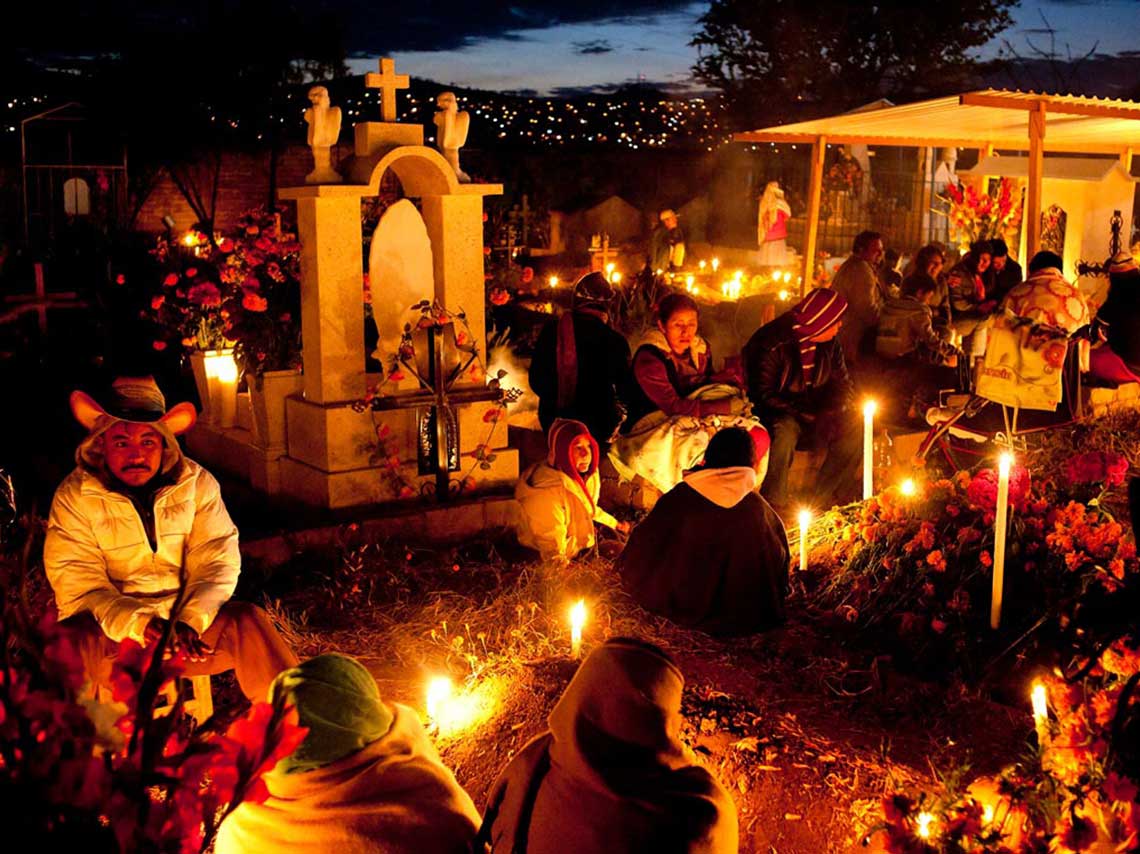
As the night progresses, the atmosphere shifts from bustling joy in the squares to intimate solemnity in homes and graveyards. You will see cemeteries fill with flowers and food, turning into luminous gardens where families spend the night talking with their departed. It is a journey that takes you from the laughter of “literary calaveritas” (satirical verses) to the peace of a prayer amidst copal smoke, leaving you with the certainty that love is the only bridge capable of overcoming death.