

State
Queretaro
Plazas, Vineyards, and Mountains
STATE VIBES
Why to Visit
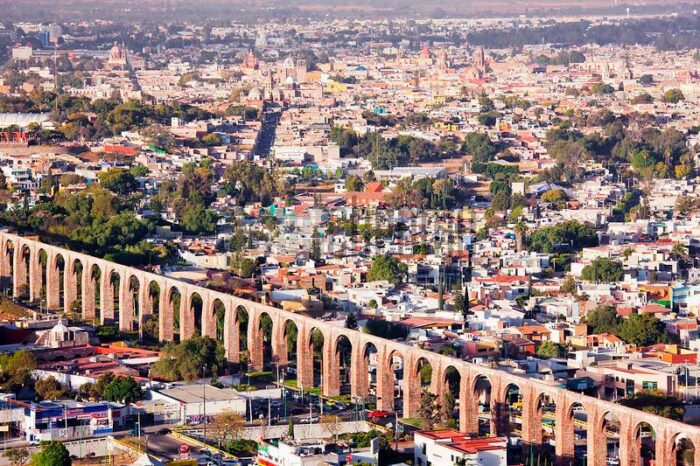
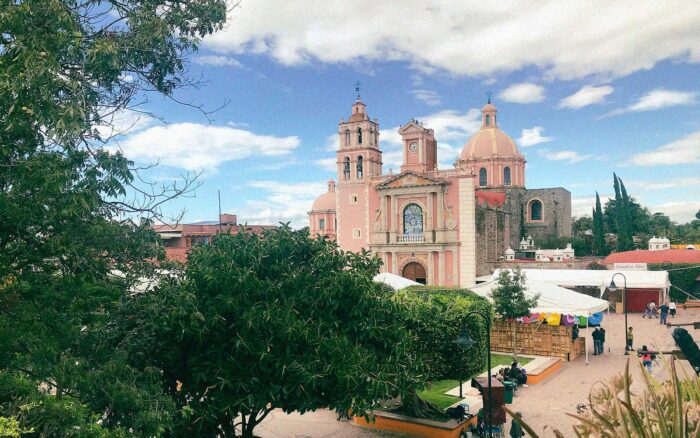
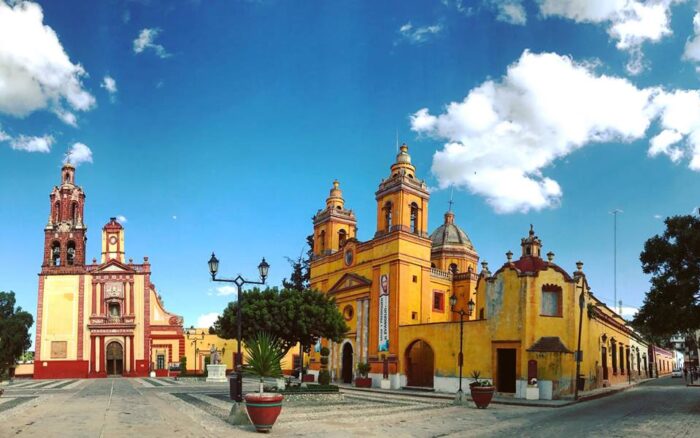
Because Querétaro does not aim to impress at first glance; it invites discovery. It is a state that helps explain Mexico, allowing you to move within short distances from the historic theater where the nation’s laws were written to the surreal silence of the Sierra Gorda. It balances a colonial heart with a modern pulse, offering a journey that is diverse, safe, and deeply layered—a destination that tends to stay with you longer than expected.
Click any destination to explore
Explore
Key Destinations

HIGHLIGHTS
The Signature Experience
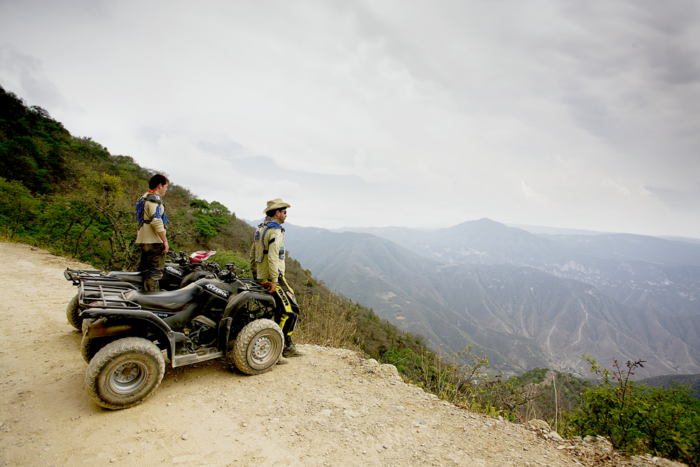
BEST TIME TO VISIT
Momentours
Harvest season
July to SeptemberWine festivals with tastings, music, and regional cuisine.
Independence Day
September 15 -16
PLAN YOUR TRIP
Travel Toolkit
Querétaro enjoys a mild semi-desert climate for most of the year. The best season to visit is from October to April. Summers bring brief rains and greener landscapes , while winters offer cool nights and sunny days.
Airports: Queretaro Intercontinental Airport (QRO). Modern and functional, it receives direct flights from major US hubs (Houston, Dallas, Chicago) and national destinations.
Bus Lines: Ground connectivity is excellent. The Queretaro Bus Terminal (TAQ) is one of the most important in the country. Primera Plus and ETN offer luxury and executive services with frequent connections (every 30–60 minutes) from Mexico City (Central del Norte and CDMX Airport), as well as from the entire Bajío region.
Uber and Didi work perfectly within the metropolitan area. For the Cheese and Wine Route or the Sierra Gorda, renting a car or hiring private transportation is highly recommended to enjoy the tastings without any worries.
Culinary Soul
Local cuisine blends rural traditions with ranching influence, offering simple yet flavor-packed dishes.
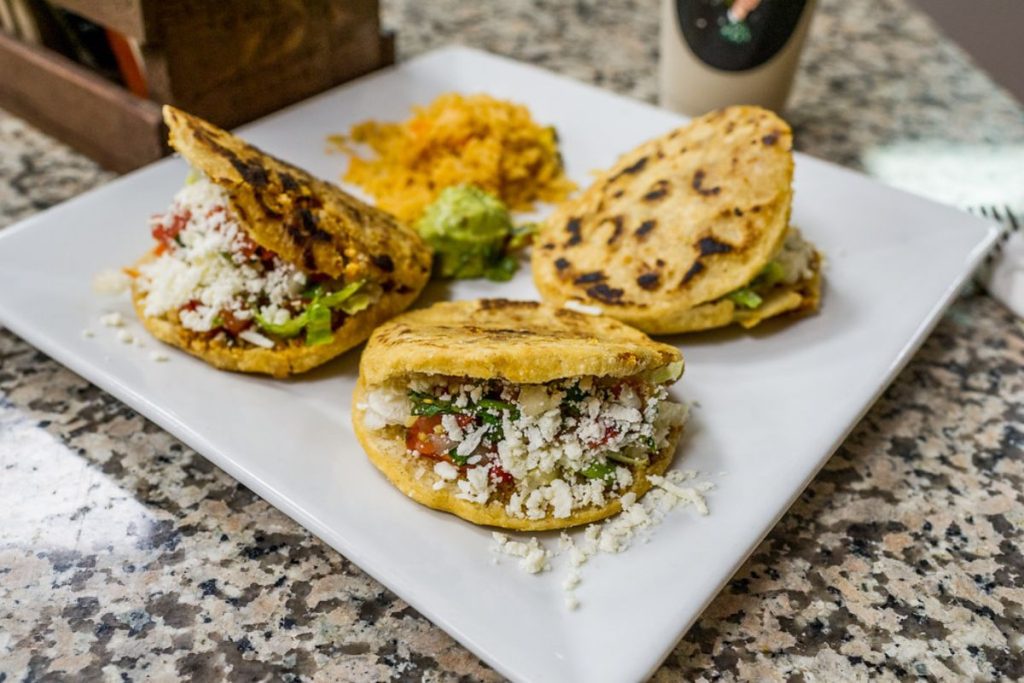
Photo: Flickr
Gorditas de Miga
Made with cracked corn and filled with traditional stews.
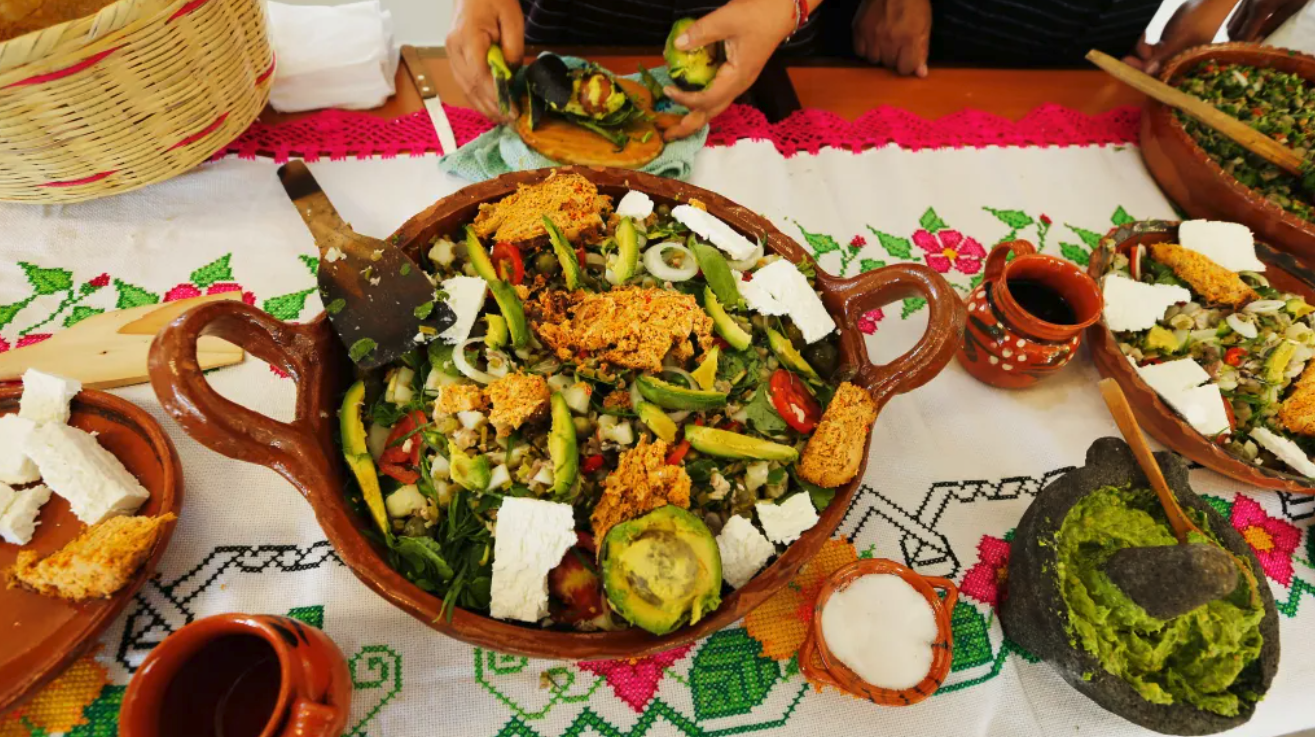
Photo: Criterio Noticias
Otomi indigenous cuisine
Vegetables and cactus-based dishes, closely tied to land and seasonal cycles.
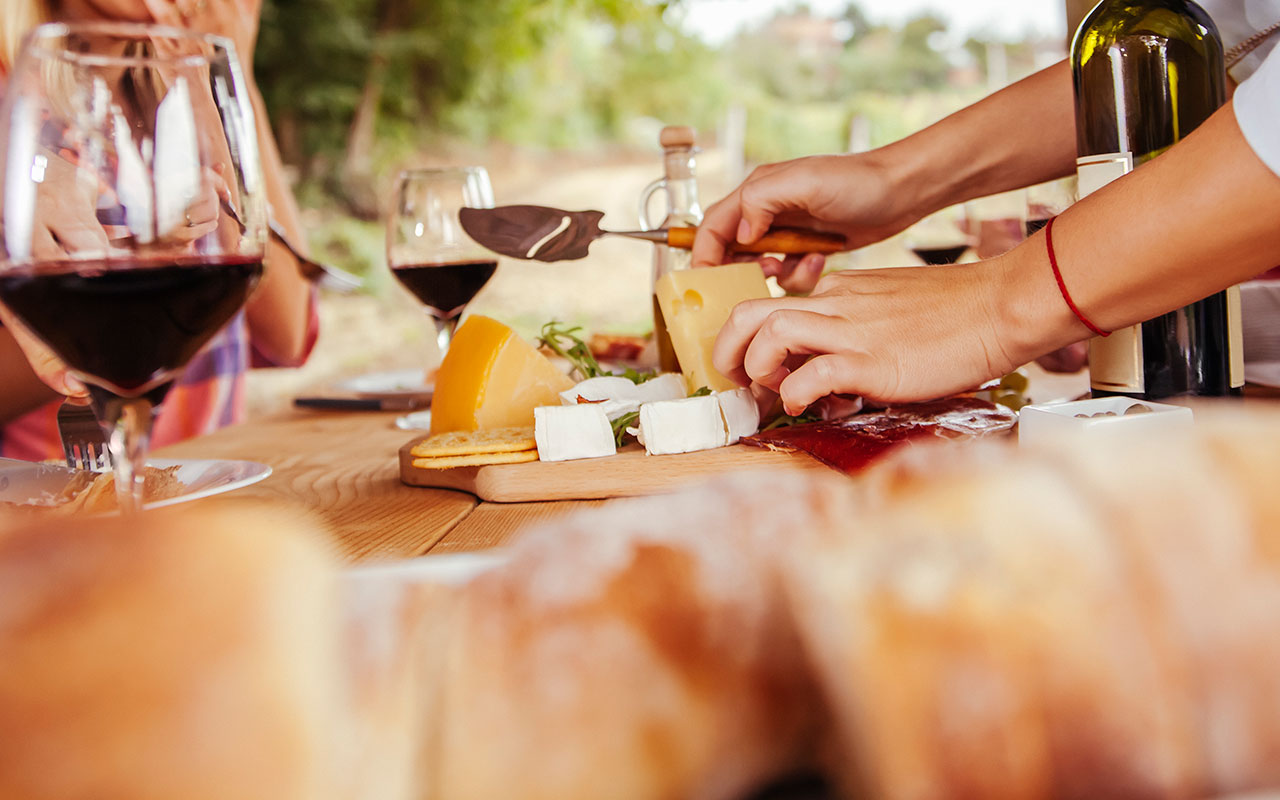
Photo: Natasha Photo / Shutterstock
Regional Wine and Cheese
Notably sparkling wines and sheep’s milk cheeses.
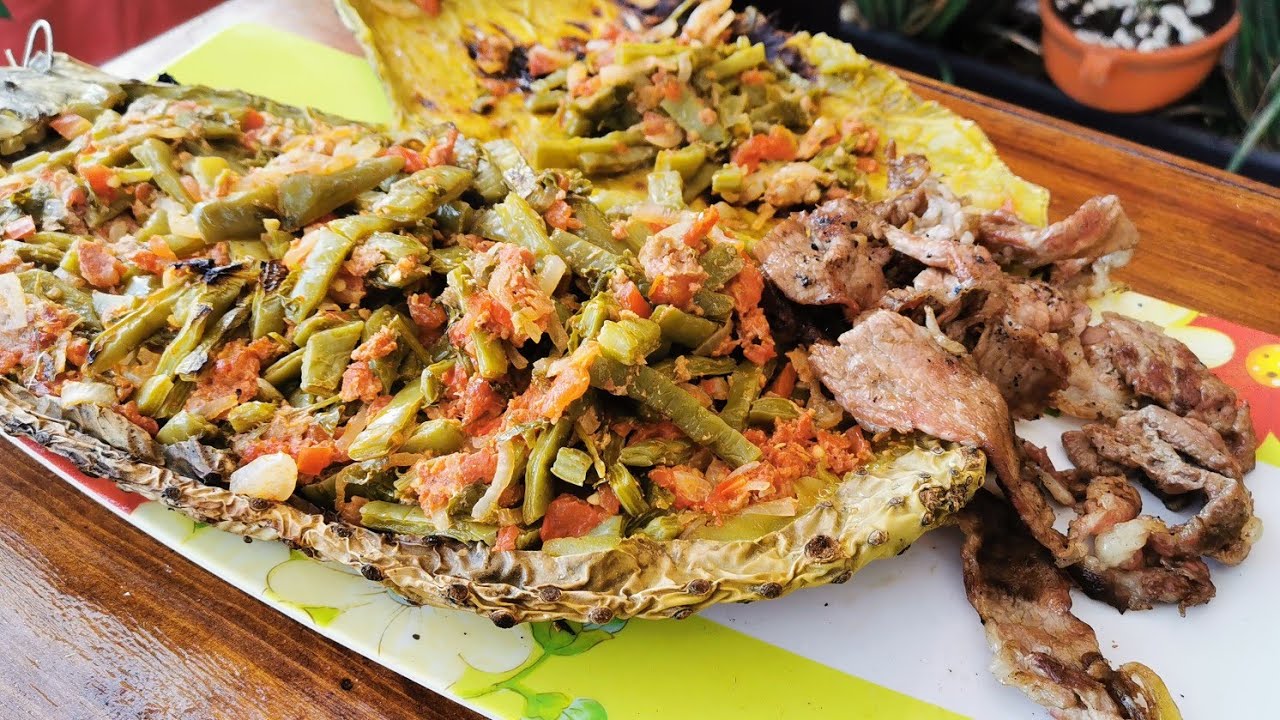
The Iconic Taco
The Local Bite
Taco de Nopal en Penca
"
Cactus paddle stuffed with tomatoes, onions, chiles, and sometimes chorizo, roasted inside a larger “mother” cactus leaf over charcoal. It is the flavor of the semidesert.