


State
San Luis Potosi
Where Desert, Mining History, and Jungle Converge
STATE VIBES
Why to Visit
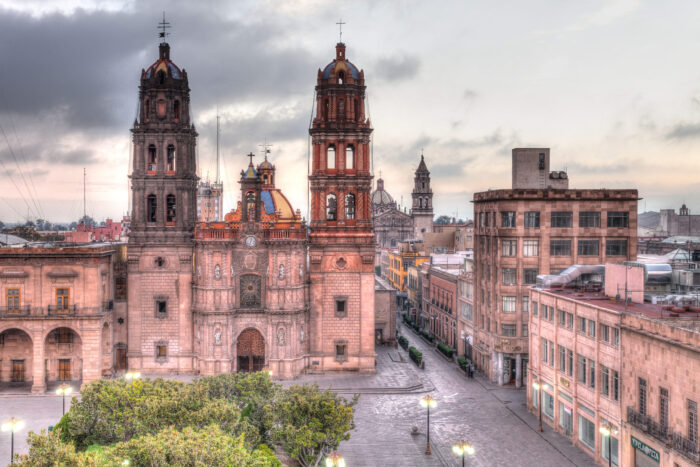
San Luis Potosí is Mexico’s premier destination for surrealist nature and adventure tourism. It combines the colonial elegance of its UNESCO-listed historic center with the wild beauty of La Huasteca Potosina. Travelers come to swim in turquoise waterfalls, explore the Edward James Sculpture Garden, and wander the ghost town of Real de Catorce. Whether you are looking for luxury travel in historic haciendas or ecotourism in the rainforest, SLP offers a unique journey through Mexico’s most dramatic contrasts.
Click any destination to explore
Explore
Key Destinations
HIGHLIGHTS
The Signature Experience
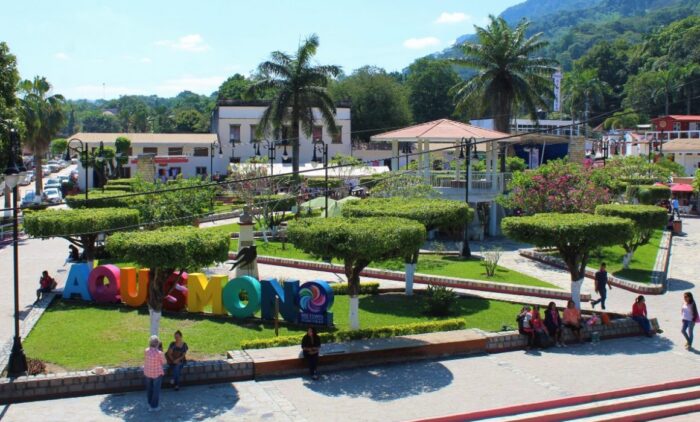
Huasteca Potosina
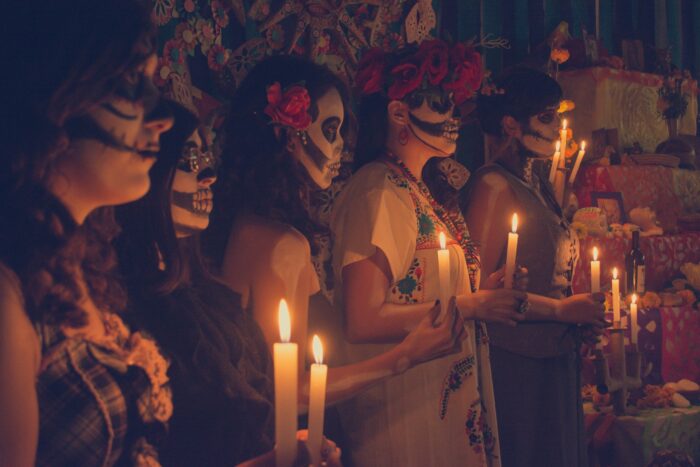
Day of the Dead
Discover Mexico’s most iconic festival. From the mysticism of the altars to the candlelight vigils in the graveyards, experience a unique celebration where death is not an end, but an annual reunion with those we love.
San Luis Potosi
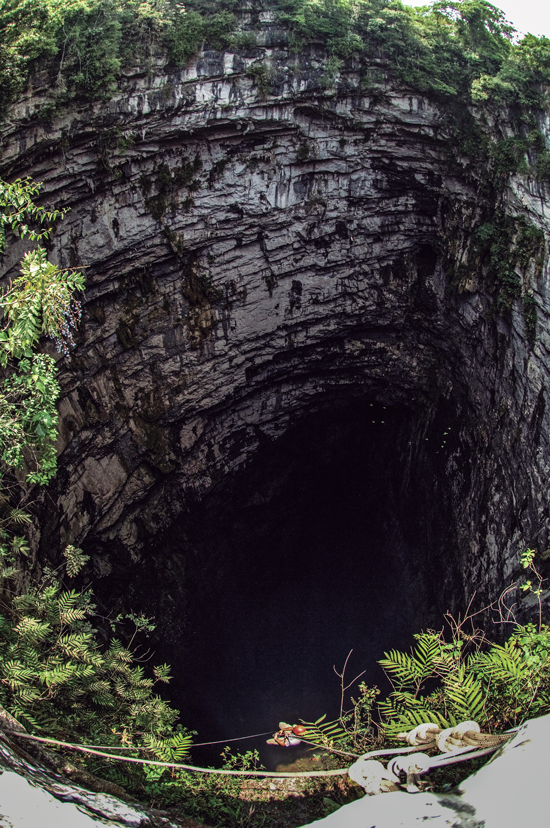
Sótano de las Golondrinas (Cave of Swallows)
An abyss of epic proportions. Witness the sunrise ritual where thousands of swifts and parakeets spiral out of the 6th largest abyss in the world. The sound of the birds creates a vortex of noise that vibrates in your chest.

San Luis Potosi
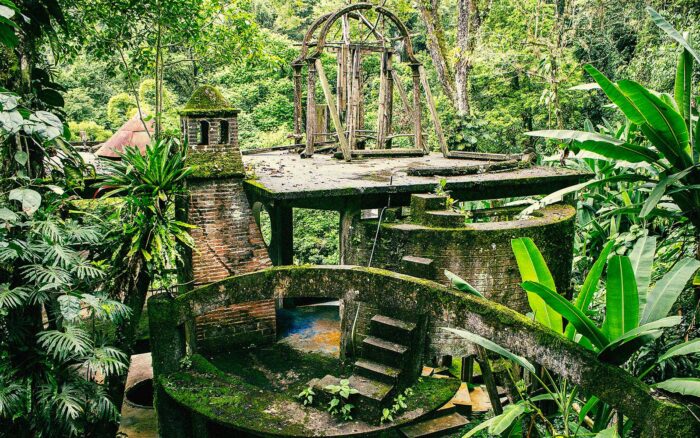
Las Pozas Edward James Sculpture Garden
A masterpiece of surrealist architecture in the middle of the rainforest. Concrete flowers, doors that open to nowhere, and “The Stairway to Heaven.” It is a dreamscape brought to life that must be seen to be believed.
BEST TIME TO VISIT
Momentours
Xantolo (Day of the Dead)
Early NovemberIn the Huasteca region, Day of the Dead is a loud, joyous party. Locals dress in costumes (masks) and dance in the streets and cemeteries. It is less solemn than Michoacán and more about celebrating the return of souls with music and dance.
The Procession of Silence in San Luis Potosí
Easter WeekSan Luis Potosí hosts the most important and dramatic procession in Mexico. In the capital, the city falls silent as hooded brotherhoods march through the colonial streets, a solemn tradition echoing Seville, Spain.
PLAN YOUR TRIP
Travel Toolkit
A tale of two climates. Arid and Cool in the Capital and Real de Catorce (pack jackets). Hot and Humid in the Huasteca/Jungle (pack swimwear and insect repellent).
Getting There
Fly into San Luis Potosí International Airport (SLP). It connects with Houston, Dallas, and Mexico City.
Car Rental: A car is recommended, especially for exploring the Huasteca region.
Buses: Long-distance buses such as Primera Plus and Futura provide reliable service for connecting destinations.
Local Context: When exploring, bear in mind that many natural areas are communal land (ejidos), so respecting rivers and local community rules is essential.
Culinary Soul
San Luis Potosi offers dishes with Indigenous and Spanish influences, full of flavor and regional variety that reflect its identity.
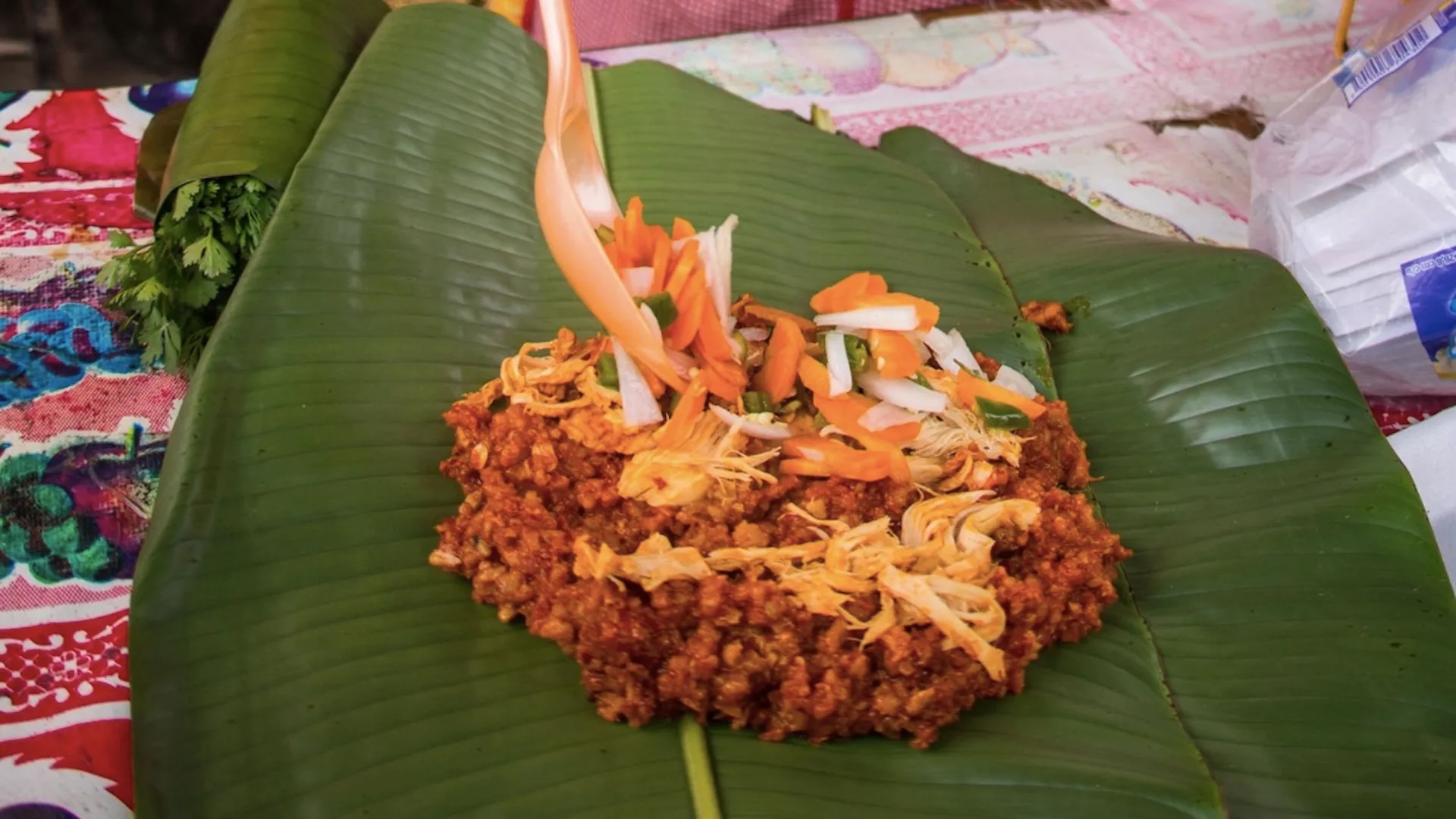
Photo: Webcams de México
Zacahuil
The "King of Tamales." A massive, 5-meter-long tamal cooked in a wood-fired oven, filled with pork and spices. It is a communal dish from the Huasteca, meant to be shared.
The Iconic Taco
The Local Bite
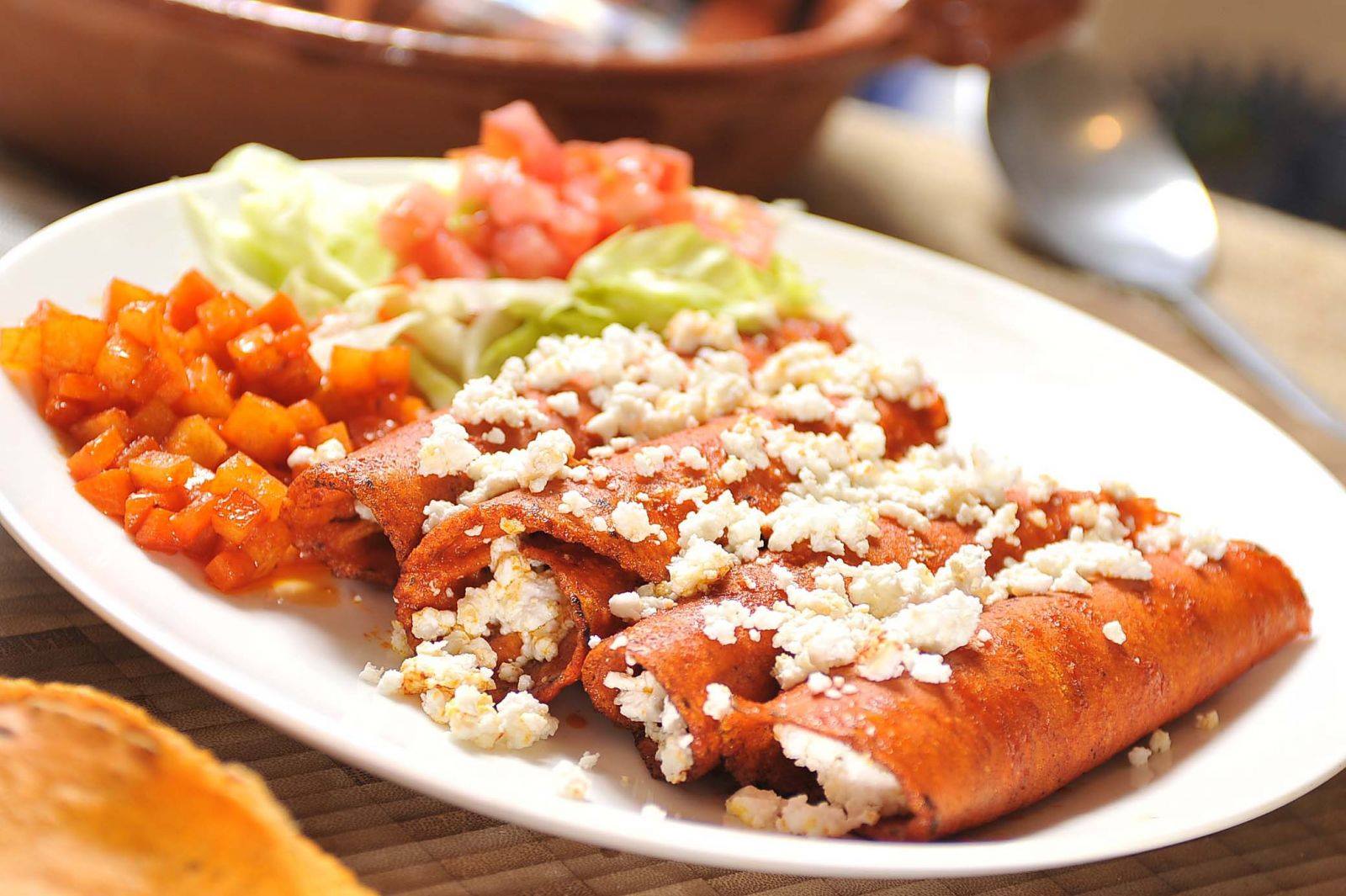
Tacos Rojos
"
Small tortillas dipped in a red chili sauce, filled with cheese, fried, and topped with carrots and potatoes. A colorful staple of the capital’s plazas.