


State
Sinaloa
Music, food and spectacular beaches
STATE VIBES
Why to Visit
Because it is a destination meant to be shared. Sinaloa invites travelers to sit down, taste, talk, and look out at the sea without hurry. It appeals to those seeking lively beaches, everyday culture, and a cuisine that speaks plainly and confidently. A place where travel feels genuine and full of flavor.
Click any destination to explore
Explore
Key Destinations



HIGHLIGHTS
The Signature Experience
BEST TIME TO VISIT
Momentours
The Comfort Season
November – AprilWhen the tropical humidity lifts, leaving warm sunny days and cool evenings. It is the perfect window for exploring colonial towns like El Fuerte or walking the historic streets of Mazatlán without the intense summer heat.
Mazatlan International Carnival
FebruaryOne of the oldest and most exuberant carnivals in Mexico. The port city explodes with color, banda music, and parades along the malecón, blending a deep sense of tradition with an uninhibited party atmosphere.
PLAN YOUR TRIP
Travel Toolkit
Sun, humidity, and the sea shape Sinaloa’s climate. The most comfortable period runs from November to April, when conditions are drier. Warmer months reach 30–34 °C (86–93 °F); in winter, averages hover around 20–25 °C (68–77 °F).
Sinaloa has airports in Culiacan, Mazatlan, and Los Mochis, as well as overland routes served by ETN and Tufesa. Within cities, Uber, Didi, and taxis make getting around easy; for beaches and small towns, renting a car offers greater flexibility.
- The Ferry: Sinaloa acts as the mainland anchor for the Sea of Cortez. Baja Ferries operates regular routes connecting Mazatlán and Topolobampo with La Paz in Baja California Sur, allowing travelers to bring their cars across the “world’s aquarium.”
- The Chepe Train: For many, Los Mochis and the colonial town of El Fuerte are the starting points for the legendary Chepe Express train, which ascends from the coast into the dramatic Copper Canyon.
Culinary Soul
Sinaloan cuisine is the standard-bearer for Mexican seafood. It is a kitchen of immediacy, where the ocean's bounty is treated with reverence and spice. While the state produces much of Mexico's agricultural wealth, its identity is forged in the carretas (street carts) and family restaurants that line the coast. It is food that is bold, fresh, and unafraid of heat.
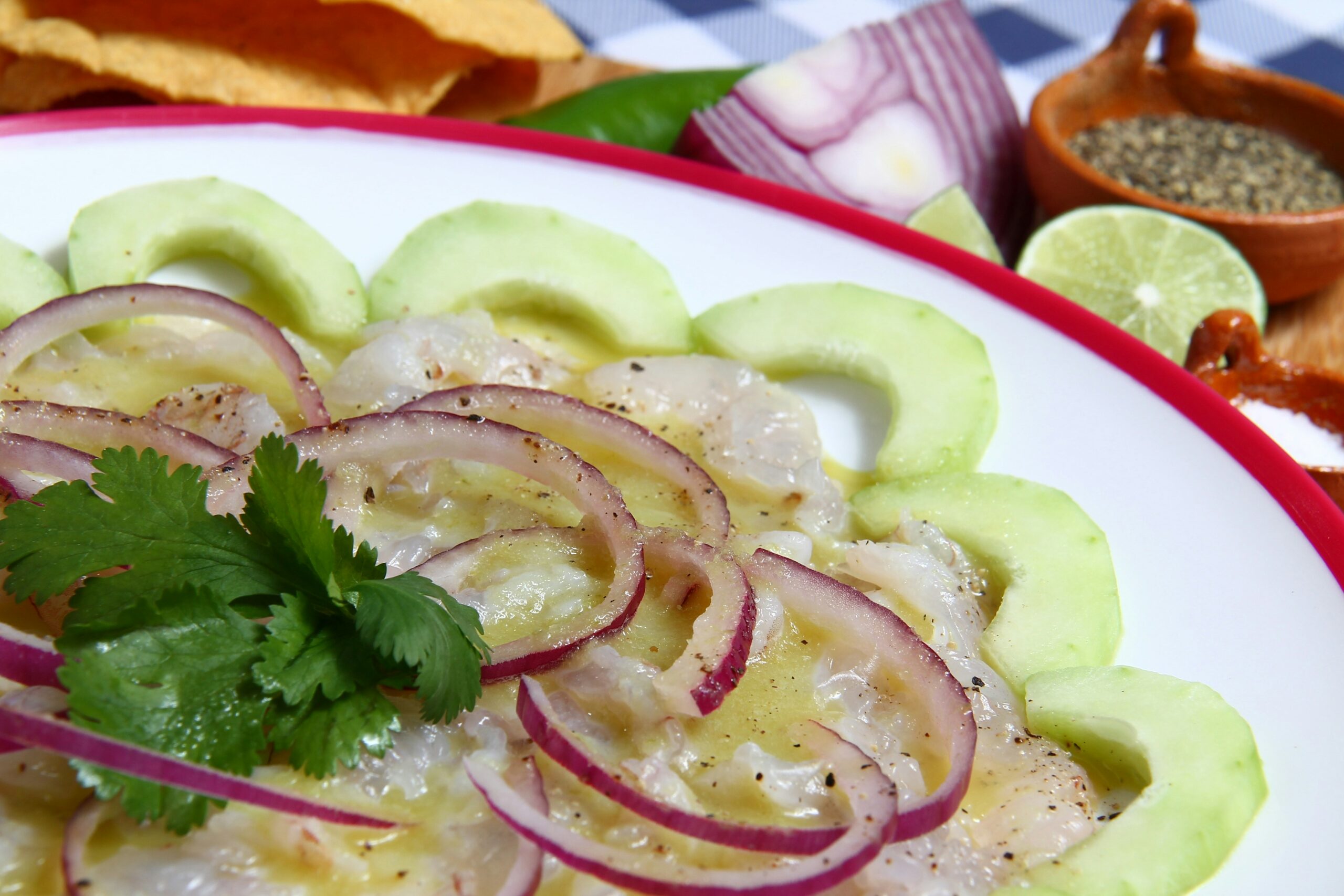
Photo: Carlos Davila Cepeda
Aguachile
The quintessential Sinaloan dish. Raw shrimp "cooked" instantly in a vibrant blend of lime juice, serrano or chiltepin chiles, cucumber, and red onion. It is sharp, refreshing, and addictive—the taste of the Pacific in a bowl.
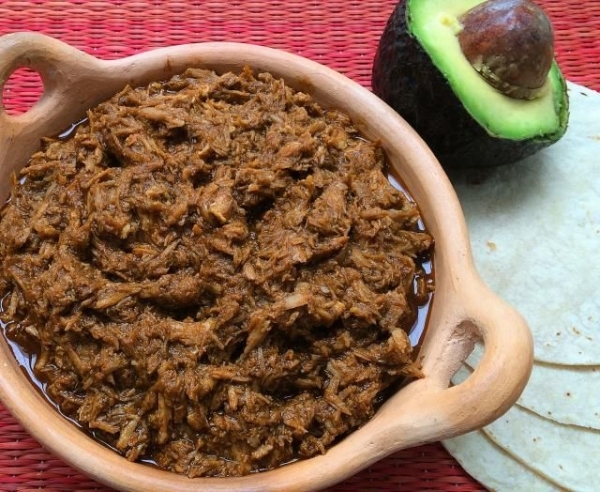
Chilorio
A rich, savory pork dish originating from the mountains but embraced statewide. Pork meat is slow-cooked, shredded, and fried in a sauce of dried ancho chiles and spices. It is a hearty, comforting contrast to the light coastal fare.
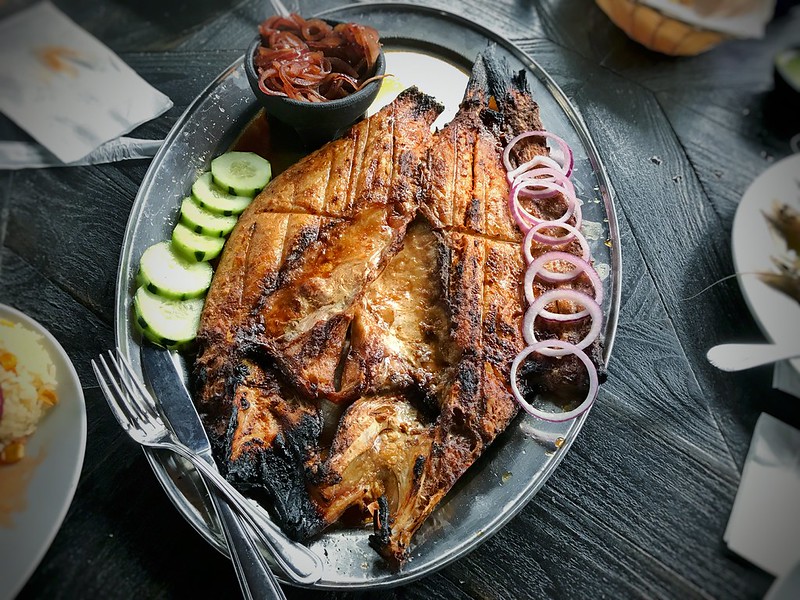
Photo: T-Tseng
Pescado Zarandeado
A whole fish (often snapper or snook) split open, marinated in a mix of spices, dried chiles, and sometimes soy sauce or mayonnaise, then grilled slowly over wood charcoal. It is a communal meal, meant to be shared with hands and tortillas.
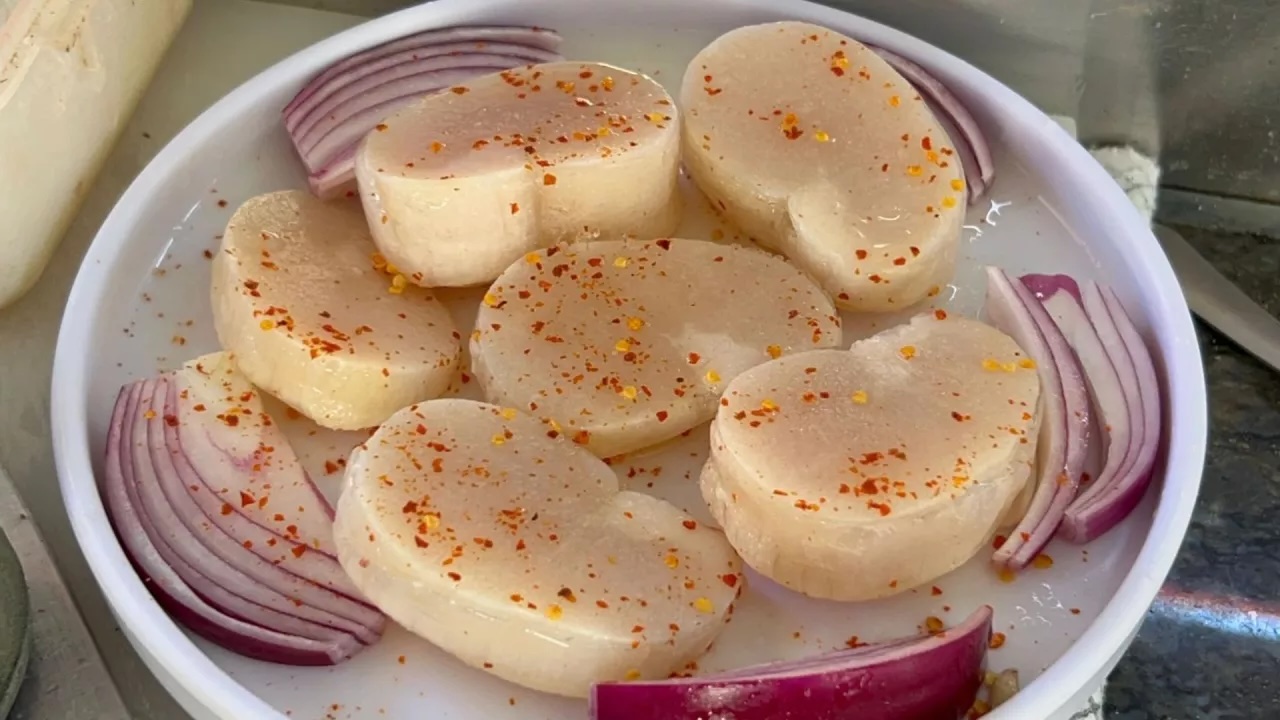
Photo: Tv Azteca Sinaloa
Callo de Hacha
Often called the "truffle of the sea" for its value and delicate flavor. These large pen-shell scallops are served raw with just lime, salt, and chiltepin, showcasing their sweet, buttery texture.

The Iconic Taco
The Local Bite
Taco Governor
"
A modern classic born in Mazatlán. It features shrimp sautéed with onions and poblano peppers, folded into a corn tortilla with melted cheese, and grilled until crisp and gooey. Created for a visiting governor, it has since become a mandatory stop on any culinary pilgrimage to the state.