


State
Tamaulipas
Where the Gulf, the Jungle, and the Border Tell Different Stories
State Vibes
Why to Visit
Because it is Mexico’s dual-natured frontier. Tamaulipas offers the rare chance to experience the rugged cowboy culture of the north and the lush, tropical vibrancy of the Gulf coast in a single trip. It is a destination for the curious traveler who wants to drive from the cloud forests of the El Cielo Biosphere Reserve—a UNESCO-recognized jewel—to the golden dunes of Miramar Beach, all while enjoying some of the country’s most distinct and flavorful cuisine. It is unpolished, authentic, and teeming with life.
Click any destination to explore
Explore
Key Destinations


HIGHLIGHTS
The Signature Experience
PLAN YOUR TRIP
Travel Toolkit
Tamaulipas is a land of two climates. The coast and southern region (Tampico, Huasteca) are tropical, humid, and warm year-round, often feeling like an “endless summer” with a rainy season from June to October. The northern border and inland areas are semi-arid, experiencing hotter, drier summers and cooler winters.
Tampico International Airport (TAM): The cultural and touristic gateway, serving the southern coast and the Huasteca region.
Reynosa (REX) & Nuevo Laredo (NLD): Key hubs for business and border transit, connecting primarily to Mexico City and industrial centers.
Matamoros (MAM): Serves the northeastern border zone.
Official Bus Lines: Ground travel is excellent here. Transpais is the premier regional carrier, offering high-end luxury buses that connect the entire state. Omnibus de México and Noreste also provide extensive coverage.
Car Rental: Highly recommended if you plan to visit the El Cielo
Culinary Soul
Cuisine born between the Gulf and the Rio Grande: fresh seafood, crabs, shrimp, and fish coexist with meats, roasts, and northern seasonings. A straightforward cuisine, tied to the port, the market, and the shared table.

Photo: Shutterstock
Carne a la Tampiqueña
Perhaps Mexico's most famous steak dish. While created by a Tampico native in Mexico City, it represents the region on a plate: a long strip of grilled beef (symbolizing the Pánuco River) served with enchiladas, beans, rajas (peppers), and guacamole.
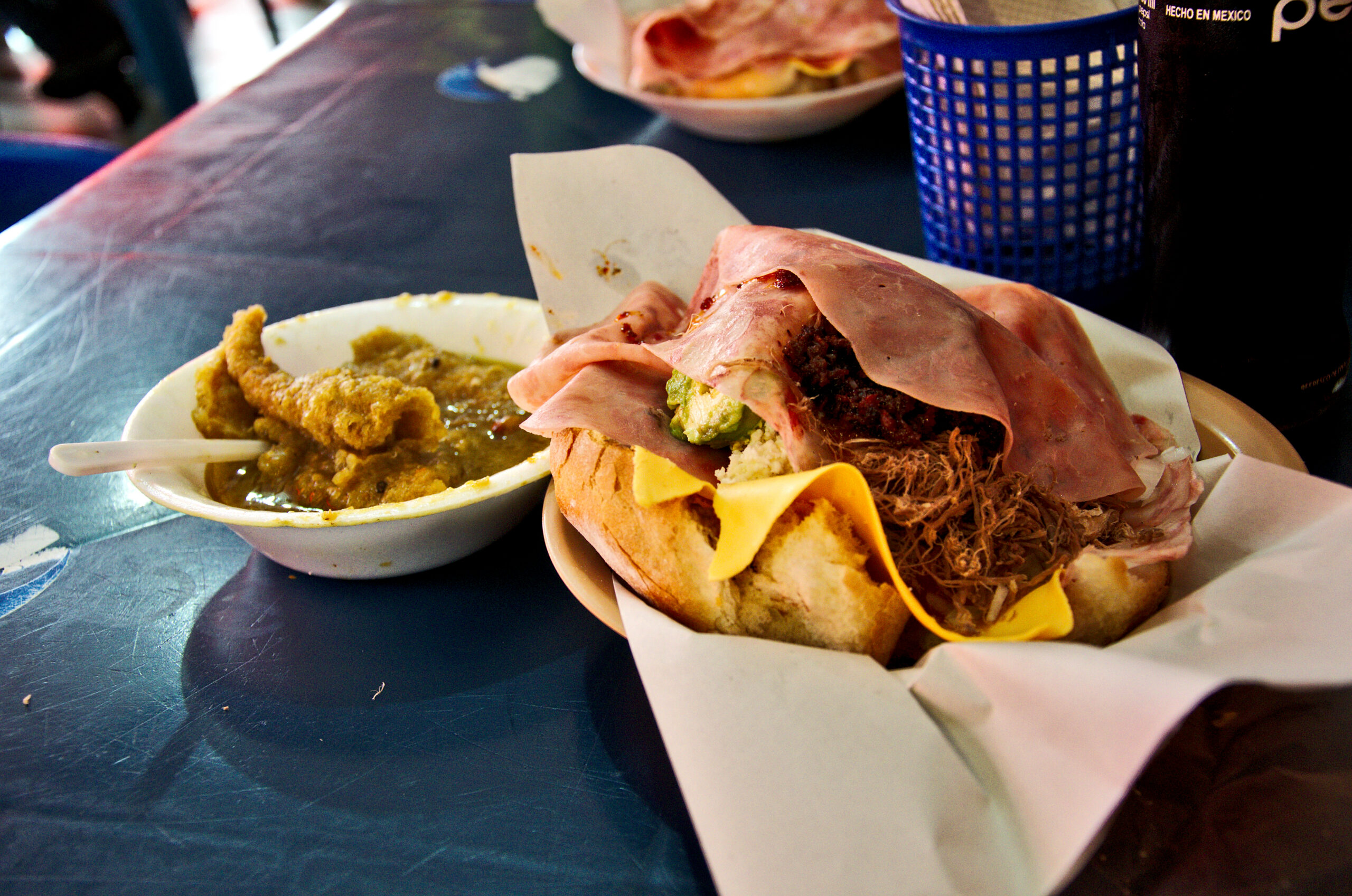
Photo: Gabriel Saldaña
Tortas de la Barda
The ultimate street food soul of Tampico. A soft roll piled high with ham, cheese, shredded beef, pork rinds in green salsa, beans, and avocado. Originally sold along the boundary wall (barda) of the railway station, they are now a culinary legend.

Photo: Visit Tamaulipas
Jaibas Rellenas
The blue crab (jaiba) is the mascot of the southern coast. In this dish, the crab meat is sautéed with spices and stuffed back into the shell, a savory tribute to the abundance of the Gulf.
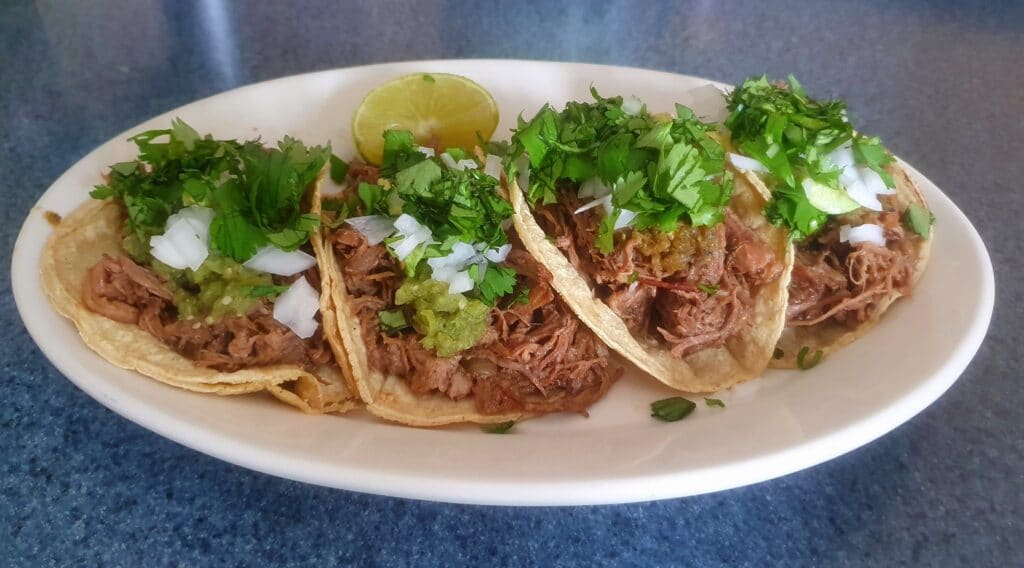
The Iconic Taco
The Local Bite
Taco de Barbacoa
"
In Tamaulipas, barbacoa is typically made from beef rather than lamb. The meat (often the head or cheek) is slow-cooked in maguey leaves or steam-roasted until it melts in your mouth. Served on a soft flour tortilla with fresh salsa and a squeeze of lime, it is the undisputed king of weekend breakfasts across the state.