The Copper Canyon Region
Region

The Copper Canyon Region

A journey into the deep heart of the Sierra Tarahumara

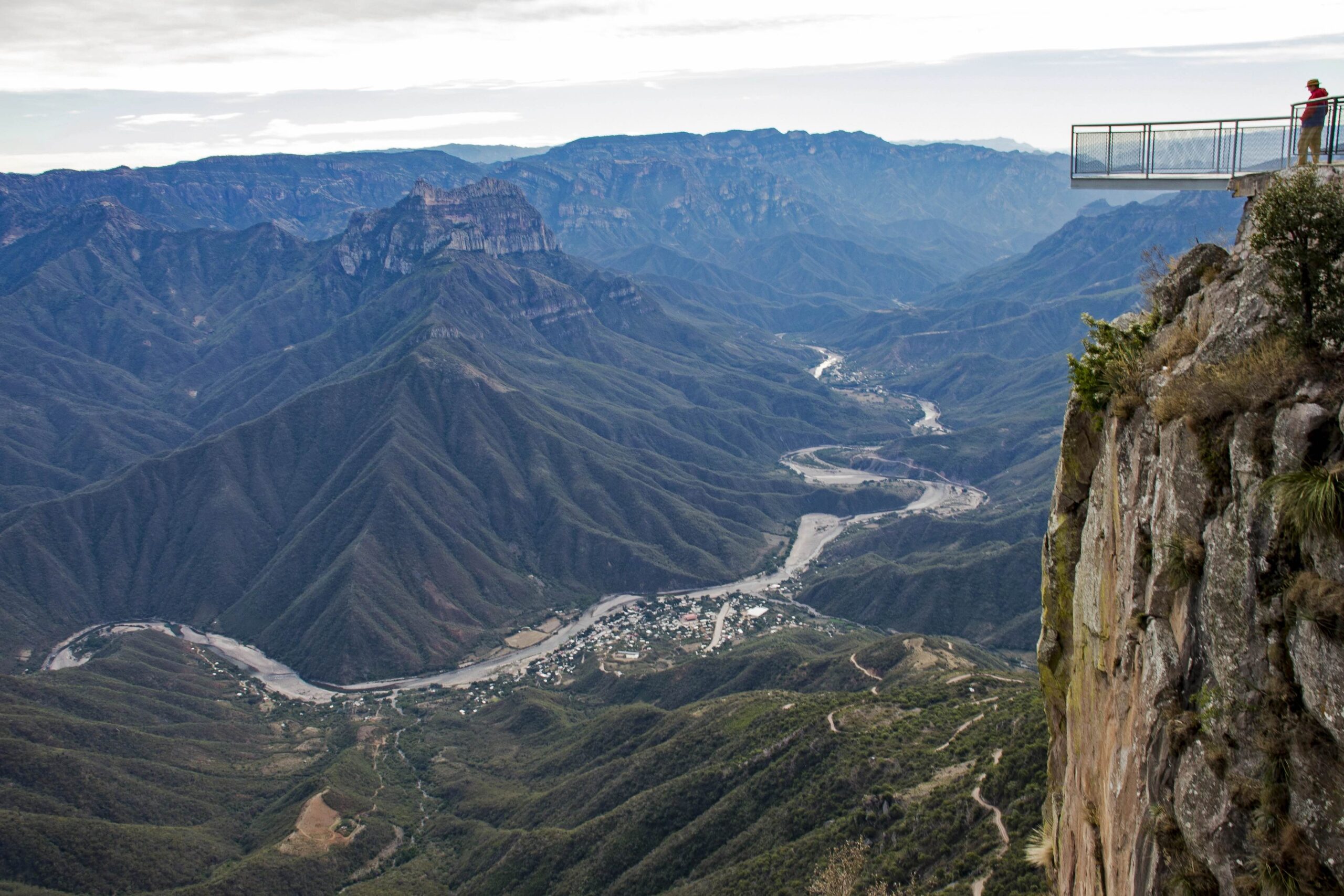
Copper Canyon (Barrancas del Cobre) is not simply visited—it is crossed, listened to, and respected. This vast canyon system, larger and deeper than the Grand Canyon, cuts through the heart of the Sierra Tarahumara like an ancient wound that still pulses with life. Here, nature sets the pace and Raramuri culture gives meaning to the path. Pine-covered mountains, endless ravines, rivers winding far below, and communities that have learned to live in balance with a territory as demanding as it is generous.
Traveling through Copper Canyon (Barrancas del Cobre) means accepting a shift in scale. Everything feels bigger, quieter, more essential. The air is crisp, nights are profound, and each sunrise reveals a landscape reshaped by light. The region draws travelers seeking purposeful adventure, genuine cultural encounters, and experiences that leave wonderful memories. This is not just about seeing, but understanding—walking ancestral trails, witnessing Raramuri resilience, and discovering a Mexico deeply rooted in its origins.
Copper Canyon (Barrancas del Cobre) is a destination for those who see travel as a transformative experience.

Why to visit

Because Copper Canyon reminds you of your true place in the world. It is a journey that seamlessly blends the sophistication of a world-class train with the beautiful rawness of mountain life. This destination is for the traveler who is ready to shed the role of a mere tourist and become a true witness to the grandeur of Mexico.

We invite you to slow down, listen to the stories, and discover a country that feels as deep as it is beautiful.

Key Destinations

The Signature Experience

Sol y playa en el Caribe mexicano
The Copper Canyon Region

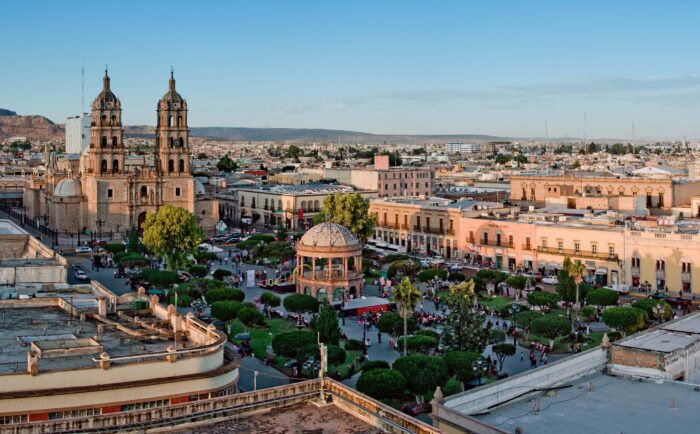
Historic routes of the North

Revolutionary history, missions, and mountain towns.

Sol y playa en el Caribe mexicano
The Copper Canyon Region

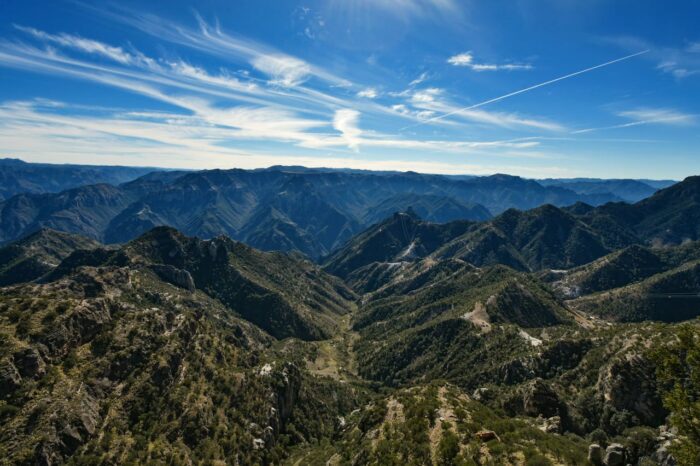
Canyon adventure

Canyons, rivers, and forests that invite exploration at your own rhythm.

Sol y playa en el Caribe mexicano
The Copper Canyon Region

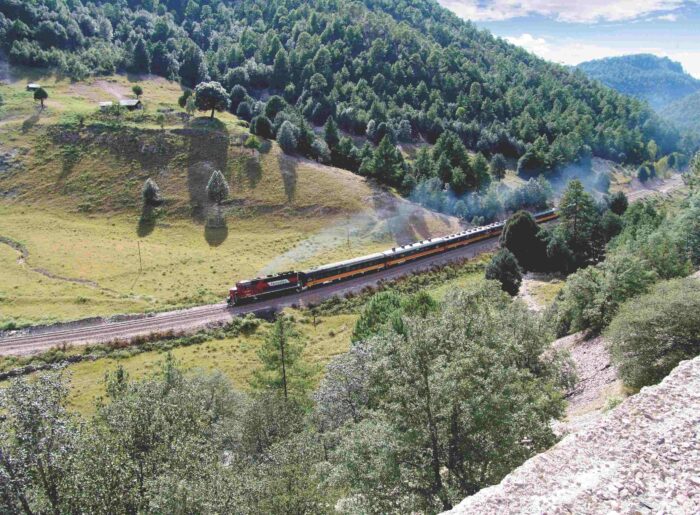
El Chepe Train

One of the world’s most scenic rail journeys.

Sol y playa en el Caribe mexicano
The Copper Canyon Region

Living Raramuri culture

Indigenous communities that preserve their language, traditions, and worldview.

BEST FOR

Regional Vibes

This region defines the “Wild West” imagination globally. Its vocation is Cinematic and Monumental. It is a land of massive canyons, revolutionary heroes (Pancho Villa), and wide horizons that demand a travel style of endurance and awe.

Momentours

Traditional Raramuri celebrations

Rainy season

Summer

When the canyons turn lush and green

Autumn colors in the sierra

October–November

Traveler toolkit

Climate: The Vibe: A Tale of Two Climates. Weather here is dictated by altitude, not just latitude. You are effectively packing for two different trips. The Rim (Creel / Divisadero / Barrancas): Alpine and crisp. Summer (Jun-Aug): Pleasant days (~25°C / 77°F) with refreshing mountain air. Winter (Dec-Feb): Cold. Temperatures drop significantly at night, often reaching -10°C (14°F). Occasional snowfalls turn the canyon rim into a white wonderland. The Canyon Floor (Batopilas / Urique): Subtropical and humid. Summer: Intense heat. Expect averages of 30°C to 40°C (86°F – 104°F). It is a lush, tropical environment. Winter: Mild and agreeable, like a permanent spring. Wind: At the panoramic viewpoints (Miradores), expect moderate breezes with fresh gusts of 15-20 km/h, especially in the afternoons.
Getting There & Around: Strategic Entry Points: You must choose your narrative arc—starting from the high desert or the sea.   Chihuahua International (CUU): The “Highland Entry.” Best for starting the journey in the colonial city of Chihuahua and traveling into the Sierra Tarahumara by road or bus before catching the train. Connects with Dallas (DFW) and major Mexican hubs (CDMX, GDL).   Los Mochis International (LMM): The “Coastal Ascent.” Ideal for boarding the Chepe Express at sea level and witnessing the dramatic climb into the mountains. Connects with Phoenix (PHX – seasonal) and national hubs.   Leaving the Airport: Both airports offer authorized taxi services. Private transfers arranged by hotels or tour operators are highly recommended for peace of mind.
Mobility: The Chepe Express: The Iron Pulse of the region. This is not just transportation; it is the main event. The luxury train connects the sea (Los Mochis) to the mountains (Creel), stopping at key destinations like El Fuerte and Divisadero. Booking in advance is essential.   Road Travel (The Last Mile):   Private Shuttles/Tours: Essential for exploring beyond the train stations. To reach deep canyon gems like Batopilas or the Basaseachi Waterfall, you need a driver. The roads are spectacular but sinuous and steep (switchbacks), requiring local expertise. Local Buses: Reliable lines connect Chihuahua Capital to Creel (approx. 4 hours). They are a safe, economical way to reach the heart of the Sierra if you are not taking the train for that specific leg.  

Cultural Roots

Important Historic Fact: Las Barrancas fueron el refugio de los tarahumaras cuando los conquistadores españoles llegaron en el siglo XVI. En lugar de confrontación directa, eligieron la profundidad inaccesible de los cañones para preservar su libertad y tradiciones, una estrategia de supervivencia que mantiene su cultura intacta hasta hoy.

Culinary Soul

Mountain cuisine here is rustic and sustaining, shaped by necessity and place. Corn forms the backbone of daily meals, joined by dried meats, Mennonite cheese, and apples—ingredients that reflect both the landscape and a tradition rooted in endurance and simplicity.