


State
Durango
The Wild West of the Imagination
State Vibes
Why to Visit
Because it is the Wild West of your imagination brought to life. Durango offers a landscape so dramatic it became the favorite backdrop for Hollywood’s Golden Age. It is a destination for the traveler who wants to combine the elegance of one of northern Mexico’s most beautiful colonial cities with the rugged adventure of the Sierra Madre. Whether you are sleeping in a cabin under the pine trees, tasting wild mezcal in a Pueblo Mágico, or walking the streets where Pancho Villa was born, Durango offers an experience that is cinematic, authentic, and untamed.
Click any destination to explore
Explore
Key Destinations
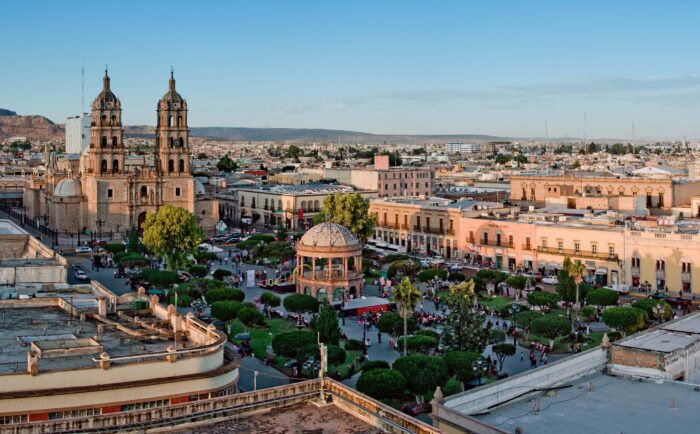
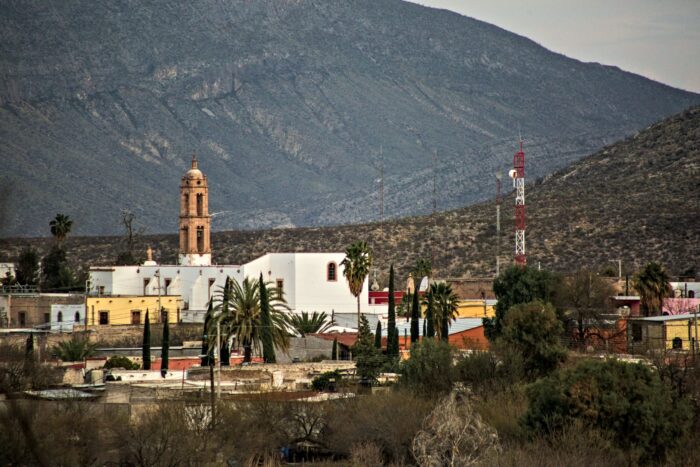
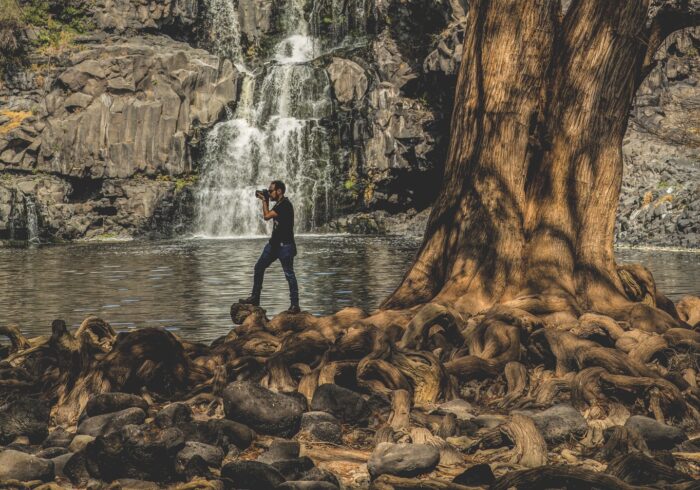
HIGHLIGHTS
The Signature Experience
BEST TIME TO VISIT
Momentours
Festival Revueltas
OctoberA sophisticated arts festival honoring the Revueltas family (artists and musicians). The streets and theaters fill with classical music, jazz, and contemporary dance.
Feria Nacional Durango
JulyThe state’s massive summer celebration. It combines livestock expos, pop concerts, and cultural events, celebrating the founding of the city with contagious energy.
PLAN YOUR TRIP
Travel Toolkit
Durango has a semi-arid, temperate climate. The city is sunny and dry with pleasant days and cool nights. The high Sierra is cold (often below freezing in winter) with alpine forests. The eastern desert is hot.
Airports: Guadalupe Victoria International Airport (DGO) connects the capital with Mexico City, Tijuana, and key US hubs like Dallas and Chicago.
Getting Out: Official airport taxis are the standard. Hotel shuttles are also common.
Bus Lines: Omnibus de México and Chihuahuenses are the dominant carriers, offering excellent luxury service to majestic terminals across the north.
Car Rental: Essential for this state. To reach the cabins in Mexiquillo or the film sets on the outskirts, you need a vehicle. Taxis/Uber: Reliable within Durango City for dining and urban exploration.
Culinary Soul
Durango’s kitchen is designed to defeat the cold of the mountains and the heat of the desert. It is famous for its preservation techniques—dried meats, aged cheeses, and fruit preserves (ates)—and for using ingredients that others overlook, like the wild agave.

Caldillo Durangueño
The state's flagship dish. A hearty stew made with dried beef (carne seca) or fresh fillet, roasted poblano peppers, onions, and tomatoes. It is simple, fiery, and deeply comforting.
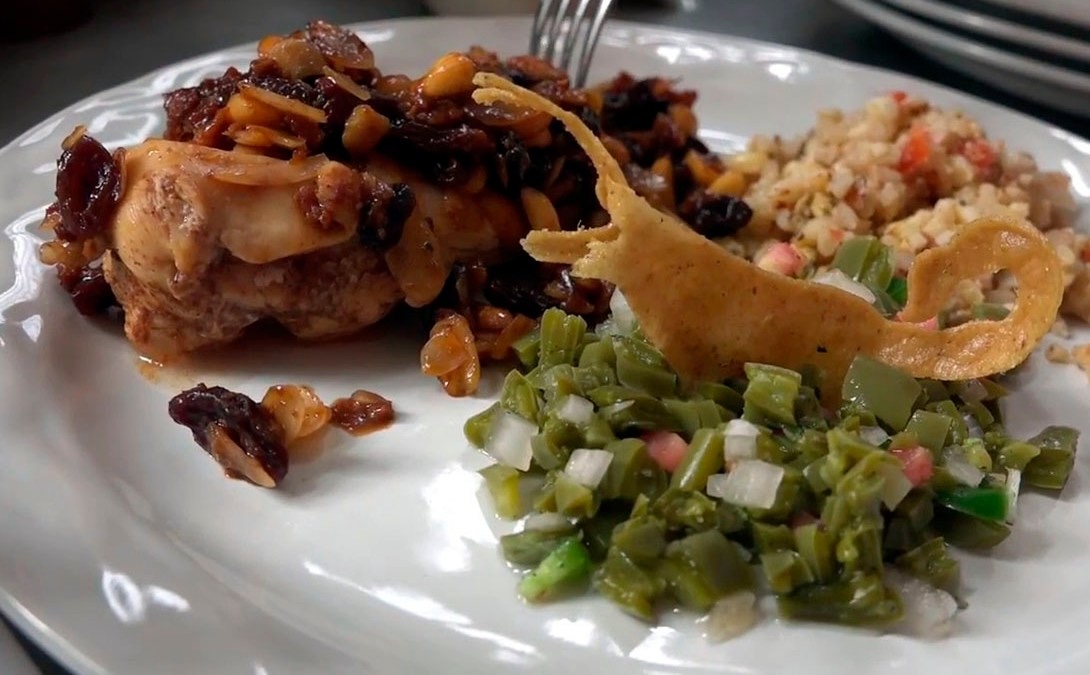
Photo: Rita Sanchez
Gallina Borracha
"Drunken Hen," a casserole of chicken cooked with sherry, almonds, and raisins, showcasing the Spanish baroque influence on the region's colonial cooking.

Natural Fruit Sweets & Jellies
Due to the abundance of fruit orchards (quince, fig, peach), sweets and jellies are a local specialty, often paired with Menor cheese.
The Iconic Taco
The Local Bite
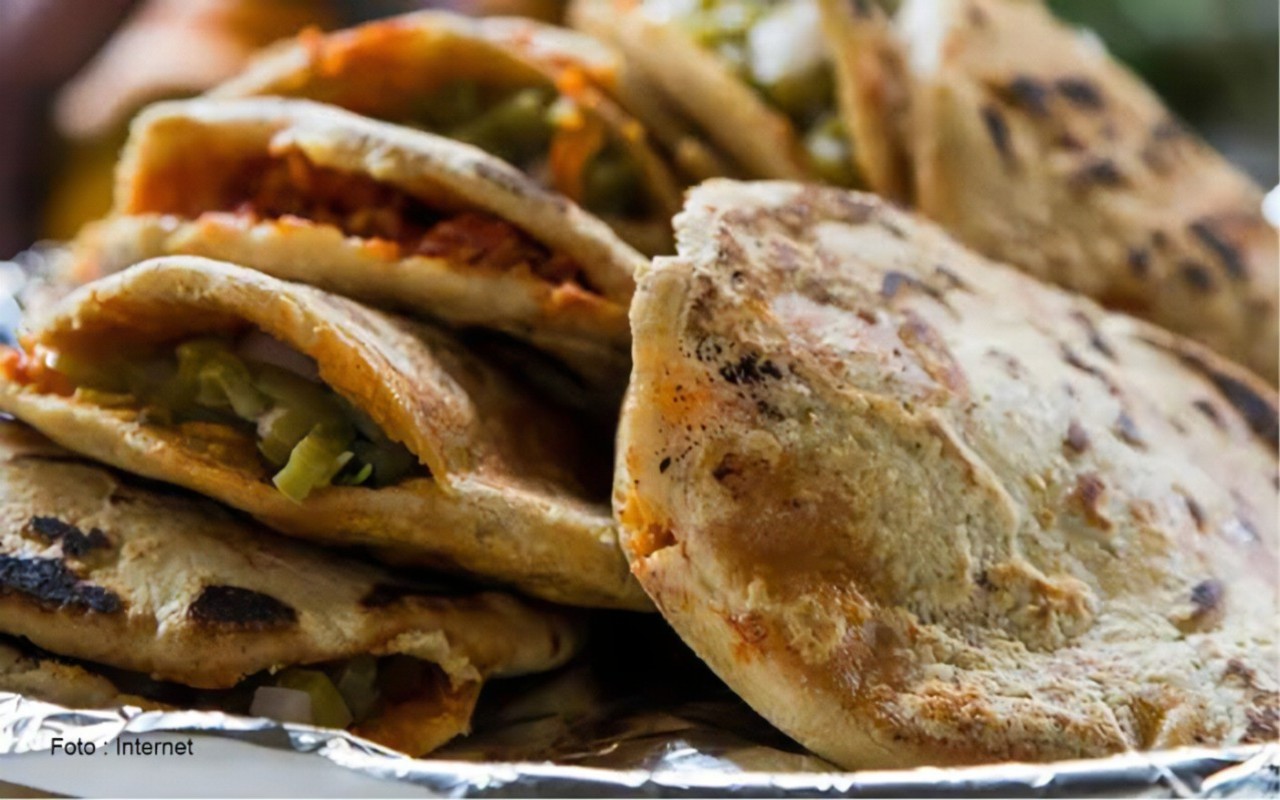
The Gordita
"
While tacos exist, the Gordita is the true monarch of Durango street food. Small, thick corn tortillas are split open and stuffed with stew—chicharrón prensado (pressed pork), asado rojo, or rajas. However, if a taco must be named, it is the Taco de Tripitas: crispy, fried tripe served in soft tortillas with fierce salsa, a nightly ritual in the capital.