

State
Coahuila
The Giant in the North
STATE VIBES
Why to Visit
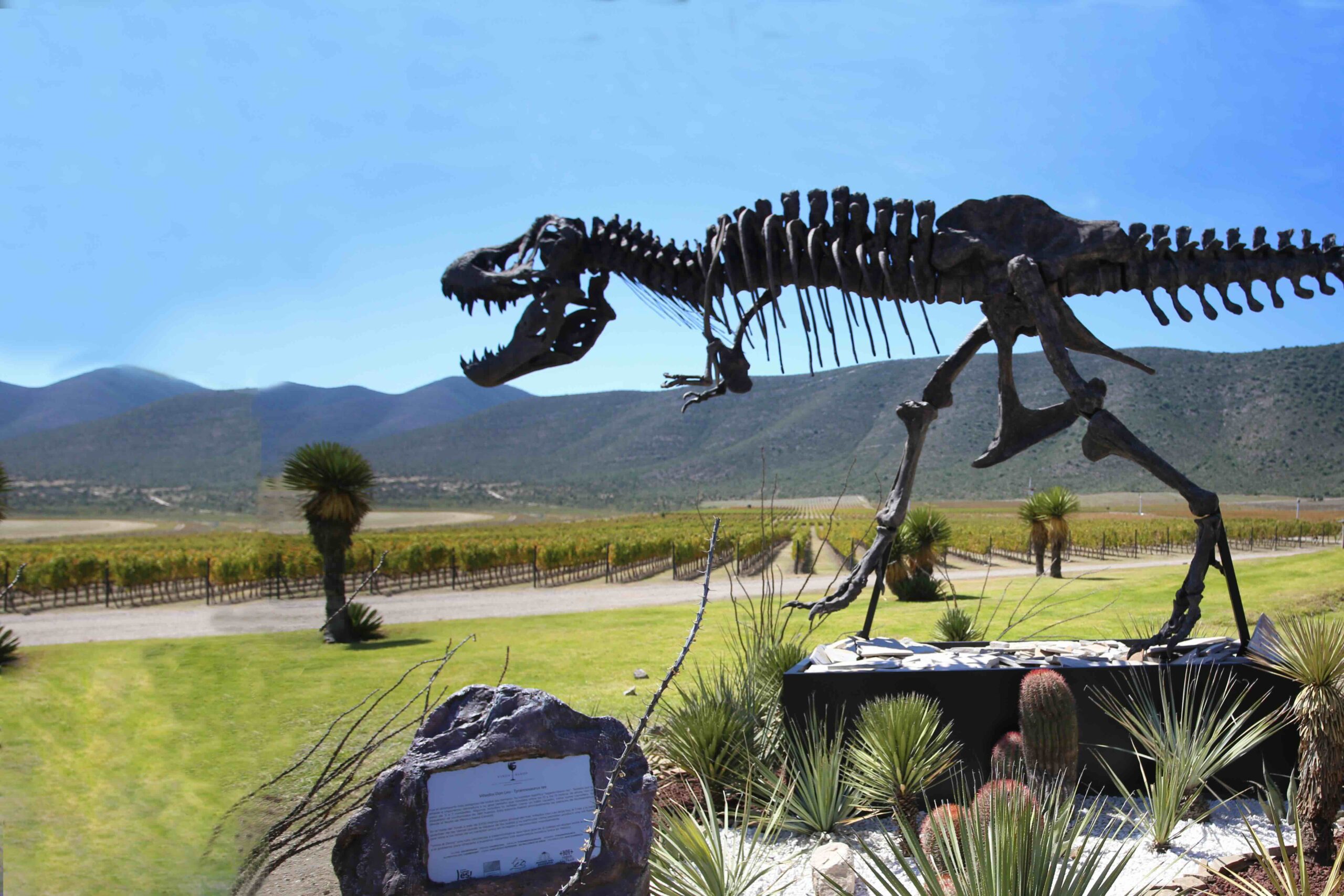
Coahuila is the Land of Giants, a destination where the earth itself tells a story millions of years old. It is the only place in Mexico where you can walk among real Dinosaur fossils, swim in the surreal, turquoise pools of Cuatro Ciénegas (a biological time capsule often compared to the Galapagos), and taste the legacy of the oldest winery in the Americas in Parras. Visit Coahuila to experience Desert Elegance: a sophisticated blend of rugged eco-adventure, world-class wines, and landscapes so dramatic they feel like another planet.
Click any destination to explore
Explore
Key Destinations


HIGHLIGHTS
The Signature Experience

Coahuila
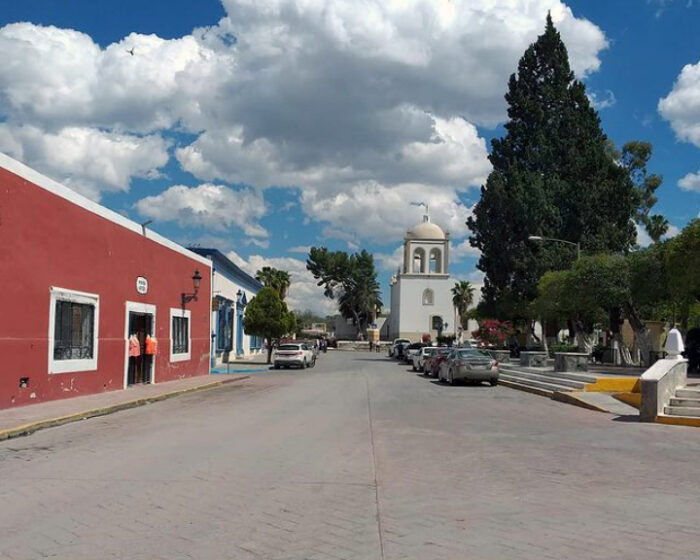
Follow the wine route in Parras
Tastings, harvest seasons, and historic vineyards.
BEST TIME TO VISIT
Momentours
Wine harvest season
July–SeptemberCelebrations, tastings, and cultural events in Parras.
PLAN YOUR TRIP
Travel Toolkit
Coahuila is a land of extremes defined by the desert. Summers (May to September) are intense, with temperatures frequently exceeding 38°C (100°F) in the lowlands and desert floor. Winters (November to February) bring a sharp, crisp relief, with clear skies and cool nights that can drop near freezing in the high mountains of Arteaga. The most comfortable window for exploration is October to April, when the heat breaks and the light is golden.
Coahuila’s climate varies widely.
- Spring and fall: best overall seasons to explore the state.
- Summer: intense heat in desert areas; ideal for mountains and vineyards.
- Winter: cold in higher elevations, with possible snowfall in Arteaga.
International and Local Airports: The state is served by two main hubs. Torreón International Airport (TRC) is the busiest gateway, connecting the industrial and Laguna regions. Plan de Guadalupe International Airport (SLW) in Saltillo serves the capital and the southeast. Smaller airports in Piedras Negras and Monclova handle regional and border traffic.
Official Bus Lines: Northern Mexico is best navigated by Grupo Senda (Senda Diamante), which offers the most extensive network within the state. Omnibus de México and ETN also provide reliable, first-class connections to major cities like Monterrey and Mexico City.
Car Rental: Essential for the full experience. To reach the vineyards of Parras or the pools of Cuatro Ciénegas, you need the freedom of a vehicle to cross the vast desert stretches on your own schedule.
Culinary Soul
Coahuila’s cuisine is born from the desert, the ranch, and the vineyard. It is a kitchen of fire and patience, where high-quality ingredients are treated with respect rather than complexity. From the oldest wineries in the Americas to the smoke-filled patios of family gatherings, the food here tells a story of survival and celebration in the north.
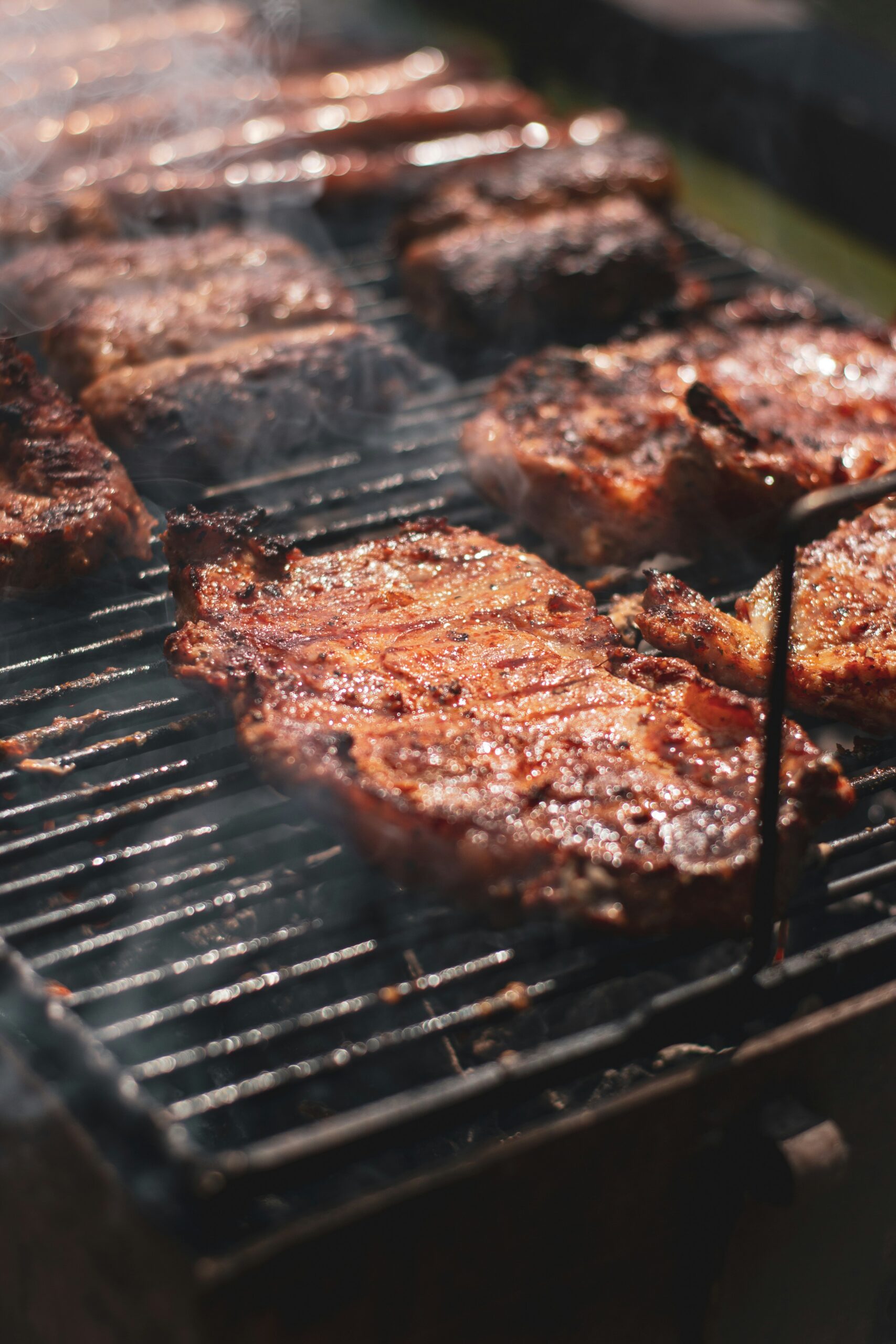
Photo: Julia Buta / Unsplash
Carne Asada
More than a dish, it is a social ritual. In Coahuila, lighting the charcoal is a call to gather. Premium cuts of beef (like ribeye or arrachera) are seasoned simply with salt and seared over high heat, accompanied by flour tortillas, roasted salsas, and hours of conversation.

Photo: ProtoplasmaKid-CC-BY-SA
Cabrito
A slow-cooked specialty rooted in northern tradition. The young goat is traditionally roasted al pastor (shepherd-style) over mesquite embers for hours until the meat is tender and the skin crisp, or stewed in its own juices (fritada).
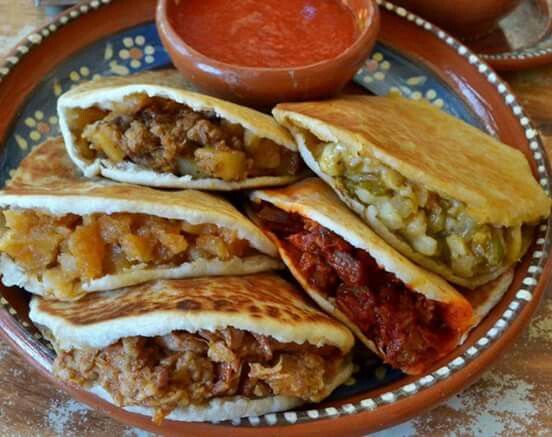
Gorditas Laguneras
A staple of the Torreón region. Thick, handmade flour tortillas are split open and stuffed with varied stews—from chicharrón prensado (pressed pork rind) to asado rojo (pork in red chile).
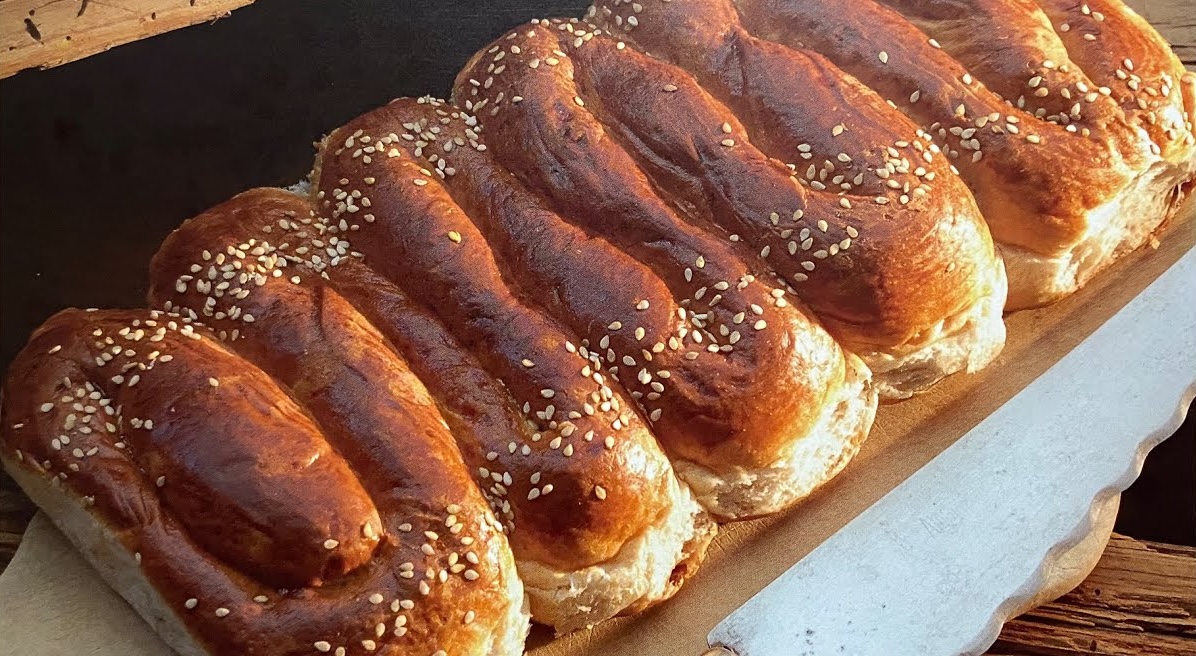
Photo: México Desconocido
Pan de Pulque
A sweet, fermented legacy found in Saltillo and Ramos Arizpe. This airy bread uses the agave sap (pulque) as a natural leavening agent, resulting in a unique texture and flavor that pairs perfectly with coffee.

Photo: Kelsey Knight
Wine from Parras Valley
The cradle of wine in the Americas. The Parras Valley is home to Casa Madero (est. 1597), and the high-altitude vineyards of Arteaga are producing some of Mexico's most exciting new labels.
The Iconic Taco
The Local Bite
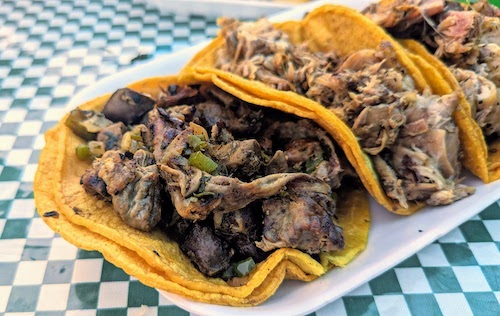
Taco de Cabrito
"
The definitive flavor of Coahuila. Young goat is slow-roasted over mesquite embers (often al pastor style) until the meat is tender enough to pull apart by hand. Served on a flour tortilla with a touch of salsa, it is a bite that connects the desert landscape with centuries of ranching tradition.