Colima
State

Colima

The city of palms under the volcano's fire.

Traveling through Colima feels like approaching a more intimate version of Mexicocontained, expressive, and quietly confident. It is the country’s smallest state by size, yet one of the most concentrated in identity. Here, nature speaks softly but with authority: active volcanoes, low tropical forests, coffee-growing slopes, and a Pacific coastline that never competes for attention, only accompanies. Colima is also literary ground. Its towns and landscapes helped shape Pedro Páramo, one of the foundational works of Latin American literature. The atmosphere of suspended heat, memory, and silence that defines the novel still lingers in places like Comala, where the line between the imagined and the lived feels intentionally blurred. Between the volcanic interior and the open coast, Colima maintains a rare balance: calm cities, working ports, living traditions, and a cuisine that connects directly to land and sea. It is a state that rewards the curious, offering a cross-section of Mexico’s geography within a few hours’ drive.

Why to Visit

Because Colima offers something increasingly rare: depth without noise. It is a place where volcanoes are watched from a distance, literature is felt in the air, and daily life unfolds with balance. Travelers come here to read a landscape, walk through a novel, and eat with a sense of place. Colima rewards those who understand that the most lasting journeys are often the quietest ones.

Key Destinations

Colima

Comala

Colima

Manzanillo

The Signature Experience

Sol y playa en el Caribe mexicano
Colima

Coastal Life

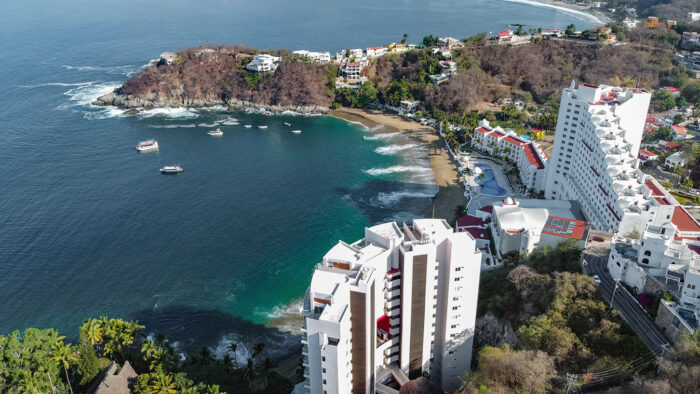
Exploring the black sand beaches of Cuyutlan and visiting the Tortugario (turtle sanctuary).

Sol y playa en el Caribe mexicano
Colima

Literature as Landscape

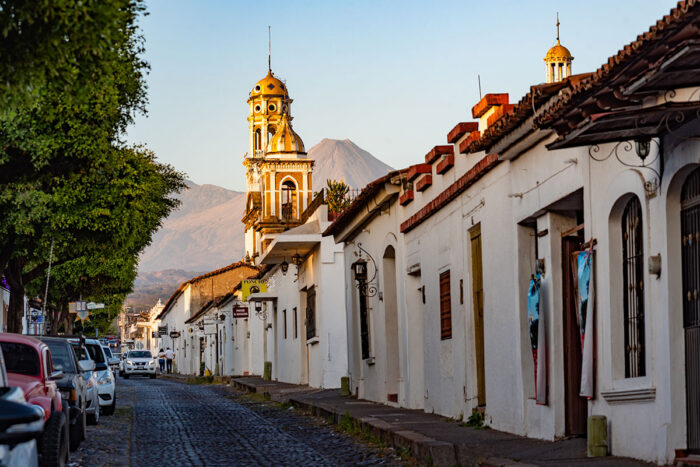
Comala embodies Juan Rulfo’s imagined world; walking its streets is a meditation on memory and identity.

Sol y playa en el Caribe mexicano
Colima

Volcano Views

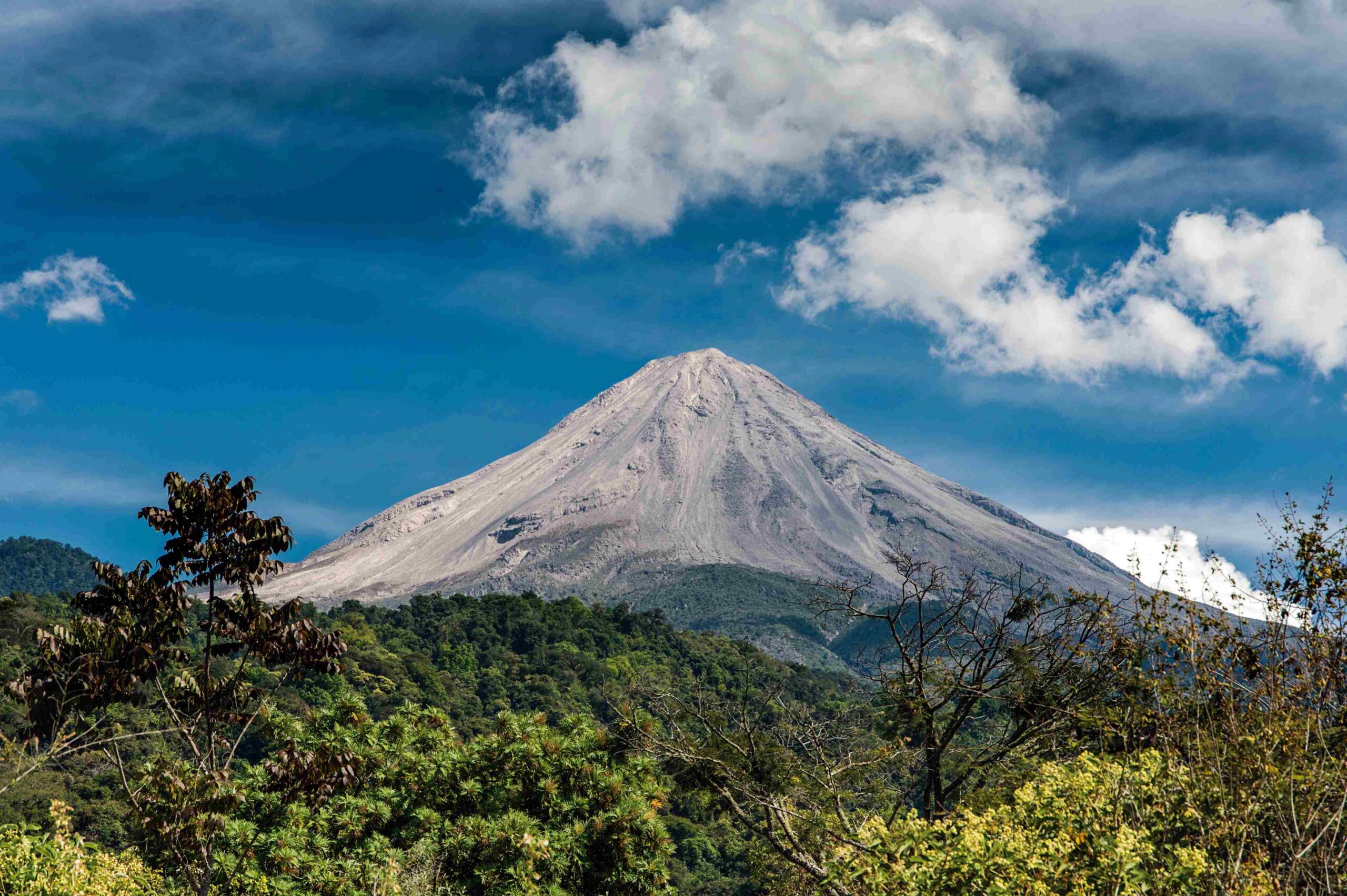
Watching the fumaroles of the Volcan de Fuego from a terrace in Comala sipping local coffee.

BEST FOR

Regional Vibes

Volcanic Earth & Quiet Coast Colima is the Intimate Unknown. Its vocation is Dualistic: the fire of the volcano and the black sands of the coast (Cuyutlán/Manzanillo).

The Nature Contrarian.

Travelers who want to hike an active volcano in the morning and eat seafood on the beach by evening. They value destinations off the mass-tourism radar and appreciate the literary connection to Juan Rulfo’s Pedro Páramo in Comala.

Momentours

Rulfo Cultural Season

Literary events and walking routes inspired by Juan Rulfo’s work.

Ponche, Bread, and Coffee Festival

Winter

A seasonal gathering in Comala centered on regional flavors and village life.

San Felipe de Jesus Festivities

February

Religious and community celebrations in Colima City, famously associated with the Petatera bullring—a temporary structure built entirely from wood and petate mats.

Feria de Todos los Santos

October – November

The state’s main fair, featuring agriculture, cuisine, and culture.

Travel toolkit

Warm and tropical on the coast; cooler and more temperate inland towards the volcano.

  • Airports: Playa de Oro (ZLO) in Manzanillo for international access; Licenciado Miguel de la Madrid (CLQ) near Colima City for domestic flights.
  • Transport: Colima is compact and has excellent infrastructure. Renting a car is highly recommended to drive the scenic highway between the coast and the volcano (approx. 90 mins).

Cultural Roots

The Legacy of the Petatera.

Every year in Villa de Álvarez, the community builds “La Petatera,” a massive bullring made entirely of wood, reed mats (petates), and rope—without a single nail. It is a masterpiece of ephemeral architecture and a symbol of communal effort and tradition that dates back more than 160 years.

Culinary Soul

Colima’s cuisine is restrained, direct, and deeply local. Representative dishes include:
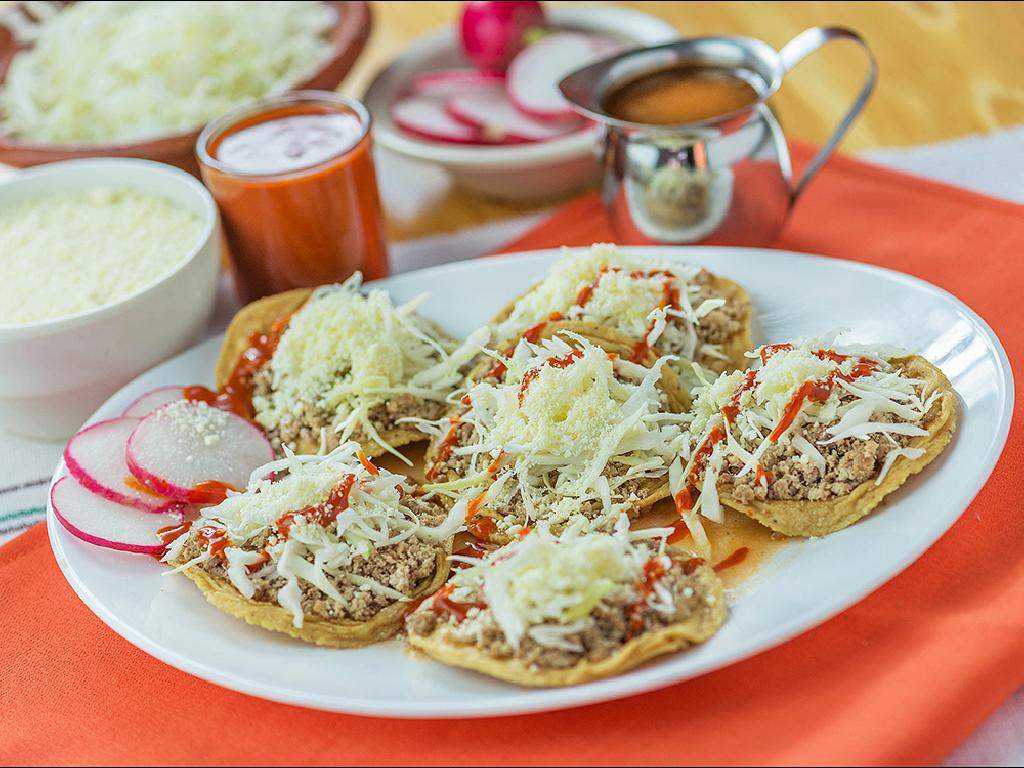
Sopitos colimenses. Small, fried corn tortillas topped with ground meat and bathed in a savory tomato juice.
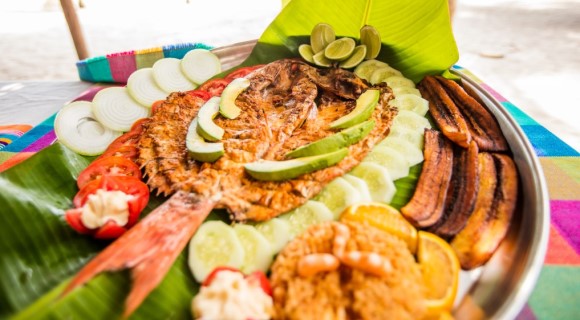
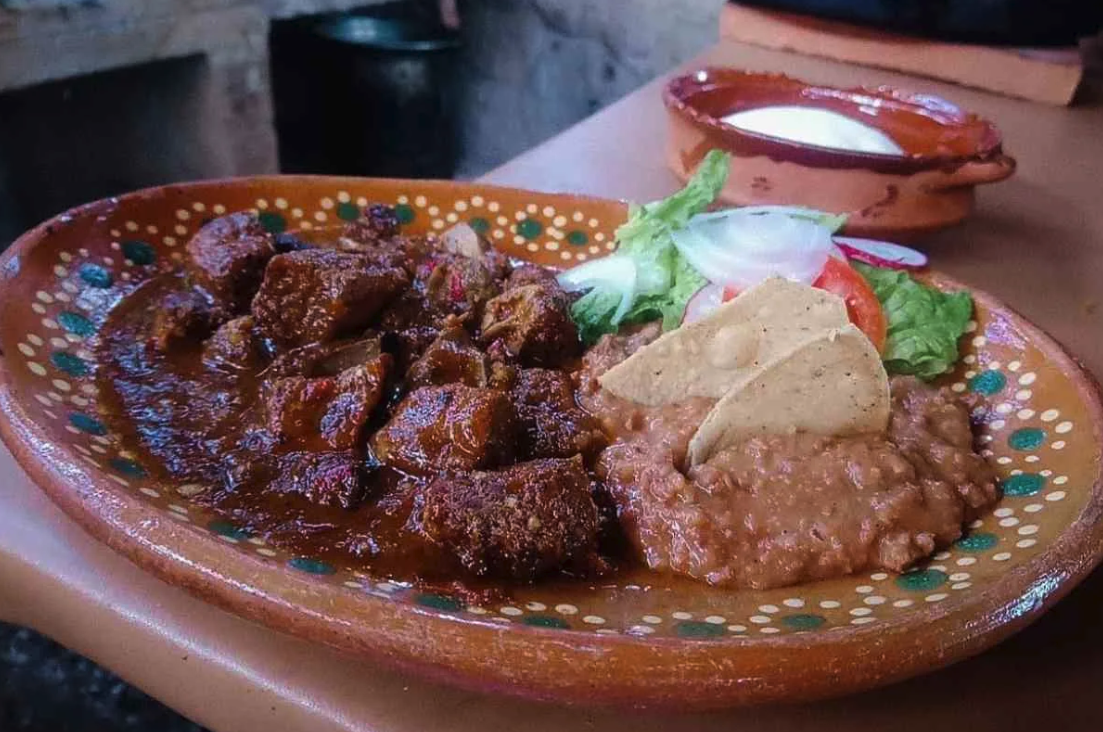
Tatemado: Pork marinated in coconut vinegar and spices, slow-cooked until tender.

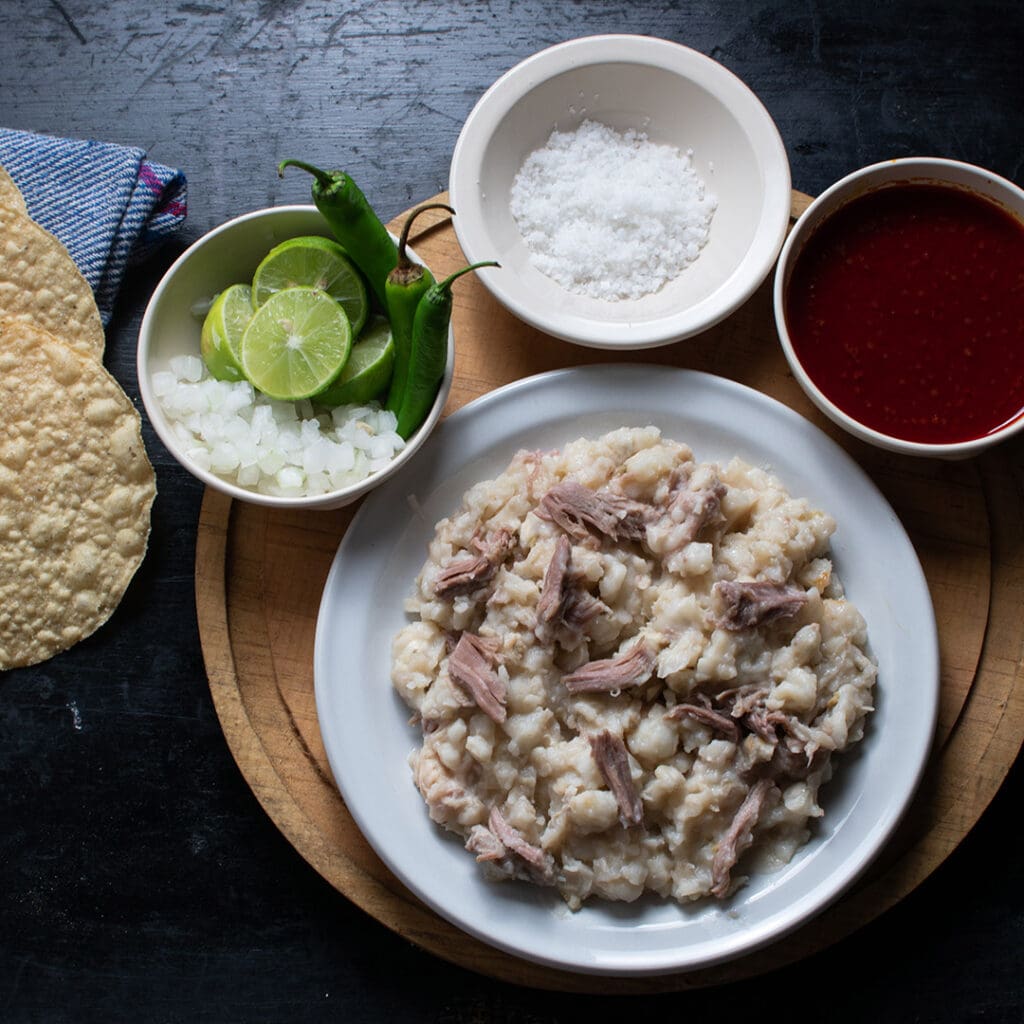
Pozole seco: Unique version of the classic dish; the broth is cooked down until the hominy is dry, served with cabbage and radishes.

Pacific fish and seafood: Grilled or lightly marinated, sometimes prepared a la talla or zarandeado, where heat and seasoning highlight the texture rather than mask it.
Traditional breads and regional sweets: Pan dulce. The region is famous for its pastries, particularly “bonetes” and “empanadas.”

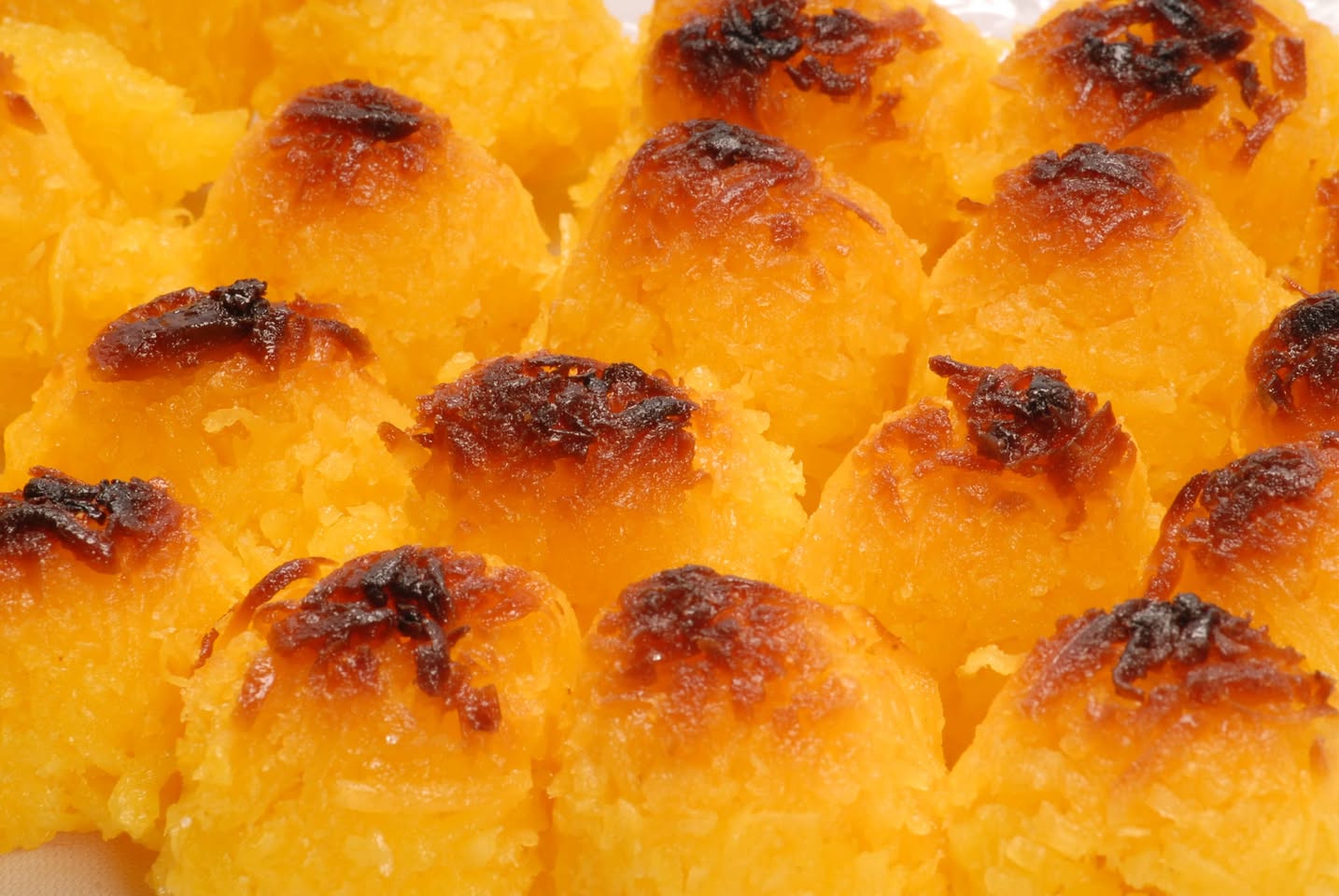
Cocadas: Traditional coconut candy, reflecting the coastal palm groves.
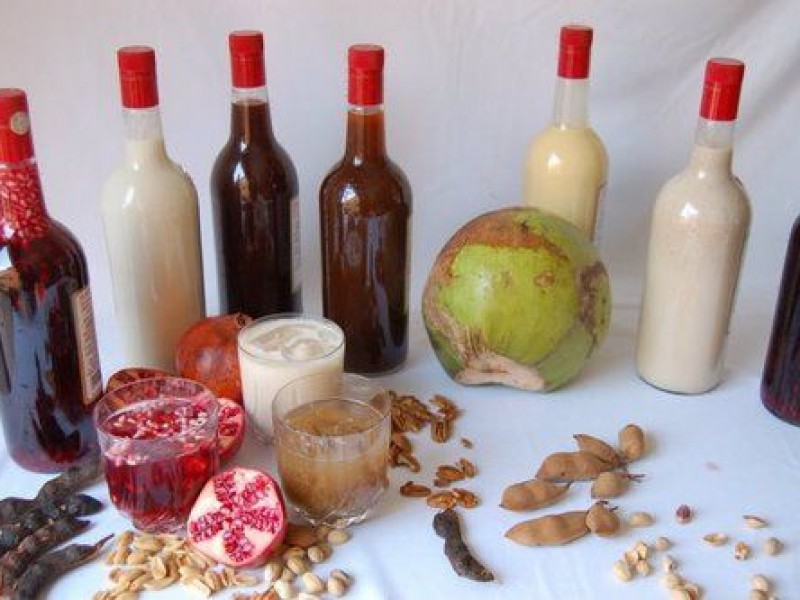
Ponche de Comala: A creamy, artisanal punch made with local fruits (pomegranate, nut, pistachio) and agave spirit.
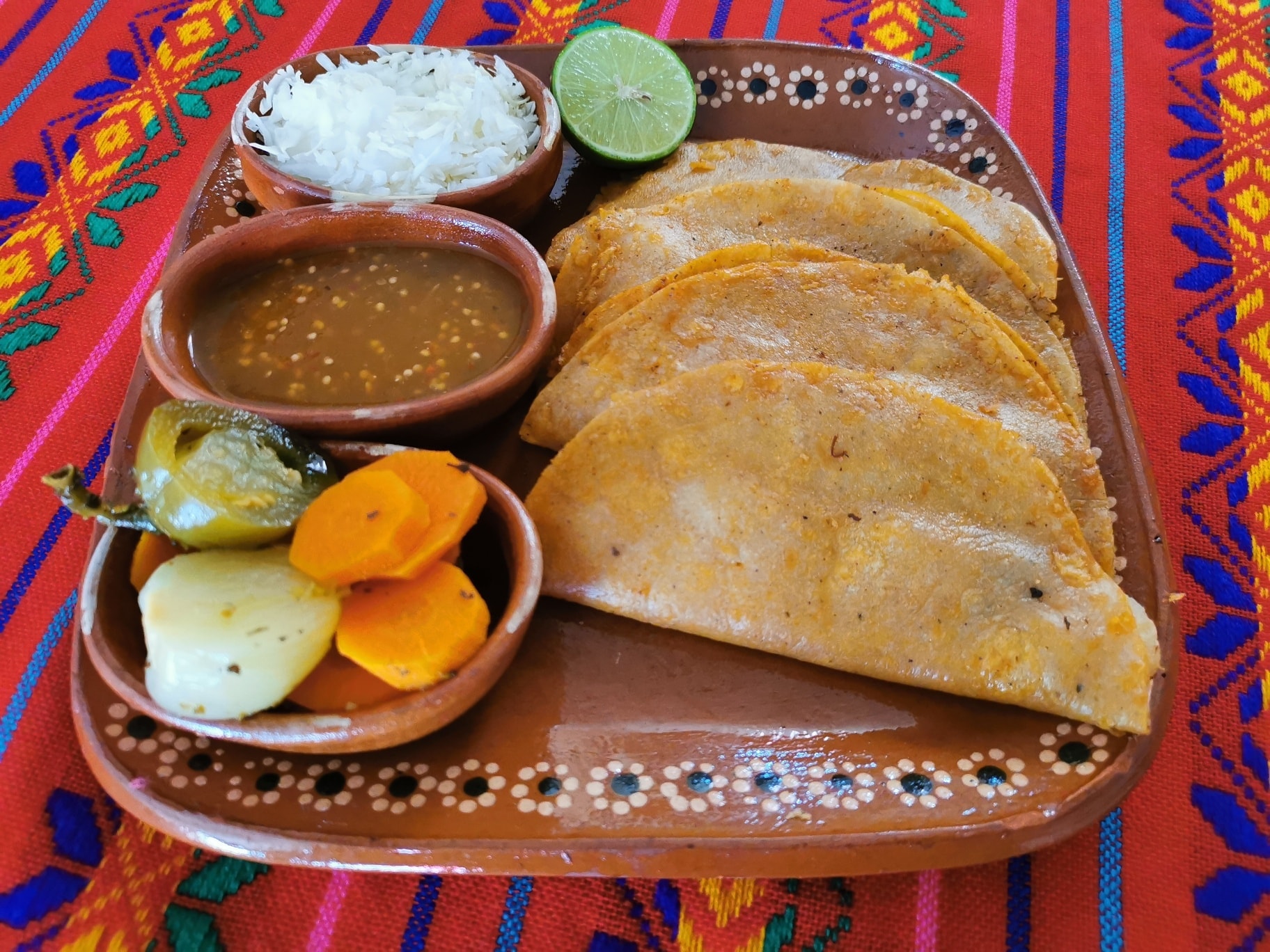
The Iconic Taco

The Local Bite

Taco de Tuxca

A soft taco filled with pork marinated in diverse spices, reflecting the state’s blending of cultures.