

Holy Week Season in Puebla, Mexico
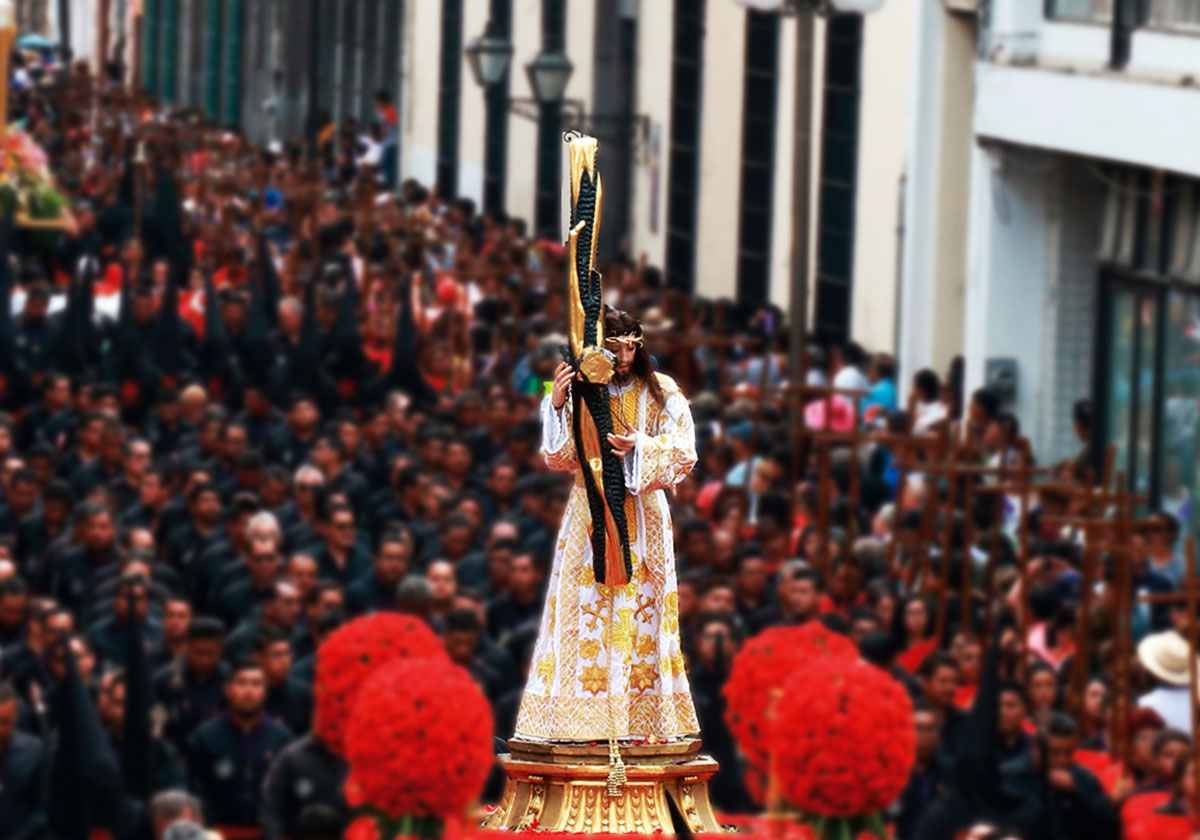
Some cities change with the calendar. In Puebla, Holy Week doesn’t simply mark a religious holiday—it reshapes the pace of daily life. Streets move more slowly. Church bells feel louder. Public spaces become shared stages where history, devotion, and community unfold in real time.
For a few days each spring, Puebla offers one of Mexico’s most powerful cultural seasons: a celebration that is deeply spiritual, visually striking, and rooted in centuries of tradition.
What’s happening?
Holy Week in Puebla is a collective experience. Processions, Passion reenactments, and rituals shaped by colonial-era Catholicism spill into plazas, neighborhoods, and churches, turning the city into a living ceremonial landscape.
You don’t need to be religious to feel its weight. Simply watching is enough: the hush that settles over crowds, the slow, deliberate steps of the processions, the sacred music echoing through stone streets. The city seems to pause—not to perform, but to accompany.
When to go
March or April (dates vary each year according to the liturgical calendar)
The most solemn moments take place on Holy Thursday and Good Friday.
It’s a short season, intense and symbolic—ideal for travelers drawn to culture with depth and meaning.
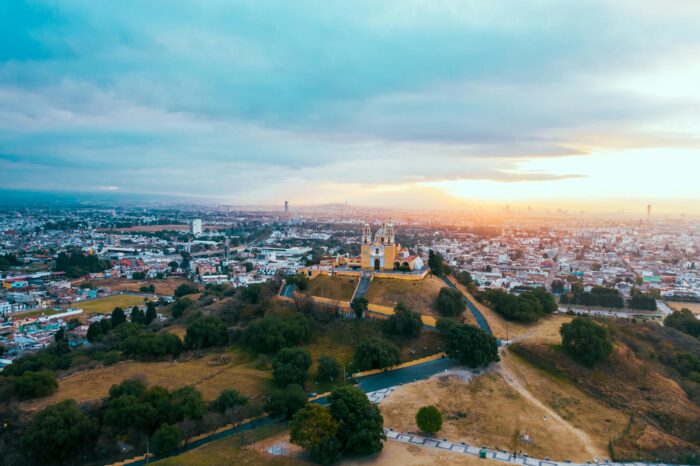
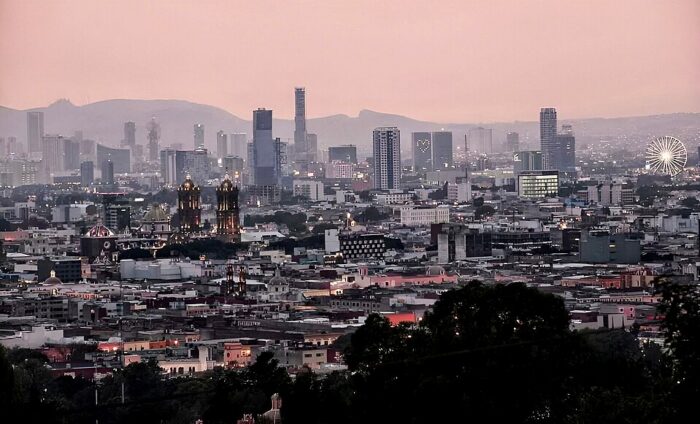
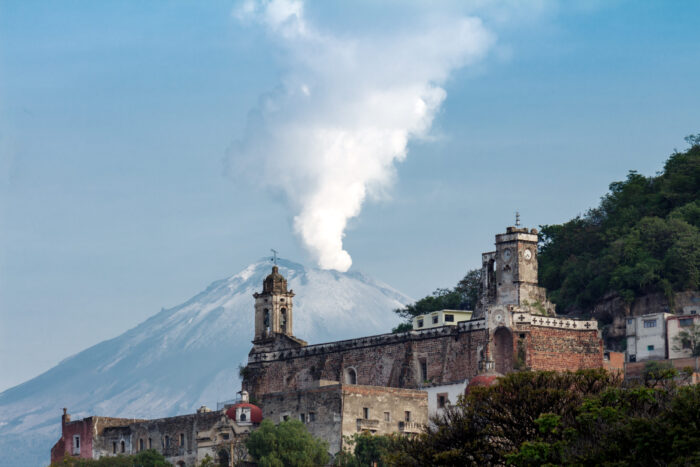
Where to experience it
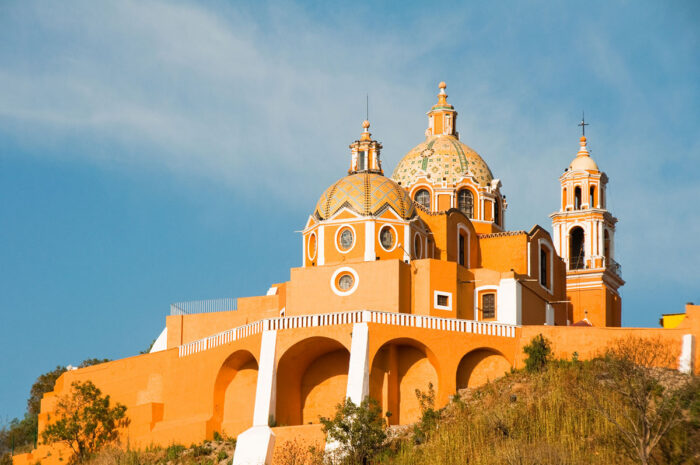
How it feels on the ground
This is a season best experienced on foot—walking, listening, observing. It isn’t designed for quick consumption. It asks you to slow down and accompany.
Expect lit candles, incense in the air, sacred music, and streets that seem to hold time in place. Between ceremonies, Puebla offers museums, monumental architecture, bustling markets, and one of Mexico’s most celebrated culinary traditions.
Why it’s unique in Mexico
What sets Holy Week in Puebla apart is its scale, community organization, and historical continuity. These traditions aren’t staged for tourists—they are lived for the community. Visitors are invited not to participate as spectators, but to observe with respect.
It remains one of the country’s most complete expressions of religious and cultural heritage.
Tips for visiting during Holy Week
1.
Book accommodations early: it’s one of the busiest weeks of the year.
2.
Plan to walk within historic districts—many streets are closed or crowded.
3.
Dress respectfully during processions and church visits.
4.
Use the season as an excuse to explore Puebla’s cuisine.
A season shaped by silence
Holy Week in Puebla isn’t trying to entertain. It’s trying to move you.
It offers a close look at how faith, history, and identity still shape Mexico—not as a museum piece, but as something living. If you’re traveling in spring and want to understand the country on a deeper cultural level, this is one of the most meaningful places to begin.