

State
Jalisco
Where Mexico Takes Shape
STATE VIBES
Why to Visit
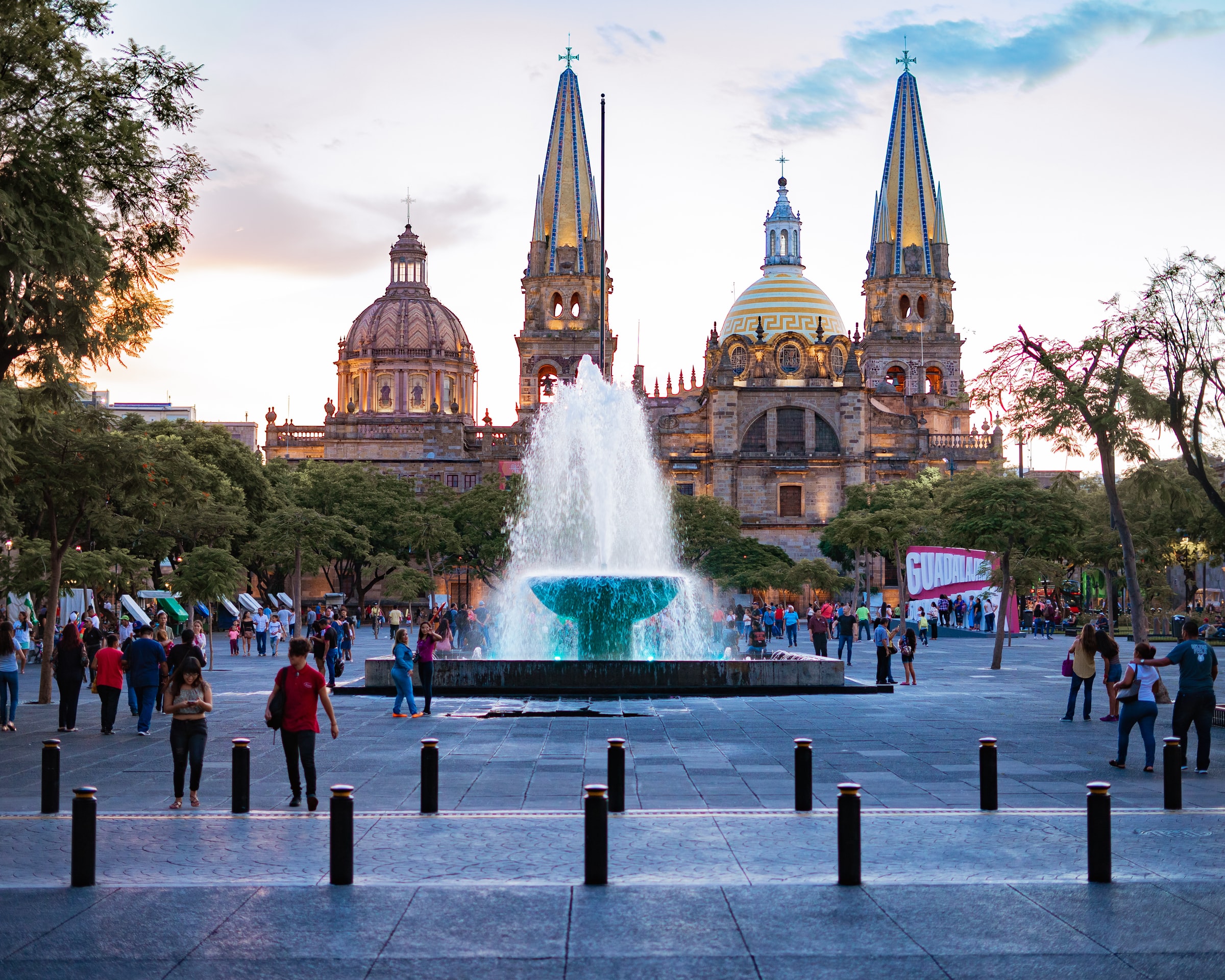
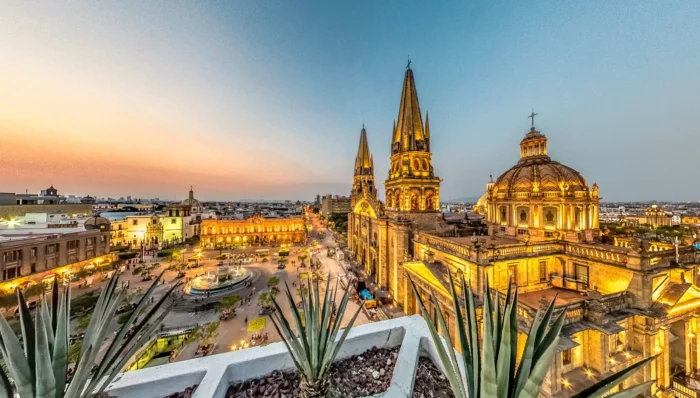
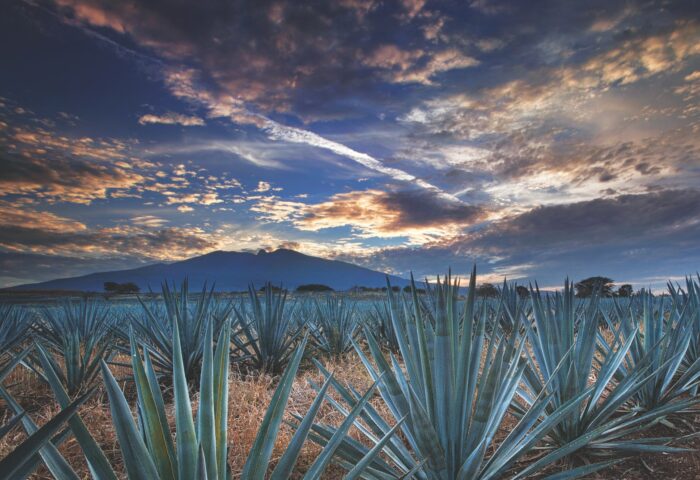
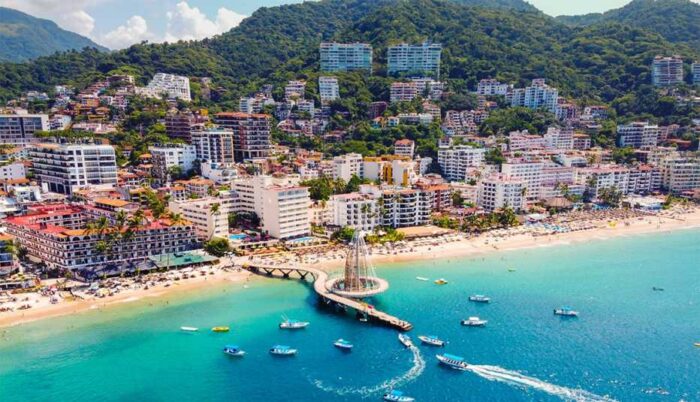
Because Jalisco is the heartbeat of Mexico. This is the birthplace of the icons the world recognizes instantly—Mariachi, Tequila, and Charrería—yet it offers far more than folklore. It is a destination where you can ride a train through blue agave fields in the morning, explore one of Latin America’s most cosmopolitan arts districts in Guadalajara by afternoon, and watch the sunset over the Pacific in Puerto Vallarta by evening. It is the perfect blend of deep tradition and modern style.
Click any destination to explore
Explore
Key Destinations

HIGHLIGHTS
The Signature Experience
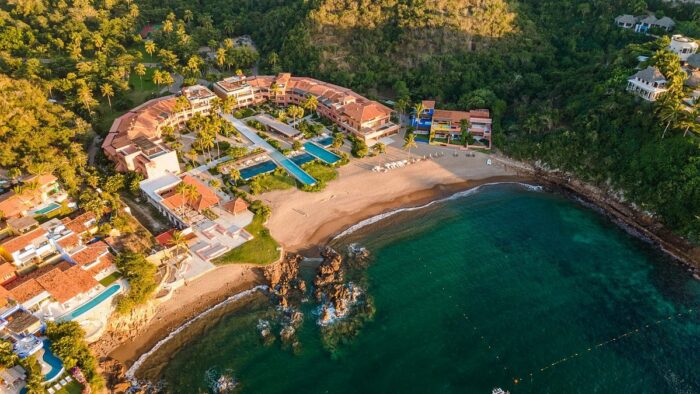
Costalegre
Costalegre: The Gentle Sanctuary of Luxury
Discover Jalisco’s private Eden. Between dramatic cliffs and pristine beaches, Costalegre’s hotel offering redefines sophistication through private villas, personalized service, and absolute disconnection from the outside world.
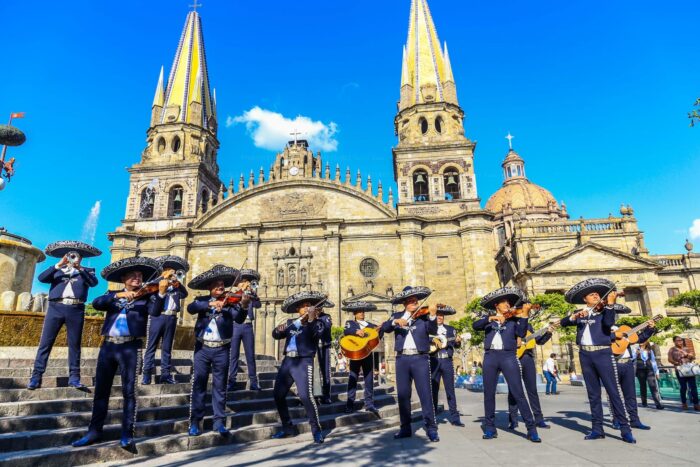
Guadalajara
Mariachi Nights in Guadalajara: The Rythm of Mexican Soul
Discover the magic of the music that defines a nation. From serenades in the San Juan de Dios neighborhood to high-school gala performances, experience a night where every trumpet and violin tells the story of an eternal Mexico.
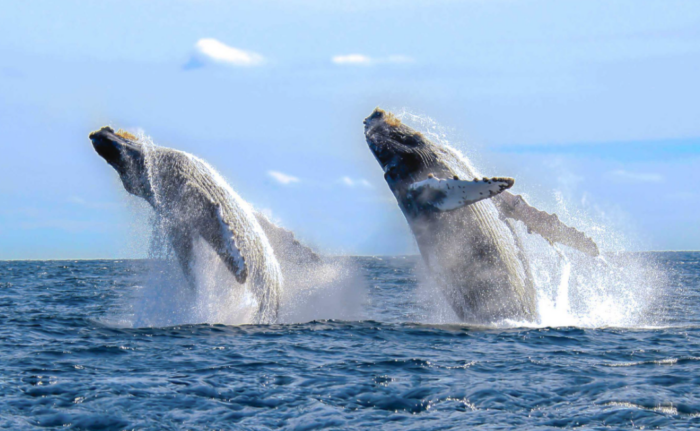
Jalisco
The Song of Giants: Whale Watching in Mexico
From the frigid waters of the North Pacific to the deep blue of the Sea of Cortez, Mexico is the sanctuary where marine life celebrates its most intimate cycle. A guide to witnessing the passing of the colossi of the ocean.
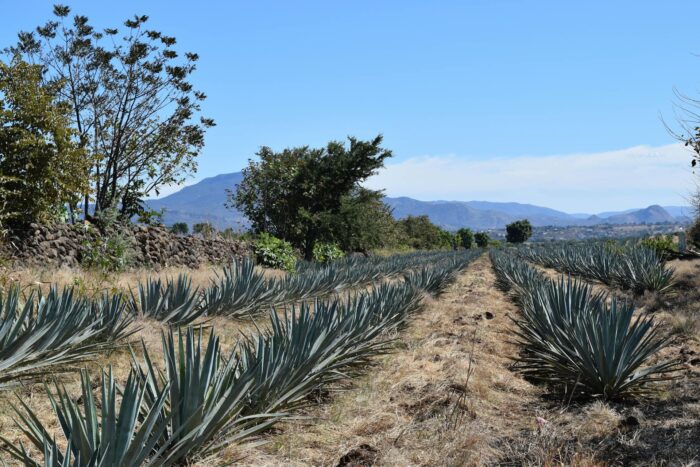
Tequila
The Tequila Route: Jalisco’s Blue Landscape
Traverse the blue agave fields declared a World Heritage Site. Discover the artisanal process that transforms the heart of the earth into Mexico’s most iconic spirit, while staying in giant barrels and exploring underground cellars.
BEST TIME TO VISIT
Momentours
International Mariachi & Charreria Festival
August - SeptemberThe undisputed global summit of Mariachi music. Guadalajara hosts galas where the world’s best ensembles compete, filling the streets with music, while the Charros (Mexican cowboys) showcase their skills in the arenas.
Guadalajara International Film Festival
MarchOne of the most prestigious cinema events in Latin America. The city transforms into a red-carpet hub for directors, actors, and industry professionals, offering screenings in historic venues and open-air plazas.
PLAN YOUR TRIP
Travel Toolkit
Jalisco enjoys a privileged climate, often described as “eternal spring” in Guadalajara and the lakeside areas (Chapala/Ajijic), with warm days and cool evenings. The coast (Puerto Vallarta) is tropical and humid. The rainy season runs from June to October, bringing lush green landscapes but afternoon downpours.
Airports:
Guadalajara (GDL): A major international tech and culture hub, offering direct flights to major cities across the US, Canada, and Europe.
Puerto Vallarta (PVR): The primary gateway for the Pacific coast and Riviera Nayarit.
Luxury Bus Lines: Jalisco is the hub for ETN and Primera Plus, offering “executive class” bus travel (more comfortable than many first-class flights) that connects Guadalajara with Tequila, Puerto Vallarta, and neighboring colonial cities.
Ride-Hailing: Uber and Didi are omnipresent and safe in the Guadalajara Metro Area (ZMG) and Puerto Vallarta.
Mi Macro & Light Rail: Guadalajara boasts a modern and efficient light rail system (Lines 1, 2, and 3) and the “Mi Macro” bus rapid transit, making it one of the easiest Mexican cities to navigate by public transit.
Culinary Soul
Jalisco’s cuisine is a dialogue between the red earth of the highlands and the blue waters of the Pacific. It is sophisticated yet deeply rooted in street food culture. From the complex, drowned sandwiches of the capital to the fermented agave spirits, the flavor profile here is spicy, saucy, and bold.

Torta Ahogada
Not a taco, but the undisputed king of Jalisco street food. A dense, salty birote bread (which only crunches correctly in Guadalajara’s altitude) stuffed with carnitas (pork confit) and submerged—literally drowned—in a spicy yahualica chili sauce. You eat it with a spoon or messy hands, often from a plastic bag on the street corner.

Photo: Alex Crab / iStock / Getty Images
Carne en su Jugo
A Guadalajara original. Finely chopped steak cooked in its own juices with tomatillo salsa, crispy bacon, and beans. It is a broth-heavy meat dish that defies categorization, usually served with grilled knob onions and tortillas.

Beef Birria
The soul of Jalisco. Originally goat meat (now often beef), marinated in adobo spices and slow-cooked in an underground pit or oven until it falls apart. It is served with its savory consommé, lime, and onions—a legendary cure for the common hangover.
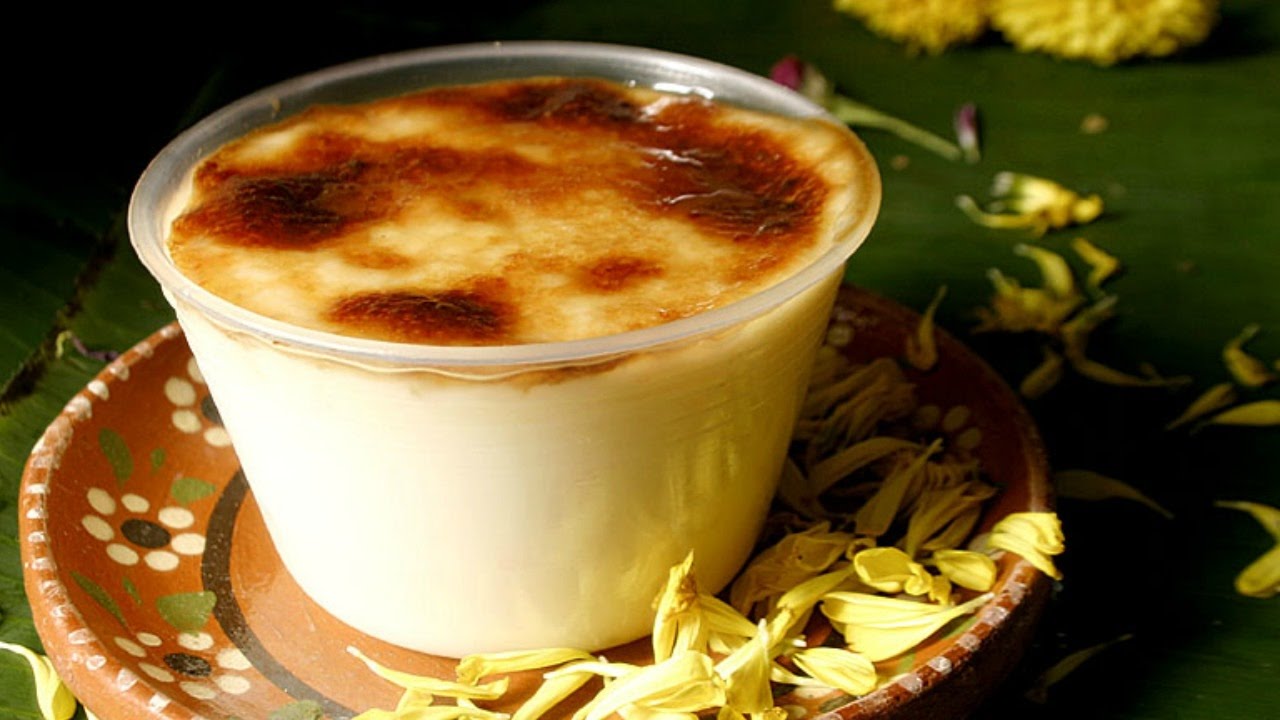
Jericalla
A dessert born in the hospices of Guadalajara. A cross between flan and crème brûlée, it is a custard baked until the top is burnt and dark, offering a distinct bitter-sweet flavor profile.
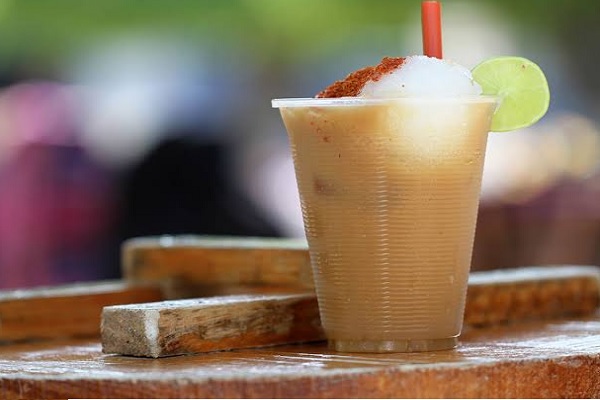
Photo: gob.mx
Tejuino
The ancient energy drink of the region. A fermented corn masa beverage, served cold with lime sorbet (nieve de limón) and a pinch of salt. It is a refreshing, prehistoric taste of the indigenous past found on street corners everywhere.
The Iconic Taco
The Local Bite
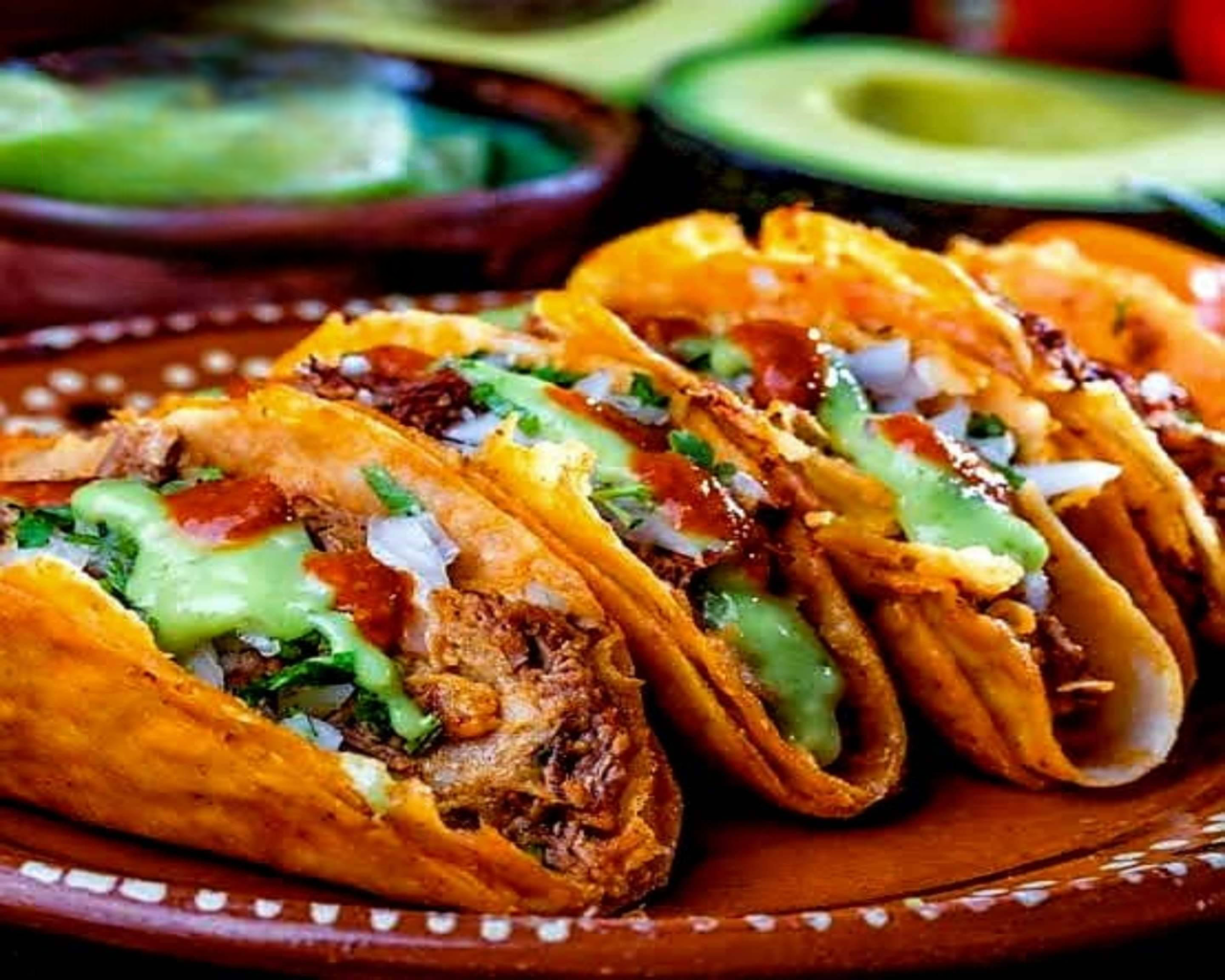
Barbacoa Taco
"
Unlike the soft steamed lamb of central Mexico, Jalisco’s barbacoa taco is often “dorado” (fried). The tortilla is dipped in chili oil, filled with tender beef or goat, and grilled until crisp and red. It is almost always served with a side of consommé for dipping, creating a crunchy, savory, and messy delight.