

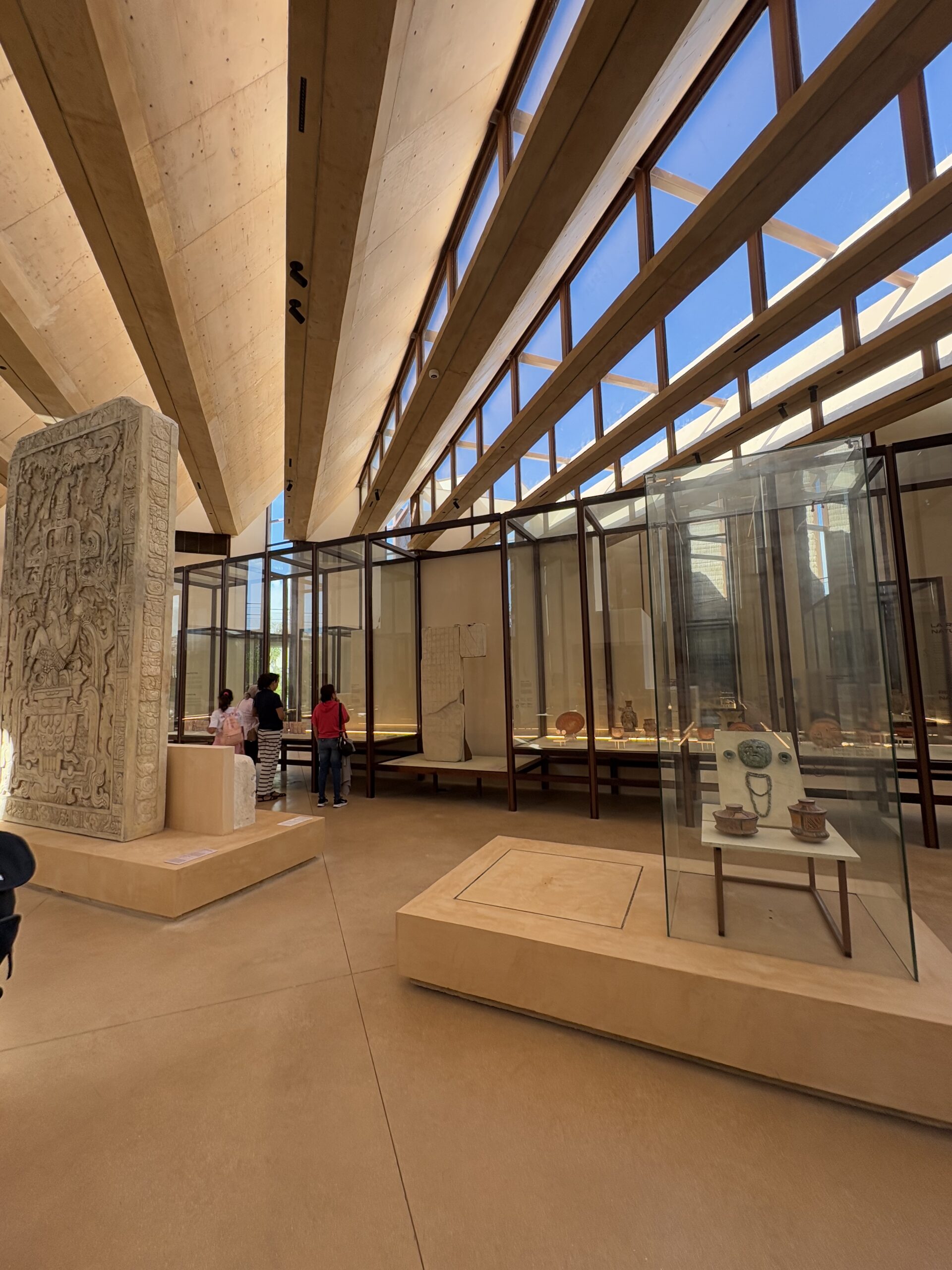
Tulum’s Regional Museum of the Eastern Coast
A deep dive into the heart of the Maya Empire: The mystical secret you can’t miss on your next Tulum getaway
Why to Visit?
When people think of Tulum, the first things that come to mind are boutique hotels, electronic music, and picture-perfect beach photos. However, tucked away behind that tourist facade are the roots of one of the most important cultures in human history: the Maya. The Regional Museum of the Eastern Coast was created precisely to bring back that lost soul of the region. Recently opened as part of an effort to decentralize culture and protect local heritage, this museum keeps the historical memory of the Yucatan Peninsula’s eastern coast alive.
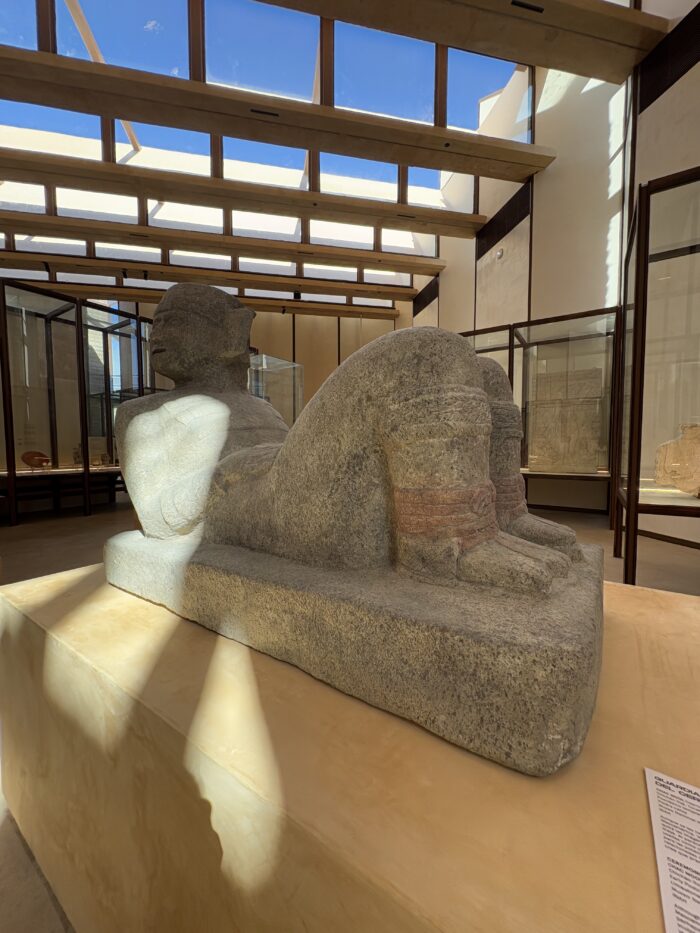
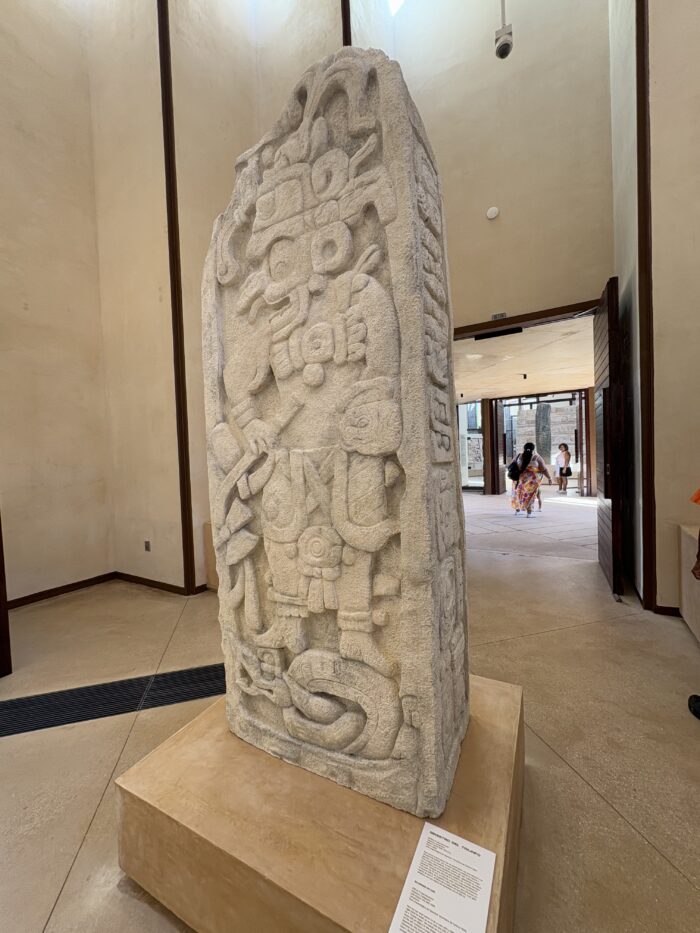
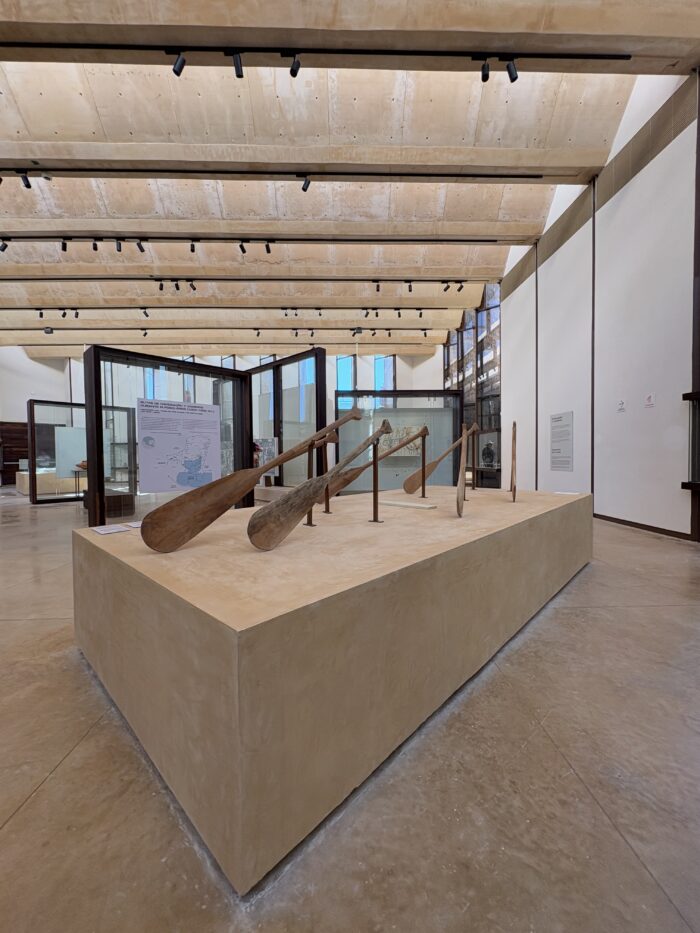
To truly understand why it matters, you have to travel back in time: the Maya weren’t just a civilization stuck in the middle of the jungle—they actually mastered Mesoamerica’s maritime trade routes. Tulum, originally named Zamá (meaning “dawning”), worked as a walled city and a strategic port linking trade all the way from the Gulf of Mexico to Central America. This museum is the first cutting-edge cultural space designed specifically to explain this superpower. Visiting is an absolute must because once you walk through its halls, you’ll get the historical context that will completely change how you view the archaeological sites of Tulum, Coba, or Muyil. It is, without a doubt, a mandatory stop to understand the true DNA of the Mexican Caribbean.
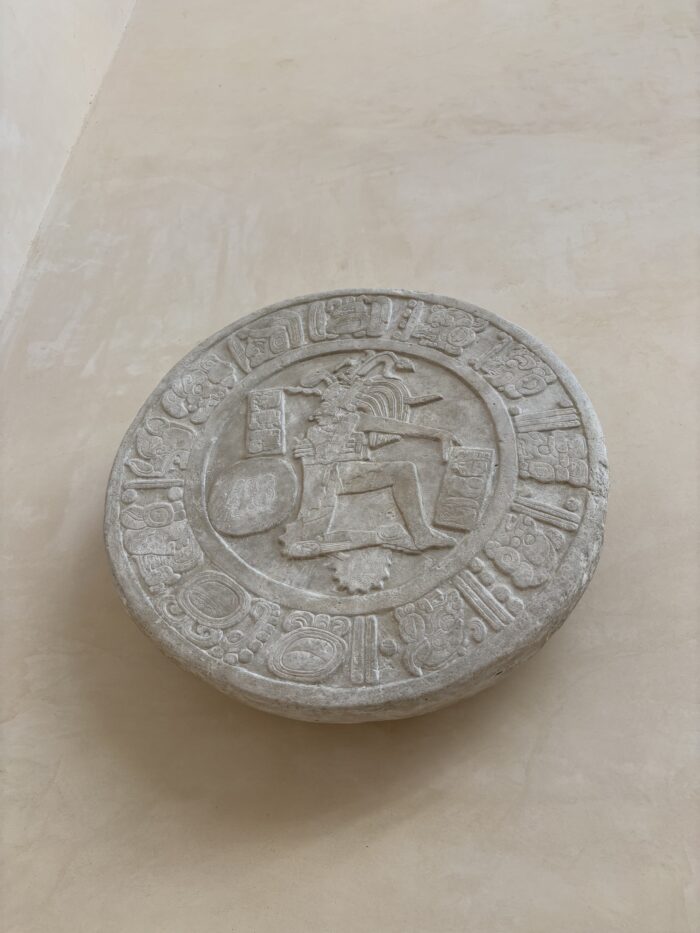
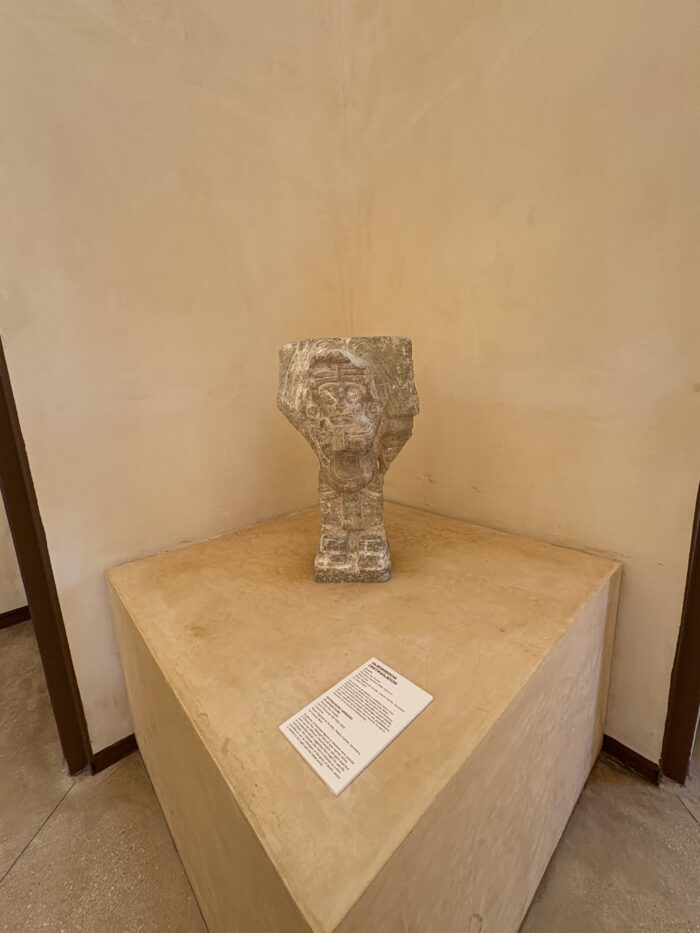

An amazing experience
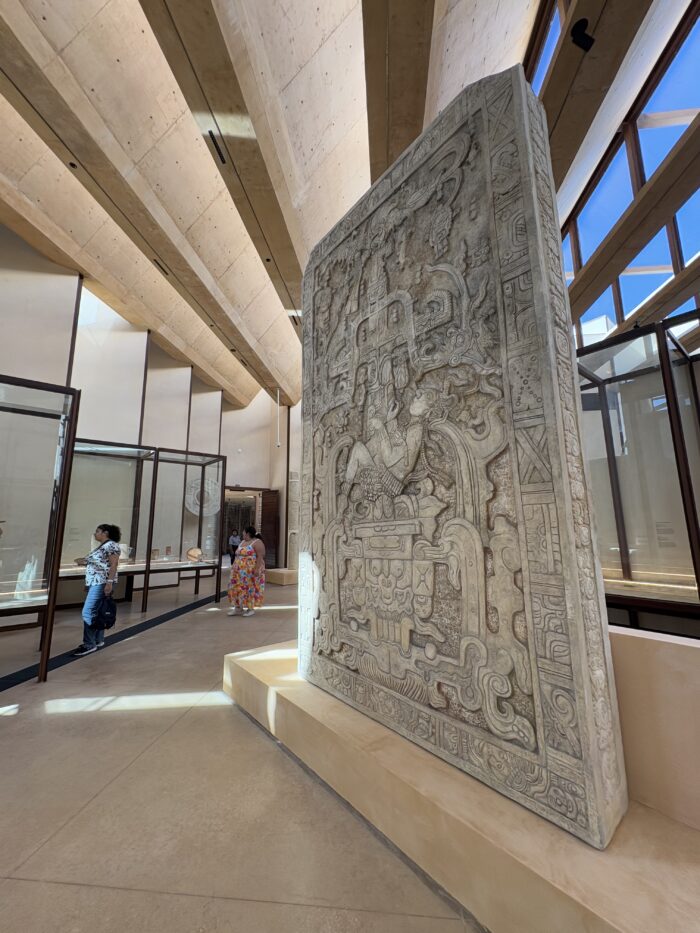
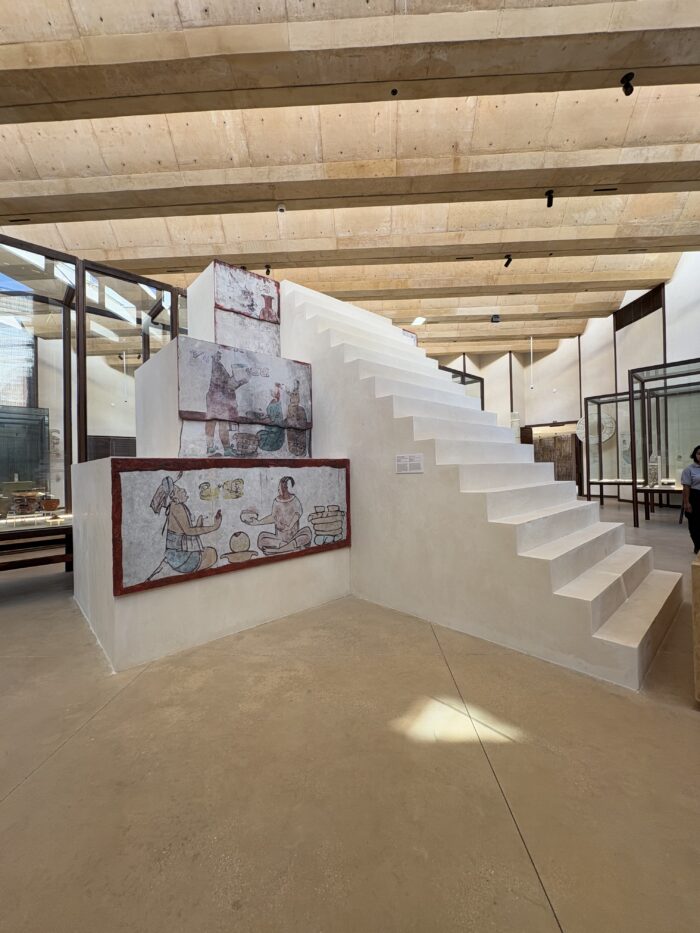
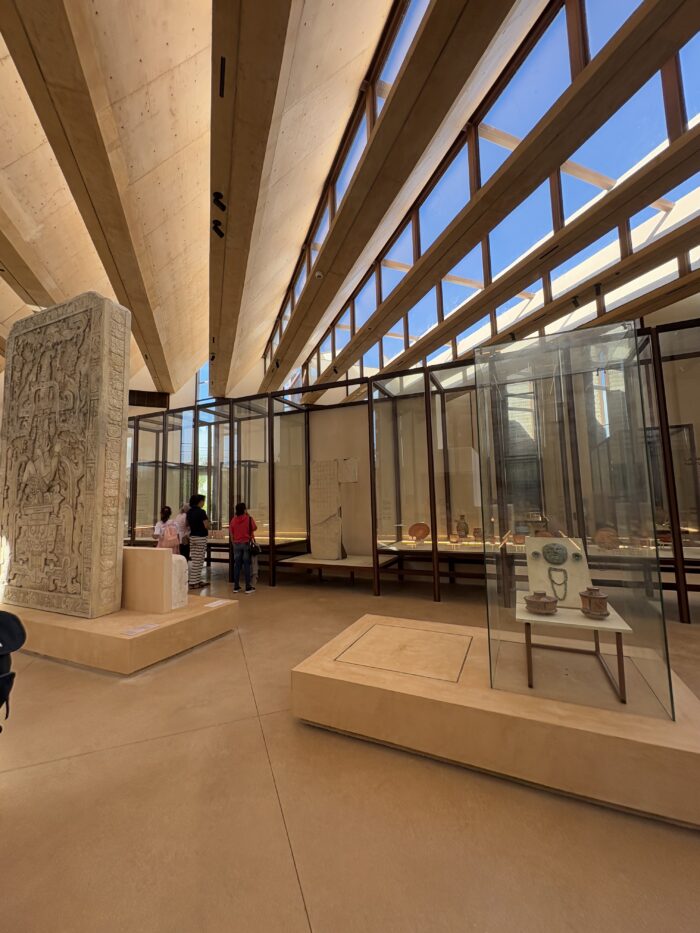
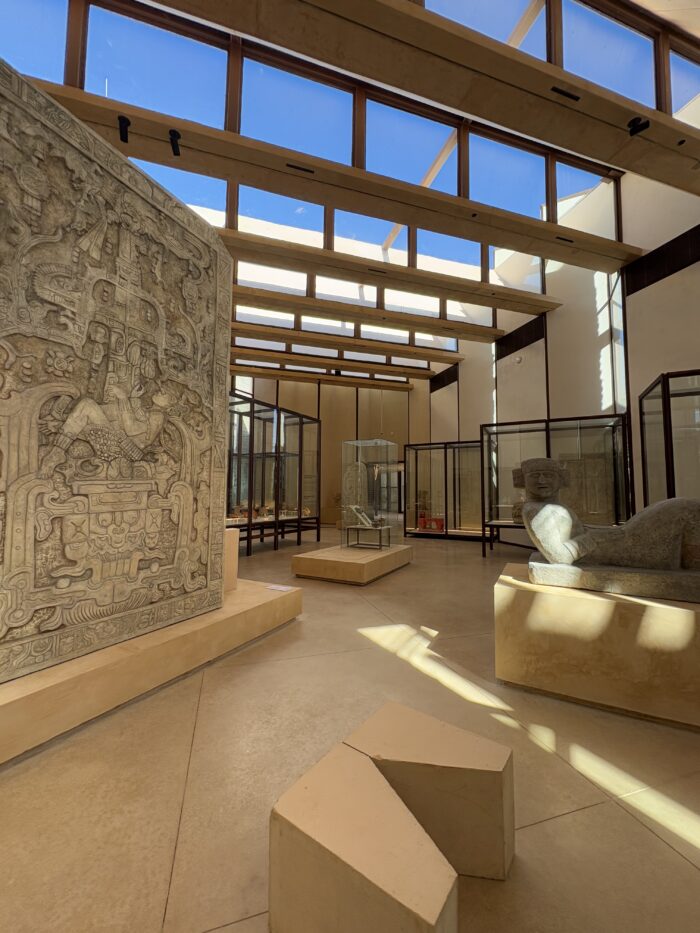
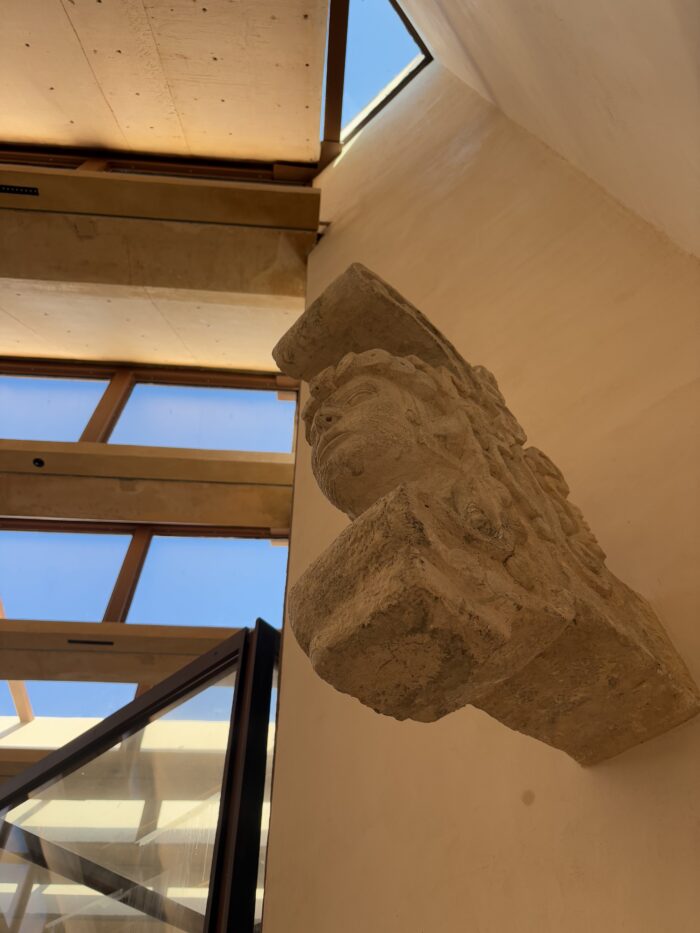
Forget about those old, dusty, boring museums where you just stare at rows of stones with unreadable labels. The experience here is an immersive journey designed for the 21st-century traveler. From the moment you step through the door, the architecture wraps around you: it’s a modern structure that pays tribute to Maya building techniques, using local materials that keep the place cool and perfectly in sync with the jungle. The museum features several permanent exhibition halls housing hundreds of authentic archaeological pieces recovered over the years through various exploration and excavation works in the area, including the recent archaeological rescues from the Maya Train project.
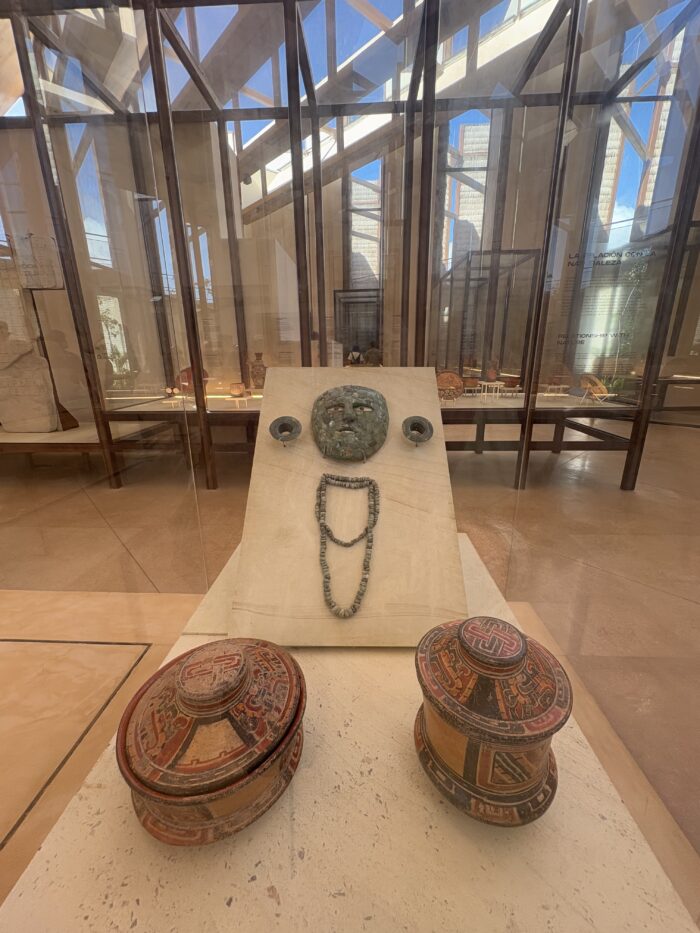
So, what are you going to find inside? You’ll get an up-close look at polychrome ceramic vessels that are over a thousand years old and still keep their original pigments, jade and obsidian tools that show how far their long-distance trade went, and ritual offerings rescued by underwater archaeologists straight from the bottom of sacred cenotes. One of the coolest sections explains how the Maya used the coral reef as a natural defense barrier and how they built “lighthouses” (like the iconic El Castillo in Tulum ruins). By aligning torches at night, these buildings guided sailors so their canoes wouldn’t run aground. The tour is packed with interactive screens, digital maps, and projections that make history feel alive, all wrapped in a mystical atmosphere with amazing lighting.
Beyond the artwork, a truly valuable feature of this museum is its role as a bridge to understanding Tulum’s living heritage. It’s not just a place to look at the past; it’s the essential spot that gives meaning to your whole trip. Your visit will enrich your experience on both an intellectual and emotional level, creating a deeper sense of respect and making every single corner of Tulum you visit afterward so much more meaningful.
“El Jaguar” National Park and the Watchtower
The museum’s location is another huge selling point by itself, since it’s nestled right inside the breathtaking El Jaguar National Park. This protected natural area spans nearly a thousand hectares and acts as a massive green lung for the Mexican Caribbean. Its goal is to save endangered species—like the iconic jaguar, spider monkeys, coatis, and hundreds of exotic birds—from urban development. Just getting to the museum is an eco-adventure in itself: you’ll explore a network of trails surrounded by a lush rainforest that smells like fresh rain and copal resin. It’s the perfect spot to connect with nature before diving into the culture.
But the real deal right outside the museum is definitely the Watchtower. This massive, lightweight structure features an eco-friendly architectural design that rises high above the jungle canopy. You’ll need to leave your fear of heights at the bottom and climb up every single step. Once you reach the top, your reward is a spectacular, 360-degree panoramic view. On one side, you’ll see an endless green sea of jungle; on the other, the turquoise blue of the Caribbean Sea crashing against the coast. It’s the ideal spot to take in the massive scale of the region, do some bird watching with binoculars, and, of course, snap the absolute best photos of your trip to Mexico.
Insider’s Perspective
- Hours & Days: The museum is open Tuesday through Sunday, from 9:00 AM to 4:30 PM (the park closes a bit later, but make sure to budget your time well for the museum exhibits). It’s closed on Mondays for maintenance.
- Estimated Tour Time: Give yourself about 1.5 to 2 hours inside the museum to take your time, play with the interactive screens, and really enjoy the collection without rushing. If you add the walks through El Jaguar Park and climbing the Watchtower, block out around 3 to 4 hours in total for the whole experience.
- Full Accessibility: The museum is 100% accessible. It features smooth ramps for wheelchairs and strollers, along with wide, flat spaces, making it perfect for families, seniors, or anyone with reduced mobility.
- Make it a combo: Hit the museum and El Jaguar Park in the morning, then head straight to the nearby beaches to cool off in the afternoon.
- The Perfect Outfit: Wear breezy linen or cotton clothes, comfortable sneakers for the trails, and definitely bring your camera or phone with a fully charged battery.
- Keep it Eco-Friendly: Bring a reusable water bottle and biodegradable bug spray.
- Pro Timing: We recommend getting there early—around 9:00 AM—to beat the crowds and catch the absolute best lighting from the top of the tower before the midday sun hits too hard.
The Regional Museum of the Eastern Coast is living proof that Tulum has a deep soul and massive history beyond its famous beach clubs. Don’t just scratch the surface; give your trip that cultural spark that changes everything. See you at the museum!