

DESTINATION
Merida
Capital of Maya Heritage and Colonial Elegance
Destination Vibes
Why to Visit
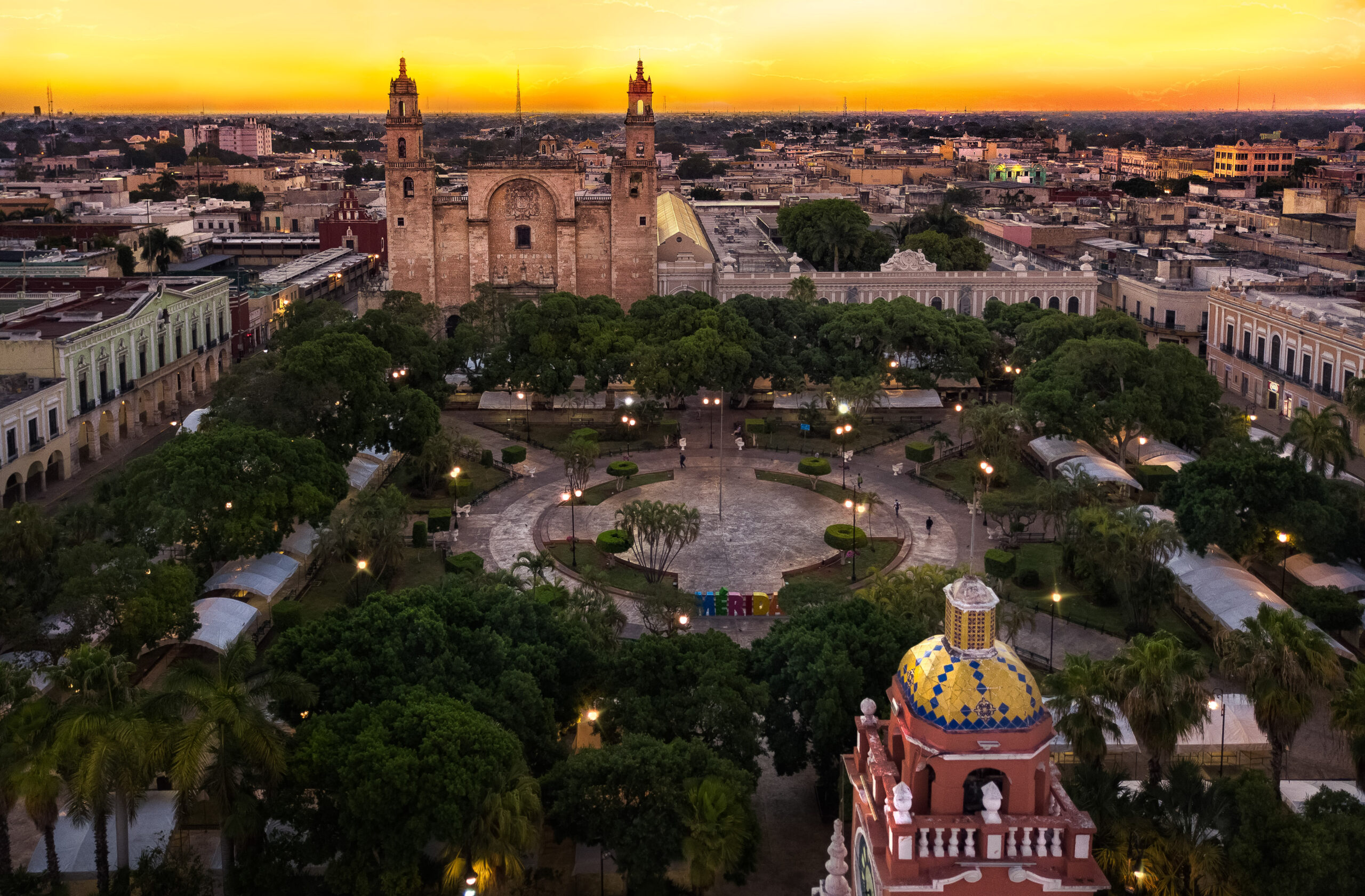
In Merida, the pace feels measured rather than hurried. Colonial facades reflect the warm light of late afternoon while traditional music mixes with conversations at open-air terraces. Beneath the shade of ceiba trees, the city reveals multiple historical layers: Maya remains, residences from the henequen boom, and markets filled with the aromas of Yucatecan cooking. The atmosphere remains composed and welcoming, shaped by a long tradition of civic life and cultural continuity.
HIGHLIGHTS
The Signature Experience
Michoacan
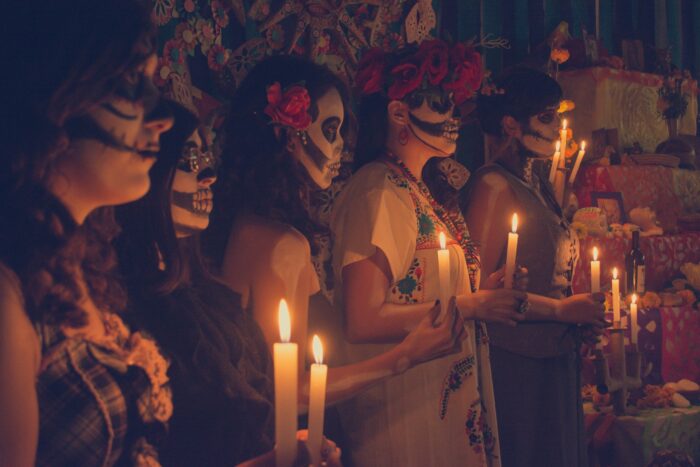
Day of the Dead
Discover Mexico’s most iconic festival. From the mysticism of the altars to the candlelight vigils in the graveyards, experience a unique celebration where death is not an end, but an annual reunion with those we love.

Yucatan
Gastronomy of Merida: The Feast at the Land of Mayab
Discover the perfect fusion in the capital of Yucatan. From the mysticism of cochinita pibil to the sophistication of edam cheese, experience a culinary journey that transforms Mayan tradition into a world-class feast.
Yucatan Peninsula
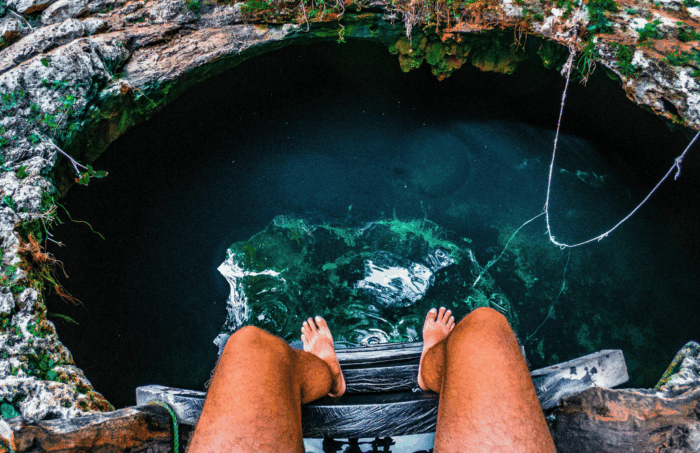
Diving in Yucatan’s Cenotes
Discover the best-kept secret of the Yucatecan jungle. Amidst stalactites, hanging roots, and celestial lights, experience absolute purity in the most spectacular freshwater deposits on the planet.
Don't Miss
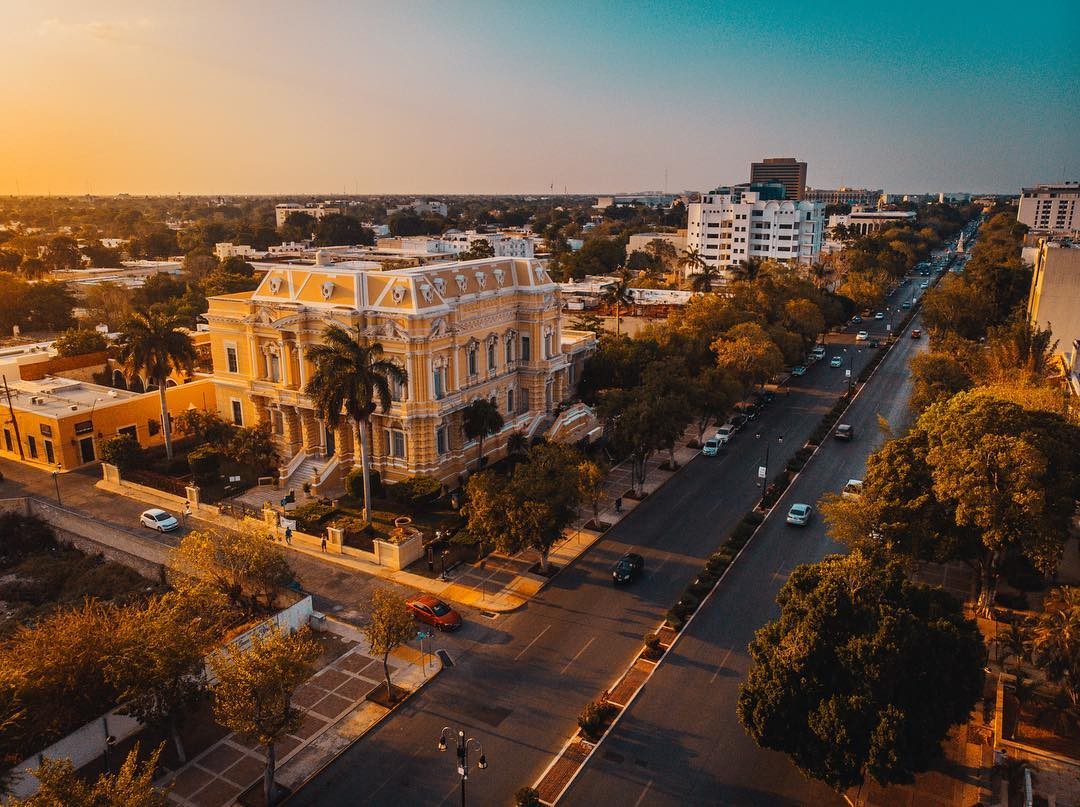
Photo: Top Yucatán
Paseo Montejo
Walking along Paseo de Montejo reveals one of the most emblematic avenues in southeastern Mexico. Inspired by European boulevards, the avenue was built during the late nineteenth century at the height of the henequen economy and still features some of the city’s most notable mansions. Lined with trees and monumental roundabouts, the avenue presents a sequence of historic residences that reflect the prosperity of the period. Many have been restored as museums, cultural centers, or cafes where visitors can pause and observe the daily life of the city. Experiencing Paseo de Montejo in the late afternoon—when sunlight reflects across the pale facades—offers a clear sense of Merida’s character as a city shaped by history and civic tradition.
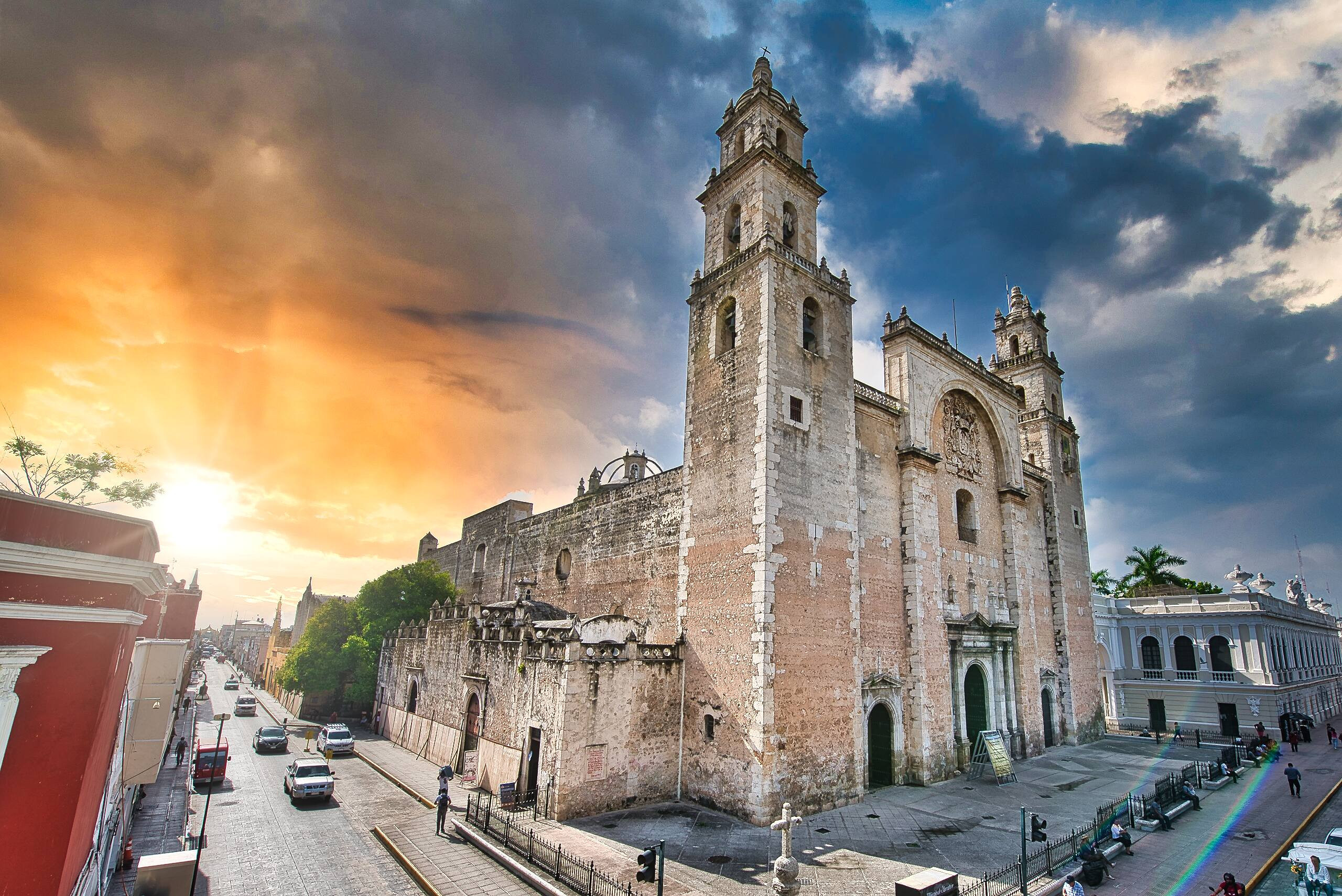
Photo: Casa Loltún
Plaza Grande and Merida's Cathedral
The historic center begins at Plaza Grande, a public square that has served as a meeting place since the founding of the city. Benches beneath trees, street musicians, and families gathering in the evening create a scene that reflects the calm rhythm of the city. Facing the plaza stands the Cathedral of San Ildefonso, built in the sixteenth century using stones taken from former Maya temples. Its presence marks the beginning of the historic district and remains one of the most significant monuments in the country.

Photo: Top Yucatán
Yucatecan cuisine and local markets
Trying dishes such as cochinita pibil, panuchos, or sopa de lima in traditional markets offers one of the most direct introductions to the region’s culinary identity.
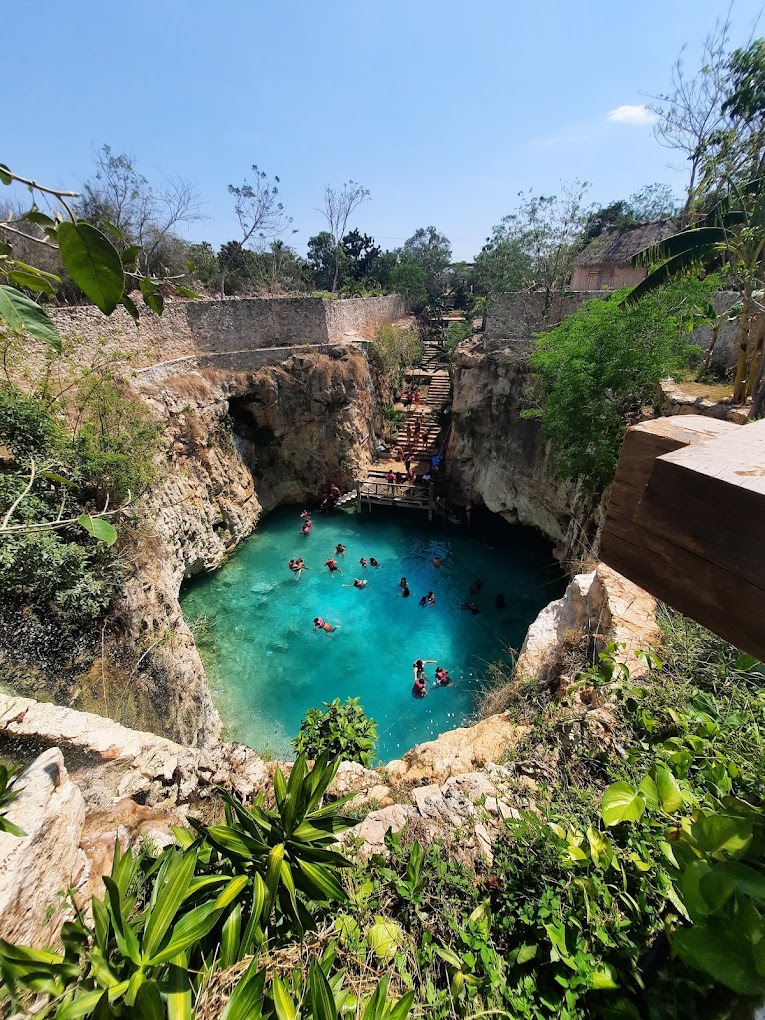
Photo: Ivan Cordova
Cenotes Near Merida
The geology of the Yucatan Peninsula is defined by an extensive network of underground rivers that create cenotes—natural freshwater sinkholes that have been central to Maya communities for centuries. Within a short distance of the city, several cenotes offer opportunities to swim, explore caverns, and experience the relationship between water and landscape that characterizes the peninsula.
The Great Museum of the Maya World
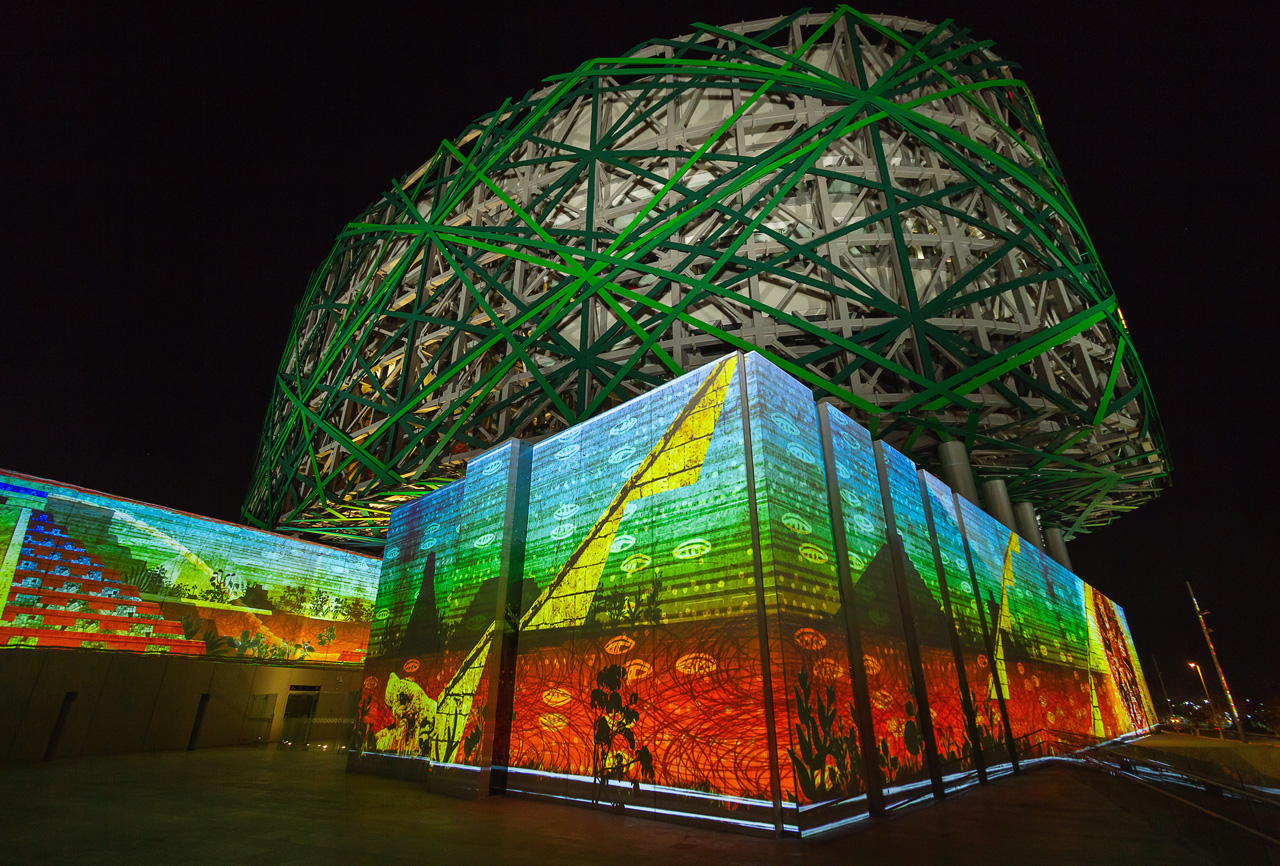
In the heart of Merida, the Gran Museo del Mundo Maya stands as more than a repository for antiquities. It functions as a sophisticated bridge between the modern era and the profound legacy of one of the world's most resilient civilizations. Its architecture—inspired by the sacred ceiba tree—signals a deeper mission: to contextualize the Maya not as a vanished people, but as a living culture.
Meteorite Museum
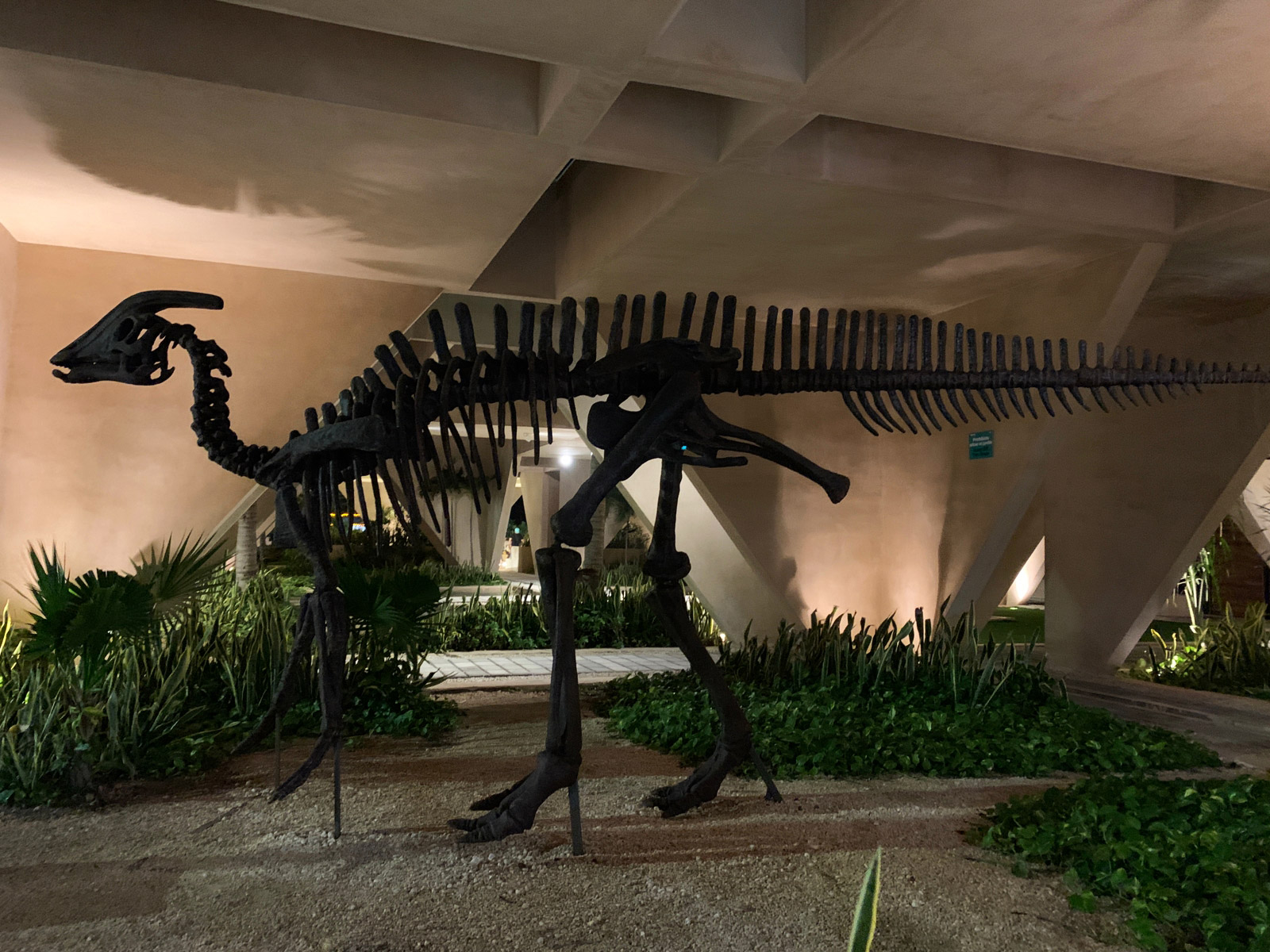
The museum offers an interactive experience where visitors can design their own dinosaurs and engage with the prehistoric world through projection mapping, augmented reality, and digital tablets. The exhibit features animatronic figures with realistic sound and movement, alongside geological specimens dating back 4.5 billion years, sourced from the North Pole and Australia.