

Sisal
A Former Gulf Port Reclaimed by Nature
Why to Visit?
Sisal stands out for bringing together three elements rarely found in balance: a documented colonial past as a Gulf port, broad beaches without dense tourism, and a protected ecosystem of mangroves and migratory birds. It suits travelers looking for open coastline, meaningful contact with nature, and a setting that retains its local scale. Here, comfort is measured not in display, but in space, stillness, and authenticity.
HIGHLIGHTS
The Signature Experience
Momentours
Don't Miss…
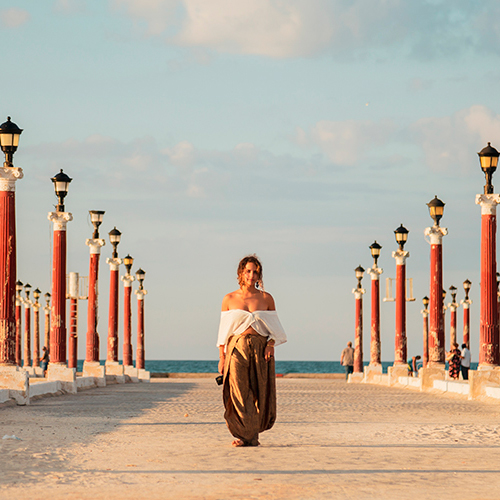
The Dock and Its Beaches
Leave your footprints in the soft sand while sea breezes ruffle your hair. Witness the most beautiful sunsets the view has to offer. Emerald-blue water, mid-size surf, and a warm beach of soft, white sand entice you to take a dip in the water of the Gulf. Some prefer just strolling along the shore taking in their surroundings, while others choose to rent a paddleboard and try out the waves, and the most experienced long to submerge themselves in the depths in search of coral reefs. In the evening, a walk along the dock to enjoy the sunset is a tempting option, and if you want to stay longer, pitch a tent on the sand and stargaze.
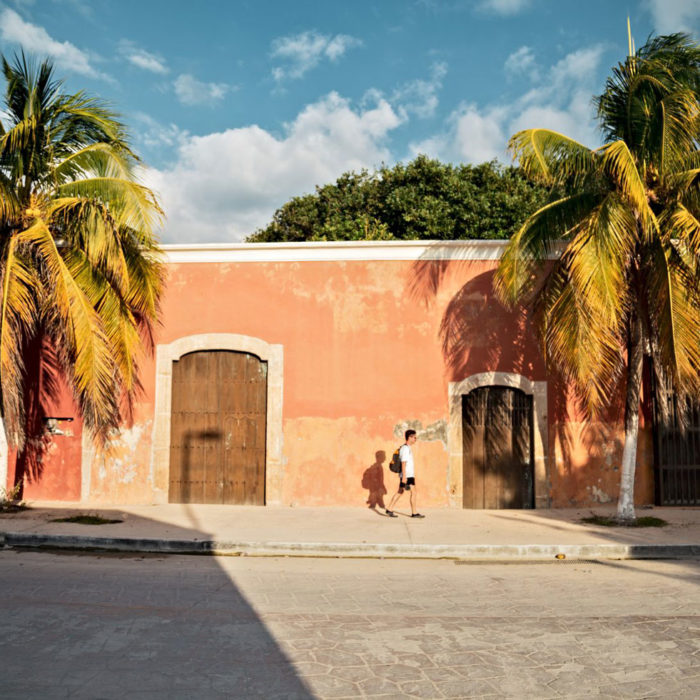
House of Empress Carlota
Bring the past to life through its spaces. Empress Carlota’s first arrival to Mexico is a memory that continues to carry weight in this Magical Town. “We walked over a carpet of white shells to the house chosen for us to rest…,” wrote the Empress of her journey to the Hunucmá estate where she would spend the night. Today, this silent hacienda still holds a 19th-century building that was the result of the sisal boom. Inside, there is a large rectangular structure surrounded on its four sides by a spacious portico with ogee arches, which give it a rather Moorish air. The chapel still stands, and in several places you can see the way rooms were roofed in those days–with interwoven logs and stonework.

Sisal Loca Flavors
Food fresh from the sea will fill you with energy and enliven your palate. It’s just delicious! The best place to eat is at Sisal’s dock. Everything eaten here comes from the catch of the day, so you will find an array of dishes. What about snail carpaccio, fried octopus, or crab claws? And plus, you’ll have a spectacular view.